
Majuro Investment Property ListingsOceanfront homes in Pacificisland capital
Best offers
in Majuro
Benefits of investment in
Marshall Islands real estate


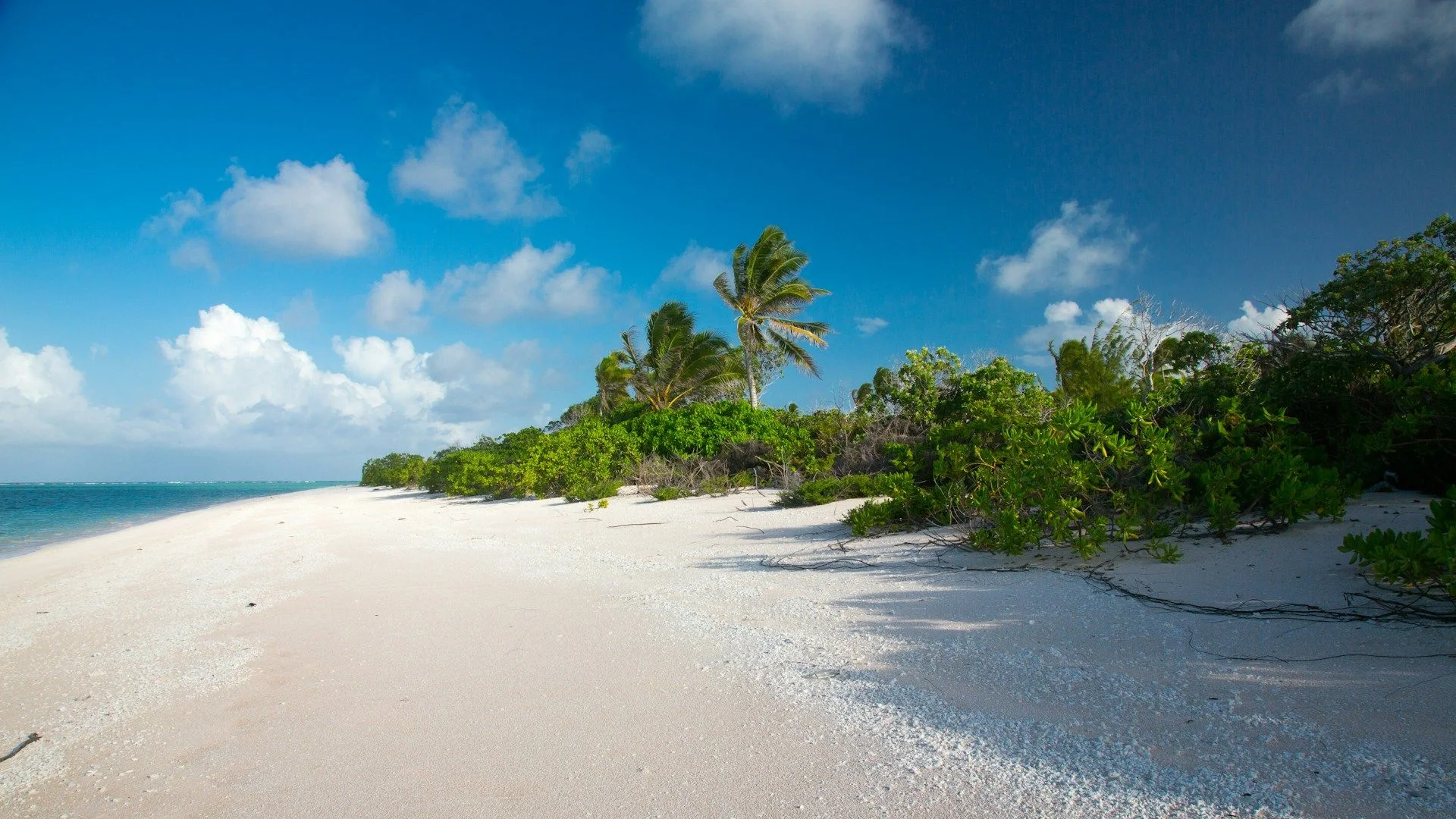
Beachfront lots in a Pacific island nation
The Marshalls offer homes on serene atolls and lagoon-front properties in peaceful, low-density communities.
Compact society with strong U.S. ties
The country operates in U.S. dollars and under U.S. compacts, creating legal clarity and economic stability.
Retreat-style lifestyle with minimal development
Ideal for off-grid living or vacation retreats, the islands attract privacy seekers and ocean lovers.
Beachfront lots in a Pacific island nation
The Marshalls offer homes on serene atolls and lagoon-front properties in peaceful, low-density communities.
Compact society with strong U.S. ties
The country operates in U.S. dollars and under U.S. compacts, creating legal clarity and economic stability.
Retreat-style lifestyle with minimal development
Ideal for off-grid living or vacation retreats, the islands attract privacy seekers and ocean lovers.









Useful articles
and recommendations from experts
Real Estate in Majuro, Marshall Islands
Why Invest in Majuro
Majuro, the capital and economic center of the Republic of the Marshall Islands (RMI), is a unique real estate destination located in the heart of the Pacific Ocean. As a coral atoll with limited land and rising global interest in island economies, Majuro presents niche opportunities for property investors focused on long-term value, sustainability, and strategic positioning. With close ties to the United States via the Compact of Free Association, a tax-friendly environment, and an economy driven by fishing, aid, and services, Majuro is gaining attention from expats, NGOs, and remote investors looking for rare coastal assets and stable governance.
Types of Property in Majuro
Given its compact geography and narrow land base, Majuro’s real estate inventory is highly constrained. The primary property types include:
- Residential Homes: Ranging from traditional single-story dwellings to more modern concrete homes with ocean views. Most housing is concentrated on the main islets of Delap-Uliga-Djarrit (D-U-D), where the population is densest.
- Commercial Properties: Small office buildings, government-leased facilities, retail spaces, and mixed-use structures dominate Majuro’s commercial corridors. Demand is driven by government agencies, NGOs, banks, and telecom companies.
- Tourism and Hospitality Assets: Hotels, motels, and guesthouses exist but are limited in number. There is room for expansion in eco-lodges, boutique accommodations, and overwater bungalows catering to niche tourism segments.
- Development Land: Very scarce, especially in central areas. Some outer islets and land reclamation zones offer potential for larger-scale projects but may require environmental clearances and community agreements.
Land Ownership and Legal Framework
The legal structure of land ownership in the Marshall Islands is unique and essential to understand for any investor:
- No Freehold Ownership: All land in the RMI is owned by Marshallese families or clans under customary law. Foreigners cannot own land outright but can obtain long-term lease agreements, typically for up to 50 years (renewable).
- Leasehold System: Investors must negotiate directly with landowners or chiefs for lease agreements, which are then registered with the Land Court. Lease terms can include annual rent, development requirements, and social obligations to landholding families.
- Legal Security: Leases are legally binding once recorded, and the RMI legal system—based on U.S. common law—provides a reliable dispute resolution framework. Legal assistance is essential for ensuring valid land tenure.
Prices, Rents, and Market Trends
Real estate prices in Majuro are influenced by land scarcity, infrastructure availability, and the strength of leasing relationships. As of 2025, average ranges include:
- Residential leases: $500 to $2,000 per year for plots under 600 square meters, depending on location and ocean access.
- House construction costs: $80,000 to $200,000 for basic to mid-range homes. Many houses are custom-built or renovated over time.
- Commercial space rentals: $10 to $25 per square meter per month for retail and office use. Government-leased buildings tend to command premium rents.
- Hotel investment: Small-scale hospitality properties can range from $250,000 to $1.5 million based on location, room count, and condition. Occupancy rates average 50%–70% annually, with peak demand during NGO and diplomatic missions.
Rental yields in Majuro are moderate, with 6%–9% returns on well-located properties. Demand comes from international aid staff, diplomats, civil servants, and Marshallese families. The local economy’s reliance on external funding (notably from the U.S.) provides steady income streams, though growth is limited by geographic isolation and infrastructure constraints.
Investment Opportunities
Despite its limitations, Majuro offers strategic real estate opportunities in specific niches:
- Long-Term Leased Housing: Building residential units for lease to NGOs, expats, or government agencies can provide steady income. Properties with water, backup power, and proximity to the airport or hospitals are most in demand.
- Eco-Hospitality Projects: With global interest in sustainable travel and the Pacific region, developing boutique eco-lodges or guesthouses near lagoon fronts or less-developed islets is a viable strategy—especially if aligned with environmental guidelines and local partnerships.
- Logistics and Port-Side Warehousing: Given Majuro’s port activity (especially tuna transshipment), warehousing and cold storage near the port are needed to serve international vessels and local supply chains.
- Mixed-Use Developments: With limited land, combining retail, residential, and office spaces within single plots maximizes lease value. These developments are ideal for central Uliga and Delap districts.
- Remote or Offshore Services Hubs: Given the RMI’s favorable legal and tax regime, some investors are exploring establishing satellite offices for offshore services such as call centers, digital firms, or legal services with small physical footprints.
Key Neighborhoods and Zones
Majuro is primarily composed of the Delap-Uliga-Djarrit (D-U-D) urban area, which includes the most developed real estate zones:
- Delap: A government and residential hub, home to ministries, schools, and mid-range homes. Infrastructure is well-developed, and land is tightly controlled.
- Uliga: The main commercial and retail district, with banks, restaurants, telecom centers, and mixed-use buildings. Ideal for commercial investments and apartment-style properties.
- Djarrit: A densely populated residential zone with community housing, public services, and religious institutions. More affordable, but infrastructure may be weaker.
- Laura: Located at the western end of the atoll, Laura is more rural and suitable for eco-resorts, farms, or private villas. Known for its wider land mass and beaches.
- Airport Area (Amata Kabua International Airport): Land near the airport is limited but strategic for logistics, hospitality, and warehousing ventures.
Infrastructure and Accessibility
Majuro offers essential infrastructure to support real estate investment, though challenges remain due to its remote location and environmental exposure:
- Transportation: Majuro is connected internationally via Amata Kabua International Airport, with regular flights to Honolulu, Guam, and other regional hubs. Road access across the atoll is via a single main road with bridges connecting islets.
- Utilities: Water is sourced through catchment systems and desalination. Electricity is available via the Marshalls Energy Company, though power outages can occur. Solar adoption is growing, especially in Laura.
- Internet and Telecom: Mobile and broadband services are improving, with fiber-optic projects underway to enhance connectivity. This boosts potential for remote business operations.
- Healthcare and Services: The Majuro Hospital serves as the main medical center. Several clinics, schools, and retail outlets are available, catering to residents and international workers.
Environmental and Risk Considerations
Majuro is vulnerable to climate change impacts such as sea-level rise, storm surges, and coastal erosion. Investors must consider:
- Building Elevation and Flooding Risk: Raised foundations, seawalls, and drainage are essential for all construction projects.
- Environmental Compliance: Tourism and large-scale projects may require environmental impact assessments and community consultations.
- Insurance: Property and business insurance are available but may be expensive or limited in coverage due to disaster risk.
Final Thoughts on Majuro
Majuro offers a rare, small-scale real estate environment where property values are shaped by scarcity, geopolitical stability, and ocean proximity. While the market is not suited to large-scale speculative investment, it provides strong value for long-term investors in housing, eco-hospitality, and port-related infrastructure. Strategic leasing, community engagement, and sustainable planning are essential to success.
For investors seeking unique assets in the Pacific, Majuro presents an opportunity to secure exclusive locations in a peaceful island nation with growing international relevance. Patience, compliance with local law, and respect for environmental factors will be critical to achieving durable returns.