
Blantyre Investment Property ListingsHousing in Malawi’s commercial and banking hub
Best offers
in Blantyre
Benefits of investment in
Malawi real estate


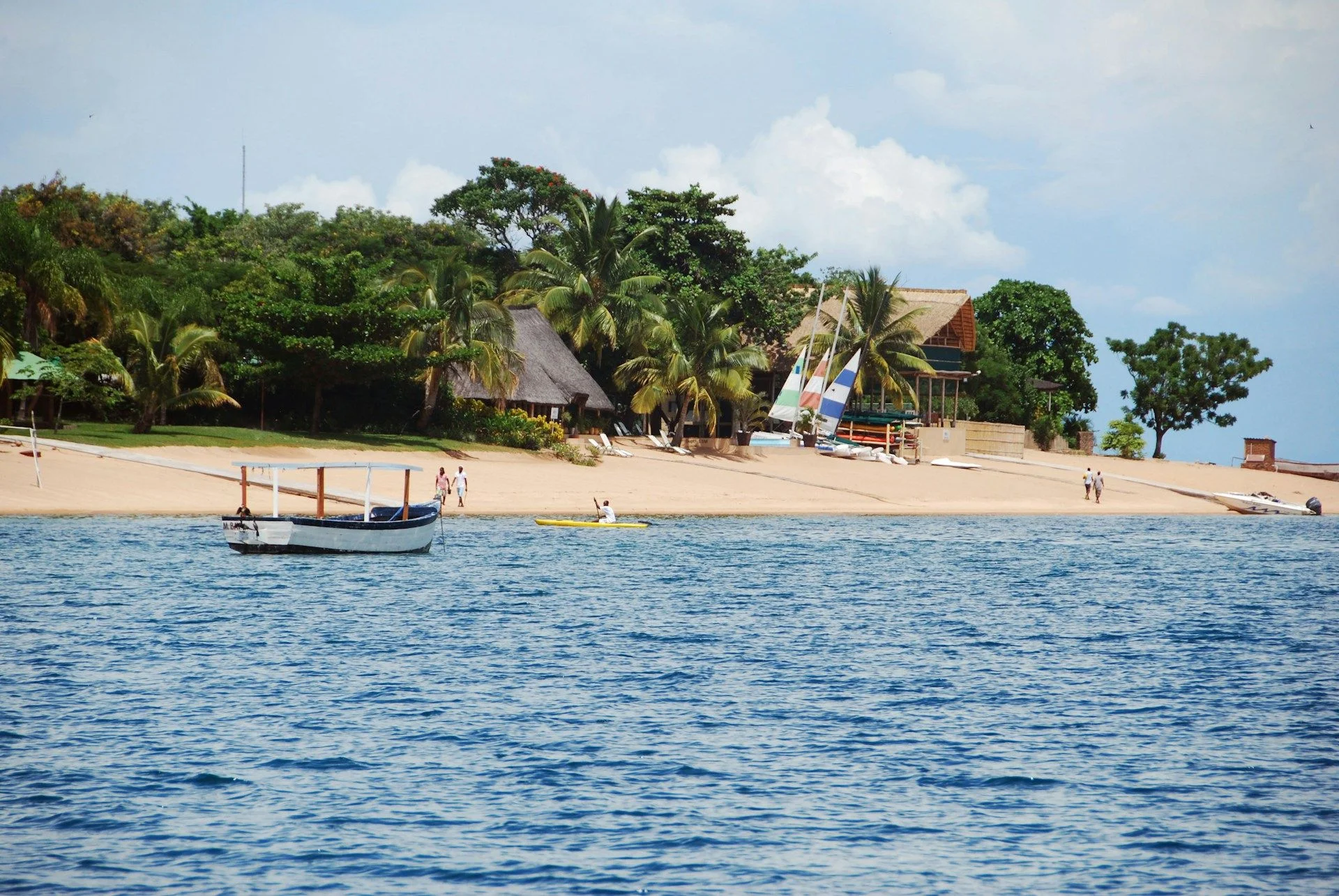
Lake Malawi properties with rare serenity
Buyers can acquire homes or small lodges along the lakefront — ideal for private use or eco-tourism ventures.
Fertile land and low entry cost
Land remains inexpensive and accessible for agriculture or residential development.
Friendly country with English as official language
Malawi is welcoming, calm, and English-speaking — making transactions easier for international buyers.
Lake Malawi properties with rare serenity
Buyers can acquire homes or small lodges along the lakefront — ideal for private use or eco-tourism ventures.
Fertile land and low entry cost
Land remains inexpensive and accessible for agriculture or residential development.
Friendly country with English as official language
Malawi is welcoming, calm, and English-speaking — making transactions easier for international buyers.








Useful articles
and recommendations from experts
Real Estate in Blantyre, Malawi
Why Invest in Blantyre
Blantyre, the commercial and industrial capital of Malawi, is one of the fastest-developing urban centers in Southern Africa. As the country’s oldest city and a regional hub for trade, finance, and logistics, Blantyre presents unique opportunities for real estate investors seeking to enter a frontier market with high long-term growth potential. The city’s strategic location near Mozambique and Zimbabwe, expanding infrastructure, growing middle class, and increased demand for modern housing and commercial facilities make it a compelling target for real estate development.
Types of Property in Blantyre
The real estate landscape in Blantyre features a variety of property types, including:
- Residential Properties: These range from high-end villas in suburbs like Nyambadwe, Sunnyside, and Mandala to more affordable apartments and houses in Naperi, Chilomoni, and Chirimba. Gated communities and modern housing estates are gaining traction, particularly among expatriates and Malawi’s growing middle-income population.
- Commercial Properties: Office buildings, shopping centers, warehouses, and hotels are concentrated in areas like Victoria Avenue, Ginnery Corner, and Limbe. Demand is rising for flexible office space, retail units, and hospitality projects that can cater to international visitors and corporate clients.
- Industrial Land and Facilities: Given Blantyre’s role as an industrial base, there is consistent demand for manufacturing spaces, storage units, and logistics hubs, especially in Makata and Chirimba industrial zones.
- Agricultural and Mixed-Use Land: On the city’s outskirts, agricultural and mixed-use parcels offer opportunities for commercial farming, agro-processing, and residential expansion.
Prices and Market Trends
Real estate prices in Blantyre remain relatively low by international standards but are rising due to urbanization, population growth, and increasing demand for quality housing. As of 2025, the following are typical property prices:
- High-end villas: $250,000 to $500,000 depending on size, location, and finishes.
- Mid-range houses: $60,000 to $120,000 in established suburbs with basic infrastructure.
- Apartments: $30,000 to $80,000 depending on unit size and location.
- Commercial land: $20 to $80 per square meter depending on zoning and accessibility.
Rental prices are also increasing. A modern 3-bedroom home in a desirable neighborhood may command $1,200–$2,000 per month. Office spaces in central areas lease for $10–$20 per square meter monthly, while warehouses may fetch $5–$10 per square meter depending on amenities.
Market trends point toward increasing demand for serviced apartments, furnished rentals for expats and NGOs, and small retail units in high-footfall zones. Developers are also exploring mixed-use developments to capitalize on the limited availability of central land.
Buying Process and Legal Aspects
Foreigners are allowed to purchase real estate in Malawi, but there are specific legal procedures and constraints:
- Land in Malawi is generally leasehold, not freehold. Leases are typically granted for up to 99 years and are renewable.
- Foreigners must obtain approval from the Ministry of Lands and are generally required to develop the property within a specified time frame to avoid forfeiture.
- Investors must also comply with zoning regulations and city development plans.
The purchase process includes identifying a property, signing a sale agreement, obtaining land search reports, and registering the transfer with the Lands Department. Legal and administrative fees may range from 2% to 5% of the property value. Investors are strongly advised to work with a local lawyer and certified real estate agent to navigate the regulatory process.
While the registration system is being digitized, delays are common, and due diligence is essential to confirm clean title and encumbrance-free land.
Investment Opportunities and Yields
Blantyre offers some of the highest real estate yields in Southern Africa due to low acquisition costs and growing rental demand. Gross rental yields of 8%–12% are achievable in residential segments, especially when targeting NGOs, international workers, and local professionals. Serviced apartments and short-term furnished rentals also generate strong cash flows with occupancy rates exceeding 80% in prime areas.
Commercial properties—particularly small office units, medical centers, and retail shops—offer 10%–15% yields, with strong demand near hospitals, schools, and transit hubs. Hotels and lodges catering to business travelers are in short supply and represent a niche with high growth potential.
Another rising opportunity is student housing, given Blantyre’s role as an academic center (e.g., Malawi Polytechnic, College of Medicine). Purpose-built student accommodation (PBSA) is a virtually untapped asset class.
Industrial investors benefit from demand for warehousing and logistics solutions as Blantyre continues to grow as a regional transit and storage hub. Small-to-medium agro-processing facilities are particularly profitable near food production zones on the city’s periphery.
Neighborhoods and Infrastructure
Blantyre is organized into several residential, commercial, and industrial zones:
- Mandala: A leafy, upper-income neighborhood popular with expatriates. Offers large homes, diplomatic residences, and proximity to international schools.
- Sunnyside and Nyambadwe: Established, quiet suburbs with high-end homes, paved roads, and good security. In demand for family rentals.
- Naperi and Chilomoni: Mid-income areas with a mix of townhouses, apartments, and older homes. Significant potential for renovation and development.
- Limbe: A busy commercial hub and secondary city center. Strong retail presence and growing residential density.
- Makata and Chirimba: Key industrial zones with factory space, transport depots, and vacant land suitable for logistics and manufacturing.
Blantyre’s infrastructure is steadily improving. Roads within the city are mostly paved, although some residential areas lack drainage or lighting. Electricity and water services are available city-wide, though power outages remain a concern and many investors install backup generators and tanks. The government is investing in transport corridors and utility upgrades through partnerships with the World Bank and Chinese infrastructure companies.
Blantyre International Airport (Chileka) connects the city to Johannesburg, Nairobi, Addis Ababa, and Lusaka. Future expansion is planned. Internet access is improving, with 4G and fiber networks expanding through private ISPs. Several private hospitals, such as Mwaiwathu Hospital, provide reliable medical services. International schools and colleges support the needs of expat families and NGO workers.
Final Thoughts on Blantyre
Blantyre offers high-yield real estate opportunities in a stable, English-speaking country with a welcoming investment climate. While the market comes with bureaucratic and infrastructure challenges, its fundamentals—urban growth, regional importance, rising incomes, and low entry prices—make it highly attractive for bold investors and developers.
Whether you’re focused on rental income, commercial assets, or land banking for future development, Blantyre provides a diverse portfolio of options. With careful planning, local partnerships, and an understanding of regulatory processes, investors can secure long-term gains while contributing to the city’s modernization.
For those looking to get in early on an underdeveloped but growing urban market in Africa, Blantyre represents one of the continent’s best-kept real estate secrets.