
Luxembourg City Investment Property ListingsHigh-yield rentals in EU’sfinancial capital
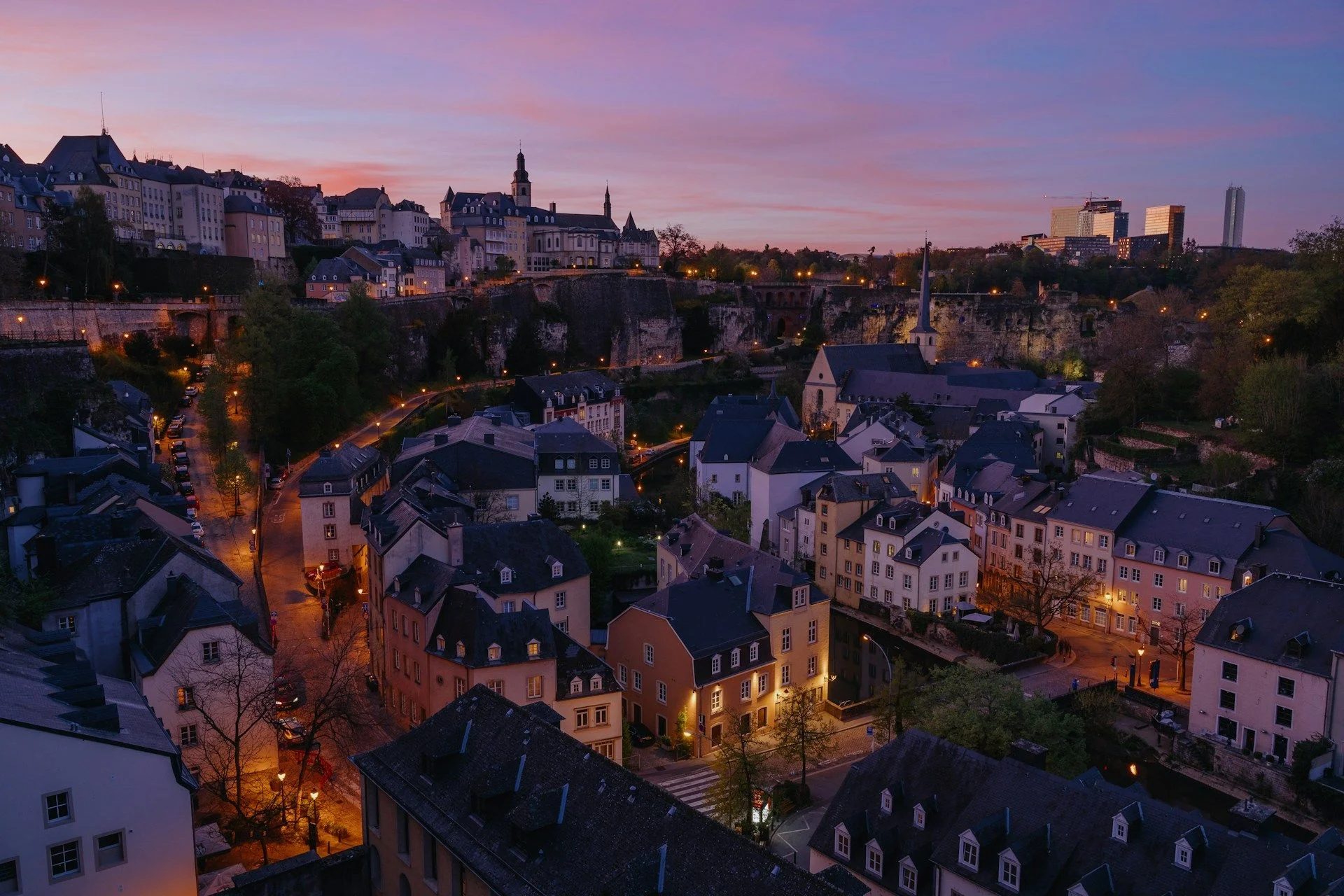
Best offers
in Luxembourg City
Benefits of investment in
Luxembourg real estate


Premium property in a global finance hub
Luxembourg City’s housing market remains resilient, driven by international institutions and banking demand.
Safe, stable, and multilingual legal environment
Buyers benefit from transparent EU rules, legal certainty, and widespread English and French language use.
High rental returns and limited land supply
Limited space and tight planning laws create consistent rental demand and long-term price appreciation.
Premium property in a global finance hub
Luxembourg City’s housing market remains resilient, driven by international institutions and banking demand.
Safe, stable, and multilingual legal environment
Buyers benefit from transparent EU rules, legal certainty, and widespread English and French language use.
High rental returns and limited land supply
Limited space and tight planning laws create consistent rental demand and long-term price appreciation.








Useful articles
and recommendations from experts
Real Estate in Luxembourg City
Why Invest in Luxembourg City
Luxembourg City is one of the most stable and prosperous capitals in Europe. As the financial and administrative heart of the Grand Duchy, it offers a robust legal system, a multilingual workforce, and a high standard of living. The city is home to numerous EU institutions, global banks, and multinational corporations, which creates sustained demand for residential and commercial real estate. Its strategic location at the crossroads of Germany, Belgium, and France makes it an appealing hub for cross-border professionals. High GDP per capita, low crime rate, and political stability further enhance its attractiveness to investors seeking secure long-term returns.
Types of Property in Luxembourg City
Luxembourg City offers a variety of property types suitable for different buyer profiles. In the residential segment, investors can choose from modern apartments in Kirchberg or Gasperich, elegant townhouses in Limpertsberg, and luxury villas in Belair. The city also features high-end penthouses and renovated historical buildings in the Ville Haute district, popular among diplomats and executives.
The commercial real estate market is also dynamic, with office buildings in the Cloche d’Or and Kirchberg districts being in constant demand. Retail spaces in the central pedestrian zones and mixed-use developments are sought after by businesses catering to the city’s affluent population. Additionally, Luxembourg has been expanding its offering of energy-efficient and smart homes, driven by strict sustainability regulations and buyer preferences.
Prices and Market Trends
Property prices in Luxembourg City are among the highest in Europe. As of the latest data, the average price per square meter for apartments in the city center exceeds €13,000, while more peripheral districts range from €8,000 to €11,000 per square meter. Detached houses are priced significantly higher, particularly in prestigious neighborhoods such as Belair, Merl, and Limpertsberg.
The market has experienced consistent year-on-year growth, although the pace has slightly moderated in 2024 due to higher interest rates and stricter lending policies. However, the structural demand—driven by international professionals, institutional buyers, and cross-border commuters—remains strong. The rental market continues to thrive, with average monthly rents for a two-bedroom apartment ranging from €2,200 to €3,000 depending on location and amenities.
Buying Process and Legal Aspects
Luxembourg has a transparent and secure legal framework for property ownership. Both residents and non-residents are permitted to purchase real estate without restrictions. The standard process begins with a preliminary agreement (compromis de vente), followed by a notarial deed (acte de vente) that finalizes the sale.
The buyer is responsible for notary fees and registration taxes, which typically amount to around 7% of the property value. However, first-time buyers may qualify for partial exemptions. Mortgage financing is available through local banks, often requiring a 20% down payment. All contracts and procedures are handled in French, German, or Luxembourgish, so international buyers are advised to engage multilingual legal counsel.
Luxembourg's inheritance and property taxation are relatively moderate compared to neighboring countries. Annual property taxes are low, and capital gains tax exemptions may apply if the property was a primary residence for a certain duration.
Investment Opportunities and Yields
Rental yields in Luxembourg City average between 2.8% and 4.2%, depending on location, property type, and condition. While these figures may appear modest compared to emerging markets, they are considered stable and low-risk due to Luxembourg’s strong fundamentals.
High demand for executive rentals and EU expatriate housing makes furnished apartments in Kirchberg, Clausen, and Limpertsberg particularly profitable. Short-term corporate leases and furnished rentals targeted at international professionals can yield higher returns, though they require more management.
Commercial real estate offers opportunities in office leasing, especially in Kirchberg and Cloche d’Or, where multinational corporations continue to expand. Another promising niche is student accommodation, driven by the growing reputation of the University of Luxembourg and private international schools.
Property flipping is less common due to high transaction costs and limited undervalued assets, but value can be added through renovation and energy-efficiency upgrades, which are heavily incentivized by the government.
Neighborhoods and Infrastructure
Luxembourg City is divided into 24 districts, each with distinct characteristics and appeal. Ville Haute, the historical center, offers elegant architecture, cultural landmarks, and proximity to government institutions. Limpertsberg is favored by families and professionals for its green spaces and proximity to schools. Belair and Merl offer upscale housing, while Kirchberg is a modern business district with sleek apartments and international flair.
Gasperich is rapidly developing into a mixed-use zone, home to the Cloche d’Or business complex and several new residential towers. Bonnevoie and Gare offer more affordable housing with access to the central station and planned upgrades in urban design.
The city boasts exceptional infrastructure. Public transport is free throughout the country, with trams, buses, and trains well-integrated. The airport (Luxembourg Findel) is just 10 minutes from the city center. Roads are well maintained, and cross-border commuting is supported by efficient links to Germany, France, and Belgium. Schools include international curricula (Lycée Vauban, ISL), while hospitals and clinics are world-class. Fiber-optic internet is widely available, and digital public services are highly developed.
Final Thoughts on Luxembourg City
Luxembourg City represents a secure and prestigious choice for real estate investment. While entry prices are high, the market offers stable returns, low vacancy rates, and excellent long-term appreciation potential. The city’s international character, multilingual environment, and government support for innovation make it an ideal destination for global investors, corporate relocations, and high-net-worth individuals seeking diversification and security.
Whether you are looking for a primary residence in a highly livable environment, a rental asset with reliable tenants, or a commercial office in a thriving European hub, Luxembourg City combines all the essential ingredients: economic stability, legal clarity, and consistent demand. In an increasingly unpredictable global landscape, it stands out as a safe and smart choice.