
Beirut Investment Property Listings – Prime OpportunitiesPrime opportunities ina resilient Mediterranean capital
Best offers
in Beirut
Benefits of investment in
Lebanon real estate


Strategic cultural hub
Beirut’s position as Lebanon’s commercial and cultural center drives demand for residential, office, and retail properties from both local professionals and the global Lebanese diaspora.
High rental demand
Limited supply in prime districts and constant demand from expatriates, diplomats, and business executives sustain competitive rental yields across both short- and long-term markets.
Potential for value recovery
With ongoing infrastructure projects and gradual economic stabilization, Beirut’s property market offers opportunities for value appreciation for investors with a medium- to long-term horizon.
Strategic cultural hub
Beirut’s position as Lebanon’s commercial and cultural center drives demand for residential, office, and retail properties from both local professionals and the global Lebanese diaspora.
High rental demand
Limited supply in prime districts and constant demand from expatriates, diplomats, and business executives sustain competitive rental yields across both short- and long-term markets.
Potential for value recovery
With ongoing infrastructure projects and gradual economic stabilization, Beirut’s property market offers opportunities for value appreciation for investors with a medium- to long-term horizon.









Useful articles
and recommendations from experts
Investment Property in Beirut: Market Trends and Opportunities
Market trends and investment potential
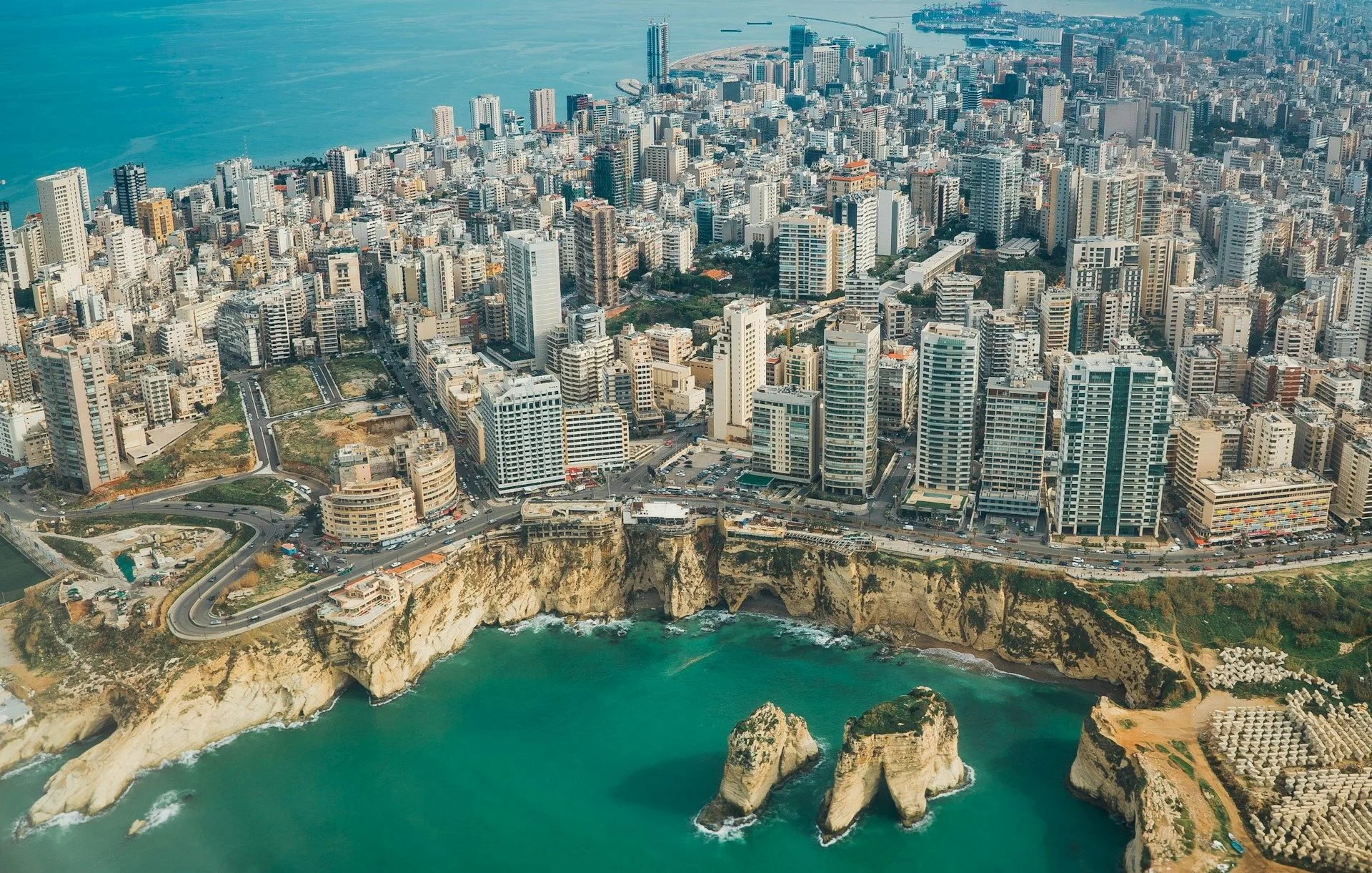
Beirut, Lebanon’s capital and largest city, remains one of the most distinctive real estate markets in the Middle East. Known for its Mediterranean coastline, cosmopolitan culture, and strategic location, the city serves as Lebanon’s primary financial, cultural, and political hub. While the Lebanese property market has faced economic challenges in recent years, Beirut’s unique position continues to attract investors who understand the city’s long-term potential and resilient demand base.
Investment property in Beirut appeals to both domestic and international buyers. The local market is shaped by strong ties with the Lebanese diaspora, which maintains an active interest in owning property in the capital. This connection helps sustain demand, even during periods of domestic economic uncertainty. Furthermore, the city’s limited land availability, especially in prime coastal districts, ensures that well-located properties retain their value over the long term.
Real estate investment in Beirut benefits from the city’s role as a regional business center. The presence of international companies, NGOs, and diplomatic missions generates steady demand for quality office and residential space. In addition, Beirut’s vibrant cultural scene, nightlife, and proximity to both the mountains and the sea make it attractive to expatriates and short-term visitors alike.
Despite economic volatility, certain districts have demonstrated price stability or even modest growth. Areas such as Downtown Beirut, Achrafieh, and Verdun continue to command premium prices due to their strategic locations, modern infrastructure, and proximity to business and leisure facilities. These neighborhoods are often the focus for investors seeking both rental income and capital appreciation.
Types of investment properties
Beirut offers a diverse range of investment opportunities. In the residential sector, luxury apartments in seafront developments and high-rise towers appeal to high-net-worth individuals and expatriates. These properties often feature premium amenities such as 24-hour security, fitness centers, and underground parking, making them competitive in the rental market.
Mid-range apartments in central and eastern districts, such as Hamra and Achrafieh, cater to professionals, students, and small families. These units provide steady occupancy rates, driven by demand from both locals and foreign residents. Properties near universities and business districts are particularly sought after, offering reliable long-term rental potential.
Commercial properties, including office spaces and retail units, remain an important segment in Beirut’s property market. Prime office locations in Downtown Beirut and Clemenceau attract multinational companies, while retail spaces in high-footfall areas cater to both luxury and everyday consumer markets. Demand for flexible office solutions and co-working spaces is also growing, reflecting global trends in the workplace sector.
Tourism-related properties, including serviced apartments and boutique hotels, present opportunities for investors targeting short-term rental income. Beirut’s appeal as a cultural and leisure destination ensures consistent tourist arrivals, particularly from the Lebanese diaspora returning for holidays and business trips.
Legal framework for investors
Lebanon’s property laws are relatively open to foreign investors, with certain limits on the amount of land that can be owned. Non-Lebanese individuals and companies can purchase property, subject to registration with the Real Estate Registry and compliance with specific ownership caps based on the total area acquired. These regulations are generally straightforward, but investors should engage local legal experts to navigate the process and ensure full compliance.
The transaction process typically involves a sales agreement, due diligence to confirm clear title, payment of applicable taxes, and registration of ownership. Notary services are required to authenticate contracts, and property registration fees are generally around 6% of the purchase price, including taxes.
Lebanon’s legal framework also provides protections for property owners, including clear title registration and enforceable lease agreements. However, rental laws can favor tenants, particularly for long-term contracts, so careful structuring of leases is important to protect investor interests.
Profitability and rental yields
Rental yields in Beirut vary widely depending on location, property type, and market conditions. Prime areas such as Downtown Beirut, Verdun, and the seafront can achieve yields between 5% and 7% for luxury apartments, while mid-range units in areas like Hamra and Achrafieh typically yield between 6% and 8%. Properties in less central areas may offer higher yields but come with greater vacancy risk.
Short-term rental properties, particularly those catering to business travelers and diaspora visitors, can generate premium rates during peak seasons. The summer months, major holidays, and conference periods often see high occupancy rates in serviced apartments and well-located Airbnb-style units.
Capital appreciation potential exists, particularly for properties in areas undergoing redevelopment or infrastructure improvement. For example, waterfront regeneration projects and urban renewal initiatives in certain districts are likely to drive value growth over time. Investors considering how to invest in Beirut should balance rental income objectives with the potential for medium- to long-term capital gains.
Challenges and risk management
Investing in Beirut requires careful consideration of the country’s economic and political environment. Currency volatility and banking restrictions can impact investment liquidity and returns. Investors should work with local financial advisors to structure transactions in a way that mitigates these risks, such as holding assets in foreign currency or through offshore entities where permissible.
Property maintenance and management can also present challenges, particularly in older buildings where infrastructure may need upgrading. Engaging a reliable property management company ensures that properties remain competitive in the rental market and maintain their value over time.
Another consideration is market segmentation. While prime districts offer stability, emerging areas may present higher returns but carry greater uncertainty. Diversifying across property types and locations within Beirut can help spread risk and capture multiple income streams.
Political and regulatory changes can influence the property market, so staying informed about local developments is essential. Partnering with experienced local agents and legal professionals is a key strategy for navigating these challenges effectively.
How VelesClub Int. supports investors
VelesClub Int. provides tailored support for investors exploring the Beirut property market. We offer comprehensive market research to identify the most promising investment property in Beirut based on location, yield potential, and long-term growth prospects. Our team assists with legal due diligence, ensuring that property titles are clear and transactions comply with Lebanese regulations.
For clients seeking rental yields in Beirut, we provide property management services that include tenant acquisition, lease negotiation, rent collection, and maintenance coordination. These services are designed to maximize income while minimizing operational complexity for the investor.
We also connect clients with redevelopment and renovation opportunities, enabling them to add value to their investments and enhance returns. Our network of local contractors, architects, and designers ensures that projects are completed to international standards.
Whether your goal is to understand how to invest in Beirut for steady rental income, capital appreciation, or a mix of both, VelesClub Int. offers the expertise and resources to help you succeed. Our approach combines deep local knowledge with a global investment perspective, ensuring that your assets are positioned for resilience and growth in this unique Mediterranean market.