
Investment Real Estate in PakseGateway city homes near Bolaven Plateau routes
Best offers
in Pakse
Benefits of investment in
Laos real estate


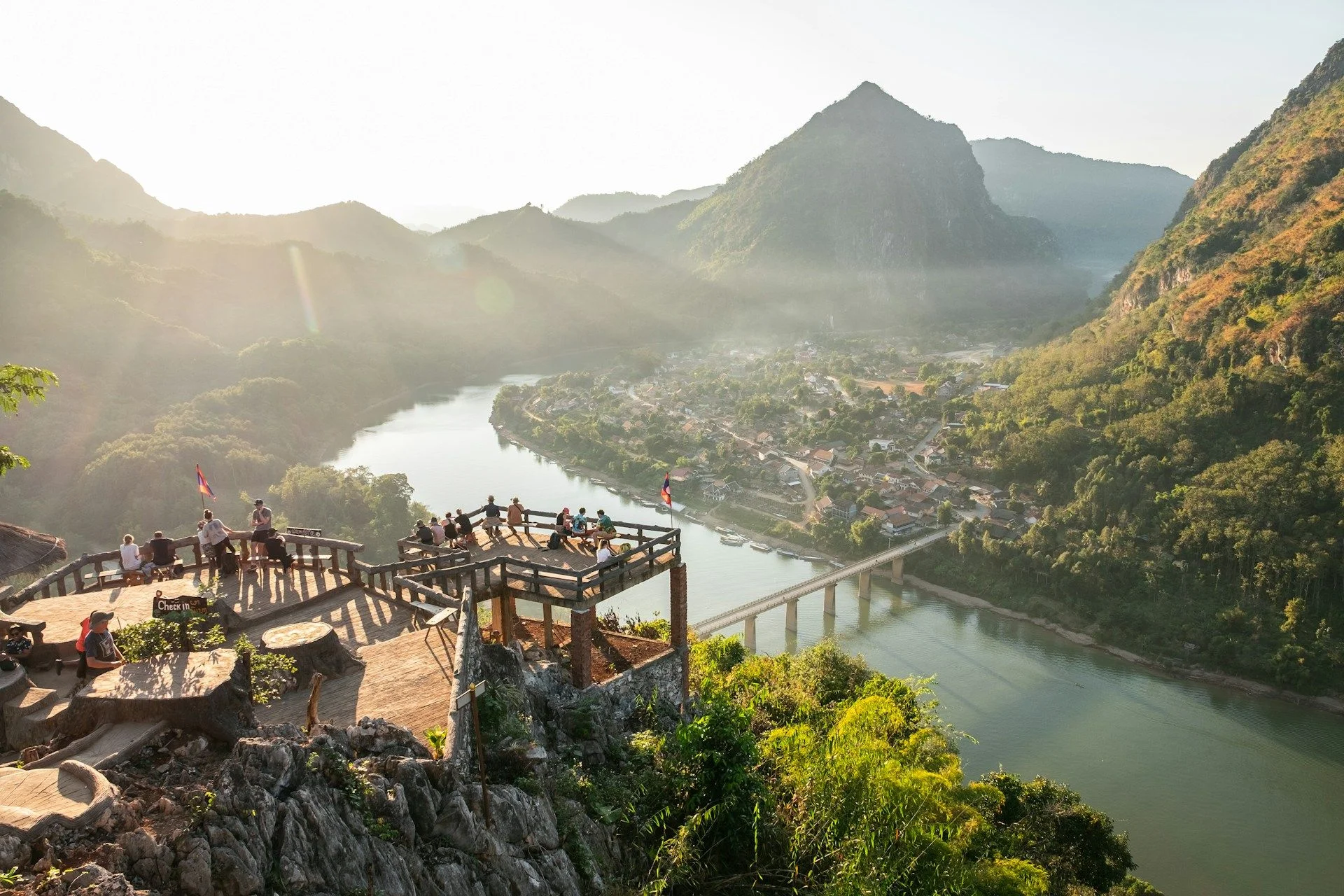
Peaceful living near rivers, temples, and nature
Laos offers affordable homes and guesthouse potential in serene settings like Luang Prabang and Vang Vieng.
Leasehold structure allows foreign home use
Foreigners can’t own land but can secure long-term leases, particularly in tourism zones and urban areas.
Low living costs and quiet pace of life
With gentle climate, friendly locals, and low pricing, Laos appeals to retirees and remote workers alike.
Peaceful living near rivers, temples, and nature
Laos offers affordable homes and guesthouse potential in serene settings like Luang Prabang and Vang Vieng.
Leasehold structure allows foreign home use
Foreigners can’t own land but can secure long-term leases, particularly in tourism zones and urban areas.
Low living costs and quiet pace of life
With gentle climate, friendly locals, and low pricing, Laos appeals to retirees and remote workers alike.








Useful articles
and recommendations from experts
Real Estate in Pakse: Market Insights and Investment Guide
Strategic Gateway to Southern Laos Real Estate
Pakse, the capital of Champasak Province in southern Laos, is emerging as a promising destination for real estate investment. As the largest city in the region and a key entry point to the Bolaven Plateau and the Mekong River corridor, Pakse is positioned to benefit from regional infrastructure developments, tourism growth, and cross-border trade with Thailand and Cambodia. The city’s affordability, expanding road networks, and role in regional logistics make it an increasingly attractive location for investors and developers looking beyond Laos’ capital, Vientiane.
Types of Land and Permitted Real Estate Uses
Pakse offers various land types suitable for different investment strategies. Residential land is available for single-family homes, small gated communities, and low-rise apartment projects. Commercial land is concentrated along major roads like Route 13 and near the airport, ideal for logistics hubs, warehouses, retail centers, or hotels. Agricultural land, particularly near the Bolaven Plateau, is attractive for coffee plantations, agro-tourism projects, and eco-villages.
Foreigners cannot own land in Laos outright, but can enter long-term leaseholds of up to 99 years, subject to negotiation and government approval. Zoning regulations are relatively undeveloped in rural areas, but urban Pakse is governed by provincial urban planning guidelines that dictate permitted construction types and building heights. Land intended for foreign-invested projects must be pre-approved by the provincial Department of Planning and Investment.
Ownership Formats and Legal Framework
Foreigners typically access property in Pakse through long-term leases, joint ventures with Lao nationals, or via establishing a local company under the Investment Promotion Law. Leasehold agreements must be registered with the provincial Land Management Authority, and any structures built must comply with construction permits.
Laos’ legal framework is improving, though land title registration remains slow. The government is gradually converting “Temporary Use Certificates” into full land titles (Chanote), which offer greater security for investors. Foreign developers seeking to build housing, resorts, or mixed-use complexes must obtain Investment Approval Certificates (IAC) and construction permits, as well as environmental and feasibility assessments.
Land transfers require notarized contracts, tax declarations, and consent from local authorities. Due diligence, including land history and ownership validation, is essential due to occasional disputes and overlapping claims.
Property Prices, Growth Trends, and Liquidity
Pakse remains significantly more affordable than Vientiane. As of 2025, residential land plots in the city outskirts range from $25 to $50 per square meter, while prime commercial plots near the airport or downtown can reach $80 to $120 per square meter. Agricultural land near Bolaven Plateau averages $2,000–$5,000 per hectare.
The real estate market in Pakse is less liquid than in Laos’ larger cities, but this is offset by lower entry costs and growing interest from regional investors. Market growth is driven by cross-border infrastructure, tourism (particularly around Wat Phou and the 4000 Islands), and improving logistics. Chinese and Thai investors are increasingly exploring Pakse as a hub for trade and tourism, indicating medium-term capital appreciation potential.
Investment Scenarios in Pakse
1. Boutique Riverfront Hotel: Investors can lease riverfront land and develop eco-lodges or boutique hotels targeting Mekong River tourism. The area sees growing traffic from cruise tours and travelers visiting the ancient Wat Phou temple.
2. Coffee Plantation and Agro-Tourism: Leasing agricultural land on the Bolaven Plateau enables investment in high-quality coffee farming combined with tourism experiences, including farm stays and tastings — a model proven successful with niche investors in Vietnam and Colombia.
3. Warehouse and Logistics Hub: Pakse’s location near Route 13 and the international bridge to Thailand supports development of small logistics parks or bonded warehouses, serving cross-border trade. Low land costs and improving transport infrastructure make this feasible for regional firms expanding operations.
4. Mid-Income Housing Compound: Developers can lease suburban plots to build gated communities with 10–20 units targeting civil servants and middle-income workers. Rental yields in this segment can reach 6–8% annually, particularly with proximity to schools and hospitals.
Promising Locations and Infrastructure Developments
Downtown Pakse: The commercial and administrative heart of the city, with growing demand for office space, hotels, and mixed-use buildings. Limited supply of quality real estate creates opportunities for high-yield renovations and developments.
Airport Zone (Pakse International Airport): The surrounding area is poised for growth due to increased flight connections, particularly with Bangkok and regional Lao cities. Hospitality and storage developments here are expected to benefit from tourism and trade growth.
Bolaven Plateau Corridor: Famous for its cool climate and coffee farms, this region near Pakse attracts both tourists and agribusinesses. Infrastructure is improving with rural road upgrades, making it suitable for nature-based tourism or eco-residences.
Southern Ring Road and Route 16: The southern corridor is seeing investments in logistics infrastructure, warehouses, and trade zones. Real estate developments aligned with cross-border trade and services will benefit from rising cargo volumes.
Tourism and Hospitality Opportunities in Pakse
Pakse serves as a tourism gateway to southern Laos, attracting visitors en route to the Bolaven Plateau, Wat Phou UNESCO World Heritage Site, and the 4000 Islands region. This steady tourist flow creates a favorable environment for investment in mid-range hotels, guesthouses, tour services, and riverside cafes. Domestic tourism is also growing, supported by improved infrastructure and local government initiatives aimed at promoting cultural heritage and sustainable tourism development. Investors who tap into experiential travel and eco-friendly lodging will likely benefit from long-term growth trends in the Lao tourism economy.
Local Demand and Urbanization Trends
Beyond foreign and tourist-driven demand, Pakse is experiencing modest but steady population growth and urban expansion. Local professionals, civil servants, and returning diaspora are seeking better-quality housing, particularly in areas with paved access, electricity, and proximity to schools and hospitals. Developers targeting this segment with affordable but well-planned housing compounds can expect consistent occupancy and moderate returns. In addition, retail plazas, local supermarkets, and healthcare clinics are in demand in peripheral zones where urban infrastructure is catching up with demographic shifts.
Key Takeaways for Real Estate Investors
- Land prices in Pakse are low compared to Southeast Asian counterparts, offering early-mover advantages.
- Long-term leaseholds and joint ventures are the main legal paths for foreign investors.
- Target sectors include tourism, logistics, agriculture, and affordable housing.
- Due diligence and professional legal advice are critical for navigating land ownership complexities.
- Infrastructure improvements are rapidly increasing Pakse’s connectivity and investment appeal.
SEO Keywords (Embedded)
buy land in Laos, real estate in Pakse, land plots for investment, Pakse property prices, land ownership by foreigners, building land in Laos, residential land for sale, commercial land development, agricultural land in Laos, invest in Laos real estate