
Best offers
in El Alto
Benefits of investment in
Bolivia real estate


Urban momentum in Santa Cruz and La Paz
These fast-growing cities combine rising local demand with some of the lowest entry prices in Latin America — ideal for residential buyers and small developers.
Open access and full ownership for foreigners
Bolivia offers one of the most accessible legal frameworks in the region: no restrictions, low bureaucracy, and clear property rights for international investors.
Nature-backed opportunities outside the spotlight
From the shores of Lake Titicaca to fertile valleys and scenic highlands, undeveloped lands offer space for eco-living, tourism, or long-view land banking.
Urban momentum in Santa Cruz and La Paz
These fast-growing cities combine rising local demand with some of the lowest entry prices in Latin America — ideal for residential buyers and small developers.
Open access and full ownership for foreigners
Bolivia offers one of the most accessible legal frameworks in the region: no restrictions, low bureaucracy, and clear property rights for international investors.
Nature-backed opportunities outside the spotlight
From the shores of Lake Titicaca to fertile valleys and scenic highlands, undeveloped lands offer space for eco-living, tourism, or long-view land banking.









Useful articles
and recommendations from experts
Real Estate in El Alto, Bolivia
Why Invest in Property in El Alto
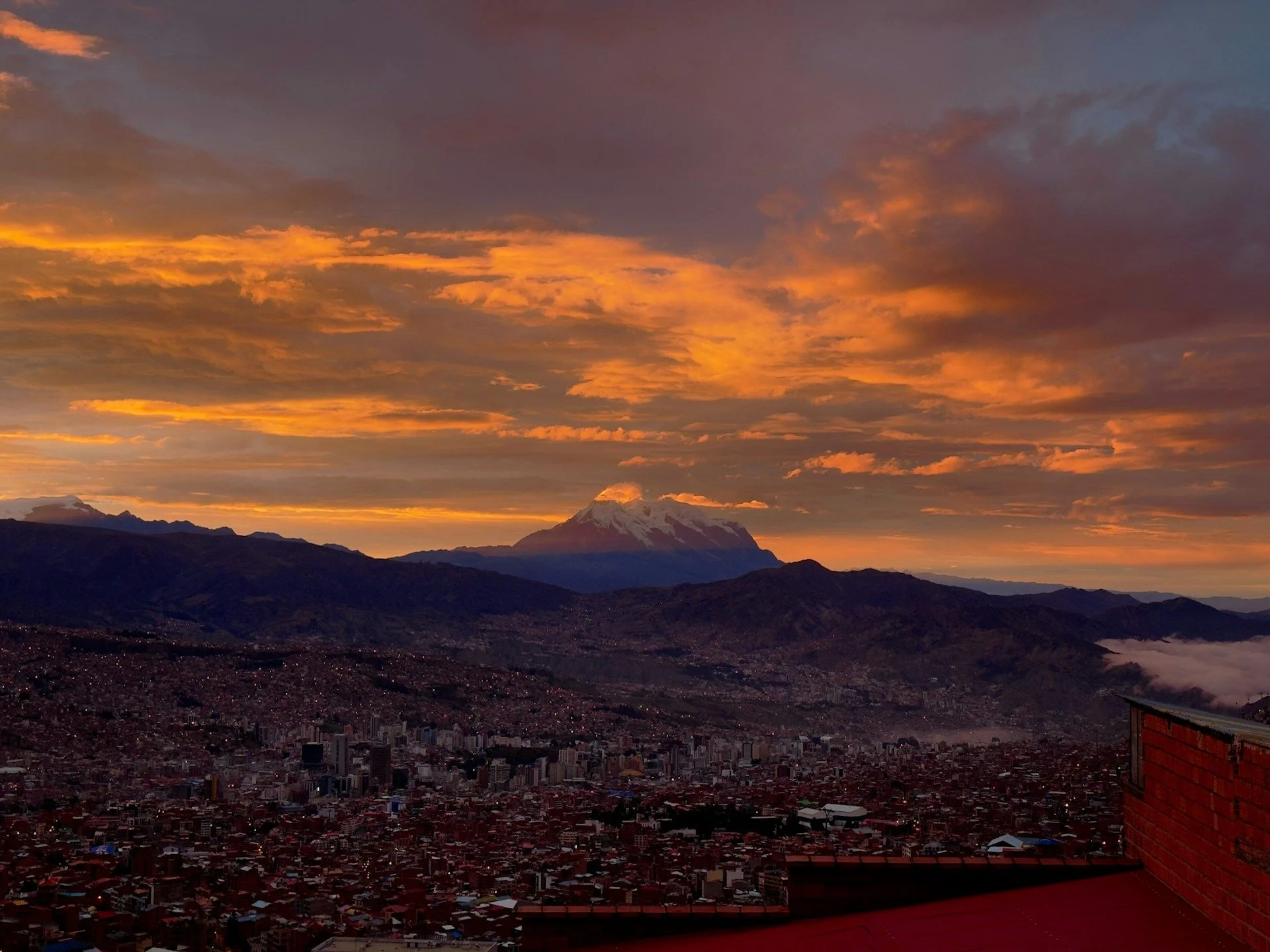
El Alto, located adjacent to Bolivia’s administrative capital La Paz, is one of the highest-altitude urban centers in the world and one of the country’s fastest-growing cities. It has evolved from a working-class suburb into a vibrant commercial and industrial hub with a population exceeding one million. For real estate investors, El Alto presents an opportunity to access affordable property prices, expanding infrastructure, and a strong base of small businesses, logistics, and internal migration.
Types of Real Estate in El Alto
Real estate options in El Alto are driven by urban demand and local business growth:
- Mixed-use buildings (cholets) — Iconic colorful structures with commercial space on lower floors and residential units above.
- Suburban homes and apartments — In newer districts such as Distrito 4 and Distrito 8.
- Commercial properties — Including shops, warehouses, and markets in zones like 12 de Octubre and Ceja.
- Industrial land plots — Ideal for logistics, workshops, and small-scale manufacturing.
- Informal housing investments — Though common, these require careful legal checks due to documentation challenges.
Legal Ownership Rules for Foreigners
El Alto, like the rest of Bolivia, allows foreign nationals to own real estate with near-equal rights as locals:
- Full private property rights for foreigners, including resale and rental rights.
- Restrictions apply only within 50 km of international borders (El Alto is exempt).
- Registration with Derechos Reales (Office of Property Rights) is mandatory to establish legal title.
- Buyers must ensure the property is free from liens, unpaid taxes, or pending disputes.
Property Prices and Investment Trends
El Alto offers some of the most competitive property prices among major South American cities:
- 1-bedroom apartment (central district): $30,000 – $50,000
- Cholet-style 3–4 floor building: $100,000 – $250,000 depending on location and finish
- Suburban house in Distrito 8: $40,000 – $80,000
- Commercial unit near Ceja: $60,000 – $150,000
- Warehouse land plot (Zona Franca): $15 – $40 per m²
Rental Market and Yields
El Alto’s rental demand is largely domestic, supported by:
- Small businesses and shop owners — Renting ground-floor commercial units.
- Working-class families — Seeking affordable apartments or rooms in multi-family houses.
- Migrants from rural areas — Settling in outskirts or newly urbanized districts.
- 1-bedroom apartment: $150 – $250/month
- Cholet with commercial space: $500 – $1,500/month (combined floors)
- Retail shop (Ceja or Avenida Juan Pablo II): $400 – $1,000/month
- Warehouse unit: $600 – $1,200/month
Top Areas to Invest in El Alto
Notable neighborhoods and zones include:
- Ceja de El Alto — The commercial heart of the city, with high pedestrian traffic and public transport access.
- Distrito 3 and Distrito 4 — Residential districts with new housing developments and infrastructure.
- Zona 12 de Octubre — A traditional market zone with strong demand for retail rentals.
- Distrito 8 and Viacha Road — Emerging suburbs with warehouse space and cheaper land prices.
- Zona Franca (Free Trade Zone) — Ideal for logistics and commercial investments tied to Bolivia’s import-export economy.
Property Purchase Process in El Alto
Steps for buying real estate include:
- Selecting the property — Using local agents or direct sellers, often negotiated in person.
- Verifying property documents — Including the folio real, cadastral registration, and property tax receipts.
- Signing the purchase agreement (minuta de compra-venta) with a lawyer or notary present.
- Registering with Derechos Reales — To obtain legal title and full ownership rights.
- Notary and legal fees: 2% – 4%
- Property transfer tax: ~3%
- Municipal registration and stamps: $300 – $700 depending on value
Taxes and Financial Considerations
El Alto follows Bolivia’s national tax structure:
- Annual property tax — Typically 0.5% – 1% of cadastral value
- Capital gains tax — Minimal and often unreported unless sale is formalized with profit disclosure
- Rental income tax — 13%, though deductions apply for maintenance and depreciation
Who Should Invest in El Alto
El Alto is attractive for:
- Commercial and retail investors — Targeting market zones and cholet buildings with mixed income potential.
- Developers and local entrepreneurs — Building rental homes or workshop spaces in emerging districts.
- Land investors — Speculating on appreciation from planned infrastructure or population growth.
- Long-term portfolio holders — Seeking passive income from affordable, high-yielding properties in Bolivia’s most populous city.
Conclusion
El Alto presents a distinct opportunity in Bolivia’s real estate landscape — combining affordability, strong local demand, and cultural vibrancy. For investors seeking entry into a fast-growing urban market with limited international competition, El Alto offers compelling real estate potential across commercial, residential, and mixed-use sectors. With proper legal guidance and strategic property selection, the city offers solid returns and long-term security in one of South America’s most unique highland environments.