
Aruba Investment Property ListingsCaribbean condos with Dutch lawand calm seas
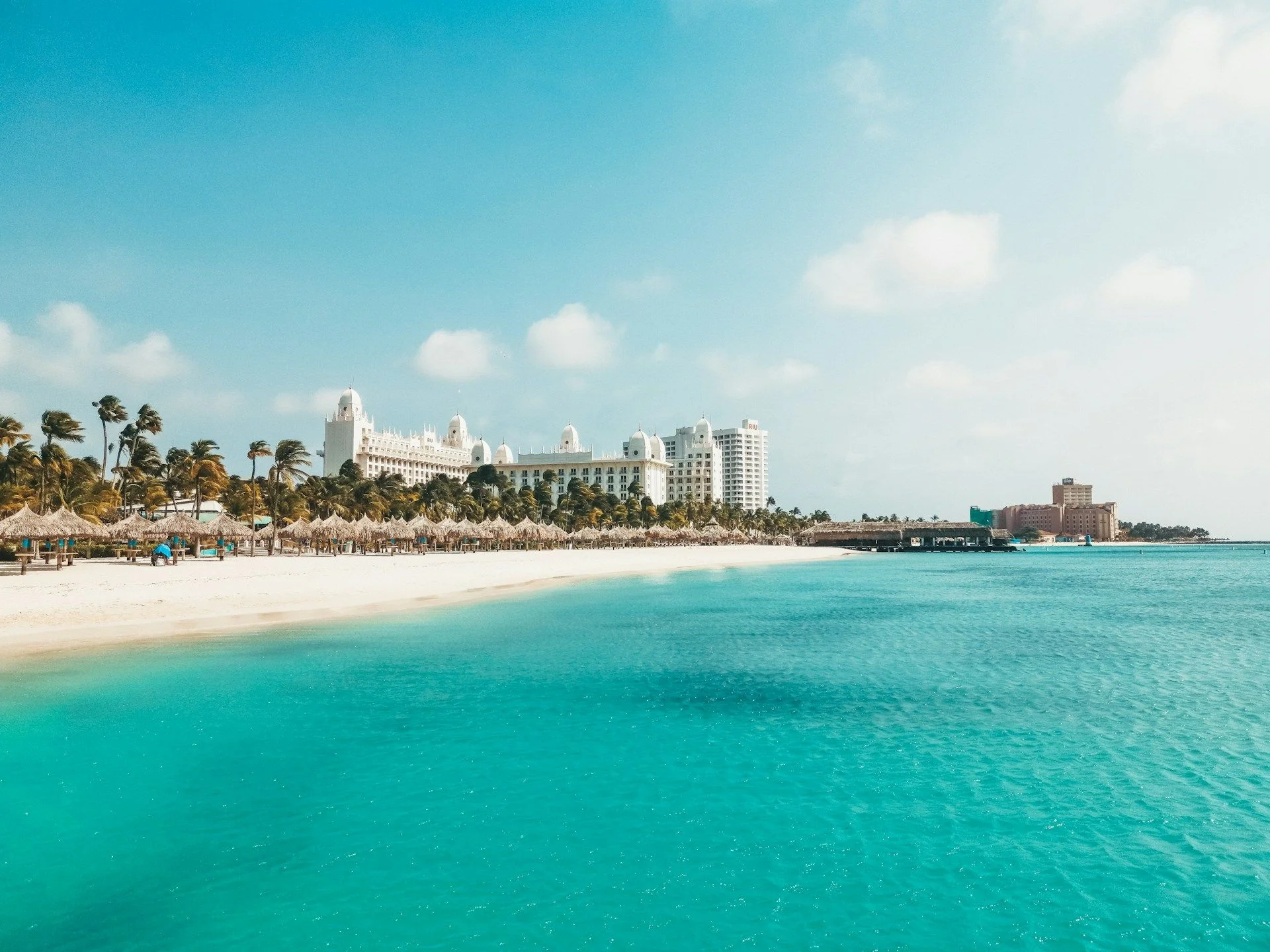
Best offers
in Aruba
Popular
cities and regions in Aruba
Benefits of investment in
Aruba real estate


Freehold property in a Dutch Caribbean setting
Aruba allows foreign buyers to own property outright, under Dutch legal stability, in a year-round beach climate.
Developed infrastructure with easy daily life
Good roads, healthcare, and English fluency make Aruba one of the most livable islands for long-term foreign residents.
Tourism-driven rental market with global reach
Rental demand from U.S., Europe, and Latin America supports short-term income for those buying vacation homes.
Freehold property in a Dutch Caribbean setting
Aruba allows foreign buyers to own property outright, under Dutch legal stability, in a year-round beach climate.
Developed infrastructure with easy daily life
Good roads, healthcare, and English fluency make Aruba one of the most livable islands for long-term foreign residents.
Tourism-driven rental market with global reach
Rental demand from U.S., Europe, and Latin America supports short-term income for those buying vacation homes.








Useful articles
and recommendations from experts
Real Estate Investment in Aruba: Caribbean Ownership with Dutch Stability
Overview: A High-Demand Island with International Appeal
Aruba, a constituent country of the Kingdom of the Netherlands, is one of the Caribbean’s most sought-after destinations for real estate investment. Known for its white sand beaches, safety, Dutch-based legal system, and consistent tourism, Aruba offers a unique blend of lifestyle and financial security. Its real estate market is mature, transparent, and open to foreign ownership, with strong demand from American, Canadian, and European buyers.
Types of Property and Investment Options
Aruba’s property market offers a wide variety of opportunities across different segments:
- Condos and apartments: Popular in Oranjestad, Eagle Beach, and Palm Beach areas; ideal for vacation rental investment
- Private villas: High-end homes with pools, ocean views, and luxury finishes in Malmok, Tierra del Sol, and Noord
- Townhouses and gated communities: Increasingly popular for families and retirees seeking quiet neighborhoods
- Land plots: Available for development, particularly outside tourist zones; zoning restrictions apply
- Commercial property: Small-scale retail and hospitality properties in tourist corridors and Oranjestad center
The market is largely resale-based, with some new development in luxury condo projects and gated communities.
Legal Framework and Foreign Ownership
Aruba has a highly structured legal system modeled on Dutch civil law. Property transactions are safe and regulated:
- Full foreign ownership: Non-residents may purchase real estate under the same rules as Aruban nationals
- Freehold (property land): Gives full ownership of land and buildings, with long-term value
- Long-lease land (erfpacht): Common for coastal and government-controlled land; leases typically run for 60 years and are renewable
- Title registration: Managed through the Aruba Land Registry (Kadaster), overseen by a notary (notaris)
Transactions are conducted through licensed notaries who handle due diligence, contracts, and land registration. Foreigners do not need a local bank account, although most payments are processed through escrow in Aruba.
Property Prices and Market Dynamics
Aruba’s real estate prices vary by location, view, and proximity to beaches and amenities:
- Condos near Eagle or Palm Beach: USD 300,000–700,000 for 1–2 bedroom units; penthouses exceed USD 1 million
- Luxury villas in Noord or Malmok: USD 800,000–3 million depending on size and views
- Homes in local neighborhoods: USD 200,000–400,000 for standard family homes in Santa Cruz, Paradera
- Land plots: USD 60–250 per m² depending on zoning, infrastructure, and distance from coast
The market is stable with consistent value retention. Tourism growth and limited buildable coastal land drive price increases in prime zones. During high season, demand for rental-friendly units far exceeds supply.
Taxes and Transaction Costs
Real estate transactions in Aruba include the following taxes and costs:
- Transfer tax: 3% for properties under AWG 250,000 (~USD 140,000); 6% above that threshold
- Notary fees: Usually 1.5%–2% of the purchase price
- Registration fee: Modest fixed fees depending on property size and value
Ongoing costs:
- Annual property tax: Ranges from 0.2%–0.6% of the property value, depending on residential or commercial classification
- Rental income tax: Foreigners renting out property may be subject to Aruba income tax (progressive up to 59%), but corporate structuring or tax treaties may reduce liability
- No capital gains tax: On private resale of real estate
Utilities, HOA fees (in condos), and maintenance are also part of ownership costs, particularly for sea-facing properties.
Rental Yields and Income Scenarios
Rental yields in Aruba are solid, especially in tourist zones with short-term lettings:
- Condos near the beach: Gross yields of 6%–10% annually, especially with Airbnb or vacation platform rentals
- Long-term rentals in local areas: 4%–6% returns; lower turnover but also lower management overhead
- Villas in Noord or Malmok: Weekly rents from USD 2,500–7,000 during peak season, depending on amenities
Vacation rentals are a major driver of investment — especially 1–2 bedroom beachfront units near Palm Beach and Eagle Beach, which can generate 70%–80% occupancy year-round.
Investment Scenarios
- 2-bedroom condo near Palm Beach: Purchase at USD 450,000; rented for USD 250/night — ~9% annual yield
- Villa in Tierra del Sol: USD 1.5 million; rented at USD 4,000/week — 10–12 weeks peak, 5%–6% yield with owner use
- Local neighborhood home: USD 250,000; rented to local tenant at USD 1,300/month — ~6.2% yield
- Land plot development: Buy 1,000 m² for USD 180,000; build 3-unit rental project with total resale at USD 850,000
Top Locations for Investment
- Palm Beach: Heart of tourism; high-end condos, access to casinos, restaurants, and beaches
- Eagle Beach: Ranked among the world’s top beaches; quieter but still highly profitable rental zone
- Noord and Malmok: Upscale residential and villa zones; ideal for high-budget investors
- Oranjestad: Cultural and business hub; growing interest in city apartments with heritage value
- Santa Cruz / Paradera: Mid-range and local community areas; attractive for long-term rentals or resale
Risks and Considerations
Although Aruba is considered safe and investment-friendly, certain factors should be noted:
- Property management: Short-term rentals require reliable cleaning, check-in, and booking operations
- High maintenance in coastal zones: Salt air affects roofing, AC systems, and metal fixtures
- Leasehold vs. freehold: Long-lease land may have annual fees and renewal obligations; understand terms before purchasing
- Tourism dependency: Aruba’s economy is heavily reliant on tourism, which can be affected by global disruptions
- Financing: Foreign buyers may face stricter lending conditions or need to pay cash
Conclusion: High Returns in a Well-Regulated Caribbean Haven
Aruba’s real estate market offers one of the Caribbean’s most accessible and legally secure paths for foreign investors. From beachfront condos to family homes and boutique commercial spaces, the island provides attractive returns, low ownership restrictions, and enduring appeal. Whether for personal use, rental income, or long-term value storage, Aruba’s combination of beauty, legal transparency, and economic stability makes it a top-tier choice for international property investment.