
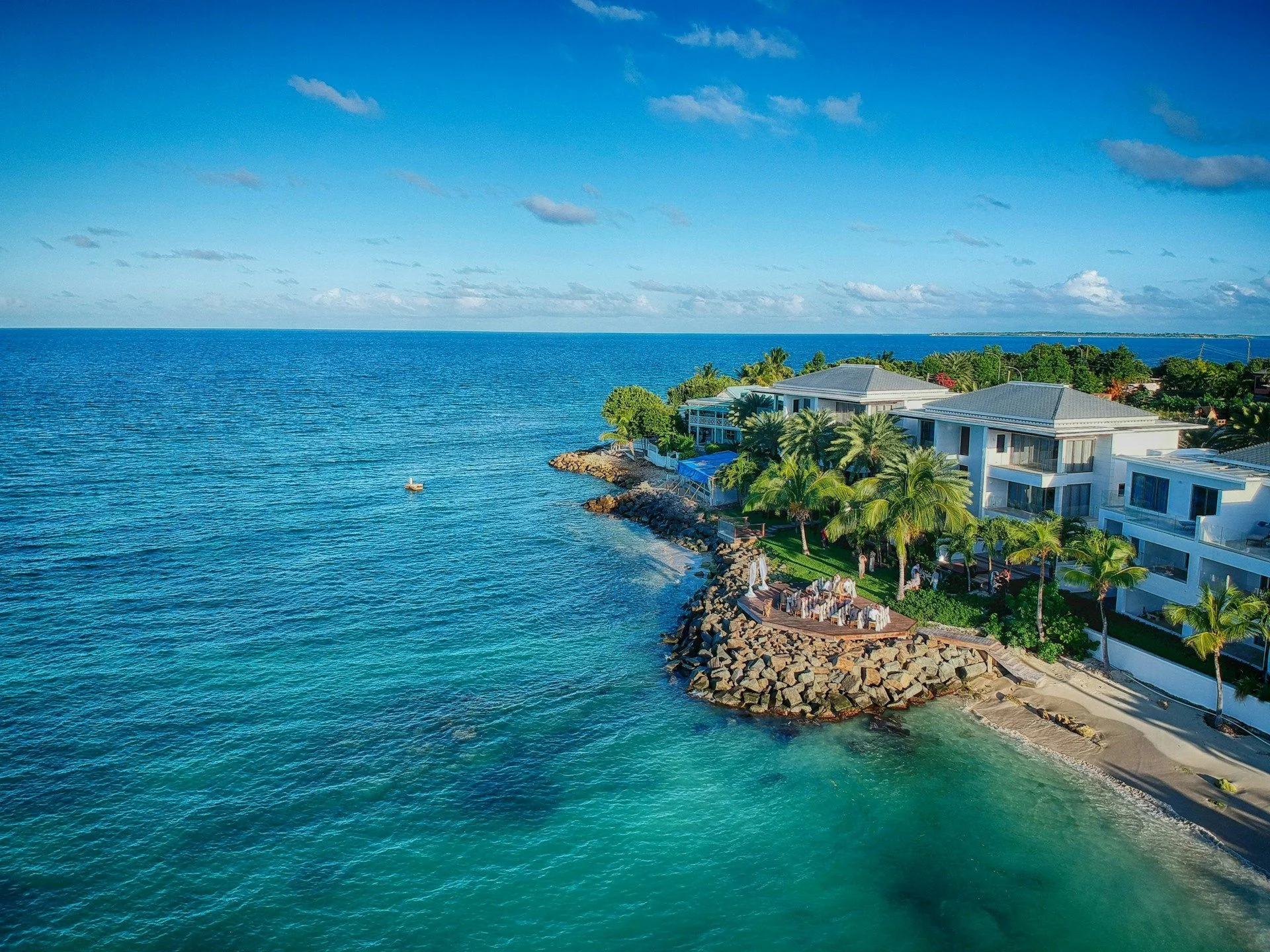
Vacation Rental Investments in St. John'sColorful houses nearbeach roads and marina life
Best offers
in St. John's
Benefits of investment in
Antigua Barbuda real estate


Property investment unlocks Caribbean citizenship
A $200,000 purchase qualifies for a second passport under the national CBI program.
Luxury villas and resort condos in demand
English Harbour and Jolly Harbour attract buyers of vacation homes and rental assets.
Tax advantages and global mobility
No capital gains or inheritance tax — plus visa-free access to 140+ countries.
Property investment unlocks Caribbean citizenship
A $200,000 purchase qualifies for a second passport under the national CBI program.
Luxury villas and resort condos in demand
English Harbour and Jolly Harbour attract buyers of vacation homes and rental assets.
Tax advantages and global mobility
No capital gains or inheritance tax — plus visa-free access to 140+ countries.









Useful articles
and recommendations from experts
Real Estate in Saint John’s, Antigua and Barbuda
Why Invest in Saint John’s
Saint John’s, the capital and commercial center of Antigua and Barbuda, offers a compelling mix of Caribbean charm, political stability, and strong investor protections. As the country's main urban hub and international port, it plays a central role in tourism, commerce, and real estate. Investors are drawn to the city not only for its scenic beauty — with turquoise beaches and colonial architecture — but also for the legal benefits of investing in an English-speaking, low-tax jurisdiction. With growing interest from expatriates, retirees, and second-home buyers, Saint John’s is a prime location for those seeking Caribbean property with long-term value.
Types of Real Estate Available
Saint John’s and its surroundings offer a variety of real estate options, catering to different investor profiles:
- Beachfront Villas: Luxury properties along the coast, often within gated communities or private resorts.
- City Center Homes: Traditional townhouses, colonial-era buildings, and modern apartments in the commercial core.
- Resort Condominiums: Fully managed units within branded resorts, offering hassle-free ownership and rental income potential.
- Development Land: Available in both central areas and suburban hillsides with sea views.
- Commercial Properties: Offices, retail shops, and hospitality businesses serving the local population and tourists.
Legal Framework and Foreign Ownership
Antigua and Barbuda offers a favorable legal system for property investment, particularly for international buyers:
- Freehold Ownership: Foreigners can acquire freehold title after obtaining a non-citizen landholding license (NCLL), typically within 3–6 months.
- Landholding License: Required for all foreign buyers, costing 5% of the property’s purchase price.
- Stamp Duty: 2.5% paid by the buyer, 7.5% by the seller (often negotiated).
- Property Tax: Annual tax ranges from 0.1% to 0.5% of market value, depending on use and location.
- Inheritance: No inheritance tax; foreign owners can freely pass property to heirs.
Real estate lawyers are essential for title verification, escrow handling, and proper registration with the Land Registry.
Prices and Market Trends
Property prices in Saint John’s vary by location, proximity to the sea, and property type. In 2024, average prices are:
| Property Type | Average Price (USD) |
|---|---|
| 1-bedroom condo (resort-managed) | $200,000 – $350,000 |
| 3-bedroom residential home (inland) | $300,000 – $450,000 |
| Luxury beachfront villa | $1,200,000 – $5,000,000+ |
| Downtown commercial space (per m²) | $1,500 – $3,000 |
| Development land (per acre) | $100,000 – $350,000 |
The luxury market is driven by international demand, while mid-market homes attract local professionals and government workers. Property appreciation averages 4–6% annually, with stronger growth near tourist zones and the harbor area.
Rental Yields and Income Opportunities
Saint John’s offers several income-producing property options:
- Long-Term Residential Rentals: Inland homes yield 5–7% annually, with steady demand from local tenants and expats.
- Tourist Rentals: Properties near Dickenson Bay and Runaway Bay can generate 8–10%+ in gross yields during peak seasons.
- Commercial Units: Offices and shops in Redcliffe Quay or Heritage Quay serve cruise tourism and earn stable returns.
- Resort Buy-Back Programs: Many branded developments offer guaranteed returns or rental sharing agreements.
Peak tourist season runs from December to April, with significant traffic from Europe, North America, and cruise passengers. Rental platforms like Airbnb are active and legally permitted with registration.
Top Investment Zones
Within and around Saint John’s, these neighborhoods and zones are most promising:
- Paradise View: Elevated lots with sea views, luxury villas, and proximity to the city center.
- Runaway Bay & Dickenson Bay: Prime beachfront areas with strong tourism infrastructure.
- Friars Hill Road: Commercial corridor with shopping centers, banks, and medical facilities.
- Marina Bay & Yacht Club Area: Popular with sailing and yachting investors looking for boutique villas or guesthouses.
- City Core (Lower Saint John’s): Colonial homes and commercial opportunities in a walkable historic area.
Infrastructure and Access
Saint John’s benefits from robust infrastructure, particularly for an island economy:
- V.C. Bird International Airport: 15 minutes from downtown, with direct flights to the U.S., Canada, UK, and other Caribbean islands.
- Seaport: One of the Caribbean’s busiest cruise terminals, supporting local commerce and tourism.
- Healthcare: Public and private hospitals serve both residents and medical tourism.
- Education: Local and international schools cater to the expat population.
- Utilities: Water, electricity, and internet services are widely available, though backups (generators, cisterns) are common in luxury homes.
Citizenship by Investment Program (CIP)
Saint John’s is central to Antigua and Barbuda’s CIP, which allows property investors to obtain second citizenship. Requirements include:
- Minimum real estate investment of $200,000 in government-approved projects.
- 5-year minimum holding period before resale.
- Government fees, due diligence costs, and application processing (additional $30,000–$50,000 per family).
The passport grants visa-free access to over 140 countries, including the UK and Schengen zone. Investors often use CIP to combine lifestyle, tax optimization, and mobility.
Risks and Considerations
While Saint John’s offers a strong real estate environment, consider the following:
- Hurricane Exposure: Building codes mitigate risk, but insurance is essential.
- Title Clarity: Always verify ownership, especially for older properties and land.
- Liquidity: Resale of high-end villas can take time; mid-market units sell faster.
- Construction Costs: Island-based materials and labor can be expensive and delayed.
Final Thoughts
Saint John’s represents a unique blend of tropical lifestyle, business accessibility, and secure investment. Whether your interest lies in a seafront villa, a CIP-approved condo, or a commercial venture tied to tourism, the capital of Antigua and Barbuda delivers with its infrastructure, legal clarity, and favorable tax structure. With growing international interest and government support for real estate-led growth, now is a strategic time to explore property opportunities in Saint John’s.