
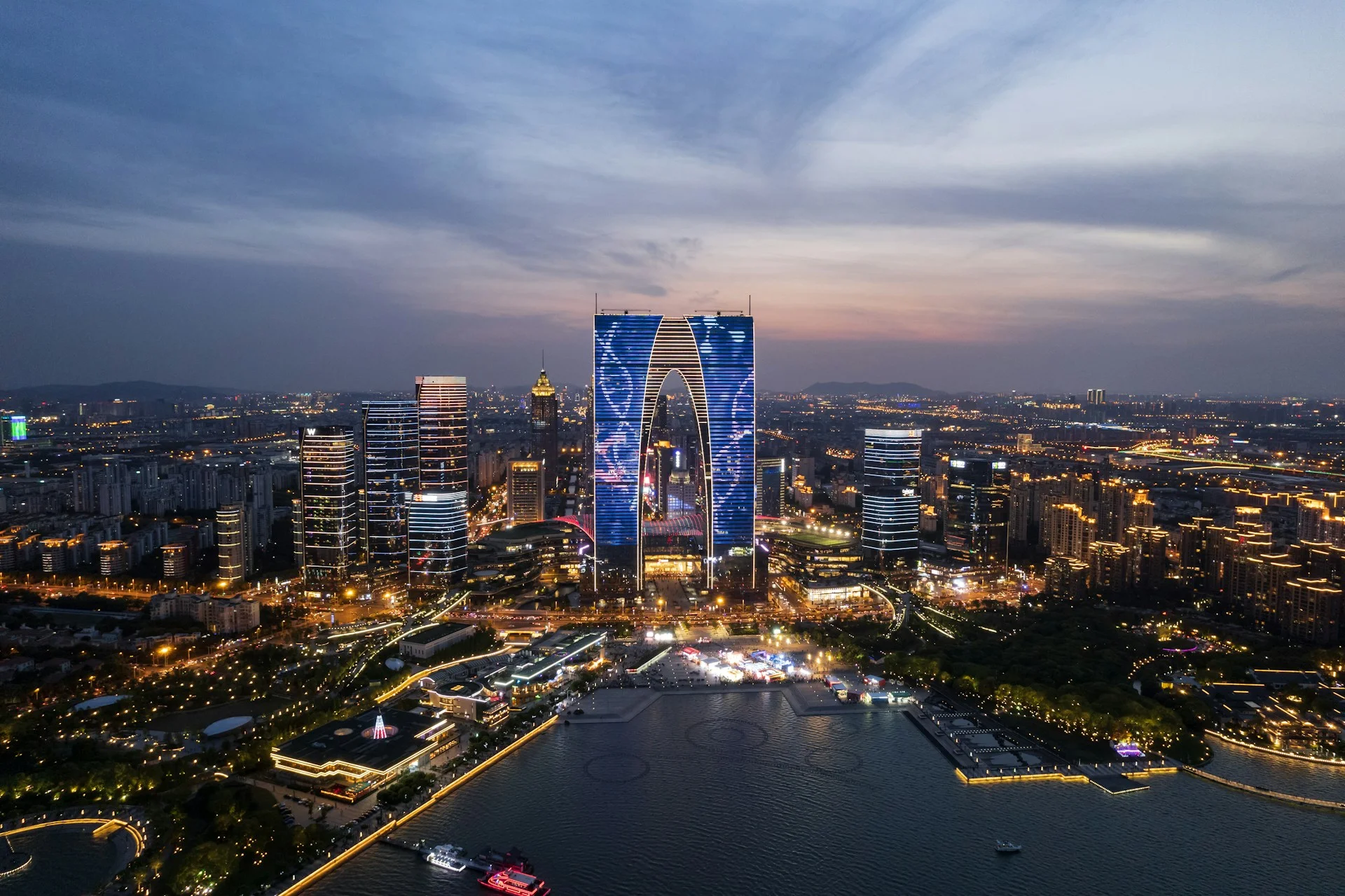
International logistics in Suzhou


File control
Suzhou shipments can stall when invoice lines, packing figures, and warehouse address fields are updated by different teams at different times We consolidate inputs into one approved shipment file so every handoff follows the same instructions
We align scope
We coordinate Suzhou moves from pickup to warehouse receipt as one scheme, matching route options with document scope before movement starts We set responsibilities and payment stages early so transfer points do not restart work
We monitor status
We keep Suzhou shipments visible with one manager and daily updates, backed by partner checks and verification options We apply tracking tools and the incident algorithm so delays, damage, or non-release stays operationally clear
File control
Suzhou shipments can stall when invoice lines, packing figures, and warehouse address fields are updated by different teams at different times We consolidate inputs into one approved shipment file so every handoff follows the same instructions
We align scope
We coordinate Suzhou moves from pickup to warehouse receipt as one scheme, matching route options with document scope before movement starts We set responsibilities and payment stages early so transfer points do not restart work
We monitor status
We keep Suzhou shipments visible with one manager and daily updates, backed by partner checks and verification options We apply tracking tools and the incident algorithm so delays, damage, or non-release stays operationally clear








Useful articles
and recommendations from experts
International logistics for Suzhou - door-to-warehouse delivery
Suzhou execution realities - why shipments pause before pickup
Planning around Suzhou often becomes sensitive when warehouse receiving windows and consignee contacts are confirmed later than the shipment data is prepared. If invoice lines, packing totals, and address fields are edited in parallel, approvals split into versions and the next handoff waits for one final file
The most common triggers are practical: invoice wording that does not match what is physically packed, packing weight and volume drifting after re-measurement, and address ambiguity that forces clarification mid-process. If customs asks for additional documents, a single end-to-end scheme prevents repeated rechecks across competing updates
Suzhou quoting in 24-48 hours - what inputs drive accuracy for Suzhou
To get quoting in 24-48 hours for Suzhou, send invoice or specification, packing list with weight and volume, pickup address, warehouse address, and a short description or catalog link that matches the goods. Clean inputs reduce follow-up cycles and make the estimate usable for approvals
The quote is issued as a stage-by-stage breakdown that includes transportation, customs clearance within the agreed scope, and selected logistics services. Responsibilities and payment stages are fixed before execution begins so the calculation does not get rebuilt after internal reviews introduce new file versions
Suzhou full-cycle scope - logistics services for Suzhou cargo delivery
Cargo delivery becomes fragile when different parties run different legs and no one owns the responsibility map at transfer points. For Suzhou moves, we coordinate supplier pickup, forwarding, optional warehousing and consolidation, and warehouse receipt as one scheme tied to one approved shipment file
The scope can include HS code classification, certification support, and contract support, plus contract payment support when release readiness depends on payment sequencing. If supplier search, full foreign trade outsourcing, or project logistics is required, it is defined upfront so execution does not expand mid-flow and force re-approvals
Suzhou workflow - step-by-step scheme for Suzhou warehouse receipt
Step 1 is intake of invoice or specification, packing data with weight and volume, pickup and warehouse addresses, and a short description or catalog link. Step 2 is clarifying missing details for cargo and direction so the plan is built from verified inputs rather than assumptions
Step 3 is the solution with route logic, timeline anchors, cost structure, and payment stages, with questions closed before movement starts. Step 4 is signing the calculation, agreement, and authorization. Step 5 is warehouse receipt on the agreed schedule with full shipment documents provided and matched to the approved file
Suzhou transport planning - modes and handoff timing for Suzhou
Mode selection should follow cargo characteristics and the stability of the approved file, because late edits create delays regardless of speed. Rail freight can be considered on directions we handle when it fits one responsibility map and the document set is stable through handoffs
Sea freight can be selected when the packing profile is locked early enough to avoid changes after approval, and air delivery can be considered when readiness is verified before pickup. Road transport should be scheduled against confirmed receiving windows and complete address fields so the final handoff does not pause at the gate
Suzhou non-standard cargo - controls for shipments connected to Suzhou
Risk rises when cargo shipping includes project, temperature-controlled, fresh, oversized, or dangerous categories, because naming, marking, packaging, and classification must match the approved file before dispatch. If a supplier proposes substitutions, update the controlled file first, then proceed under the revised scope
When stronger confirmation is needed, surveyor loading control can compare goods versus documents, provide a photo and video report, confirm loading and securing, and check quantity, marking, and packaging before departure. Partner checks can be paired with GPS seals, digital marking, EDI, and international shipment tracking when applicable
Suzhou timeline anchors - how to read ranges for Suzhou shipments
Exact timing for Suzhou is confirmed only after final addresses and cargo characteristics are validated, so the ranges below are reference anchors across directions we handle rather than promises. Use them to plan receiving windows and internal approvals, then confirm dates only when the scheme is signed and inputs are stable
Reference anchors include China-Europe by sea at 30-40 days, Europe-Asia by air freight at 2-5 days depending on address, and Europe-Africa by sea at 2-3 weeks depending on address. Additional anchors include Europe-CIS by air at 5-10 days depending on cargo characteristics, China-CIS by rail or sea at 2-3 weeks depending on cargo characteristics, and Asia-CIS by sea at 3-4 weeks depending on address, with Turkey-Russia shown only as a corridor example under the same caveats
Suzhou FAQ - international logistics into Suzhou
Question: For Suzhou, what drives the cost calculation and what usually changes it after the first estimate?
Answer: Cost depends on cargo type, weight and volume, declared value, pickup and warehouse addresses, readiness date, and required timing. If any verified input changes after clarification, the stage-by-stage breakdown is rebuilt so scope matches the updated file
Question: For Suzhou, when do timeline anchors become confirmed dates after details are known?
Answer: Dates are confirmed after final addresses and cargo characteristics are validated and the receiving window is agreed inside the signed scheme. Anchors are planning references only, and Turkey-Russia is included only as a corridor example with the same caveats
Question: For Suzhou shipments, what document work is covered for origin and destination releases?
Answer: Within the agreed scope we prepare and check documents in origin and destination, align invoice lines and packing data to the physical goods, support HS code classification and certification where applicable, and coordinate the release workflow until the file is consistent
Question: For Suzhou, how do we avoid repeat problems after a negative release experience?
Answer: Choose one path upfront - follow document instructions strictly as provided, or transfer clearance risks under an agency agreement so the team manages the full release block and responds to document requests under one controlled file until release
Question: For Suzhou, how can we verify the supplier shipped the correct goods before departure?
Answer: Use surveyor loading control to verify goods versus documents before dispatch, receive photo and video evidence, confirm loading and securing, and check quantity, marking, and packaging so mismatches are found before movement starts
Question: For Suzhou, what is the handling algorithm for delay, damage, or non-release?
Answer: For delays we communicate the reason and a new date. For damage we prepare an incident report, inform the insurer, and start compensation. For non-release we identify the basis such as inspection, document request, value verification, or payments and follow the established action plan algorithm until resolution
Suzhou start steps - what to send first for Suzhou shipments
Send invoice or specification, packing list with weight and volume, pickup and warehouse addresses, and a short cargo description or catalog link, then we return route logic, timing anchors, cost logic, and payment stages. This helps manage supply chain changes as controlled updates that keep approvals consistent
If you need door to door shipping or door to door delivery defined as the working format, we set the boundary so it still ends at warehouse receipt under one responsibility map. If you only need a straight forwarder scope for one stage, we define it before execution so it does not break the scheme. A chain supply manager can use this structure to keep one approved file and one decision stream, coordinated by VelesClub Global Concierge & UNIBROKER