
Propiedades del mercado secundario verificadas en SingapurClaridad urbana, brisa marina y eficiencia global
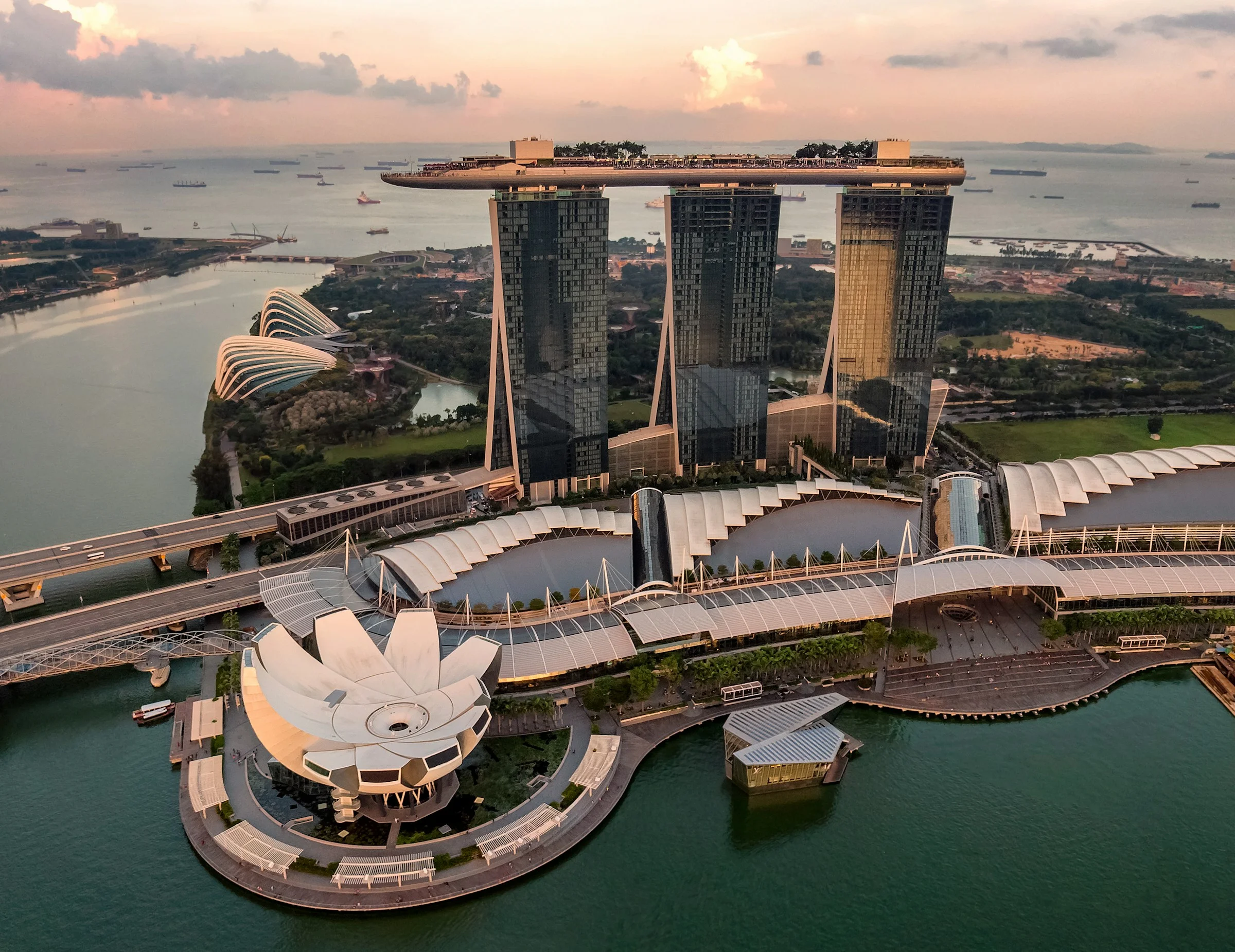
Ciudades y regiones populares en Singapur
Populares
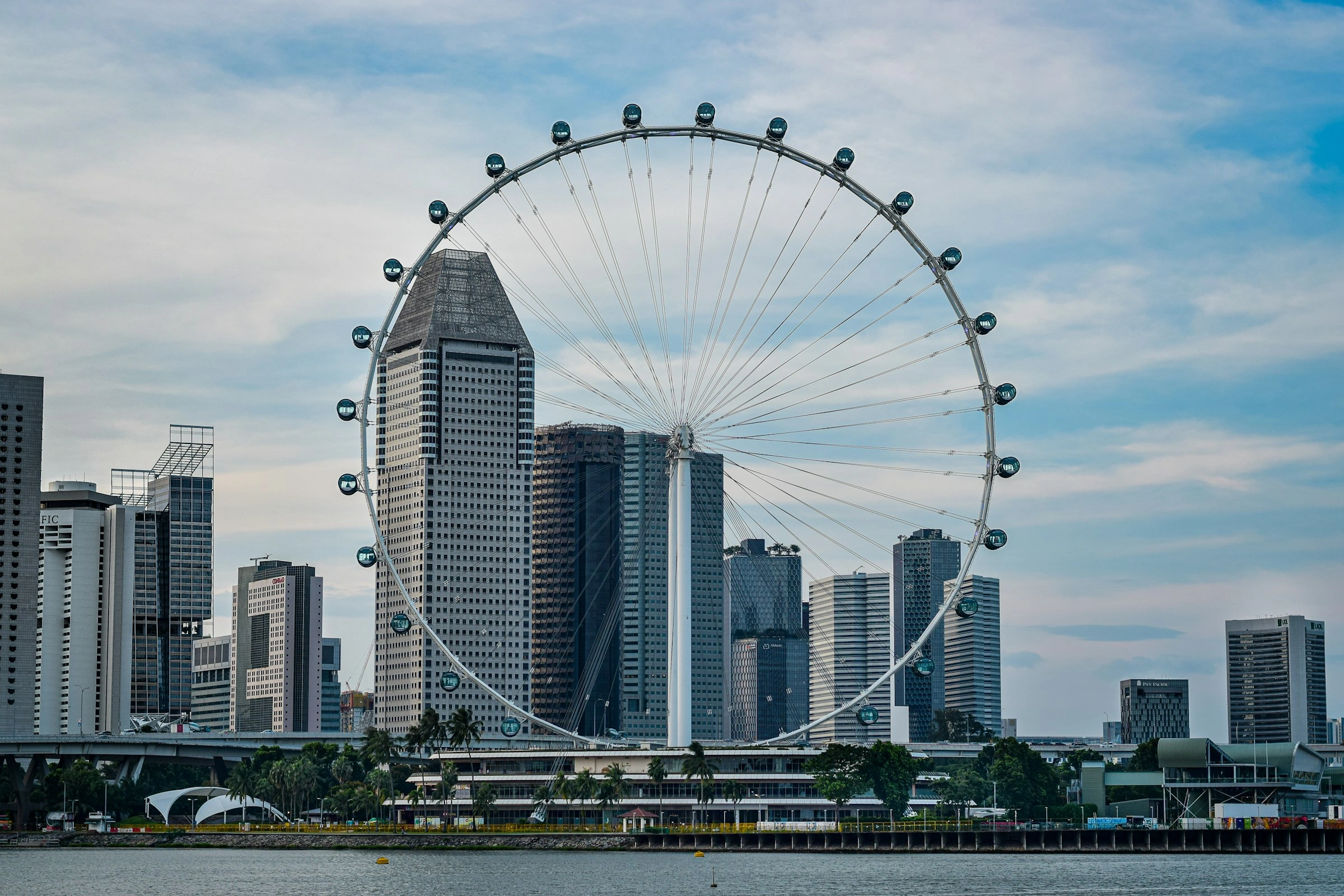

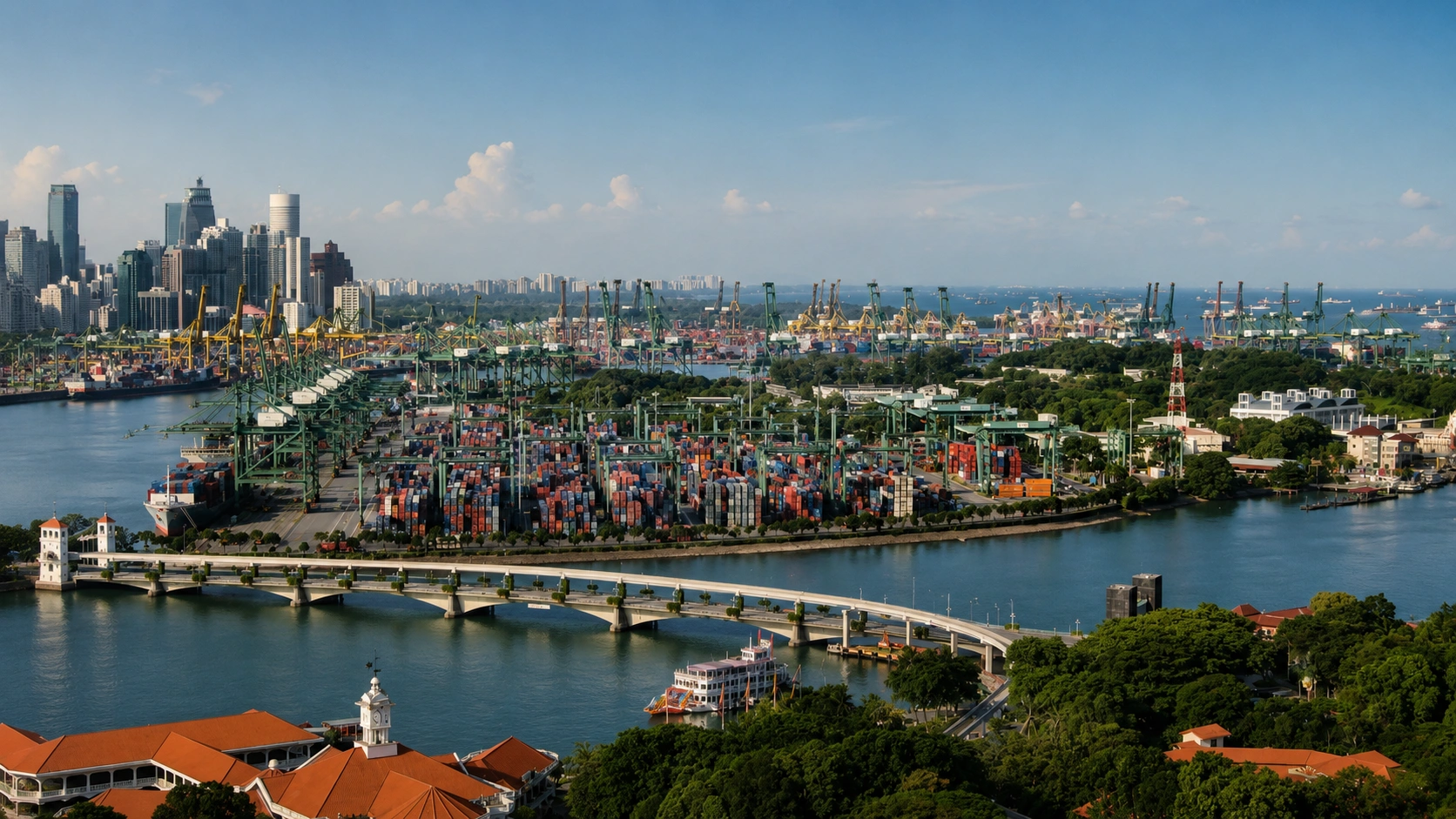
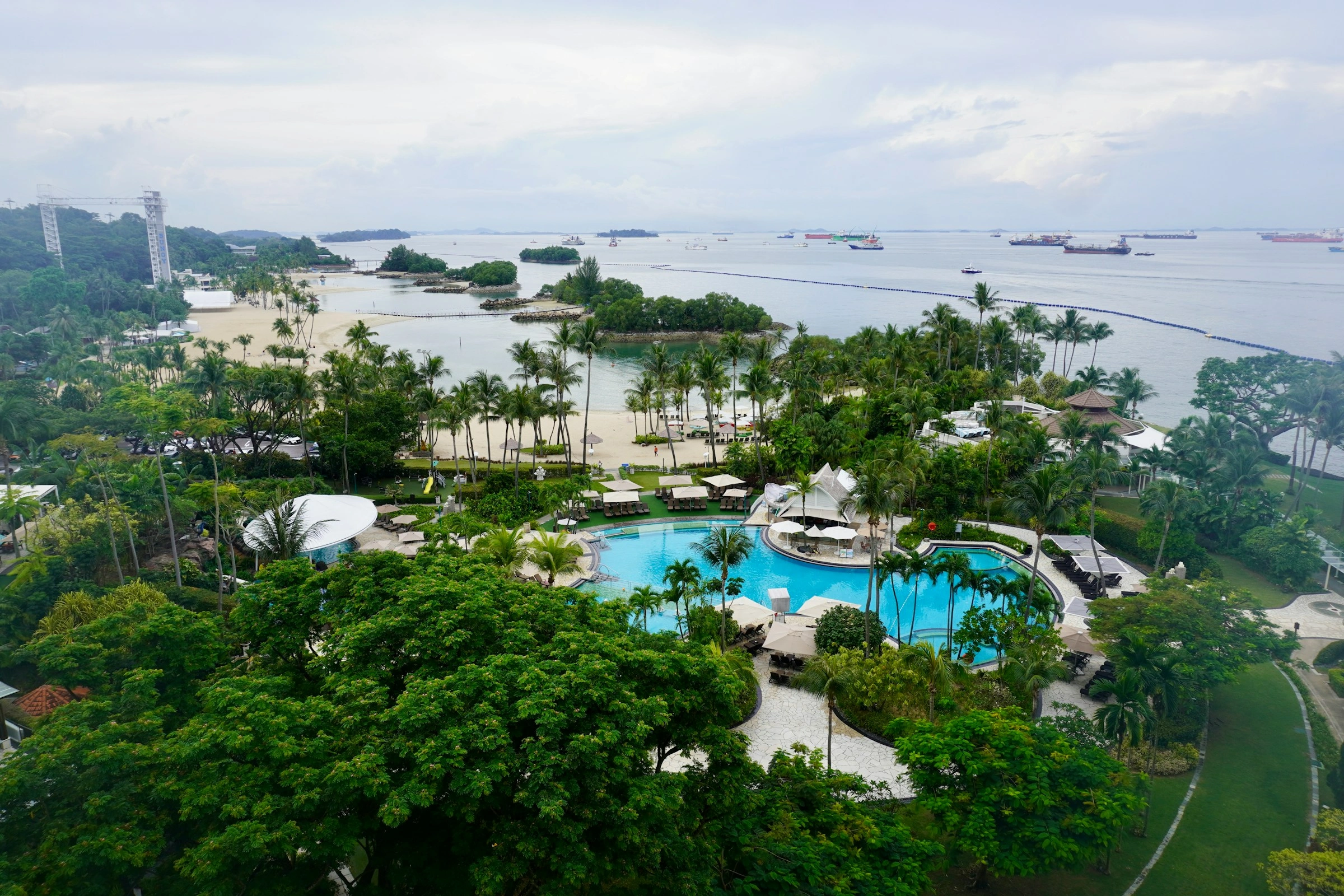
Mejores ofertas
en Singapur
Resale real estate in Singapore

Urban efficiency
Secondary homes in Singapore are designed for full-time urban living, supporting work commutes, family routines, and daily services, with proven building management and immediate integration into transport, schools, and commercial infrastructure
Deep liquidity
The secondary housing market in Singapore remains highly liquid due to demand from citizens, permanent residents, expatriates, and long-term investors, with turnover supported by stable usage demand rather than speculative cycles
Clear compliance
Transaction safety relies on strict title clarity, transparent ownership records, building management documentation, and regulatory compliance, with VelesClub Int. guiding buyers through structured checks and eligibility considerations
Urban efficiency
Secondary homes in Singapore are designed for full-time urban living, supporting work commutes, family routines, and daily services, with proven building management and immediate integration into transport, schools, and commercial infrastructure
Deep liquidity
The secondary housing market in Singapore remains highly liquid due to demand from citizens, permanent residents, expatriates, and long-term investors, with turnover supported by stable usage demand rather than speculative cycles
Clear compliance
Transaction safety relies on strict title clarity, transparent ownership records, building management documentation, and regulatory compliance, with VelesClub Int. guiding buyers through structured checks and eligibility considerations
Artículos útiles
y recomendaciones de expertos
Secondary real estate in Singapore
Why the secondary market works in Singapore
The secondary housing market in Singapore functions as the core of residential transactions rather than an alternative. Most buyers interact with resale property because it offers immediate access to established neighborhoods, functioning infrastructure, and predictable living conditions. Buyers are not purchasing concepts, they are purchasing homes that already operate within the city system.
Resale property in Singapore allows buyers to evaluate practical realities such as commute times, building management quality, noise patterns, and surrounding density. These elements are critical in a compact city where small differences in location can significantly affect daily life.
The market also benefits from long-term planning and consistent regulation. Housing stock is maintained under clear standards, and resale transactions follow defined processes. This creates trust in the system and supports ongoing buyer participation across cycles.
Another reason secondary real estate in Singapore works is usage-driven demand. Most buyers are acquiring homes to live in or to hold for long-term rental to residents. This reduces volatility and keeps pricing connected to real occupancy needs.
Finally, resale transactions provide immediate certainty. Buyers know the building condition, the surrounding environment, and the management structure before committing, which supports rational decision-making.
Who buys on the secondary market in Singapore
Local households are the primary participants in the secondary housing market in Singapore. Families upgrading or adjusting location preferences often choose resale apartments in Singapore to secure proximity to schools, workplaces, and transport nodes.
Permanent residents form another strong buyer group. They typically look for established buildings with predictable fees and reliable management, prioritizing long-term stability over novelty.
Expatriates and international professionals also participate, especially in centrally located or transit-connected areas. These buyers value move-in readiness and transparent ownership structures, often preferring resale units with clear usage history.
Investors are present, but the most resilient ones focus on properties that would appeal to long-term tenants. Liquidity in resale apartments in Singapore is strongest where homes suit everyday living rather than short-term speculation.
Property types and price logic in Singapore
Secondary real estate in Singapore includes public resale flats, private condominiums, and landed homes. Pricing logic is heavily influenced by micro-location, transport connectivity, and neighborhood maturity rather than sheer building age.
Building management quality plays a central role. Well-run developments with consistent maintenance and clear rules tend to outperform newer but poorly managed projects. Buyers should assess management records alongside physical condition.
Layout efficiency is critical. Practical room proportions, storage, and adaptability for work-from-home arrangements affect long-term usability and resale value. Cosmetic finishes rarely justify price differences without functional advantages.
Renovations should be evaluated carefully. Buyers need to distinguish between aesthetic updates and structural or system improvements. Documented upgrades to wiring, plumbing, or layout optimization carry more weight than surface finishes.
Liquidity concentrates in units that fit typical household needs. Over-customized layouts or niche formats may attract attention but often limit the future buyer pool.
Legal clarity in Singapore - what matters in a secondary purchase
Legal clarity in Singapore begins with confirming ownership and eligibility. Buyers must ensure that both the property type and buyer status align with regulatory requirements before proceeding.
Title records and ownership history are transparent, but buyers should still verify that the seller has full authority and that there are no restrictions affecting transfer. Any conditional approvals should be understood early.
For managed developments, buyers should review management corporation records, fee structures, and any planned works. Outstanding issues or disputes within the development can affect costs and resale potential.
Usage rules and occupancy regulations should be reviewed, especially for buyers considering rental use. Misalignment between intended use and building rules can create compliance risks.
VelesClub Int. helps buyers navigate these checks by structuring eligibility review, document verification, and transaction sequencing to avoid late-stage complications.
Areas and neighborhoods in Singapore - why the market is not uniform
The secondary housing market in Singapore is highly segmented despite the city’s compact size. Central districts, mature residential towns, and emerging growth areas each attract different buyer profiles.
Transport connectivity strongly influences value. Properties within established transport corridors tend to maintain stronger demand and faster resale compared to areas still reliant on future infrastructure.
Neighborhood maturity also matters. Areas with established schools, retail, and green spaces offer predictability, while newer zones may carry uncertainty around final density and service mix.
A rational segmentation approach includes central urban zones, transit-oriented residential towns, mixed-use districts, and low-density landed pockets. Comparing properties across segments requires adjustment for lifestyle and usage differences.
Secondary vs new build in Singapore - a rational comparison
Secondary real estate in Singapore offers immediate integration into the city fabric. Buyers can assess real noise levels, sunlight, neighbor density, and management performance before committing.
New builds may offer modern layouts and facilities but often involve waiting periods and uncertainty around final environment and management behavior.
Secondary purchases require careful review of building records and regulations but reduce uncertainty around usage and livability.
The choice depends on priorities. Buyers seeking certainty and immediate usability often choose resale property in Singapore, while those prioritizing customization may consider new developments.
How VelesClub Int. in Singapore helps you buy secondary property
VelesClub Int. acts as a market guide, helping buyers navigate Singapore’s secondary housing market with clarity and structure. The focus is on informed decision-making rather than transactional speed.
Buyers are guided to define non-negotiables such as location, transport access, and building type. Properties are then evaluated against these criteria using comparable logic.
VelesClub Int. structures due diligence, including eligibility checks, document review, management assessment, and handover planning. If inconsistencies arise, the process pauses until resolved.
This approach allows buyers to proceed with confidence, understanding both the asset and the regulatory framework governing the transaction.
Frequently asked questions about Singapore
Why do resale prices vary so much within the same area?
Differences usually come from transport access, building management quality, and layout efficiency. Compare not just location but also management records and unit usability before judging value.
How important is building management history?
Very important. Request information on maintenance practices, fees, and upcoming works. Poor management can increase costs and reduce resale demand even in good locations.
Should I worry about unit orientation?
Yes. Orientation affects heat, light, and noise. Visit the unit at different times if possible and assess comfort without relying solely on climate control.
What documents should I review for condominiums?
Review management corporation records, fee schedules, and any notices of major works. Unclear obligations should pause the transaction until clarified.
Is resale liquidity affected by regulations?
Regulations shape who can buy and how properties are used. Liquidity is strongest where eligibility and usage align with the largest buyer pool.
What is a common mistake buyers make?
Focusing on finishes while ignoring layout and management quality. These factors affect daily life and long-term resale more than surface appearance.
When should I pause a purchase?
If eligibility, ownership authority, or building obligations are unclear, pause immediately. These issues rarely resolve without delaying or restructuring the deal.
Conclusion - market in Singapore, now you can choose
Secondary real estate in Singapore rewards buyers who focus on functionality, regulation awareness, and long-term usability. Understanding how location, management, and compliance interact is essential.
The secondary housing market in Singapore offers depth and stability, but success depends on disciplined evaluation rather than impulse. Clear criteria and structured checks reduce risk.
With this understanding, you can review resale apartments in Singapore confidently and begin a structured conversation with VelesClub Int. to move forward correctly.