
Casas en venta por el propietario (FSBO) en HonoluluCasas FSBO verificadas con detalles claros y transparentes
Mejores ofertas
en Hawái
Real estate from owners in Honolulu


Price structure
In Honolulu, prices differ between condo corridors in Waikiki, older streets in Makiki, and high end houses in Kahala. Properties listed directly by owners with no buyer commission help buyers read these differences more clearly.
Owner overview
Direct talks with Honolulu owners bring clear stories about renovation choices, regular servicing, and long term upkeep across apartments in Ala Moana or Kakaako and houses in Manoa or Hawaii Kai, reducing uncertainty for buyers.
Area mapping
Descriptions from Honolulu owners about daily routes through Waikiki, Kakaako, Manoa, and Hawaii Kai help buyers reading sale by owner homes relate commuting lines, services, and local habits to their own long term lifestyle plans.
Price structure
In Honolulu, prices differ between condo corridors in Waikiki, older streets in Makiki, and high end houses in Kahala. Properties listed directly by owners with no buyer commission help buyers read these differences more clearly.
Owner overview
Direct talks with Honolulu owners bring clear stories about renovation choices, regular servicing, and long term upkeep across apartments in Ala Moana or Kakaako and houses in Manoa or Hawaii Kai, reducing uncertainty for buyers.
Area mapping
Descriptions from Honolulu owners about daily routes through Waikiki, Kakaako, Manoa, and Hawaii Kai help buyers reading sale by owner homes relate commuting lines, services, and local habits to their own long term lifestyle plans.








Artículos útiles
y recomendaciones de expertos
Reading owner listed real estate in Honolulu
For many people planning a move to Oahu, Honolulu is the place where work, services, and long term housing meet. Instead of looking only at general images of the city, serious buyers study how its neighborhoods function in daily life. Metropolitan corridors, hillside valleys, and coastal flats sit close together yet serve very different roles. In this section homes are offered directly by verified owners in this section, so the descriptions come from residents who have lived with these patterns for years. Buyers can use these accounts to find property that aligns with their own routines rather than relying only on short summaries.
Why Honolulu attracts buyers reviewing owner listings
People interested in Honolulu real estate often arrive with a clear purpose. Some already work in the business and government core around Downtown Honolulu and want housing that keeps daily travel predictable. Others arrive with remote work and are more flexible but still pay close attention to access to services, schools, and community areas. Because the city covers dense apartment streets, mid rise condo clusters, and quieter residential pockets, it is easy to focus on the wrong side of town if the search is based only on price headlines.
Owner published listings available for this location often include details about daily routines. Residents describe how long it takes to reach key corridors, which routes they prefer for errands, and how public transport or main roads support their schedule. Buyers reading these accounts can decide whether they want to find homes in high activity zones such as Waikiki or Kakaako, or in more residential pockets such as Manoa, Kaimuki, or Hawaii Kai. Many people use this information to narrow their search before visiting any property for sale in person.
Types of owner listed properties in Honolulu
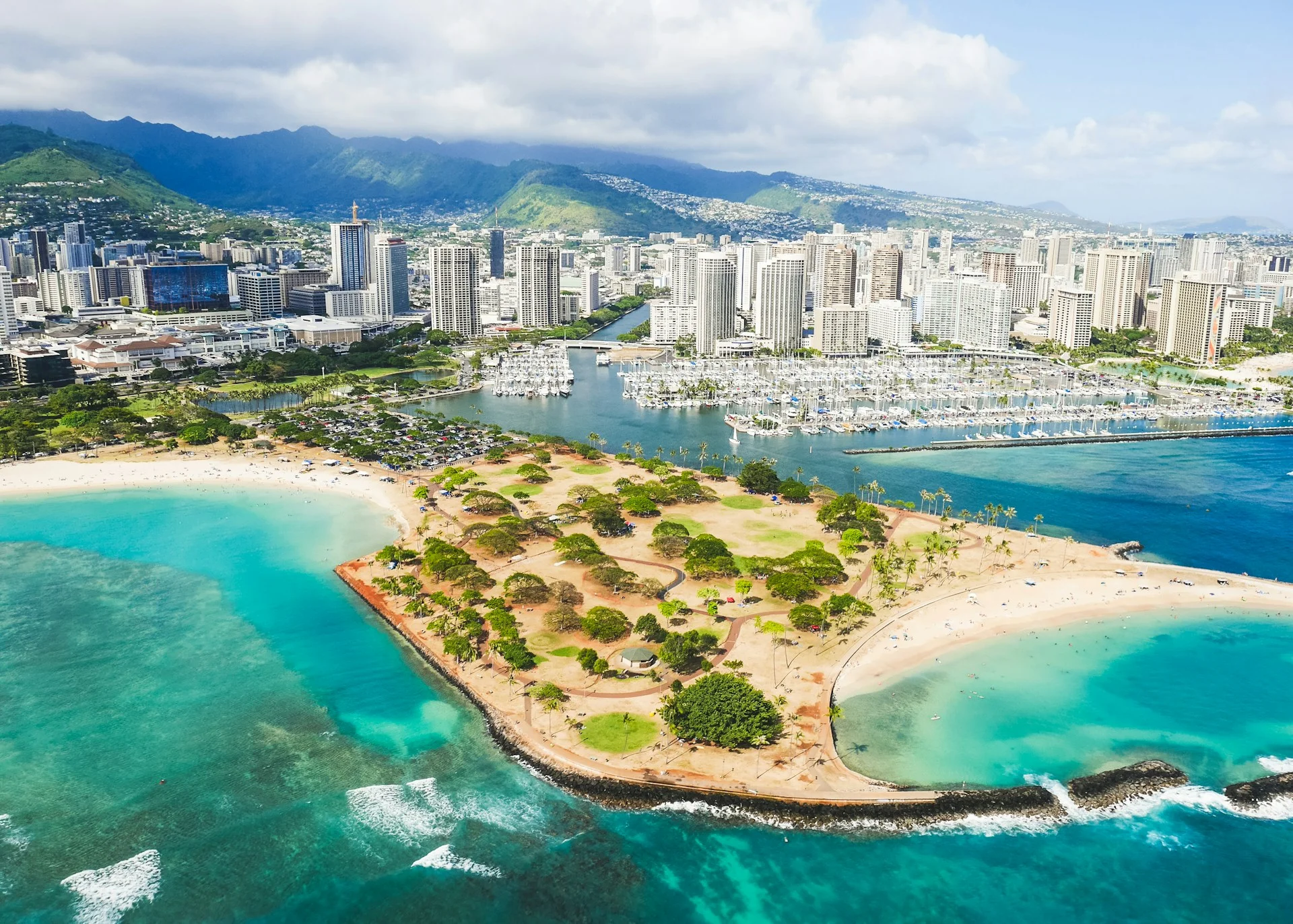
Across Honolulu the housing structure changes quickly from one neighborhood to the next. Waikiki and Ala Moana contain many apartment and condo buildings aimed at people who value compact living close to commercial corridors. Kakaako has become a zone of newer residential buildings and mixed use blocks where people live close to workplaces and services. Makiki combines older low rise apartments and small houses along side streets together with community facilities and schools, which suits residents who want central access without the busiest visitor flow.
Further from the dense core, neighborhoods such as Manoa, Kaimuki, Kahala, and Hawaii Kai lean more toward houses and low rise housing with established streets. Manoa holds many long term family homes and a strong presence of academic and cultural activity around the main university area. Kaimuki has a mix of smaller houses and walkable commercial streets that serve local residents throughout the week. Kahala is known for larger houses on flat land with strong demand from buyers seeking space and privacy. Hawaii Kai draws people who like planned residential tracts with townhomes and houses close to local centers. In all of these zones, owner listed real estate for sale ranges from long held family houses to more recently built homes that follow newer layout ideas.
How private owner listings work in Honolulu
When someone focuses on sale by owner homes shown here from verified owners, the process of learning about property for sale changes. Instead of relying only on agent summaries, buyers can read how residents describe renovations, regular servicing, and long term upkeep in their own words. This creates a different kind of conversation about apartments in Ala Moana or Kakaako compared with houses in Manoa, Kaimuki, Kahala, or Hawaii Kai. People see how owners have adjusted layouts, chosen materials, and organized storage and parking to fit everyday routines.
Because there is no buyer commission on these no agent property listings from owners in this area, people can compare asking prices across several neighborhoods without adding extra cost to their calculations. They can also use the listing fsbo format to ask clear questions about building age, shared facilities, parking arrangements, and community rules. For many careful buyers, this direct path helps them find a property that matches both their budget and their living style. It supports a more transparent approach to buying homes in a city where demand is steady and options are diverse.
Market patterns and pricing in Honolulu
Honolulu shows strong internal contrasts in pricing and demand. The most central areas around Downtown Honolulu, Ala Moana, and Kakaako often attract people who work in offices or public institutions. These buyers generally focus on apartments and condos where they can live close to work and daily services. In many cases pricing reflects proximity to employment cores and main transport routes, so units near key corridors often carry higher prices even when floor plans are compact.
By contrast, Manoa, Kaimuki, and Makiki include many long established streets where houses and low rise buildings have passed through several generations. Demand there often comes from families who want stable communities and predictable school access. Kahala stands out for high value houses on calm streets, while Hawaii Kai has a strong base of planned residential tracts with houses and townhomes organized around local centers. A person interested in buying homes in Honolulu can see these differences clearly when they compare how owners present their expectations and reasons for selling. Direct comments from owners about long term experience in a neighborhood often make price levels easier to understand than raw numbers alone.
District and area overview for property search in Honolulu
For a buyer who wants to understand Honolulu as a housing map rather than a single label, it helps to divide the city into key neighborhoods that play different roles in daily life.
- Waikiki is a dense urban zone with many apartment and condo buildings, hotel activity, and commercial streets. People who choose to live there usually accept a high activity environment in exchange for walking access to many services and workplaces.
- Ala Moana and Kakaako form a corridor of mixed commercial and residential blocks with large shopping areas, office buildings, and new high rise housing. Many residents there balance work, errands, and leisure within a small radius and rely heavily on main road corridors.
- Downtown Honolulu, including nearby Chinatown, holds the financial and civic core. Some housing exists in converted buildings and newer residences, used by people who prioritize walking access to offices and public institutions and who accept a strong daytime rhythm.
- Makiki and the slopes around Punchbowl include older apartments, small houses, schools, community centers, and parks. These areas suit residents who want shorter commutes without the intensity of the busiest visitor corridors and who value mature residential streets.
- Manoa is a valley neighborhood with a strong academic presence and many long term family homes. Residents typically value community institutions and shaded residential streets more than direct proximity to large commercial centers.
- Kaimuki links the core city to Kahala through a grid of small houses and local commercial strips. It often attracts people who want a neighborhood feel with access to both central Honolulu and the eastern districts.
- Kahala is a well known residential pocket with larger lots and many detached houses. Buyers there usually look for long horizon ownership, quiet streets, and strong resale values.
- Hawaii Kai sits further east as a master planned community with marinas, shopping areas, and clusters of houses and townhomes. Residents often organize life around local centers and road corridors leading back toward the core city.
Who typically buys in Honolulu
Because Honolulu is both the state capital and the largest city on Oahu, buyer profiles are varied. Professionals working in Downtown Honolulu or Kakaako offices study apartments in Ala Moana, Kakaako, and Makiki, where they can minimize daily travel time. They may be willing to accept smaller floor plans in exchange for proximity to workplaces and transport hubs. For them, condo based real estate for sale often feels more practical than houses in distant suburbs.
Families often turn their attention to Manoa, Kaimuki, Hawaii Kai, and parts of Kahala. In these areas housing leans toward larger apartments and houses on quieter streets, which can make buying houses there attractive for people who want more space. Families compare school access, local parks, community centers, and traffic patterns during peak hours when they decide where to find homes. Some buyers who combine remote work with local project visits look for houses in Manoa or Hawaii Kai, where they can keep home life separate from central office zones while still reaching the city within a reasonable drive.
There are also investors and second home buyers who see Honolulu as a long term base. They may examine both central condos and residential streets in Hawaii Kai or Kahala. Owner listed real estate for sale in these segments can show how residents actually use the property across the year, which helps investors understand occupancy patterns and running costs without relying only on short snapshots. Many of these buyers use this section to find a property that fits a precise balance between lifestyle and financial return.
Example scenarios of owner listed purchases in Honolulu
One buyer working in the Downtown Honolulu financial district wanted to shorten a long commute from another part of Oahu. They focused on apartments in Ala Moana and Kakaako, reading listing fsbo descriptions to see which buildings had reliable management, service access, and straightforward parking setups. Direct contact with owners clarified how long daily trips to the office actually take when traffic is heavy and which routes they commonly use.
A second example is a family moving from the mainland with school age children. They narrowed their search to Manoa and Kaimuki, where streets hold many long term family homes. Owner descriptions of morning routines, walkable routes to schools, and use of local parks made it easier to choose between several properties for sale. The family compared these accounts with their own expectations about homework time, after school activities, and shopping trips, and eventually selected a house that kept most activities within a short drive.
A third case involves a couple planning long term relocation who want more space and access to local centers without being in the densest parts of town. They studied houses in Hawaii Kai and Kahala, using sale by owner homes listings to understand how neighbors interact, which local centers they use most, and how often they need to drive back toward central Honolulu. Transparent pricing without buyer commission supported their decision to move ahead with a purchase that matched both their budget and their lifestyle expectations.
Frequently asked questions for buyers in Honolulu
How should I start if I want to find a property in Honolulu
A practical first step is to list your daily needs such as work location, school access, and preferred type of housing. Then compare neighborhoods like Waikiki, Kakaako, Manoa, Kaimuki, Kahala, and Hawaii Kai using owner listings and maps to find property that fits.
Is it better to look at condos or houses when buying homes in Honolulu
The answer depends on your routine and budget. Central areas like Ala Moana, Waikiki, and Kakaako are dominated by condos and apartments, while Manoa, Kaimuki, Kahala, and Hawaii Kai offer more houses. Many buyers review both before deciding which form of real estate suits them.
How do owner listings help when I search for real estate for sale here
Homes offered directly by verified owners often include detail about running costs, community rules, and daily use. That kind of information can be difficult to gather from short descriptions alone, so it adds depth to your comparison and supports safer buying houses decisions.
What should I watch for when comparing neighborhoods inside Honolulu
Pay attention to access to main roads, bus routes, local centers, and community facilities, not just distance on a map. Many people find homes that suit them best by focusing on how each area supports their weekly schedule and long term plans.
Conclusion: Why explore owner listings in Honolulu
Honolulu is not a single uniform market. It is a collection of distinct neighborhoods that support very different ways of living. Central corridors like Waikiki, Ala Moana, and Kakaako work well for people who want to stay close to business, retail, and entertainment. Residential zones such as Manoa, Kaimuki, Kahala, and Hawaii Kai suit buyers who give priority to space, quieter streets, and community patterns built over time.
By using this section of owner listings, buyers can view property for sale from the perspective of the people who know these homes best. They can ask questions about maintenance, layouts, and daily routines, and they can compare all of that with their own plans for buying houses or apartments. With no agent property listings presented directly by verified owners, the focus remains on matching real estate choices to long term living needs. For anyone trying to find homes in Honolulu, this combination of verified ownership, clear information, and strong neighborhood variety makes the city easier to read and easier to choose as a place for long term life.