
Advantages of traveling
to Egypt


Ancient Pyramid Tours
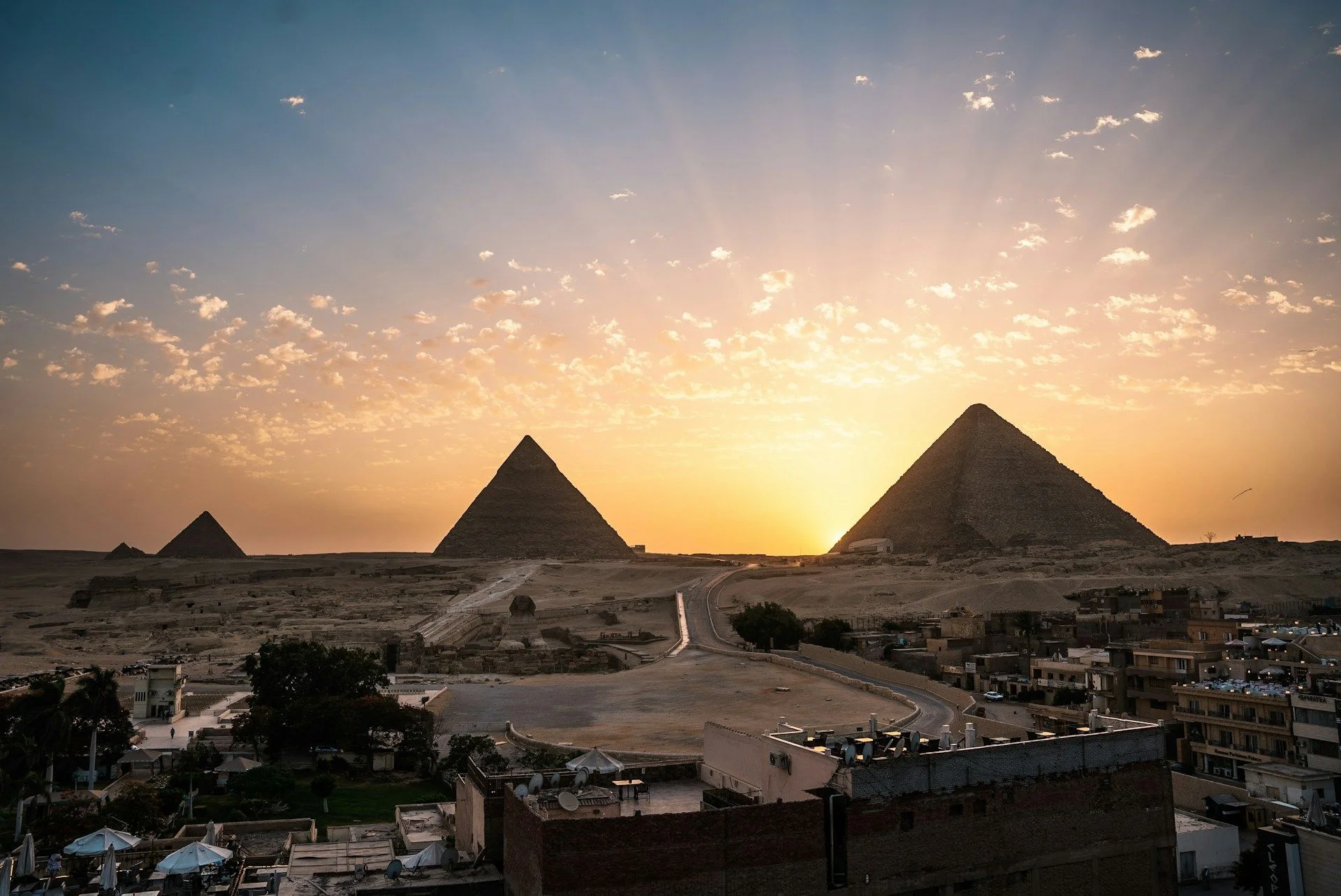
Explore the Great Pyramid of Khufu, Khafre’s complex, and Menkaure’s tomb with expert Egyptologist guides. Benefit from priority access, personalized commentary, and private photo stops at each UNESCO site.
Memphis & Saqqara Excursions
Visit ancient necropolises on full-day trips: wander Djoser’s Step Pyramid, view artisan tomb reliefs, and discover the ruins of Egypt’s first capital, with seamless transport and informed narration.
Sunset Nile Felucca
Sail a traditional felucca at dusk beneath the Giza plateau, enjoying panoramic pyramid silhouettes, aromatic tea, and live oud performances, all aboard a private wooden vessel.
Ancient Pyramid Tours
Explore the Great Pyramid of Khufu, Khafre’s complex, and Menkaure’s tomb with expert Egyptologist guides. Benefit from priority access, personalized commentary, and private photo stops at each UNESCO site.
Memphis & Saqqara Excursions
Visit ancient necropolises on full-day trips: wander Djoser’s Step Pyramid, view artisan tomb reliefs, and discover the ruins of Egypt’s first capital, with seamless transport and informed narration.
Sunset Nile Felucca
Sail a traditional felucca at dusk beneath the Giza plateau, enjoying panoramic pyramid silhouettes, aromatic tea, and live oud performances, all aboard a private wooden vessel.









Useful articles
and recommendations from experts
Tourism in Giza: Unlock the Ancient Wonders
Giza, home to the world’s most famous pyramids and the iconic Sphinx, stands as the crown jewel of ancient Egypt. Tourism in Giza draws visitors from across the globe to marvel at millennia-old engineering feats and explore the mysteries of the Pharaohs. Situated on the western bank of the Nile, just a short drive from Cairo’s urban center, Giza seamlessly blends monumental heritage with immersive desert landscapes and riverfront experiences. Modern roads and guided transport links make travel experiences in Giza straightforward, enabling seamless day trips from Cairo and integration with broader Egyptian itineraries. Whether you arrive at Cairo International Airport or by high-speed rail from Luxor and Aswan, how to visit Giza is simplified by expert-led tours, private transfers, and well-signposted visitor facilities, ensuring you spend less time planning and more time absorbing history’s grandeur.
Why Giza is attractive for travelers
Giza’s enduring allure rests on its unparalleled assembly of ancient monuments. The Great Pyramid of Khufu—among the Seven Wonders of the Ancient World—remains the largest stone structure ever built. Flanked by the pyramids of Khafre and Menkaure, it forms the Giza plateau’s geometric masterpiece. Each pyramid complex includes mortuary temples, causeways, and subsidiary tombs, offering multiple vantage points for archaeological appreciation. Adjacent, the enigmatic Great Sphinx, carved from bedrock over 4,500 years ago, gazes eastward in silent vigil. Beneath the plateau, solar barque museums preserve cedar-wood ships intended to carry Pharaohs into the afterlife, revealing advanced woodworking and religious traditions. These colossal structures, set against shifting desert sands beneath vast skies, create an atmosphere of timeless wonder that defines tourism in Giza and draws history buffs, architecture enthusiasts, and casual sightseers alike.
Beyond the monuments themselves, Giza offers cultural immersion and hospitality. Traditional Bedouin families host desert camp evenings, serving hand-baked bread and aromatic stews beneath starlit heavens. Local artisans demonstrate papyrus painting, alabaster carving, and hand-weaving in nearby workshops. At the edge of the plateau, camel and horse rides across the dunes provide kinetic perspectives on the landscape. Culinary tourism in Giza includes street-side falafel stands, family-run cafées serving koshari, and rooftop restaurants overlooking the illuminated pyramids at night. These diverse travel experiences in Giza cater to a wide spectrum of interests and ensure that every moment is framed by the city’s ancient heritage.
Main types of tourism in Giza
Giza caters to a variety of tourism styles. Heritage Tourism forms the backbone, with guided pyramid tours exploring Khufu’s burial chambers, Khafre’s valley temple, and Menkaure’s three smaller pyramids. Many travelers opt for private, small-group experiences led by certified Egyptologists, providing in-depth historical context. Archaeological Tourism extends beyond the plateau to the ancient capital of Memphis and the Step Pyramid Complex at Saqqara on full-day excursions, where visitors can enter Djoser’s subterranean galleries and examine reliefs in noble tombs. Adventure and Desert Tourism invites sandboarding, quad biking, and overnight Bedouin-style sleepouts under the Milky Way. Cultural Tourism includes Nile felucca cruises, live folkloric performances, and artisan market visits in Giza town. Family-Friendly Tourism is supported by interactive museum exhibits—such as the Grand Egyptian Museum’s hands-on galleries—and miniature pyramid model parks offering educational play. Luxury Tourism integrates VIP access, private helicopter flights over the plateau, and five-star accommodations within view of the Sphinx. Travelers seeking the best tours in Giza can tailor their itineraries with these thematic options, combining depth with personal preference.
Unique attractions and experiences
While the pyramids dominate, Giza conceals lesser-known treasures. The Solar Boat Museum houses a reconstructed vessel originally buried alongside Khufu, revealing the craftmanship of ancient nautical engineering. Nearby, the Tura limestone quarries showcase the graded stone selection that built the pyramids. The mysterious Unfinished Obelisk site in Aswan (accessible via a short flight or Nile cruise) provides insight into ancient stone-carving methods. In the shadows of the Sphinx, the Valley Temple displays red Aswan granite blocks and intricate carvings, offering a rare glimpse into construction sequences. The plateau’s sound-and-light shows at evening dramatize dynastic histories through laser projections across the monuments. Other memorable travel experiences in Giza include early-morning hot-air balloon flights that drift above the plateau at dawn, capturing panoramic sunrise vistas across desert and valley. These extraordinary attractions enrich any visit and highlight Giza’s multifaceted appeal.
Practical tips for travelers
When planning how to visit Giza, consider these practical recommendations. The plateau lies in Egypt Standard Time (UTC+2) and is best visited early: gates open at 8 AM, and morning light offers cooler temperatures and softer photographic conditions. Purchase combined-site tickets for the plateau, Saqqara, and Memphis to streamline entry. Wear breathable, light-colored clothing and sturdy walking shoes; bring sunscreen, a wide-brimmed hat, and refillable water. Camel rides and desert activities require comfortable trousers and closed-toe shoes. Entry to burial chambers can be restricted based on daily visitor caps—reserve underground access tickets online or via your tour operator. The Grand Egyptian Museum, opening near Giza, offers shuttle services from the plateau and provides climate-controlled galleries if midday heat becomes oppressive. For currency, carry Egyptian pounds (EGP); ATMs and currency-exchange services operate near major hotels and Cairo Airport. While credit cards work at upscale venues, small vendors prefer cash. Familiarize yourself with tipping customs: 20 EGP for guides, 10 EGP for camel handlers, and small change for restroom attendants. Learning basic Arabic greetings—“as-salām ʿalaykum” and “shukran”—enhances local interactions and summons goodwill.
Seasonal demand and visitor flows
Giza experiences pronounced seasonality shaped by Egypt’s desert climate. Optimal times to visit are November–February, when daytime highs average 20–25 °C, providing pleasant conditions for outdoor exploration. Peak travel experiences in Giza occur during winter holidays and major festivals like Christmas and New Year’s, prompting early accommodation bookings. Spring (March–May) offers moderate temperatures but risks occasional khamsin sandstorms; morning visits are advisable. Summer (June–August) sees soaring midday temperatures exceeding 40 °C; travelers often schedule dawn plateau trips followed by early afternoon desert retreats or indoor museum visits. Ramadan affects daily rhythms: site opening hours may shift, and daytime dining options are limited; evenings come alive with communal iftar tents near the pyramids. Weekend traffic (Thursday–Saturday) brings local day-trippers from Cairo, so weekday visits yield quieter experiences. Aligning your itinerary with these seasonal patterns ensures optimal access to the best tours in Giza and comfortable conditions throughout your stay.
Travel planning recommendations
To maximize your Giza adventure, follow these planning recommendations: First, define your priority sites—pyramids plateau, Saqqara, Memphis—and allocate full days for each, accounting for transfer times from Cairo. Second, book certified Egyptologist-guided tours in advance, especially if you require underground tomb access tickets. Third, consider private or small-group transfers to and from Cairo to avoid the plateau’s public-bus delays; luxury options include chauffeur-driven SUVs and helicopter charters. Fourth, reserve sunrise balloon flights and sunset felucca cruises ahead of arrival to secure slots, as capacities are limited. Fifth, schedule indoor museum visits during midday heat, and plan pyramid tours for early morning or late afternoon. Sixth, pack layers for cooler desert nights if you opt for overnight Bedouin camps; bring a compact flashlight for nocturnal star-gazing activities. Finally, download offline maps of the Giza plateau trails and bilingual phrasebooks for navigating local villages. By integrating these strategies on how to visit Giza, you’ll create a seamless, enriching journey through one of the world’s most legendary archaeological landscapes.