
Advantages of traveling
to Bali


Civic Cultural Hub
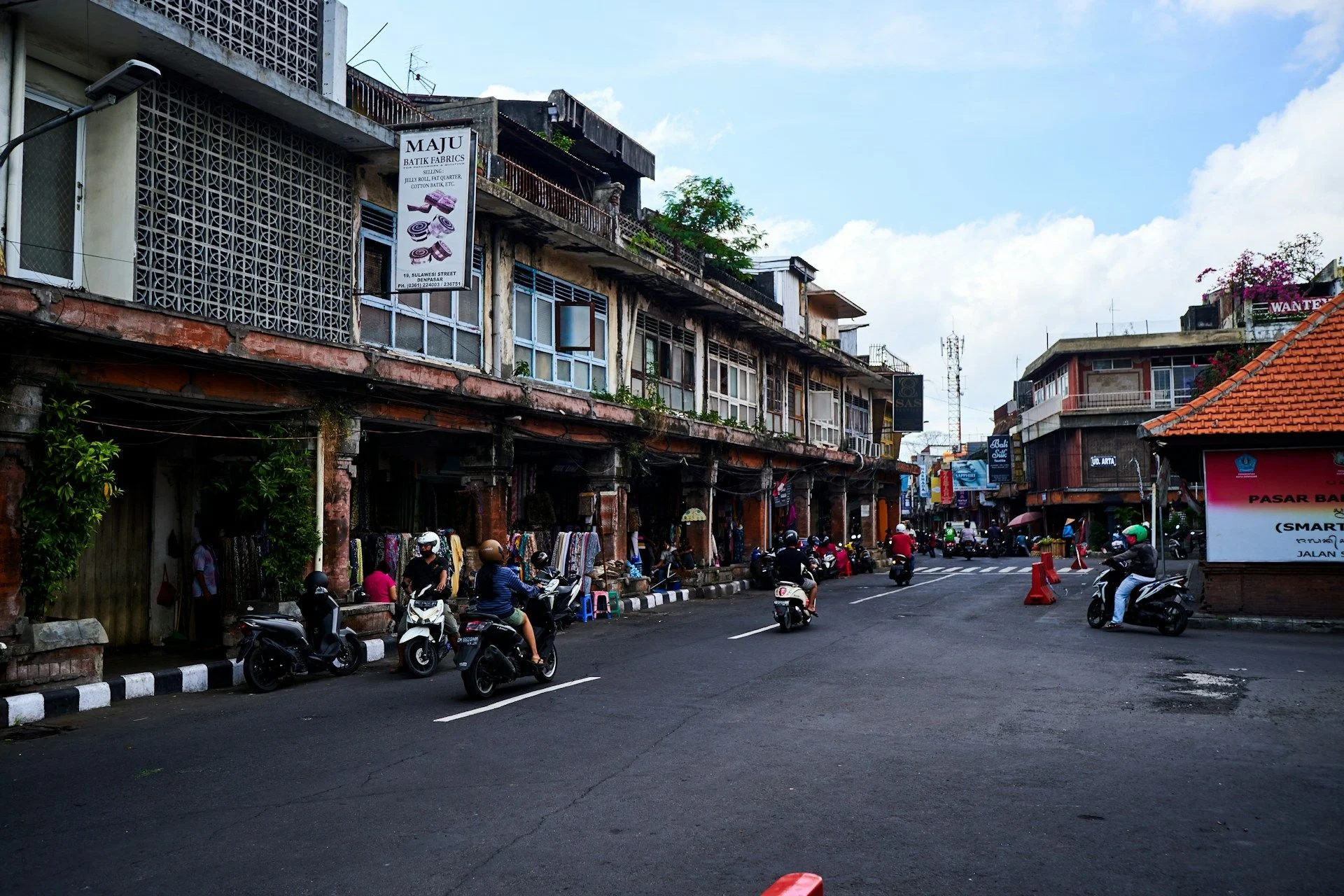
Denpasar blends traditional Balinese arts with contemporary city life through daily market tours, museum visits, and dance performances in historic plazas—offering immersive cultural exploration within walking distance of central accommodations.
Urban Beach Access
Enjoy quick trips to Sanur’s calm shores and Mertasari Beach—just a short drive from Denpasar’s downtown—where beachfront cafés, water sports rentals, and sunrise yoga sessions await for easy seaside relaxation.
Night Market Flavors
Sample authentic Balinese street food at Pasar Senggol and local night bazaars, tasting specialties like satay lilit and seren carved desserts amid lively stalls, ambient lighting, and friendly vendor interactions.
Civic Cultural Hub
Denpasar blends traditional Balinese arts with contemporary city life through daily market tours, museum visits, and dance performances in historic plazas—offering immersive cultural exploration within walking distance of central accommodations.
Urban Beach Access
Enjoy quick trips to Sanur’s calm shores and Mertasari Beach—just a short drive from Denpasar’s downtown—where beachfront cafés, water sports rentals, and sunrise yoga sessions await for easy seaside relaxation.
Night Market Flavors
Sample authentic Balinese street food at Pasar Senggol and local night bazaars, tasting specialties like satay lilit and seren carved desserts amid lively stalls, ambient lighting, and friendly vendor interactions.









Useful articles
and recommendations from experts
Tourism in Denpasar: A Complete Guide
Denpasar, the provincial capital of Bali, serves as a vibrant starting point for discovering the island’s rich tapestry of culture, history, and daily life. As the administrative and commercial heart of Bali, this city combines traditional Balinese culture with modern urban amenities. Tourism in Denpasar offers visitors an authentic glimpse into island life: bustling markets brim with tropical fruits, artisans display wood carvings in open-air galleries, and temples host daily offerings beneath frangipani trees. Although often overlooked in favor of coastal resorts, Denpasar presents unique travel experiences in Denpasar that are both convenient and deeply immersive, making it an ideal hub for cultural exploration.
From Denpasar, travelers can easily arrange day trips to beaches, rice terraces, and mountain villages, while enjoying a range of accommodations that suit diverse budgets. How to visit Denpasar involves navigating a well-connected network of roads, public transport, and ride-hailing services, enabling seamless movement between traditional neighborhoods and contemporary shopping centers. Whether your itinerary includes guided culinary excursions, historical walking tours, or attendance at temple ceremonies, Denpasar delivers a multifaceted blend of experiences that enrich any Bali journey.
Why Denpasar is attractive for travelers
At the crossroads of tradition and modernity, Denpasar appeals to culture seekers and curious urban explorers alike. Denpasar’s heritage is evident in its array of temples, such as Pura Jagatnatha and Pura Maospahit, where ornate stone reliefs illustrate ancient Hindu epics. These sacred sites stand alongside museums—including the Bali Provincial Museum—where collections of royal regalia, textiles, and archaeological artifacts provide context for the island’s history. Meanwhile, commercial districts like Jalan Gajah Mada feature Indonesian high-street brands, international eateries, and craft showrooms.
The city’s central markets, notably Pasar Badung, offer an authentic atmosphere in which to observe daily life: traders balance trays of frangipani flowers and woven baskets, while spice vendors prepare sambal mixtures behind glass displays. Such contrasts underscore why tourism in Denpasar attracts those who wish to engage with local communities. Urban beaches at Sanur and Mertasari, easily reached by short transfer, provide restful interludes between cultural activities. Together, these facets create a sense of place that sets Denpasar apart as Bali’s dynamic urban core.
Main types of tourism in Denpasar
Denpasar supports diverse tourism styles, from cultural immersion to leisure and culinary discovery. Cultural tourism centers on guided walking tours of historic districts like Kesiman and Panjer, where traditional compound houses and pura (temple) courtyards coexist with emerging art spaces. Participants learn about Balinese caste structures and community organization through expert commentary. Art tourism flourishes with regular exhibitions at the Ardha Candra and BIASA galleries, showcasing contemporary Indonesian artists and offering artist-meet events.
Leisure tourism includes quick visits to urban beaches—Sanur’s calm waters are perfect for paddleboarding and sunrise yoga—while wellness tourism capitalizes on city spas offering Balinese massage and wellness rituals. Culinary tourism thrives at cooking classes hosted by local chefs, where travelers prepare specialties like lawar and ayam betutu, reinforcing practical understanding of regional flavors. Market tours—one of the best tours in Denpasar—allow sampling of street-food favorites such as nasi jinggo and pisang rai among bustling vendors. In these ways, Denpasar caters to an array of travel interests, ensuring every visitor finds activities aligned with personal tastes.
Unique attractions and experiences
Denpasar’s hidden gems include the historic Taman Werdhi Budaya Art Centre, which hosts the annual Bali Arts Festival: a month-long celebration of dance, theater, and music that fills the city’s plazas with performances. Nearby, the Bali Mandara Toll Road—a cable-stayed bridge over the Benoa Strait—offers scenic drives linking Denpasar to Nusa Dua. Off-beat experiences, such as bicycle tours through Kerambitan’s handcrafted silver workshops or visits to the Bali Bird Park on the city’s outskirts, present unique perspectives seldom found in guidebooks.
For spiritual experiences, travelers attend Melasti purification ceremonies at Segara Gunung Temple before Nyepi (Day of Silence), observing priests carrying ritual offerings to the sea, while those interested in traditional medicine can seek consultations with Bali’s indigenous healers, known as Balian. These singular experiences enrich travel experiences in Denpasar by offering moments of genuine cultural exchange and discovery.
Local logistics and visitor regulations
Planning how to visit Denpasar requires awareness of local transport and entry guidelines. Ngurah Rai International Airport in southern Denpasar handles international and domestic flights; taxi services and ride-hailing apps provide straightforward transfers to central neighborhoods within 20–30 minutes. Public buses and minibuses (bemo) operate on fixed routes, though schedules may vary; private car rentals and chauffeured services offer greater flexibility. Tourists should carry a copy of their passport and e-Visa (if applicable), as enforcement at checkpoints can be strict.
The city uses the Indonesian rupiah (IDR), with ATMs and currency-exchange outlets widely available. English is spoken in hotels and major attractions, but learning simple Indonesian greetings—“selamat pagi” (good morning) and “terima kasih” (thank you)—enhances local interactions. Health advice includes using bottled water for drinking, applying mosquito repellent, and following traffic precautions when riding scooters. Visitors must dress modestly when entering temples: sarongs and sashes are often provided at entrances free of charge. These practical measures ensure a safe and respectful stay.
Seasonal demand and visitor flows
Denpasar experiences peak visitor flows in July–August and December–January, coinciding with European summer holidays and year-end travel. During these months, accommodations near the city center and Sanur beach tend to book out; advance reservation is essential. Shoulder seasons (April–June, September–October) offer pleasant weather with fewer crowds, making them ideal for those seeking balanced sightseeing and cultural participation. Low season (February–March) brings occasional rain; while some outdoor events may be limited, reduced rates and more personal service await budget-minded travelers.
Religious festivals significantly affect visitor flows: Galungan and Kuningan ceremonies see local populations return to village temples, creating day-trip opportunities from Denpasar; meanwhile, Nyepi (March) results in a city-wide 24-hour shutdown. During this time, silence and reflection dominate, and tourists must remain within accommodation premises. Understanding these patterns helps align itineraries with optimal conditions for enjoying the best tours in Denpasar and local festivities.
Why choose Denpasar for your next trip
Choosing Denpasar as the centerpiece of your Bali itinerary offers distinct advantages: it provides authentic cultural immersion without the crowds typical of beach resorts. Its compact urban layout enables easy exploration of markets, galleries, and temples on foot or by short drive. Compared to southern coastal areas, Denpasar delivers lower accommodation costs and a wider variety of local dining options, from home-style warungs to international cafés. Its role as a transport hub makes day-trips to Ubud, Mount Batur, and western Bali’s temples efficient and accessible.
Furthermore, Denpasar’s blend of tradition and modernization creates enriching travel experiences in Denpasar that satisfy both deep-dive cultural travelers and urban leisure seekers. Its place at the crossroads of Bali’s island network grants immediate access to coastal, inland, and mountain attractions, allowing multi-dimensional exploration from a single base.
Travel planning recommendations
To ensure a seamless stay, book accommodations and guided excursions in Denpasar at least two months in advance during high season. Compare hotel, villa, and guesthouse options according to desired proximity—central Denpasar for market and museum access or Sanur fringe for beach convenience. Arrange airport transfers or confirm ride-hailing app availability before arrival. Download offline map and translation apps to navigate urban streets and market stalls with ease.
Pack light, breathable clothing and a modest set for temple visits; include sun protection and comfortable walking shoes for exploring uneven market lanes. Reserve best tours in Denpasar—such as cooking classes, market tours, and temple-ceremony viewings—through reputable local guides who can provide cultural context and translation. Finally, respect local customs by offering small temple donations and observing quiet hours in residential areas. By following these recommendations on how to visit Denpasar, you’ll unlock the city’s full spectrum of cultural, culinary, and coastal delights.