
Residential homes for sale in LombardyPre-owned offers with clear terms
Popular
cities and regions in Italy
Best offers
in Lombardy
Resale real estate in Lombardy


Diversified stock
Lombardy resale supply combines historic urban buildings, mid-century residential blocks, and modern condominium stock across multiple economic centers - buyers can select between established city apartments, suburban units, and lake-area properties with completed legal status
Multi-center demand
Liquidity in Lombardy is supported by demand from Milan-based professionals, regional households relocating within the north, and international buyers targeting lake zones - resale apartments in Lombardy trade steadily when pricing aligns with micro-market expectations
Structured transfer
Secondary transactions in Lombardy follow a structured notarial sequence - confirm title continuity, verify cadastral alignment, check encumbrances, and ensure occupancy status is clear to keep the closing predictable and documentation consistent
Diversified stock
Lombardy resale supply combines historic urban buildings, mid-century residential blocks, and modern condominium stock across multiple economic centers - buyers can select between established city apartments, suburban units, and lake-area properties with completed legal status
Multi-center demand
Liquidity in Lombardy is supported by demand from Milan-based professionals, regional households relocating within the north, and international buyers targeting lake zones - resale apartments in Lombardy trade steadily when pricing aligns with micro-market expectations
Structured transfer
Secondary transactions in Lombardy follow a structured notarial sequence - confirm title continuity, verify cadastral alignment, check encumbrances, and ensure occupancy status is clear to keep the closing predictable and documentation consistent








Useful articles
and recommendations from experts
Secondary real estate in Lombardy of Italy - regional liquidity across diverse urban and lake markets
Why the secondary market works in Lombardy of Italy
The secondary housing market in Lombardy of Italy functions within one of the most economically active regions of Italy. Anchored by Milan but supported by multiple provincial centers and lake destinations, the region has constant residential turnover. Resale property in Lombardy of Italy is not limited to one dominant city pattern. Instead, it reflects a multi-center regional structure where employment, education, and lifestyle drivers interact.
Unlike single-core markets, Lombardy operates through a network. Milan acts as the financial and corporate engine, while cities such as Bergamo, Brescia, and Monza maintain strong local demand. In parallel, lake areas around Lake Como and Lake Garda attract international and second-home buyers. This diversification supports liquidity across different price bands and property types.
Decision logic in this region often starts with identifying the correct sub-market rather than a specific unit. Buyers typically choose between metropolitan urban apartments, satellite city condominiums, or lake-oriented residential stock. Each segment has its own resale rhythm, comparables framework, and negotiation patterns.
Verification logic supports this structure. Because Lombardy has a long architectural history, many buildings have undergone renovation cycles, subdivision changes, or ownership restructuring. Confirming that cadastral records align with actual property configuration is a standard procedural step that keeps timing predictable.
Comparison logic with new developments also strengthens the secondary segment. While new projects exist, especially around Milan, many buyers prefer established neighborhoods with completed infrastructure and visible community patterns. Secondary real estate in Lombardy of Italy therefore remains a core channel for both local and international acquisitions.
Who buys on the secondary market in Lombardy of Italy
Buyer demand is layered. A large portion comes from regional residents upgrading within the same province. For example, professionals working in Milan may relocate within the metropolitan area while keeping proximity to employment centers. Their priority is functional layout and documentation clarity rather than speculative positioning.
Another segment consists of interregional buyers moving from other parts of Italy to Lombardy for economic opportunities. They often prefer resale apartments in Lombardy of Italy because transaction timelines can align more precisely with relocation schedules.
International demand is visible in lake zones, particularly near Lake Como and Lake Garda. These buyers frequently target established residential units with confirmed ownership structure. Their decision logic emphasizes legal transparency, cadastral compliance, and transfer clarity over short-term resale dynamics.
Verification logic differs by segment. Urban professionals focus on efficiency of the notarial process. International buyers concentrate on documentation continuity and absence of encumbrances. In all cases, clean paperwork supports smoother negotiation.
Comparison logic is essential because liquidity in central Milan differs from that in secondary cities or resort-oriented municipalities. Understanding which buyer pool dominates a micro-market helps frame realistic pricing and expected marketing time.
Property types and price logic in Lombardy of Italy
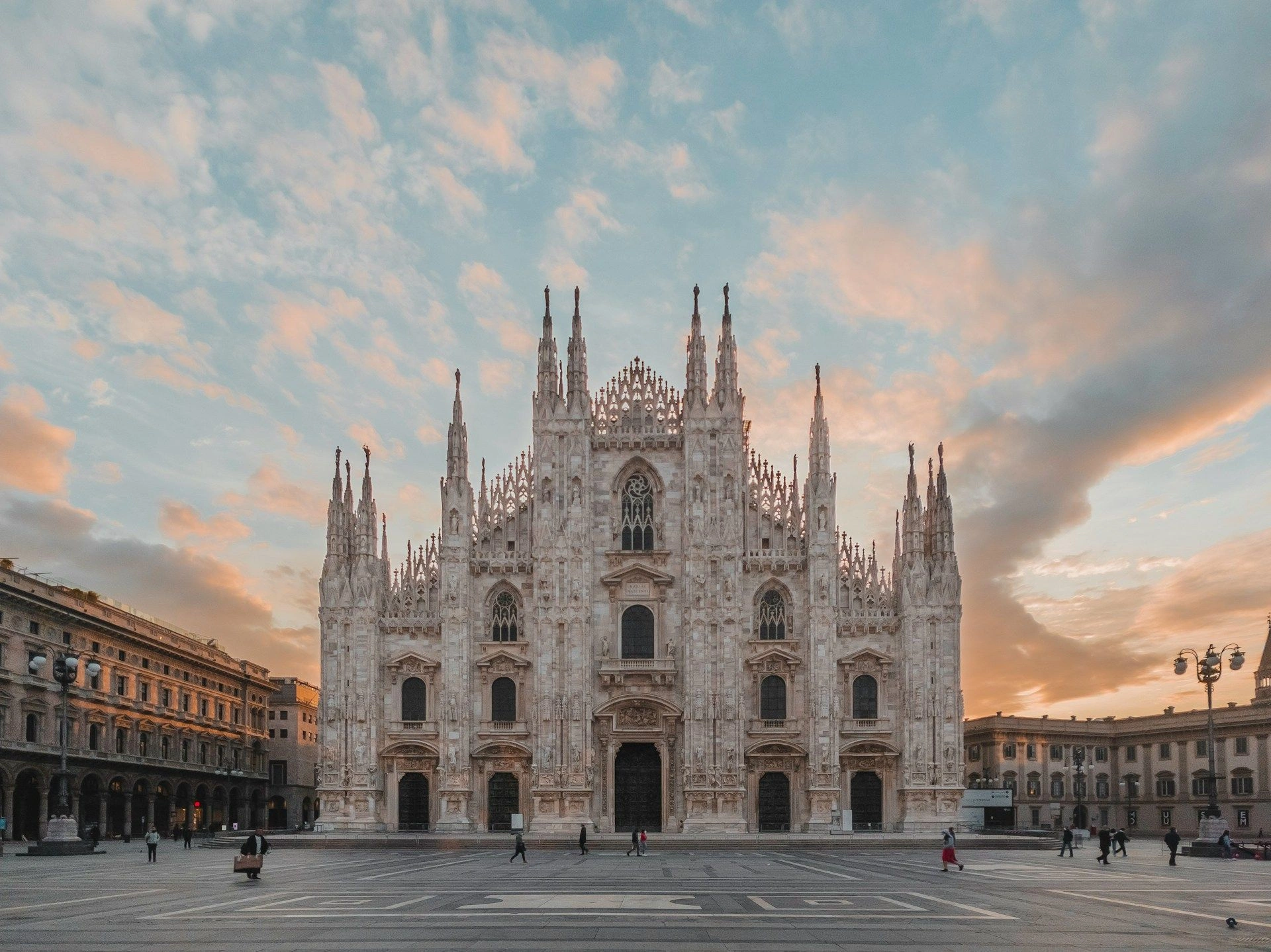
Secondary supply includes historic apartments in pre-war buildings, post-war condominium blocks, and more recent multi-unit residential complexes. In cities like Milan and Bergamo, period buildings may command a structural premium due to architectural character and central positioning. In suburban municipalities, mid-century stock often forms the liquidity backbone.
Lake-oriented areas near Lake Como and Lake Garda introduce another layer. Here, resale property in Lombardy of Italy may reflect scarcity of available units within established residential clusters. Pricing logic in these areas is influenced by limited supply and international comparables rather than purely local income metrics.
Decision logic for buyers should start with selecting a property category aligned with long-term goals. Historic urban apartments require confirmation that renovations and layout changes are properly registered. Condominium units from later decades typically follow more standardized documentation patterns.
Verification logic centers on title continuity and cadastral conformity. Buyers should confirm that the registered floor plan matches the legal documentation and that no unresolved encumbrances exist. If discrepancies appear, it is standard practice to pause and clarify before finalizing terms.
Comparison logic between segments should remain internal to each micro-market. Central Milan pricing cannot be benchmarked directly against provincial cities or lake municipalities. Each segment has its own absorption speed and negotiation bandwidth.
Legal clarity in secondary purchases in Lombardy of Italy
Secondary transactions in Lombardy follow the Italian notarial structure. A preliminary agreement is often used before the final deed, and the notary verifies ownership continuity and legal compliance. This sequence supports transparency and ensures that registration is properly completed.
Decision logic includes confirming whether the seller has full authority to transfer the asset and whether spousal or co-owner consents are required. In inherited properties, additional documentation may be necessary to demonstrate clear succession alignment.
Verification logic typically includes reviewing the title record, confirming absence of mortgages or liens unless explicitly agreed, and checking cadastral alignment. Condominium units also require confirmation that there are no outstanding communal obligations affecting the transfer.
Comparison logic with new build highlights the difference in documentation focus. In new developments, emphasis is placed on construction compliance and developer guarantees. In resale transactions, emphasis is on historical continuity and precise record alignment. Both follow structured processes, but secondary real estate in Lombardy of Italy relies more heavily on document consistency over time.
Areas and market segmentation in Lombardy of Italy
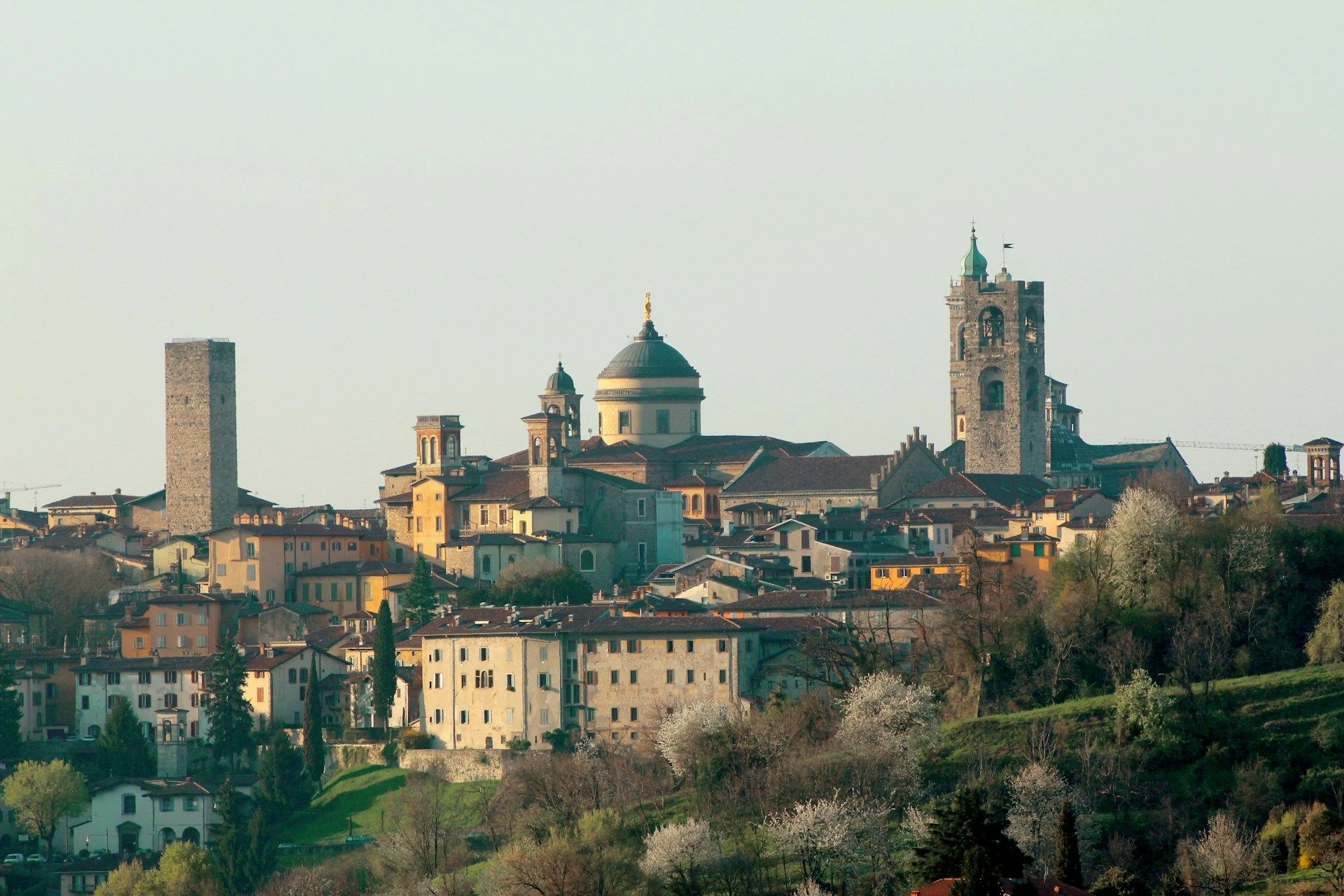
Lombardy is not a single homogeneous market. Milan represents the high-liquidity metropolitan core. Monza and nearby municipalities function as integrated residential satellites. Bergamo and Brescia operate as independent economic centers with their own pricing ecosystems.
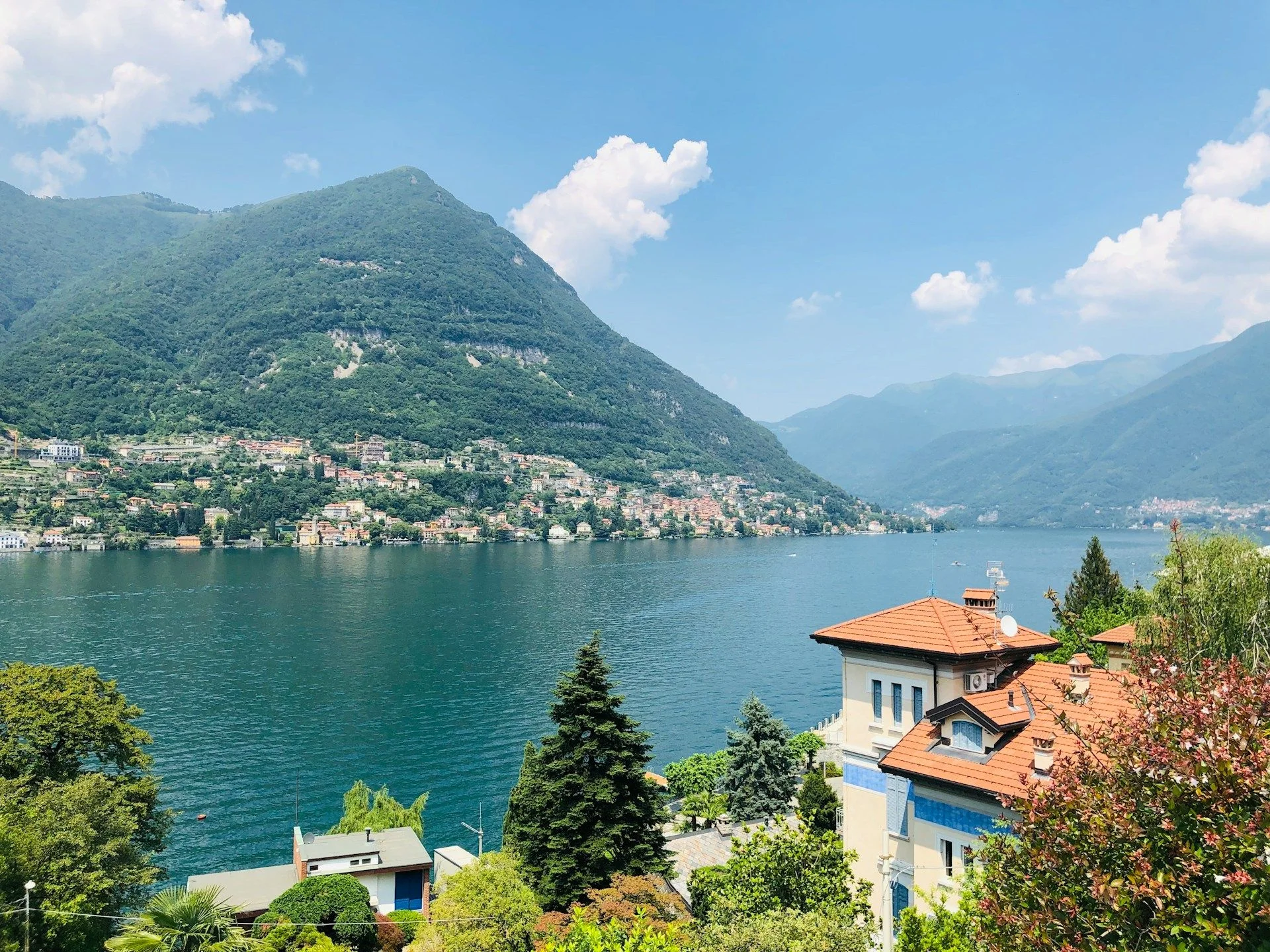
Lake municipalities around Lake Como and Lake Garda form a distinct international-facing segment. Transaction volume may be lower than in metropolitan zones, but pricing resilience can be stronger due to supply limitations.
Decision logic should account for how diversified demand is in each area. Markets with multiple buyer categories tend to demonstrate steadier resale absorption. More specialized resort-driven markets may experience seasonal negotiation dynamics.
Verification logic may vary slightly by municipality in terms of administrative timing, but the core Italian framework remains consistent. Buyers should align their timeline expectations with local processing practices and ensure document readiness before signing binding agreements.
Comparison logic across Lombardy requires discipline. Evaluating resale apartments in Lombardy of Italy without isolating the correct provincial or metropolitan context can distort pricing expectations.
Secondary vs new build comparison in Lombardy of Italy
New developments are present in growth corridors around Milan and selected provincial capitals. However, secondary housing market in Lombardy of Italy often provides broader geographic choice and immediate occupancy potential.
Decision logic between resale and new construction typically centers on timing and certainty. Buyers seeking immediate clarity on unit configuration and neighborhood maturity often choose resale property in Lombardy of Italy.
Verification logic differs in emphasis. New construction requires confirmation of project approvals and staged delivery compliance. Resale requires careful review of historical ownership and cadastral consistency. Each path is structured but involves different control points.
Comparison logic should focus on lifecycle cost visibility, documentation readiness, and resale flexibility. In established Lombardy districts, secondary units often benefit from a transparent comparables history.
How VelesClub Int. helps with secondary purchases in Lombardy of Italy
VelesClub Int. structures secondary acquisitions in Lombardy through a clear sequence approach. The process begins with identifying the correct regional segment, whether metropolitan Milan, provincial centers like Bergamo, or lake-oriented municipalities near Lake Como.
Verification support includes coordination of title review, cadastral checks, encumbrance confirmation, and alignment with notarial requirements. If inconsistencies appear, the approach is procedural: pause and clarify before proceeding.
Comparison advisory helps buyers evaluate whether a resale unit or a new development better fits their timeline and risk tolerance. The objective is not acceleration, but structured execution with predictable documentation flow.
Frequently asked questions about secondary real estate in Lombardy of Italy
How do I verify cadastral alignment when buying apartment on the secondary market in Lombardy of Italy?
Request the official cadastral plan and compare it with the current layout; verify that renovations are properly registered, check consistency with the title record, avoid relying only on informal confirmations, and pause and clarify if discrepancies appear.
Is liquidity in Milan different from other Lombardy cities?
Yes, Milan generally has broader buyer pools; verify comparable transactions within the same district category, check demand depth, avoid comparing directly with smaller provincial markets, and pause and clarify if pricing assumptions rely on mismatched segments.
What should international buyers focus on near Lake Como?
In areas around Lake Como, confirm clear ownership continuity, verify absence of encumbrances, check condominium obligations where relevant, avoid compressing due diligence for timing reasons, and pause and clarify if succession documents are involved.
Are condominium obligations important in Lombardy resale deals?
Yes, request confirmation of outstanding communal payments, verify meeting resolutions affecting financial obligations, check that no pending extraordinary contributions are undisclosed, and pause and clarify before signing the final deed if statements are incomplete.
How does inheritance affect resale property in Lombardy of Italy?
Inherited property requires confirmation that succession filings are complete; verify that all heirs are properly recorded, check authority to sell, avoid informal family agreements without documentation, and pause and clarify if registry updates are pending.
Is secondary housing market in Lombardy of Italy safer than new construction?
Each route has different control points; verify historical title continuity in resale, check project approvals in new build, avoid assuming one is automatically simpler, and pause and clarify when documentation readiness does not match the planned timeline.
Conclusion - understanding the secondary market in Lombardy of Italy
The strength of secondary real estate in Lombardy of Italy lies in its regional diversity. From metropolitan Milan to provincial centers like Bergamo and lake zones near Lake Como, each segment operates within a structured legal and economic framework.
Clear decision logic, disciplined verification, and segment-specific comparison are essential. With structured guidance from VelesClub Int., buyers can approach Lombardy resale transactions with confidence, maintaining predictable timing and documentation clarity across this economically dynamic Italian region.