
Lalomanu Investment Property ListingsBeachfront villas on Samoa’sscenic south coast
Best offers
in Lalomanu
Benefits of investment in
Samoa real estate


Tropical land with family and farming potential
Buyers can secure long-term leases on fertile plots for homesteads or small guesthouse projects.
Cultural depth and unhurried lifestyle
Samoa appeals to those seeking island calm with strong traditions and low population density.
Remote but accessible from New Zealand hubs
Regular flights and close ties to Auckland support part-time or seasonal living for Pacific buyers.
Tropical land with family and farming potential
Buyers can secure long-term leases on fertile plots for homesteads or small guesthouse projects.
Cultural depth and unhurried lifestyle
Samoa appeals to those seeking island calm with strong traditions and low population density.
Remote but accessible from New Zealand hubs
Regular flights and close ties to Auckland support part-time or seasonal living for Pacific buyers.








Useful articles
and recommendations from experts
Real Estate in Lalomanu, Samoa
Why Invest in Lalomanu
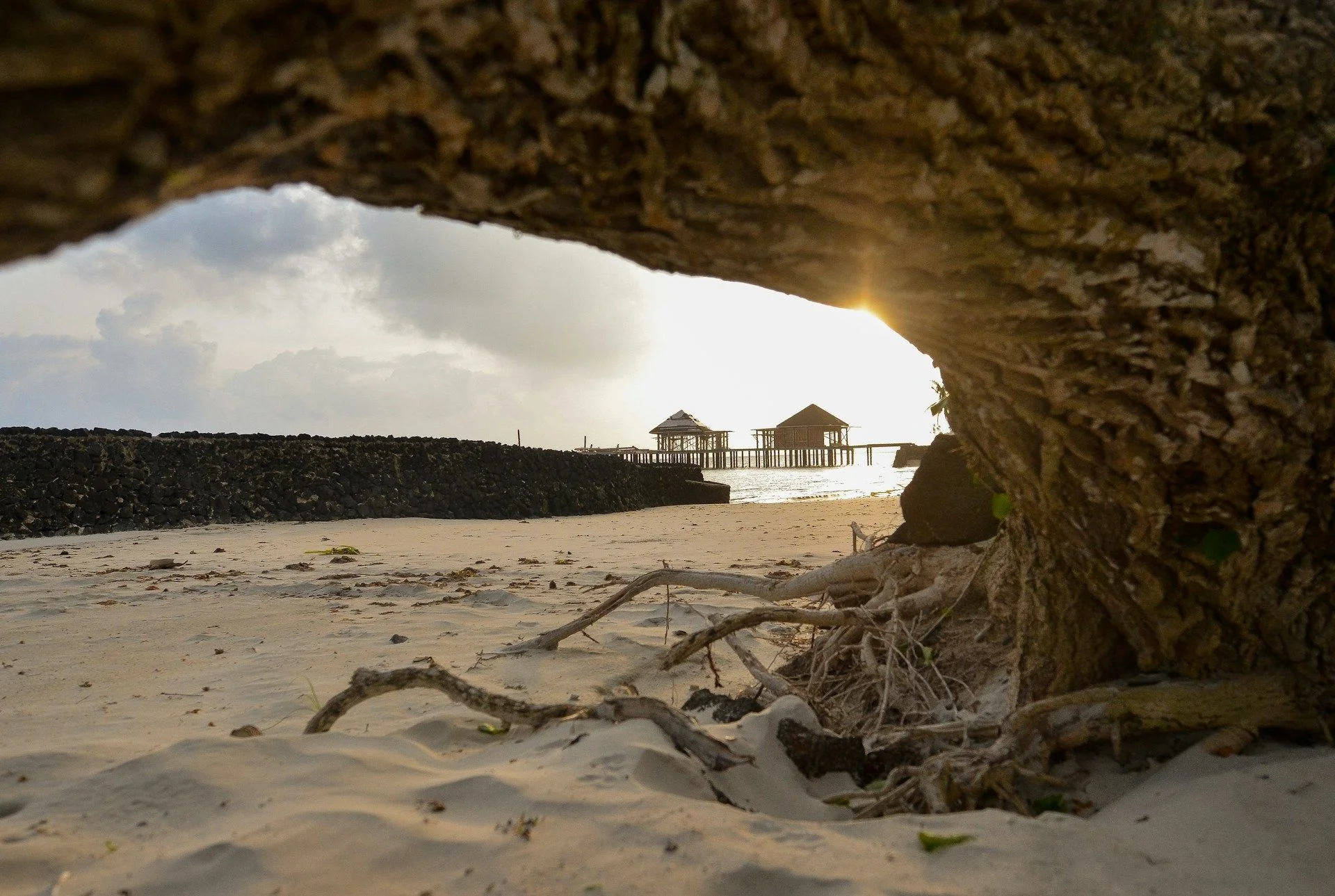
Lalomanu is a picturesque coastal village located on the southeastern tip of Upolu Island, Samoa. Renowned for its white-sand beaches, coral reefs, and serene tropical ambiance, Lalomanu has long been a favorite among tourists seeking a more tranquil and authentic Samoan experience. Though smaller and less developed than Apia or Vaitele, Lalomanu offers substantial potential for real estate investment—especially in eco-tourism, boutique resorts, and culturally sensitive developments. With increasing attention on sustainable tourism and the growth of regional infrastructure, this idyllic location is poised to attract both local and international investors looking for beachfront properties and development land in a low-density, high-appeal destination.
Types of Property in Lalomanu
Real estate in Lalomanu is centered around leisure, hospitality, and local residential uses. Available property types include:
- Beachfront Resorts and Fales: Small to medium-sized tourism businesses, often family-run, operate beach fales (traditional open-air accommodations). Investors can partner with landowners to upgrade or expand facilities.
- Private Villas: A growing trend among Samoan expatriates and regional buyers is the construction of personal beachfront homes or rental villas.
- Agricultural Land: Inland areas offer fertile plots suitable for organic farming, agro-tourism, or lifestyle developments integrated with nature.
- Vacant Coastal Parcels: Some beachfront and near-beach plots are available for lease, ideal for eco-lodge or retreat development.
- Customary Community Housing: Most residential property exists in the form of family compounds and village-based homes, built on customary land.
Legal Structure and Land Tenure
Understanding land ownership is crucial in Lalomanu, where nearly all land is customary:
- Customary Land: Controlled by extended families and village councils. It cannot be sold but may be leased (typically 20–40 years) with community and chiefly agreement. Nearly all real estate in Lalomanu falls under this category.
- Leasehold Structures: Foreigners and non-family Samoans can lease land for commercial or residential use with proper negotiation and legal structuring.
- Government Support: Projects aligned with Samoa’s tourism and sustainability goals are often supported by government agencies or NGOs.
- Freehold Land: Extremely rare in Lalomanu; most investment is done through long-term leases.
- Registration and Legal Oversight: All leases must be registered with the Ministry of Natural Resources and Environment (MNRE) and comply with the Land Titles Registration Act.
Real Estate Prices and Market Dynamics
Property in Lalomanu is generally more affordable than in Apia or popular western suburbs, yet beachfront plots carry a premium due to scarcity and high tourist appeal. Current estimates include:
- Beachfront lease (commercial/tourism): $5–$10 per square meter/year for long-term leases
- Inland lease (residential/agriculture): $2–$4 per square meter/year
- Construction cost (basic villa/fale): $40,000–$80,000 for high-quality beachfront bungalows
- Guesthouse or eco-lodge (5–10 units): $250,000–$600,000 depending on facilities and beachfront access
- Residential rentals (villas): $400–$800/month for long-term leases to expats or returning Samoans
Tourism seasonality affects short-term revenue, with peaks during holidays and local festivals. However, international travelers increasingly seek longer stays and immersive cultural experiences, improving occupancy rates year-round.
Rental Demand and Investment Yields
Unlike Apia or Vaitele, Lalomanu’s rental market is dominated by tourism, but there is rising interest in remote work retreats and wellness stays. Potential rental audiences include:
- Tourists: Particularly Australians, New Zealanders, and Europeans seeking beach stays, snorkeling, and cultural immersion
- Digital Nomads: Remote workers choosing Samoa for its peace, nature, and relatively affordable lifestyle
- Samoan Diaspora: Families returning to reconnect with heritage or invest in tourism ventures
Estimated yields:
- Short-term holiday rentals: 8%–12% annually depending on management and occupancy
- Long-term leases to expats: 6%–8% gross annual return
- Eco-lodge or retreat operations: Up to 15% if properly marketed and managed with consistent occupancy
Key Areas and Land Characteristics
Lalomanu is small but divided into zones that influence value and suitability:
- Beachfront Zone: Direct ocean access, high demand, suitable for fales, retreats, and small resorts. These parcels are often negotiated with specific families or councils.
- Village Center: Community heart with church, school, and meeting spaces. Mostly residential, suitable for support services or small stores.
- Inland Slopes: Offers ocean views, privacy, and cooler breezes—ideal for eco-homes or farming ventures with rental potential.
- Roadside Parcels: Properties along the coastal road are more accessible for logistics, restaurants, or convenience stores.
Infrastructure and Access
While Lalomanu is rural, key infrastructure continues to improve thanks to government initiatives and tourism-driven upgrades:
- Road Access: Approximately 1.5 hours from Apia via sealed roads. Public buses and private transfers available.
- Electricity: Grid power is available to most of the village. Solar panels are used by several lodges and homes for resilience and cost-saving.
- Water Supply: Rainwater tanks are standard. Some borehole systems exist for lodges and homes with higher demand.
- Telecom and Internet: Mobile coverage is available; 3G/4G data is usable, though inconsistent during storms. Satellite internet or Wi-Fi infrastructure may be needed for retreats.
- Healthcare and Services: Basic clinic in the village; full services available in Apia. Proximity to hospital is a factor for older residents or long-term guests.
Investment Scenarios
Lalomanu supports several real estate investment strategies tailored to its coastal charm and community orientation:
- Eco-Resorts: Lease beachfront plots and develop low-impact lodging with open-air architecture, reef-safe facilities, and cultural programming.
- Wellness Retreats: Combine beachfront living with yoga, detox, or mental health programs appealing to global audiences.
- Family-Owned Villas: Build and lease long-term to returnees or foreigners seeking beach homes with privacy.
- Boutique Restaurants or Cafes: Small seaside venues with organic food and cultural entertainment can thrive with tourism partnerships.
- Community Partnership Projects: Co-develop with families to share revenue, preserve land rights, and align with local customs and sustainability.
Risks and Considerations
As a coastal village, Lalomanu offers high lifestyle value but also presents specific risks:
- Customary Land Negotiation: Leases must be based on respectful negotiation and cultural understanding. Legal counsel and long-term relationship building are essential.
- Cyclones and Coastal Erosion: Proper design, insurance, and elevated construction are vital to mitigate storm risks.
- Limited Services: Investors may need to build in their own utilities, internet, and water systems.
- Small Local Economy: Outside of tourism, economic activity is limited. Resale and liquidity options are narrow—real estate should be seen as a long-term, income-generating asset rather than for flipping.
Final Thoughts on Lalomanu
Lalomanu embodies the untouched beauty and cultural authenticity that discerning travelers and investors increasingly seek. Its real estate opportunities lie not in mass development but in thoughtful, sustainable, and community-integrated projects that enhance both visitor experience and local livelihood. Whether you’re building an eco-lodge, a wellness hideaway, or a family beach villa, Lalomanu offers an unparalleled natural setting with the potential for stable returns and social impact. For those ready to engage respectfully and creatively, this village is a jewel of Samoan real estate.