
Buy-to-Hold Investment Properties in MoptiInvestment in riverfront homesand rentals
Best offers
in Mopti
Benefits of investment in
Mali real estate


Land-rich country with early investment access
Buyers can find vast land at very low cost, especially around Bamako and the Niger River corridor.
Traditional architecture and cultural heritage zones
Mudbrick homes and historical areas around Timbuktu and Djenné offer rare character for restoration or tourism.
Risks balanced by ultra-low entry prices
Political and safety challenges exist, but pricing reflects high-risk, high-potential frontier status.
Land-rich country with early investment access
Buyers can find vast land at very low cost, especially around Bamako and the Niger River corridor.
Traditional architecture and cultural heritage zones
Mudbrick homes and historical areas around Timbuktu and Djenné offer rare character for restoration or tourism.
Risks balanced by ultra-low entry prices
Political and safety challenges exist, but pricing reflects high-risk, high-potential frontier status.

Useful articles
and recommendations from experts








Investment Property in Mopti – Market Insights and Opportunities
Market trends and investment potential
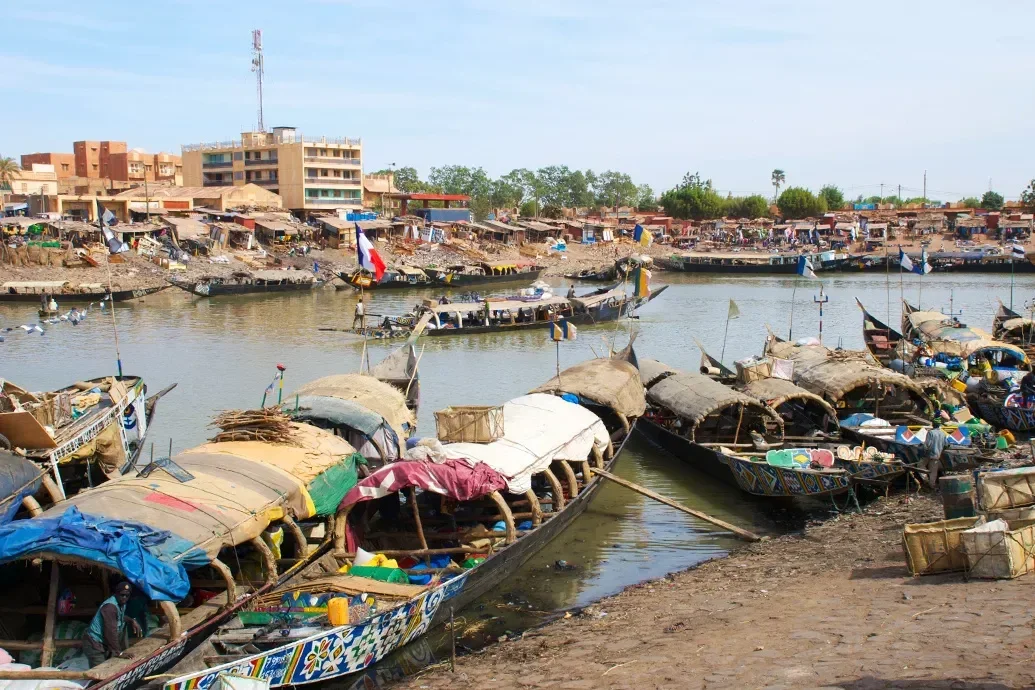
Mopti, located in central Mali at the confluence of the Niger and Bani rivers, is a historically significant trading hub and cultural crossroads. Often referred to as the “Venice of Mali” due to its waterways and bustling port activity, Mopti plays a vital role in regional commerce, fishing, and agriculture. Its strategic location makes it a gateway between Mali’s southern agricultural regions and the arid zones of the north, giving it an enduring role in trade and logistics.
The real estate market in Mopti is small compared to major African cities, but its potential lies in niche sectors. While overall economic growth is constrained by national political and security conditions, local market drivers such as regional trade, artisanal industries, and emerging tourism initiatives provide investment entry points. Investors with a long-term perspective and an understanding of frontier market dynamics can identify unique opportunities in Mopti that align with sustainable development goals and local needs.
Urban development in Mopti has historically been gradual, but new infrastructure projects, such as improved road connections and upgraded port facilities, could stimulate demand for both residential and commercial properties. The government and international aid agencies have shown interest in supporting projects that foster economic resilience, including the construction of modern marketplaces, small-scale manufacturing hubs, and hospitality infrastructure.
Foreign investors have traditionally focused on Mali’s mining and agricultural sectors, but real estate—particularly in strategic cities like Mopti—is increasingly recognized as a channel for long-term diversification. As the population grows and urban migration continues, the demand for better-quality housing, retail spaces, and logistics infrastructure is expected to increase steadily over the coming years.
Types of investment properties
In Mopti, the primary real estate investment categories differ from those in more developed markets. The city’s property landscape is characterized by small-scale hospitality facilities, functional commercial premises, and practical residential developments. Given the city’s role as a transit and trade hub, commercial properties—especially warehouses, cold storage units, and distribution centers—are in demand among traders and suppliers.
Tourism-related real estate, though niche, presents potential. Mopti’s cultural heritage, riverside setting, and proximity to destinations such as Djenné and Bandiagara make it an appealing stop for adventure and cultural tourists. Boutique hotels, guesthouses, and eco-lodges can cater to both international travelers and domestic visitors, provided that safety and service quality standards are maintained.
Mixed-use developments combining retail spaces, office facilities, and accommodation can meet multiple market needs simultaneously. For example, a riverfront building with ground-floor shops, upper-floor offices, and short-term rental apartments could serve traders, NGOs, and visiting professionals. Residential investment opportunities lie mainly in mid-range housing for professionals, aid workers, and business owners who seek comfort and security within the city.
Investors may also consider developing specialized facilities such as training centers, co-working hubs, or conference venues, which remain scarce in Mopti but could support regional business activity. Such developments would appeal to both the private sector and aid organizations that regularly operate in the city.
Legal framework for investors
Mali’s legal system allows for foreign investment in real estate, though processes must adhere to national laws and regional practices. Foreigners can lease land on a long-term basis and, under certain structures, acquire ownership through locally registered entities. All property transactions must be recorded in the national land registry to ensure legal protection.
In Mopti, as in much of Mali, customary land rights play a significant role. This means that local community leaders often have influence over land allocation and usage, even when formal titles exist. Successful transactions therefore require both legal documentation and strong local engagement to avoid disputes. Partnerships with trusted local stakeholders are essential for navigating this dual system.
The government offers incentives for investment in sectors such as tourism, agriculture, and infrastructure, which may include tax breaks or import duty reductions on construction materials. However, these incentives can be subject to changes in policy, so investors should seek up-to-date legal advice before committing resources.
Compliance with building codes, environmental regulations, and safety standards is mandatory for all developments. Projects that incorporate sustainability features, such as renewable energy systems and efficient water management, may receive additional support from both local authorities and international organizations active in Mali.
Profitability and rental yields
Profitability in Mopti’s real estate market depends on property type, location, and tenant profile. Residential properties catering to NGOs, aid agencies, and business professionals often enjoy stable occupancy and predictable rental income, as these tenants prioritize reliability and security over price. Rental yields in this segment can be attractive relative to acquisition costs, though the market is too small for speculative short-term gains.
Commercial properties near the port, main roads, or central marketplaces command higher demand. Well-located warehouses and retail spaces can secure long-term tenants from the trade and logistics sectors. Properties serving agricultural value chains—such as storage for perishable goods—offer particularly strong prospects due to the city’s role in regional food distribution.
Hospitality investments can be profitable during periods of stability, particularly when catering to both domestic and international travelers. The key to maintaining consistent returns in this sector is diversification—offering facilities that appeal not only to tourists but also to local events, conferences, and training programs.
Capital appreciation in Mopti is gradual but can be enhanced through strategic improvements, such as upgrading older properties to modern standards or developing land in emerging commercial zones. Investors with a focus on long-term value creation rather than quick resale are more likely to achieve sustainable returns.
Challenges and risk management
Investing in Mopti comes with significant challenges that must be addressed through careful planning. Political instability and security concerns in Mali can affect both short-term operations and long-term viability. This makes risk management strategies—such as comprehensive insurance, security partnerships, and contingency planning—essential for success.
Infrastructure remains underdeveloped in certain areas, with inconsistent power supply, limited telecommunications, and variable road conditions. Investors should consider integrating self-sufficient systems into their developments, such as solar power, water purification units, and satellite internet, to ensure reliable operations regardless of public service disruptions.
Access to financing can be limited, and currency fluctuations pose additional risks. Securing funding in stable currencies and maintaining conservative debt levels can help protect investment returns. Furthermore, transparent governance and ethical business practices are critical for building trust with both local communities and institutional partners.
Another challenge is the limited availability of skilled labor in certain construction and service sectors. Investors may need to invest in training programs or bring in expertise from outside the region to ensure quality standards are met. This can also serve as a community benefit, enhancing the project’s reputation and local acceptance.
How VelesClub Int. supports investors
VelesClub Int. offers specialized advisory services for investors considering Mopti and other frontier markets. Our approach begins with comprehensive market assessments that identify opportunities aligned with both profitability and social impact. We provide guidance on legal frameworks, land acquisition, and compliance with both national and local regulations.
Our team assists in structuring partnerships with credible local stakeholders, ensuring smooth negotiations and culturally sensitive project implementation. We also coordinate with experienced security consultants to help investors mitigate operational risks while maintaining cost efficiency.
For hospitality and tourism ventures, VelesClub Int. connects investors with designers, operators, and marketers experienced in creating properties that balance cultural authenticity with modern comfort. In the commercial and logistics sectors, we help identify high-demand locations and negotiate leases with reliable tenants.
By combining global investment expertise with on-the-ground networks, VelesClub Int. ensures that projects in Mopti are not only financially viable but also contribute positively to the city’s economic development and community well-being. This dual focus on profitability and social value makes our advisory services an essential partner for any investor entering this unique and challenging market.