
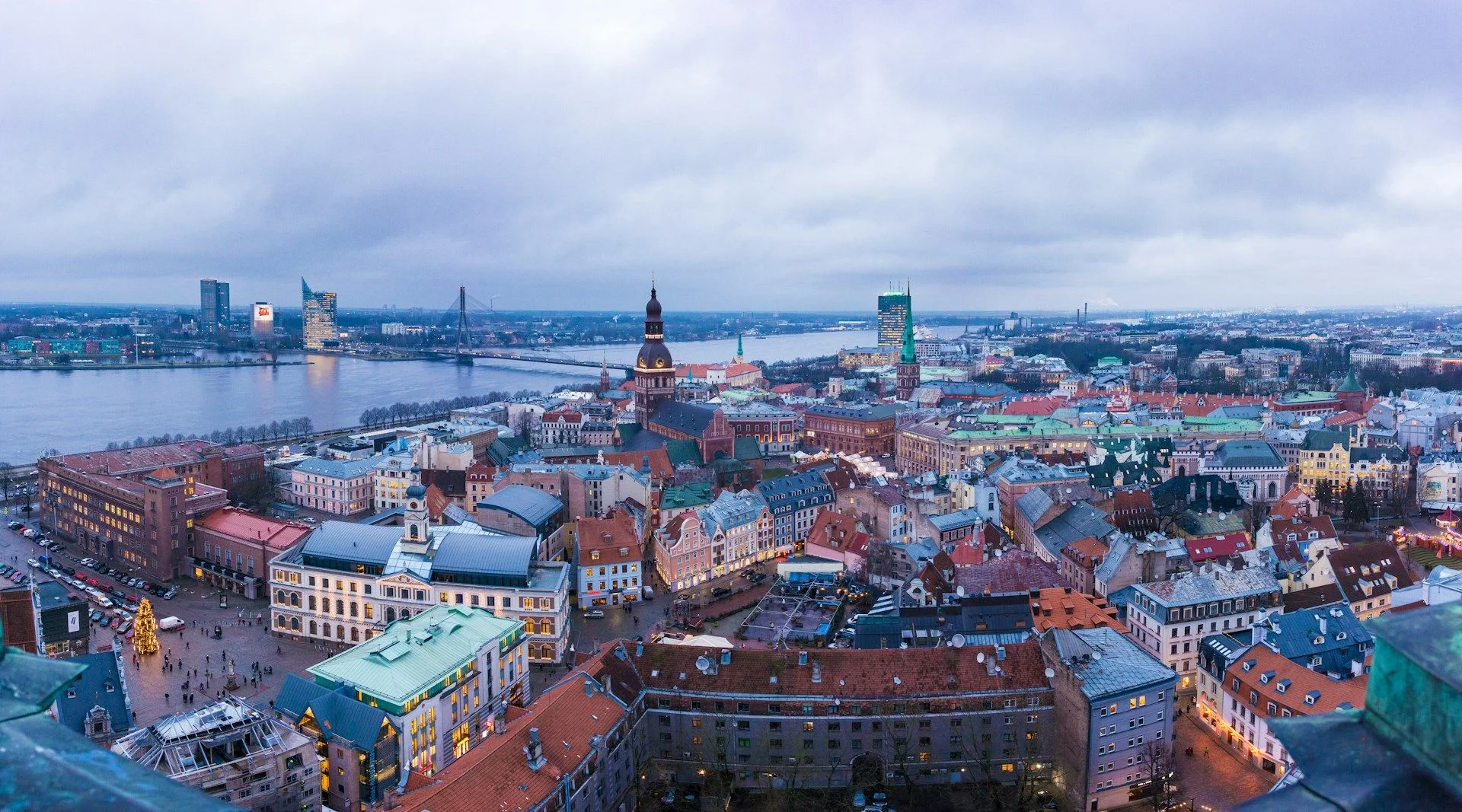
Income-Generating Real Estate in RigaSeaside homes in Riga’s northern districts
Best offers
in Riga
Benefits of investment in
Latvia real estate


EU real estate with forest and seaside charm
Riga, Jurmala, and rural regions offer homes surrounded by nature, with full EU ownership rights.
Affordable apartments with residency potential
Latvia once linked real estate to residency permits and still offers affordable housing in a eurozone country.
Quiet, clean cities with solid rental infrastructure
The property market supports both long-term rentals and holiday stays, especially near Riga’s historic center.
EU real estate with forest and seaside charm
Riga, Jurmala, and rural regions offer homes surrounded by nature, with full EU ownership rights.
Affordable apartments with residency potential
Latvia once linked real estate to residency permits and still offers affordable housing in a eurozone country.
Quiet, clean cities with solid rental infrastructure
The property market supports both long-term rentals and holiday stays, especially near Riga’s historic center.









Useful articles
and recommendations from experts
Real Estate in Riga, Latvia
Why Invest in Riga
Riga, the capital of Latvia and the largest city in the Baltics, is a growing hotspot for real estate investors seeking attractive yields, a stable legal environment, and EU residency opportunities. Located on the Baltic Sea, Riga is a key financial, cultural, and logistics hub in Northern Europe. It offers a unique combination of historical architecture, modern urban development, and access to both Western and Eastern European markets. The city’s status as a regional center for IT, tourism, and education continues to drive demand for both residential and commercial real estate. Additionally, Latvia’s low taxes, eurozone membership, and residency-by-investment programs make Riga especially appealing for foreign buyers.
Types of Property in Riga
The Riga real estate market offers a diverse range of property types for different investor profiles. Residential properties include modern apartments in high-rise buildings, renovated Art Nouveau flats in the city center, new-build family homes in suburban districts, and affordable Soviet-era housing in outer neighborhoods. Prestigious areas such as Centrs, Mežaparks, and Ķīpsala offer luxury housing options with scenic views, high-end finishes, and proximity to embassies and elite schools.
Commercial properties are equally diverse: office spaces in Class A and B buildings, retail units along major shopping streets like Brīvības iela, warehouse complexes in the city’s logistics parks, and boutique hotels in the Old Town. Riga has also seen a rise in demand for co-working spaces and serviced apartments, driven by digital nomads and entrepreneurs attracted to Latvia’s tech-friendly environment.
Prices and Market Trends
Riga remains one of the most affordable EU capital cities in terms of property prices. As of 2025, the average price per square meter in the city center is approximately €2,000–€2,800, while outer districts such as Ziepniekkalns, Imanta, or Purvciems offer prices ranging from €1,200 to €1,800 per square meter. Luxury properties in Mežaparks or Ķīpsala can exceed €4,000 per square meter depending on amenities, view, and exclusivity.
The Riga real estate market experienced a correction during the COVID-19 pandemic but recovered strongly in 2022–2024 due to low interest rates, foreign investor return, and rising rental demand. While price growth has stabilized, rental yields remain strong, especially for well-located 1-2 bedroom apartments. Riga's affordability compared to other EU capitals is drawing investors from Scandinavia, Germany, and CIS countries.
Buying Process and Legal Aspects
Latvia offers a transparent and well-regulated property purchase process. Foreigners, including non-EU citizens, are permitted to buy and own real estate without restrictions. The process typically involves signing a purchase agreement, transferring funds via a bank escrow account, notarization, and registration with the Land Register (Zemesgrāmata).
Transaction costs include a state duty of 1.5% of the purchase price, notary fees (~0.5%), legal services (optional), and bank fees if applicable. The entire process usually takes between two to four weeks. Buyers should conduct thorough due diligence, including title check, property condition assessment, and verification of building permits if purchasing land or undergoing reconstruction.
Non-EU buyers acquiring property over a certain value (€250,000 previously) were eligible for Latvia’s residence permit program, although this program has been revised and now includes additional requirements. Nevertheless, property ownership can still support long-term visa applications in specific cases.
Investment Opportunities and Yields
Rental yields in Riga typically range from 4% to 7%, depending on location, property type, and management. City center apartments targeting long-term expats, embassy staff, and professionals offer stable returns with minimal vacancy. Short-term rentals (Airbnb) in the Old Town and Central District have strong potential, especially during the tourism season and business conferences. However, they are subject to regulation and licensing.
Student rentals are in demand due to Riga’s large student population, including international students at institutions like Riga Stradiņš University and the University of Latvia. A growing number of digital nomads also seek flexible, furnished rental options in central or creative neighborhoods such as Āgenskalns or Miera iela.
Commercial property investment is attractive in logistics and warehousing, with the Riga Freeport and proximity to the Rail Baltica corridor offering long-term advantages. Developers are increasingly interested in urban regeneration zones such as Skanste, where new residential and office projects are underway.
New build apartments in energy-efficient buildings also appeal to local and foreign buyers. The government supports green development and energy-efficient construction, offering financing options and tax benefits for certified projects.
Neighborhoods and Infrastructure
Riga is divided into several administrative districts and micro-districts, each offering different living and investment opportunities. The most desirable residential areas include:
- Centrs (City Center): Rich in Art Nouveau architecture and cultural landmarks, it attracts expats, professionals, and tourists.
- Old Town (Vecrīga): A UNESCO World Heritage site with cobblestone streets, ideal for short-term rentals and boutique hospitality projects.
- Mežaparks: Leafy suburb with high-end homes, close to the zoo and recreation areas, favored by affluent families.
- Ķīpsala: Exclusive island neighborhood with modern villas and panoramic river views.
- Pārdaugava: Includes emerging creative hubs like Āgenskalns and older Soviet housing areas with redevelopment potential.
Infrastructure in Riga is well-developed. The city boasts reliable public transport (buses, trams, trolleybuses), bike paths, and ride-sharing services. Riga International Airport is 20 minutes from the city center and offers connections across Europe. Rail Baltica, a high-speed rail project linking the Baltics to the rest of the EU, is under construction and expected to boost property values along its route.
Education options include international schools, universities, and private academies. Healthcare services are modern and accessible, with private clinics catering to medical tourists from Scandinavia and Germany. Retail infrastructure includes shopping malls (Spice, Akropole, Galerija Centrs), traditional markets, and expanding online delivery services.
Final Thoughts on Riga
Riga offers one of the best combinations of price, stability, and potential in the European real estate market. Investors benefit from EU membership, a transparent legal system, low cost of entry, and high quality of life. Whether your strategy focuses on long-term rentals, short-term stays, student housing, or redevelopment, Riga provides the flexibility and infrastructure to support it.
Latvia’s investor-friendly environment, combined with Riga’s cultural richness and economic momentum, positions the city as a compelling option for both first-time and seasoned real estate investors. With strong rental yields, a maturing market, and ongoing urban transformation, Riga is steadily becoming a Baltic beacon for property investment.