
Income-Generating Real Estate in Maasai MaraResidential growth near Ethiopia’splanned dry port
Best offers
in Maasai Mara
Benefits of investment in
Ethiopia real estate


Guide for real estate
investors in Ethiopia
read here
Land options near lakes, cities, and parks
While foreign ownership is limited to leases, Ethiopia offers access to fertile land and growing urban zones at low prices.
Strategic capital with real estate potential
Addis Ababa is one of Africa’s fastest-developing capitals, with rising demand for housing and infrastructure.
Strong cultural identity and historical sites
Buyers with long-term vision can tap into heritage-rich locations like Lalibela or Gondar as tourism and services evolve.
Land options near lakes, cities, and parks
While foreign ownership is limited to leases, Ethiopia offers access to fertile land and growing urban zones at low prices.
Strategic capital with real estate potential
Addis Ababa is one of Africa’s fastest-developing capitals, with rising demand for housing and infrastructure.
Strong cultural identity and historical sites
Buyers with long-term vision can tap into heritage-rich locations like Lalibela or Gondar as tourism and services evolve.









Useful articles
and recommendations from experts
Investment Property in Maasai Mara – Market Insights and Opportunities
Market trends and investment potential
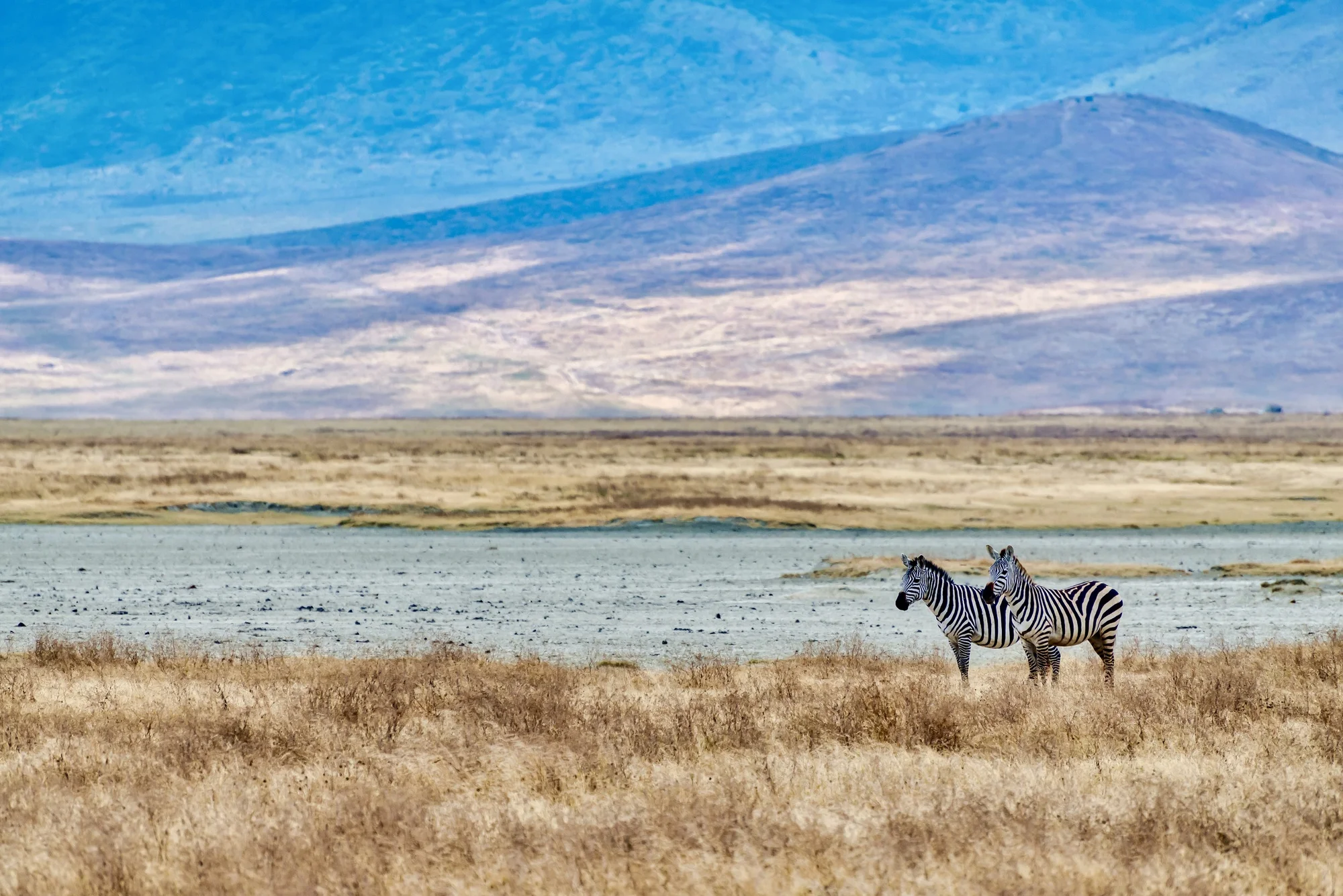
The Maasai Mara, located in southwestern Kenya, is one of the world’s most famous safari destinations, attracting tourists year-round for its vast savannahs, abundant wildlife, and the annual Great Migration. While primarily known for its conservation and tourism value, the region has emerged as a niche but growing real estate investment market. Investors are increasingly drawn to opportunities connected to luxury safari lodges, eco-friendly resorts, and tourism infrastructure that caters to high-net-worth travelers seeking unique, sustainable experiences.
The demand for exclusive accommodations in the Maasai Mara is driven by a mix of international tourists from Europe, North America, and Asia, along with a growing domestic tourism sector. Tourism numbers remain strong due to the reserve’s global reputation, stability in Kenya’s tourism industry, and the country’s commitment to conservation and wildlife protection. The Kenyan government’s focus on promoting sustainable tourism and community-based conservation projects further enhances the appeal of investing in this location.
Recent years have seen a rise in eco-conscious developments that integrate luxury with environmental responsibility. From solar-powered tented camps to boutique lodges using locally sourced materials, the Maasai Mara offers opportunities for investors who want to combine profitability with positive environmental and social impact. This combination of exclusivity, conservation, and cultural authenticity makes it a rare investment proposition within Africa’s tourism real estate sector.
Types of investment properties
Unlike traditional urban markets, property investment in the Maasai Mara primarily revolves around hospitality and tourism infrastructure. High-end safari lodges, luxury tented camps, and boutique eco-resorts dominate the market, offering strong revenue potential during peak seasons. These properties cater to affluent travelers seeking personalized safari experiences, private game drives, and high-quality amenities in the heart of nature.
There are also opportunities in land acquisition for future development. Investors can purchase land near conservancies or on the outskirts of the Maasai Mara National Reserve, often in partnership with local communities. Such partnerships can lead to joint ventures where investors build and operate lodges while local communities benefit from revenue-sharing agreements. This model has proven successful in balancing profitability with conservation and cultural preservation.
For smaller-scale investors, investing in supporting facilities such as airstrips, visitor centers, or high-end restaurants can also yield attractive returns. As tourism infrastructure improves, secondary services and experiences—such as wellness retreats, guided photographic safaris, and adventure tourism—are gaining traction as complementary investments.
Legal framework for investors
Kenya allows foreign investors to participate in tourism-related real estate projects, but there are specific regulations that must be observed. Foreigners cannot directly own freehold land in Kenya but can acquire long-term leaseholds (up to 99 years) or partner with Kenyan entities in joint ventures. All developments within or near protected areas must comply with environmental regulations, including obtaining approvals from the National Environment Management Authority (NEMA).
Investors must also work closely with local county governments and community conservancies to ensure compliance with zoning, building, and conservation laws. Projects in the Maasai Mara often involve agreements with community landowners, which require transparency, fair compensation, and adherence to community benefit-sharing arrangements. Navigating these relationships successfully is key to both securing investment approval and maintaining long-term operational success.
For those seeking residency advantages, Kenya offers investor visa options for individuals who make significant contributions to the local economy through job creation and tourism investment. These permits can facilitate smoother business operations and longer stays for hands-on project management.
Profitability and rental yields
Profitability in the Maasai Mara tourism property sector depends on occupancy rates, pricing strategies, and operational efficiency. Luxury safari lodges can command nightly rates ranging from $500 to over $1,500 per guest during high season, particularly when offering exclusive services such as private guides, gourmet dining, and air transfers. Occupancy peaks between July and October during the Great Migration, when wildlife viewing is at its most spectacular, but well-managed properties maintain strong bookings throughout the year.
Annual yields can vary significantly but often exceed those in urban hospitality markets due to the premium nature of the product. Operators who successfully blend sustainability, authentic cultural experiences, and luxury can achieve repeat bookings and high customer loyalty, driving profitability. Additionally, value appreciation of well-located tourism land near the Maasai Mara is on the rise, offering long-term capital growth potential.
For investors focusing on eco-tourism and conservation-linked projects, there is also access to international funding and grants aimed at promoting sustainable development in wildlife-rich regions. This can reduce the initial capital burden and improve return on investment while enhancing the project’s market appeal.
Challenges and risk management
While the Maasai Mara offers attractive opportunities, there are challenges that require careful management. Seasonality can create fluctuations in revenue, and investors must plan for low-season marketing strategies to attract off-peak visitors. Political and economic stability, although relatively strong in Kenya, should still be monitored, especially in the context of tourism-dependent economies.
Regulatory compliance is essential, particularly regarding environmental impact and community engagement. Projects that do not adhere to these principles risk reputational damage, legal penalties, and community opposition. Moreover, operational logistics in remote areas can increase costs, from transportation to supply chain management, requiring efficient planning and partnerships with local service providers.
Currency risk is another consideration for foreign investors, as revenue is typically in US dollars while some expenses are in Kenyan shillings. Hedging strategies or dollar-based supplier contracts can help mitigate this exposure. Insurance coverage for political risk, natural disasters, and wildlife-related incidents is also essential in safeguarding investments.
How VelesClub Int. supports investors
VelesClub Int. offers specialized support for investors exploring opportunities in the Maasai Mara, focusing on sustainable, high-impact tourism projects. The company’s network includes local developers, conservation organizations, and community leaders, enabling investors to identify viable land parcels and lodge opportunities that align with both financial and environmental goals.
From initial feasibility studies to securing government and community approvals, VelesClub Int. ensures each stage of the investment process is handled with professionalism and transparency. The team also provides assistance in structuring joint ventures with local communities, creating benefit-sharing models that build long-term goodwill and operational stability.
For operational properties, VelesClub Int. offers management consulting, marketing strategies tailored to luxury safari clientele, and guidance on integrating eco-friendly practices that enhance brand value. This combination of market expertise, sustainability focus, and local partnership development positions investors to achieve lasting returns while contributing positively to the Maasai Mara’s unique ecosystem and cultural heritage.