
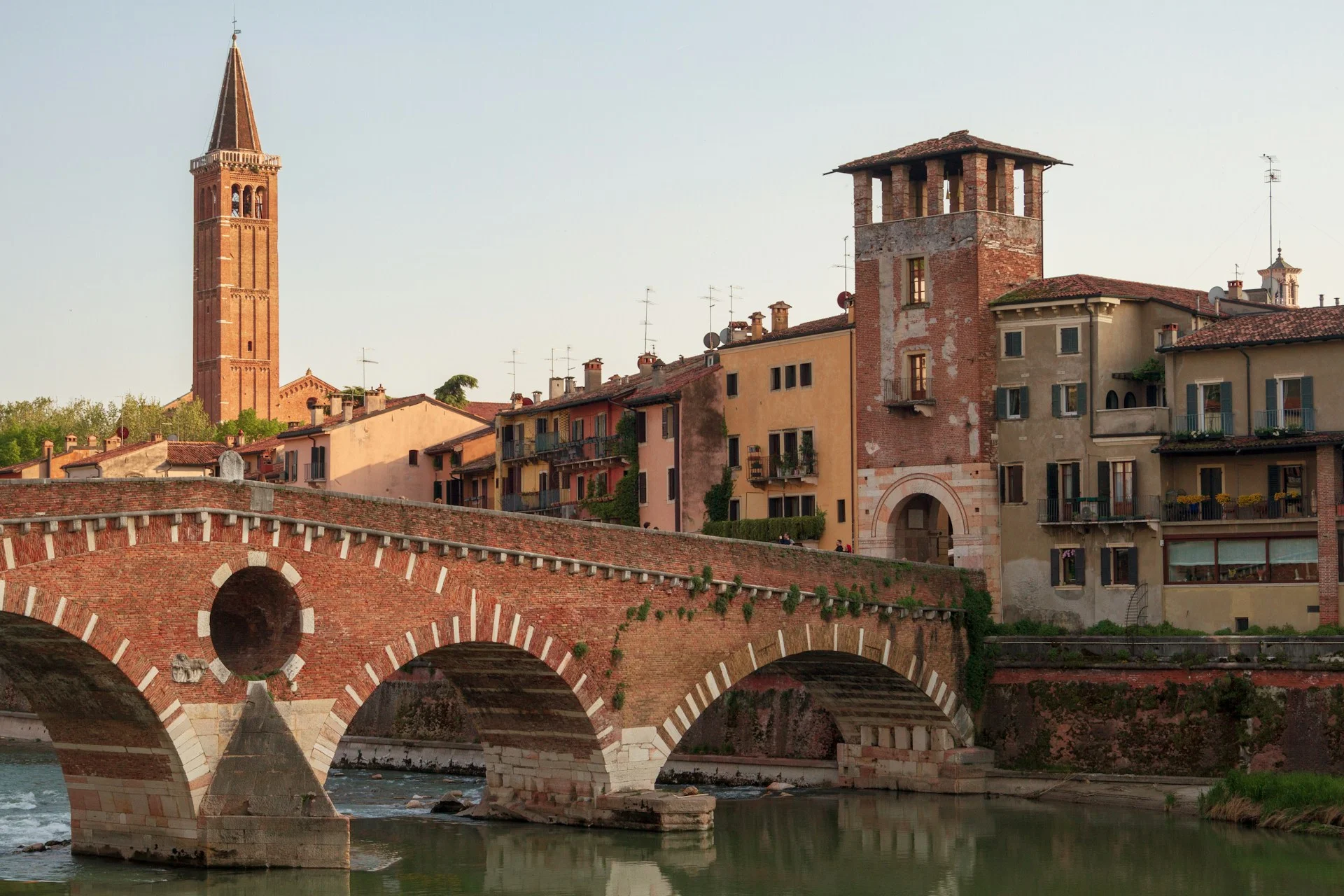
Urban Investment Properties in VeronaHistoric apartments nearamphitheater with demand
Best offers
in Verona
Benefits of investment in
Italy real estate

Historic Stability and Cultural Value
Italian real estate is seen as a secure asset — especially in historic centers and regions with architectural heritage.
Tax Incentives for New Residents
Italy offers favorable tax regimes, including flat-tax programs for foreign residents and real estate buyers.
Strong Rental Market in Cities and Coastal Areas
Consistent demand from tourists and students supports both short- and long-term rental income across urban and resort zones.
Historic Stability and Cultural Value
Italian real estate is seen as a secure asset — especially in historic centers and regions with architectural heritage.
Tax Incentives for New Residents
Italy offers favorable tax regimes, including flat-tax programs for foreign residents and real estate buyers.
Strong Rental Market in Cities and Coastal Areas
Consistent demand from tourists and students supports both short- and long-term rental income across urban and resort zones.


Useful articles
and recommendations from experts
Real Estate in Verona
Real Estate Market Overview
Verona, located in northern Italy’s Veneto region, is a city steeped in Roman, medieval, and Renaissance history. Globally known as the setting of Shakespeare’s ""Romeo and Juliet,"" it attracts tourists, cultural enthusiasts, and investors alike. Beyond its romantic image, Verona offers a vibrant economy, excellent infrastructure, and a strong real estate market fueled by both local demand and international interest.
Verona’s real estate sector is characterized by a mix of historic charm and modern living. The city presents stable property values, a growing short-term rental market, and opportunities in both residential and commercial real estate. Thanks to its location between Milan and Venice, and proximity to Lake Garda, Verona benefits from tourism, logistics, wine trade, and manufacturing sectors.
Property Types and Prices
Verona offers a wide array of property types across its districts:
- Historic apartments: Located in the city center (Città Antica), often in centuries-old palazzos with exposed beams, frescoes, and balconies overlooking piazzas or the Adige River.
- Modern apartments and townhouses: Common in districts like Borgo Trento, San Zeno, and Borgo Venezia, catering to families and professionals.
- Luxury villas: Found in Valpolicella hills or on the outskirts near Lake Garda, often with gardens, vineyards, and panoramic views.
- Commercial real estate: Retail units in high-footfall tourist areas, offices near Porta Nuova train station, and hospitality properties like B&Bs and boutique hotels.
Average property prices in 2024:
- Città Antica (historic center): €4,000–€6,500 per sqm
- Borgo Trento and San Zeno: €3,000–€5,000 per sqm
- Borgo Venezia and Veronetta: €2,500–€4,000 per sqm
- Outskirts and Valpolicella area: €2,000–€3,500 per sqm for countryside villas
Rental yields range from 3% to 5%, with the highest returns from furnished apartments aimed at tourists and students. Short-term rental demand is robust, especially near Piazza delle Erbe, the Arena, and Juliet’s House, with consistent year-round tourism and cultural events.
Legal Aspects and Foreign Ownership
Italy allows foreigners to freely purchase property under the same rules as Italian citizens. Verona is a well-established market for international buyers, especially those from Germany, Austria, Switzerland, France, and the U.S.
The standard purchase process includes:
- Obtaining a Codice Fiscale (Italian tax ID)
- Signing a preliminary agreement (compromesso) with deposit
- Due diligence and legal checks on ownership, permits, and zoning
- Finalizing the sale before a notary (rogito notarile)
- Registering title at the Land Registry (Catasto)
Transaction costs typically include:
- Registration and cadastral tax: 2% for primary home, 9% for secondary
- Notary and legal fees: 1%–2.5%
- Agent commission: around 3%–4% total (buyer and seller split)
Foreigners can apply for residency after the purchase, and Verona is increasingly popular among retirees and digital nomads seeking access to Italian healthcare and lifestyle through long-term stays.
Investment Opportunities
Verona offers multiple property investment paths, including:
- Short-term rentals: Ideal for apartments near the Arena, Piazza Brà, and Roman Theatre. These units can yield strong seasonal income from tourists attending operas, fairs, and festivals.
- Student rentals: The University of Verona ensures a steady demand for affordable housing in areas like Veronetta, San Giovanni, and Borgo Roma.
- Boutique hospitality: Renovated buildings in the center are often converted into small hotels or guesthouses, benefiting from Verona’s cultural and wedding tourism.
- Wine estate investments: The surrounding Valpolicella region offers vineyards and rural homes suitable for agritourism and lifestyle farming.
- Commercial real estate: Retail and logistics assets serve the city’s thriving trade fairs and events sector—Veronafiere is one of Italy’s largest exhibition centers.
In addition, Verona’s continued investment in infrastructure and urban development—including tram lines and regeneration of historical zones—supports long-term property value growth.
Infrastructure and Quality of Life
Verona is a highly livable city with excellent transport and services:
- High-speed train station (Porta Nuova) connects to Milan, Venice, and Rome
- Verona Airport (Valerio Catullo) offers national and European routes
- Efficient bus network and planned light rail project
- Access to Lake Garda, Dolomites, and Valpolicella wine region
- Public and private schools, hospitals, and green urban parks
The city blends history with comfort—residents enjoy daily access to world-class architecture, cuisine, and culture. Verona’s lifestyle is elegant but relaxed, combining traditional markets, outdoor cafes, and a walkable historic core with opportunities for outdoor recreation in nearby lakes and mountains.
Who Buys Property in Verona
Buyer demographics include:
- Local professionals and families: Seeking primary homes in well-connected neighborhoods near schools and offices.
- International retirees: Drawn by Verona’s healthcare access, slow pace, and proximity to nature.
- Germans, Austrians, and Swiss: Purchasing vacation homes or investing in short-term rentals due to easy road access.
- American and French lifestyle buyers: Often investing in historical apartments for seasonal living or relocation.
- Real estate investors: Focusing on tourist apartments, wine estates, or commercial spaces linked to Verona’s trade fair economy.
The short-term rental market is heavily influenced by events such as Vinitaly, Opera Festival, and Christmas markets, giving investors recurring seasonal income potential. International demand is also bolstered by Verona’s proximity to other major Italian cities and tourist regions.
Key Takeaways for Investors
Verona is a strategic, elegant, and increasingly international destination for real estate investors. Key advantages include:
- Strong cultural tourism and consistent rental demand
- UNESCO-listed historic center with high preservation value
- Well-regulated property system with full foreign ownership rights
- Access to wine country, lakes, and mountains within minutes
- Affordable entry compared to Florence, Milan, or Venice
Investor tips:
- Focus on well-located, character-filled properties in Città Antica for rentals
- Verify building licenses and renovation rules for heritage assets
- Evaluate mid-size apartments for student or seasonal leasing
- Consider vineyard or agritourism projects for lifestyle investments
- Work with bilingual legal advisors and certified real estate agents
In conclusion, Verona combines investment logic with aesthetic pleasure. For those seeking a blend of culture, security, and lifestyle, it offers a balanced and rewarding real estate market rooted in centuries of architectural and civic excellence.
"