
High-Yield Rental Investment Properties in MilanBuy-to-let flats in Milan’sfinancial district
Best offers
in Milan
Benefits of investment in
Italy real estate

Historic Stability and Cultural Value
Italian real estate is seen as a secure asset — especially in historic centers and regions with architectural heritage.
Tax Incentives for New Residents
Italy offers favorable tax regimes, including flat-tax programs for foreign residents and real estate buyers.
Strong Rental Market in Cities and Coastal Areas
Consistent demand from tourists and students supports both short- and long-term rental income across urban and resort zones.
Historic Stability and Cultural Value
Italian real estate is seen as a secure asset — especially in historic centers and regions with architectural heritage.
Tax Incentives for New Residents
Italy offers favorable tax regimes, including flat-tax programs for foreign residents and real estate buyers.
Strong Rental Market in Cities and Coastal Areas
Consistent demand from tourists and students supports both short- and long-term rental income across urban and resort zones.



Useful articles
and recommendations from experts
Real Estate in Milan
Real Estate Market Overview
Milan, Italy’s financial capital and global fashion hub, boasts one of the most dynamic and resilient real estate markets in Southern Europe. With its status as a leading European business city, a center for design and education, and a destination for luxury living, Milan attracts both domestic and international property buyers.
The real estate market in Milan is characterized by high demand, limited supply in premium zones, and a steady flow of investment into both residential and commercial sectors. The city has shown strong post-pandemic recovery, with increased interest in green buildings, mixed-use developments, and properties near key transport infrastructure.
Property Types and Prices
Milan offers a wide range of property types:
- Luxury apartments: Found in historic neighborhoods like Brera, Quadrilatero della Moda, and Porta Venezia.
- Modern residences: High-rises and new developments in areas like CityLife and Porta Nuova.
- Student housing: Popular near universities such as Bocconi, Politecnico di Milano, and Università degli Studi.
- Commercial properties: Offices in the central business district, showrooms, and retail units along Via Montenapoleone and Corso Buenos Aires.
- Suburban villas: Located in neighborhoods like San Siro, Lambrate, or on the outskirts of Milan, offering more space and greenery.
Average property prices in 2024:
- Central Milan (Brera, Duomo): €8,000–€15,000 per sqm
- CityLife and Porta Nuova: €7,000–€12,000 per sqm
- Eastern districts (Città Studi, Lambrate): €4,000–€6,000 per sqm
- Peripheral areas: €2,500–€4,500 per sqm
Rental prices are also strong, with furnished apartments in central areas renting for €1,500–€3,500 per month depending on size and location. Yields range from 3%–5% in residential zones and up to 6%–7% in commercial or student rental segments.
Legal Aspects and Foreign Ownership
Italy welcomes foreign investors in real estate, and Milan is no exception. There are no restrictions on foreign nationals purchasing property. The buying process includes:
- Obtaining a Codice Fiscale (Italian tax code)
- Signing a preliminary agreement with deposit (typically 10%)
- Finalizing the sale with a public notary
- Registering the deed with the Land Registry
Transaction costs include:
- Notary and legal fees: 1%–2.5%
- Registration taxes: 2% (first home) or 9% (second home)
- Agent commission: 2%–4%
Foreigners may also apply for Italy’s elective residency visa if purchasing property and meeting income requirements. In addition, the “flat tax regime” for new residents with global wealth can make Milan attractive for high-net-worth individuals.
Investment Opportunities
Milan presents diverse investment scenarios:
- Buy-to-let: Consistent demand from students, expats, and professionals makes Milan a strong city for rental income.
- Luxury redevelopment: Historical properties in central Milan can be renovated and resold or rented at a premium.
- Student housing: Growing international student population and university partnerships create opportunities in both long-term and co-living formats.
- Commercial investments: Office buildings and retail spaces in the fashion district or around Piazza Gae Aulenti remain high-value assets.
- New developments: Investment in modern, sustainable, and energy-efficient properties in regeneration areas such as Scalo Farini or MilanoSesto.
Milan’s ongoing infrastructure upgrades, including new metro lines (M4) and the 2026 Winter Olympics preparations, further boost mid- and long-term real estate value across the city.
Infrastructure and Quality of Life
Milan combines world-class infrastructure with cultural sophistication:
- Extensive metro and tram system covering the entire urban area
- High-speed rail links to Rome, Turin, Venice, and Florence
- Three major airports (Malpensa, Linate, Bergamo)
- International schools and top universities
- Excellent healthcare system, both public and private
The city is a hub for fashion, design, art, and business, hosting global fairs like Salone del Mobile and Milan Fashion Week. Despite its urban density, Milan features many green spaces, including Parco Sempione and the redeveloped areas of CityLife with pedestrian zones and public art.
Quality of life in Milan is high, particularly for young professionals and international residents. It offers a mix of historic elegance and contemporary living, supported by robust public services and a globalized economy.
Who Buys Property in Milan
Buyer profiles in Milan include:
- Local professionals: Purchasing apartments as primary residences or investments.
- Italian investors: Often acquiring multiple units for rental income or family use.
- International buyers: Especially from the US, UK, France, Germany, China, and the Middle East, often targeting central or branded residences.
- Institutional investors: Funds and developers participating in large-scale urban redevelopment or hotel conversions.
- Students and expatriates: Either renting or buying with family support.
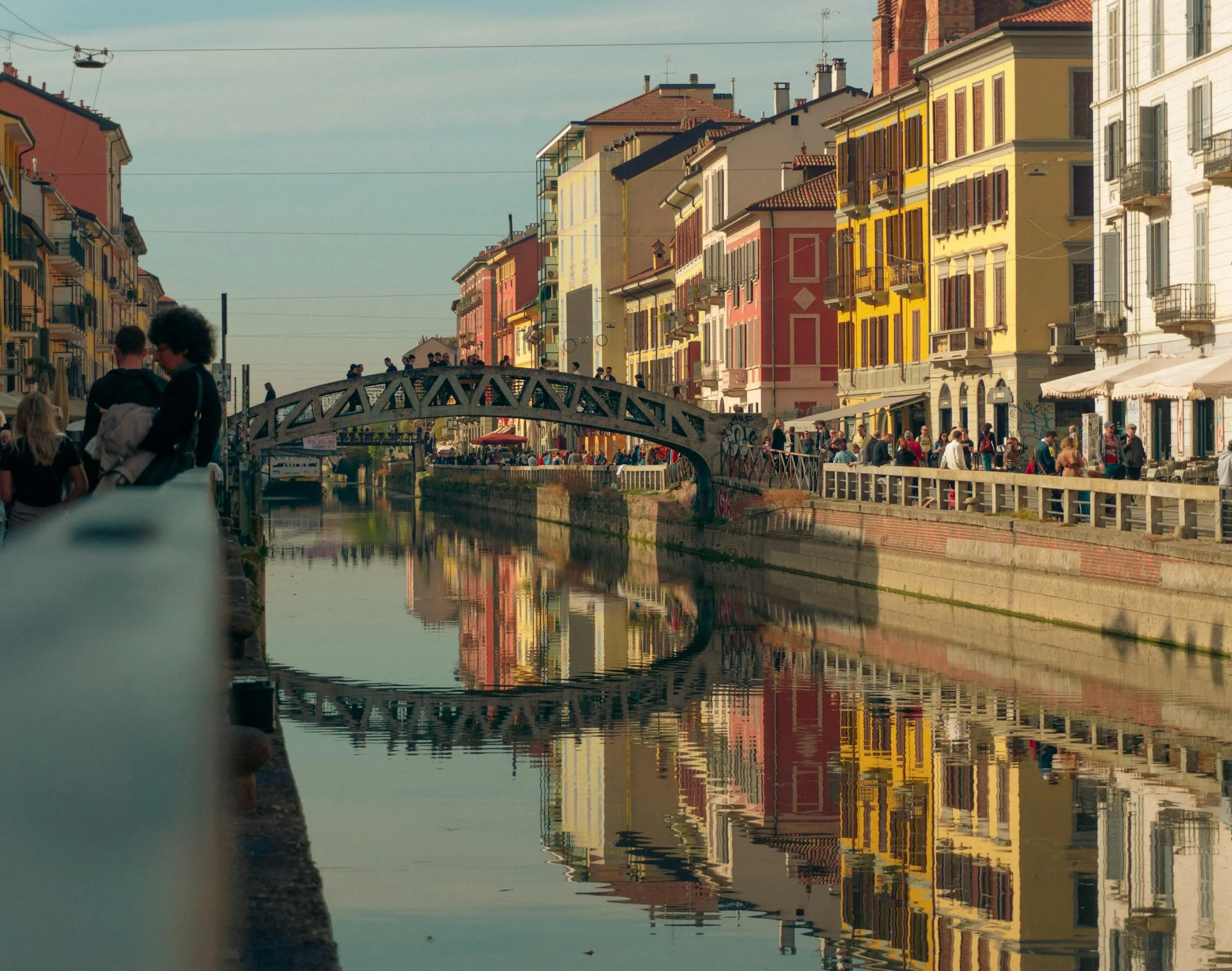
The demand from international buyers is especially strong in zones like Brera, Navigli, and Porta Venezia, where architecture, amenities, and lifestyle converge. Many buyers are drawn by the relative affordability of Milan compared to Paris or London, and the option of applying for Italian residency.
Key Takeaways for Investors
Milan remains one of Europe’s most attractive cities for real estate investment, offering:
- High rental demand and stable capital appreciation
- Legal transparency and foreign ownership protection
- Luxury and modern inventory with diverse price points
- Strong tourism, education, and business fundamentals
- Growing global recognition and post-pandemic urban development
To maximize success, investors should:
- Target high-yield micro-locations (Duomo for luxury, Città Studi for students)
- Work with bilingual legal advisors and licensed agents
- Plan for transaction taxes and property management costs
- Consider renovation opportunities for added value
In conclusion, Milan offers a resilient, prestigious, and international real estate market with both immediate income potential and long-term value growth. Whether you're an investor, lifestyle buyer, or someone looking to establish European roots, Milan provides a solid and culturally rich foundation.
"