
Urban Investment Properties in FlorenceInvestment in region of gastronomyand global romance
Best offers
in Florence
Benefits of investment in
Italy real estate

Historic Stability and Cultural Value
Italian real estate is seen as a secure asset — especially in historic centers and regions with architectural heritage.
Tax Incentives for New Residents
Italy offers favorable tax regimes, including flat-tax programs for foreign residents and real estate buyers.
Strong Rental Market in Cities and Coastal Areas
Consistent demand from tourists and students supports both short- and long-term rental income across urban and resort zones.
Historic Stability and Cultural Value
Italian real estate is seen as a secure asset — especially in historic centers and regions with architectural heritage.
Tax Incentives for New Residents
Italy offers favorable tax regimes, including flat-tax programs for foreign residents and real estate buyers.
Strong Rental Market in Cities and Coastal Areas
Consistent demand from tourists and students supports both short- and long-term rental income across urban and resort zones.

Useful articles
and recommendations from experts


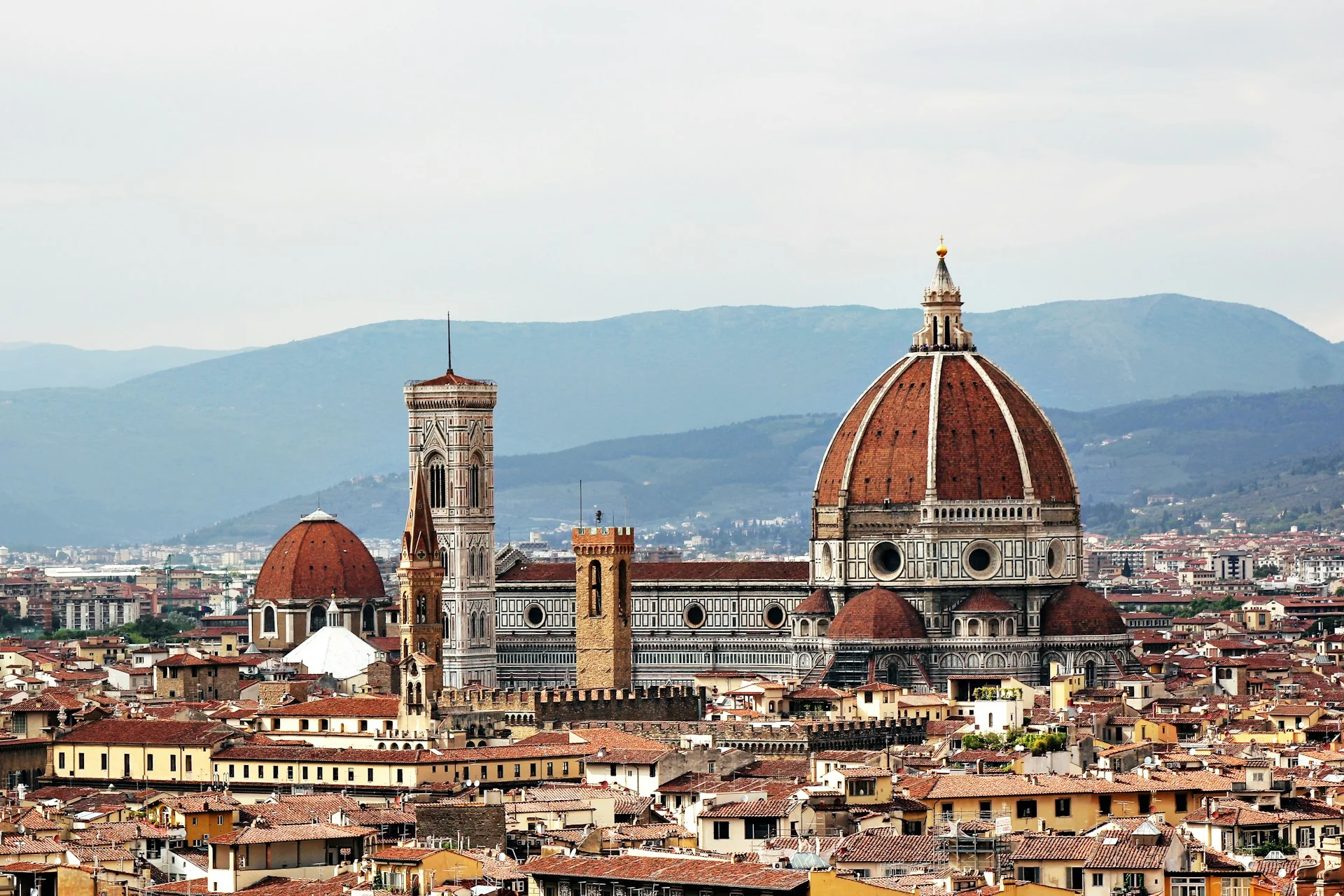
Real estate in Florence - capital of Tuscany region in Italy: timeless landscapes and international investment appeal
Why invest in property in Florence, Tuscany
Tuscany is one of the most recognizable and romanticized regions in the world — a place where medieval hilltop towns, vineyards, cypress-lined roads, and Renaissance heritage converge. For investors, it offers a blend of emotional appeal and real financial value. With strict construction controls, heritage preservation laws, and year-round tourism, Tuscany maintains a stable property market with long-term growth potential. It also attracts a global buyer base — from luxury investors and retirees to wine enthusiasts and digital nomads — drawn by lifestyle, beauty, and legacy ownership.
Thanks to its broad geographic diversity, Tuscany allows for various investment strategies: from urban apartments in Florence to agritourism estates in Chianti, or seaside homes on the Maremma coast. Property in Tuscany is more than a home — it’s a strategic asset tied to heritage, culture, and international demand. The region also supports rural development through renovation grants and agritourism licenses, further enhancing its appeal for buyers seeking income-generating countryside assets.
Types of real estate available
The Tuscan market includes luxury villas, farmhouses (casali), renovated apartments in historic towns, and vineyard estates. In Florence, buyers find Renaissance palazzos converted into elegant apartments, modern flats in Oltrarno or Campo di Marte, and investment units near universities. Siena, Pisa, and Lucca offer smaller urban centers with walkable medieval cores and stable rental demand.
In rural areas, properties range from rustic farmhouses in need of restoration to turnkey estates with pools and guesthouses. Chianti, Val d’Orcia, and the Crete Senesi region are particularly popular with international buyers for their postcard landscapes and access to services. Coastal Tuscany — including areas like Forte dei Marmi, Castiglione della Pescaia, and the Monte Argentario peninsula — offers beach villas, apartments, and marina properties favored by high-net-worth individuals.
Many properties in the countryside qualify for conversion into bed & breakfasts, boutique hotels, or agriturismo facilities. There is also a growing interest in fractional ownership and co-investment models for luxury estates and vineyard holdings. Whether you're looking for a lifestyle asset, rental property, or working estate, Tuscany provides ample diversity.
Foreign ownership and legal aspects
Italy allows full property ownership by foreigners, and Tuscany is especially accustomed to international buyers. The process includes obtaining an Italian tax code (codice fiscale), signing a preliminary agreement, and finalizing the sale through a local notary. Due diligence is essential, particularly for rural properties that may have complex land registry records or need renovation permits.
VelesClub Int. supports buyers with multilingual legal advice, technical inspections, and permit coordination. For properties requiring restoration, we manage planning permissions and liaise with heritage authorities where applicable. We also advise on tax-efficient ownership structures, VAT exemptions, and potential access to rural development grants or EU-funded sustainability bonuses. For agritourism buyers, we facilitate licensing and business setup.
Property prices and rental yields
Prices vary significantly across Tuscany. In Florence, prime properties near the Duomo or Arno River average €5,500–€8,000 per square meter, with luxury penthouses reaching €10,000+/m². In Siena and Lucca, historic apartments range from €3,000–€5,000/m². Pisa remains more affordable, with averages of €2,500–€3,500/m² depending on location and condition.
In the countryside, renovated farmhouses in Chianti or Val d’Orcia typically sell for €3,500–€6,500/m². Properties with vineyards, olive groves, or panoramic views can fetch premium prices. In coastal zones, Forte dei Marmi ranks among the most expensive beach destinations in Italy, with villas priced at €10,000–€15,000/m². Elsewhere on the Maremma coast or Argentario, prices average €4,000–€7,000/m².
Rental yields in Tuscany depend on property type and location. Short-term vacation rentals in Florence can generate 5%–8% gross annually, especially for well-managed apartments near tourist landmarks. In the countryside, agritourism estates and villa rentals perform well in summer, often achieving 60%–80% occupancy and seasonal rates of €1,500–€4,000 per week. Long-term rental yields are more modest — around 2.5%–4% — but provide year-round stability in university towns or commuter belts.
Neighborhoods and lifestyle
Tuscany offers a rich variety of lifestyles and investment environments:
- Florence: A global city of art and academia, with year-round tourism, student demand, and luxury appeal.
- Siena: A medieval jewel with cultural tourism and a stable local population.
- Lucca: Walled city with family-friendly ambiance and growing expat community.
- Chianti: Rolling vineyards and scenic estates, ideal for agritourism or luxury retreats.
- Val d’Orcia: UNESCO-listed countryside with premium estate potential.
- Forte dei Marmi & Argentario: Coastal luxury hubs favored by elite Italian and international buyers.
Life in Tuscany is defined by quality: food, wine, culture, nature, and architecture. The region is also practical — with access to international airports (Florence, Pisa), highways, top-tier hospitals, and international schools. Whether you’re seeking rural silence or vibrant urbanity, Tuscany delivers a unique blend of beauty and functionality.
Who buys real estate in Tuscany
Tuscany has long been a magnet for international buyers. British, American, Dutch, German, and French investors dominate the countryside market, often acquiring properties for family use and seasonal rental. In urban centers like Florence and Siena, buyers include university faculty, diplomatic personnel, and Italian professionals seeking heritage apartments or rental units.
Institutional buyers are also present, particularly in the hotel and wine sectors. Some buyers look to develop boutique hospitality properties, organic farms, or vineyard brands. Others purchase villas or castles as legacy assets for multigenerational enjoyment. Recently, younger buyers and digital entrepreneurs have entered the market, often renovating smaller farmhouses as hybrid personal/work spaces.
How VelesClub Int. helps you
VelesClub Int. provides tailored support for purchasing, restoring, and managing real estate in Tuscany. We begin with a detailed investment profile, analyzing your budget, goals (lifestyle vs. income), and preferred areas. We present curated listings, perform full legal and technical due diligence, and coordinate with notaries, architects, and local officials.
For income-focused investors, we model rental forecasts, oversee short-term licensing, and provide operational management solutions. For restoration projects, we source reputable builders and help apply for energy efficiency grants or rural business incentives. We also advise on cross-border tax planning, fiscal residency, and generational estate planning.
Whether you’re acquiring a vineyard near Siena, a penthouse in Florence, or a guesthouse in Lucca, VelesClub Int. ensures your Tuscan investment is secure, compliant, and aligned with your vision. Our ecosystem provides the expertise and local access to turn any property into a lasting asset and personal sanctuary.