
Addis Ababa Real Estate for Investment – Opportunities for BuyersHousing in key business and embassy zones
Best offers
in Addis Ababa
Benefits of investment in
Ethiopia real estate


Land options near lakes, cities, and parks
While foreign ownership is limited to leases, Ethiopia offers access to fertile land and growing urban zones at low prices.
Strategic capital with real estate potential
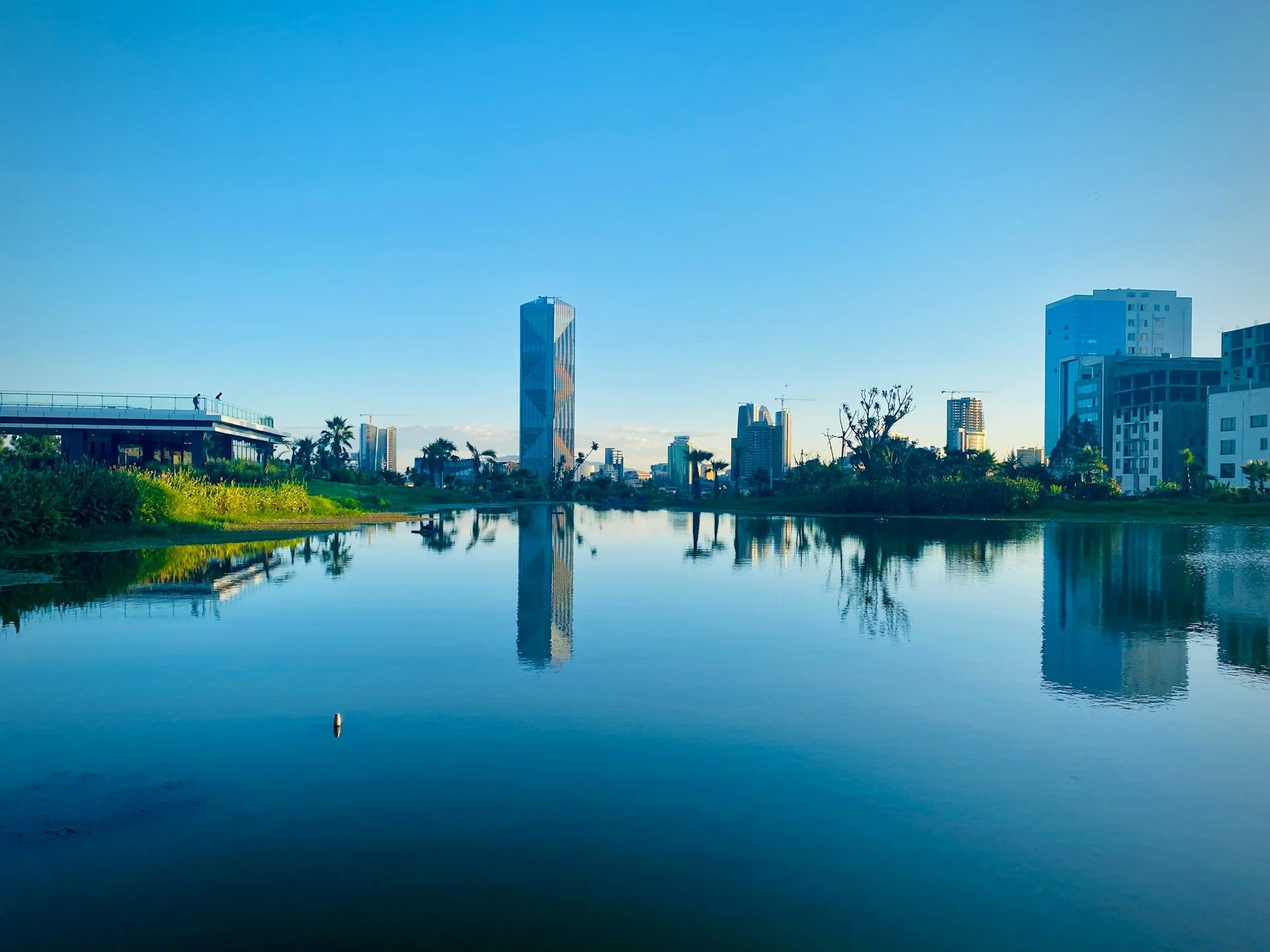
Addis Ababa is one of Africa’s fastest-developing capitals, with rising demand for housing and infrastructure.
Strong cultural identity and historical sites
Buyers with long-term vision can tap into heritage-rich locations like Lalibela or Gondar as tourism and services evolve.
Land options near lakes, cities, and parks
While foreign ownership is limited to leases, Ethiopia offers access to fertile land and growing urban zones at low prices.
Strategic capital with real estate potential
Addis Ababa is one of Africa’s fastest-developing capitals, with rising demand for housing and infrastructure.
Strong cultural identity and historical sites
Buyers with long-term vision can tap into heritage-rich locations like Lalibela or Gondar as tourism and services evolve.









Useful articles
and recommendations from experts
Real Estate in Addis Ababa, Ethiopia
Why Invest in Addis Ababa
Addis Ababa, the capital and largest city of Ethiopia, is a thriving metropolis at the heart of one of Africa’s fastest-growing economies. As the seat of the African Union and numerous international organizations, it has strong diplomatic presence, infrastructure investment, and a rising middle class. With improved highways, modern housing developments, and foreign direct investment in construction, Addis Ababa’s real estate market offers solid opportunities across residential, commercial, and industrial segments. The city’s elevation, relative safety, and dynamic urban expansion make it attractive for local and diaspora investors alike.
Types of Real Estate in Addis Ababa
The city has a wide variety of property options:
- High-rise apartments: Found in Bole, Kazanchis, and Old Airport, often catering to professionals, expats, and government staff.
- Villas and townhouses: Popular in areas like Old Airport, CMC, Ayat, and Summit, often gated and with modern finishes.
- Commercial buildings: Offices, retail centers, and hotels around Meskel Square, Bole Road, and Mexico Square.
- Industrial land: Located on the outskirts, including Akaki-Kality and Gelan, serving logistics and manufacturing sectors.
- Residential plots: Available in new townships such as Yeka Hills and Lemi Kura for build-to-own housing.
Ownership and Legal Framework
Real estate laws in Ethiopia distinguish between citizens and foreigners:
- Foreigners: Cannot directly own land but may enter long-term leases (up to 99 years) through joint ventures or investment licenses for commercial or industrial purposes.
- Diaspora Ethiopians: With Ethiopian origin ID cards can buy residential and commercial property under certain rules.
- Citizens: May acquire full property rights for houses, apartments, and commercial buildings.
Market Prices and Property Trends
Addis Ababa has witnessed sharp real estate price increases in recent years, particularly in upscale neighborhoods:
- 2-bedroom apartment in Bole: USD 120,000 – 220,000
- Modern villa in Old Airport: USD 300,000 – 800,000+
- Office space (per m²): USD 1,500 – 3,000 depending on location and finish
- Land lease rights (per m²): USD 100 – 400+ in central districts
Rental Yields and Demand
The rental market in Addis Ababa is well developed, with various tenant types:
- Diplomats and NGO staff: Renting villas or apartments in Old Airport, Bole, and Sarbet
- Corporate expatriates: Working in telecom, infrastructure, or banking sectors
- Young professionals and diaspora: Renting smaller units in mid-range buildings
- Retail and commercial tenants: Occupying ground-floor shops and office suites
- Luxury apartment: 6% – 9% annually
- Villa in gated compound: 5% – 7%
- Retail property: 8% – 12% in high-footfall areas
Investment Scenarios
Investors in Addis Ababa may consider:
- Apartment leasing project: Build or buy a multi-unit apartment in CMC for lease to returning diaspora, yielding 7% – 9% annually
- Boutique hotel development: Near Bole International Airport, targeting business travelers with nightly rates USD 60–100
- Office rental building: Develop or purchase a mid-rise structure in Kazanchis or Mexico Square for company leases
- Industrial warehouse lease: Construct storage facilities in Akaki-Kality near new expressway routes for logistics firms
Popular Neighborhoods in Addis Ababa
- Bole: Trendy commercial hub with malls, restaurants, and luxury apartments close to the airport
- Old Airport: Preferred by diplomats and long-term expats, with quiet streets and well-built villas
- Cazanchis: Near UN and international headquarters, ideal for office and furnished rental investments
- CMC and Ayat: Residential suburbs with growing demand and modern developments
- Sarbet and Megenagna: Balanced zones with retail, housing, and transport connectivity
Buying Process and Documentation
While foreigners must lease land through authorized channels, property transactions in Addis Ababa involve:
- Obtaining investment or diaspora identification (if eligible)
- Signing lease or property transfer agreement with developer or government agency
- Payment of applicable fees, lease payments, and stamp duty
- Legal registration through land administration offices
- Construction or renovation approvals (if required)
Taxes and Maintenance Costs
Property ownership costs include:
- Annual land lease fee: Based on plot size and location; varies widely
- Income tax on rent: 15% – 35% based on net income
- Capital gains tax: Applied at time of sale; up to 15% depending on asset type
- VAT: Charged on commercial properties and services
- Maintenance fees: LKR 50 – 150/month per unit for shared services in apartments
Who Should Invest in Addis Ababa
Ideal investor profiles include:
- Returning diaspora: Looking to invest in homes or generate rental income
- Regional real estate developers: Targeting commercial, hotel, or apartment projects
- NGO or diplomatic stakeholders: Securing long-term accommodation or offices
- Industrial logistics operators: Interested in land leases or warehouse development
- Ethiopian citizens: Diversifying into residential or mixed-use property ownership
Conclusion
Addis Ababa continues to grow as a major political, commercial, and cultural center in East Africa. Its dynamic real estate market reflects rising urbanization, infrastructure expansion, and strong rental demand. While legal complexities exist—especially for foreign investors—the potential for long-term capital appreciation and stable income is significant. Strategic location, young population, and increasing regional influence make Addis Ababa a smart addition to any property investment portfolio in Africa.