
Cross-Border Payments to KaragandaMulti platform access with expert concierge oversight
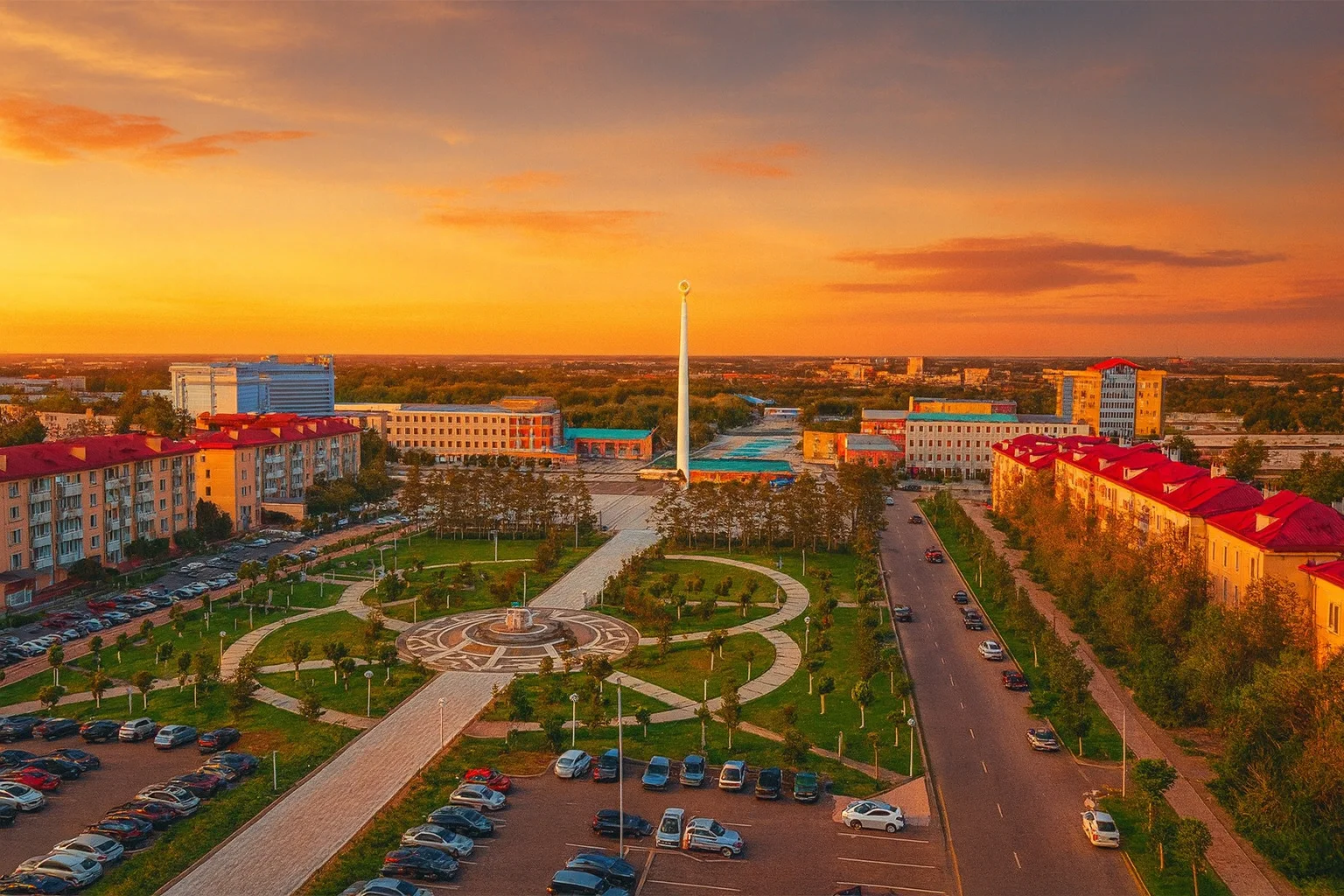
Secure international payments in Karaganda


Metals-driven settlements
Karaganda relies on international payments for mining and processing contracts, equipment and spare parts invoices, cross border engineering services, tuition and medical transfers, and family support, creating steady inbound and outbound activity tied to industrial schedules
Reference and fee control
Karaganda transfers stay predictable when invoice identifiers and contract codes are copied exactly, charge options are agreed before sending, and value dates are planned around cutoffs, so cross border payments reconcile without short credits or holds
Concierge execution
VelesClub Int. Global Concierge selects transfer routes, prepares payment orders, verifies account details, confirms limits with partner banks, coordinates communication, monitors execution to completion, and issues final confirmations for official records and reconciliation
Metals-driven settlements
Karaganda relies on international payments for mining and processing contracts, equipment and spare parts invoices, cross border engineering services, tuition and medical transfers, and family support, creating steady inbound and outbound activity tied to industrial schedules
Reference and fee control
Karaganda transfers stay predictable when invoice identifiers and contract codes are copied exactly, charge options are agreed before sending, and value dates are planned around cutoffs, so cross border payments reconcile without short credits or holds
Concierge execution
VelesClub Int. Global Concierge selects transfer routes, prepares payment orders, verifies account details, confirms limits with partner banks, coordinates communication, monitors execution to completion, and issues final confirmations for official records and reconciliation








Useful articles
and recommendations from experts
Karaganda international payments with two-way settlement clarity
Why Karaganda matters in international payments
Karaganda is a large industrial center in Central Kazakhstan where mining, metals processing, energy-linked activity, and engineering services create a steady need for predictable international payments. Companies operating in and around the city often work with overseas suppliers for machinery, industrial components, spare parts, software licensing, and specialist services tied to production uptime. At the same time, inbound receipts arrive from foreign counterparties connected to export-oriented output and contracted industrial services, and those receipts must be reconciled quickly against invoices and contract milestones.
For many local businesses, cross border transactions are not occasional. They repeat across procurement cycles and project timelines, where a single missed identifier in a payment reference can delay allocation and trigger follow up from the recipient. This is especially relevant when several invoices are open in parallel and the recipient finance team allocates funds using reference rules, not informal explanations. In this context, international payment systems are valuable when they support stable narratives, clean confirmations, and a settlement rhythm that can be planned.
Karaganda also has clear personal demand. Families send tuition fees abroad, support students with recurring living payments, and handle medical-related transfers where institutions require proof of purpose and reliable confirmations for records. Professionals and small businesses can also receive income from overseas partners and pay for cross border services. These two-way flows mean that both corporate teams and households need international payments that are predictable, documented, and easy to reconcile.
Why transferring money in Karaganda can be challenging
Transferring money linked to Karaganda can be challenging because many payments are documentation-driven and invoice-sensitive. Industrial settlements often require exact invoice numbers, contract codes, or project identifiers to appear in the payment narrative. If a SWIFT reference is shortened, reordered, or replaced with generic wording, the recipient may not allocate funds promptly even when the money arrives, which delays confirmation and can affect supply schedules or service activation.
Charge handling is another frequent friction point. If charge options are not agreed before execution, deductions can occur along the chain and create a short credit. When a supplier expects an exact amount to close an invoice, a short credit can keep the invoice open and lead to a request for a top up payment. This is a common cause of extra reconciliation cycles for business international payments connected to Karaganda, especially when multiple invoices are paid in batches.
Timing and value dates also matter. Payments initiated near processing cutoffs can shift value dates by a business day, and that shift becomes more visible around weekends and local holiday periods. A value date shift can be treated as late settlement when a contract specifies a date for payment completion, not just instruction submission. Swift payments can still slow down if supporting documents are incomplete or if beneficiary details do not match the invoice header and bank instructions closely enough.
Mini example one is a Karaganda equipment purchase where the payment reference includes only a supplier name and omits the invoice number, causing delayed allocation. Mini example two is a recurring engineering service fee where the payer changes the narrative format across months, forcing manual statement checks. Mini example three is a staged project payment initiated late in the day that posts with a later value date, requiring additional confirmations for internal reporting.
How VelesClub Int. solves these issues in Karaganda
Karaganda requires structured execution because many transfers are tied to industrial invoices, strict allocation rules, and deadline-sensitive value dates.
VelesClub Int. Global Concierge provides fully personalized support for international money transfers. Each transaction is curated individually — from selecting the most suitable transfer route (banking, alternative, or multi-platform) to preparing payment orders, verifying account details, and confirming compliance with limits. The entire process is monitored until completion, ensuring security and transparency at every step. Our specialists handle direct communication with partner banks and payment systems on behalf of the client.
Legal and compliance guidance
Every transfer follows international legal and financial regulations. The concierge team verifies the source of funds and ensures compliance with AML and KYC requirements. We prepare and notarize all related documents — contracts, invoices, and bank statements — and conduct legal checks for international sanctions or currency restrictions. Clients receive expert consultations on financial and currency regulations across multiple countries, ensuring every transaction is properly structured and risk-free.
Financial architecture of the transfer
Each transfer is designed with a tailored financial structure. This includes escrow coordination for secure settlements, split-payments to distribute funds between multiple recipients, and currency conversion combined with hedging strategies to manage exchange-rate risks. Multi-currency accounts and vIBAN structures allow for smooth and compliant cross-border payments, offering both flexibility and reliability.
Partner banking infrastructure
VelesClub Int. works with a trusted network of authorized banks across Europe and Asia. The concierge team assists in opening personal and corporate accounts for specific goals — from property purchases and business settlements to investment transfers, tuition, or medical payments. Clients benefit from comprehensive support throughout the entire transaction cycle, with full control over timing, accuracy, and documentation.
Insurance and asset protection
Transactions can be insured to cover potential errors, delays, or discrepancies. Each counterparty is verified before funds are sent, minimizing the risk of fraud or miscommunication. An optional refund mechanism is also available in case of disputes, ensuring that every client’s capital remains protected under any circumstances.
Premium services
Clients of VelesClub Int. Global Concierge receive priority access to personal currency managers available 24/7. Urgent transfers are processed with accelerated handling, while detailed reports can be prepared for Family Offices or tax advisors. The service combines privacy, precision, and seamless communication — creating a premium experience for international financial operations.
Integration within the ecosystem
Global Concierge is closely integrated with the broader VelesClub Int. ecosystem, supporting real estate transactions, investment operations, and residence or citizenship services. At the same time, it functions independently for clients who simply wish to make secure, compliant, and efficiently managed international transfers.
Karaganda’s economy and global outreach
Karaganda is associated with heavy industry and resource-linked value chains that connect local enterprises to foreign suppliers and customers. This produces cross border payments for equipment procurement, maintenance services, industrial components, and specialist engineering work. Inbound receipts may be tied to contracted output, long-term supply agreements, or services delivered under project frameworks. Outbound settlements often follow invoice schedules that are strict about references and exact amounts, which raises the importance of predictable posting.
Because industrial activity is plan-based, the settlement rhythm matters. Finance teams want consistent value dates, clean statements, and confirmations that can be matched to invoice batches without manual reconstruction. When international payments in Karaganda are prepared with stable identifiers and consistent narratives, reporting becomes faster and disputes become less frequent. This is the practical difference between a transfer that merely moves funds and one that closes an obligation.
Some clients aim to standardize recurring payments into a repeatable routine that feels like global pay in practice, meaning each transaction is prepared the same way and can be audited the same way. Others prefer a one payment discipline for recurring counterparties, where references, documents, and confirmation outputs stay stable across repeated cycles. In Karaganda, these habits reduce exceptions when many payments are processed under similar contract terms.
Security and accountability
Security for Karaganda-related transfers starts with verifying the counterparty and confirming the accuracy of beneficiary details before funds are sent. Industrial ecosystems involve multiple suppliers and service providers, and payment instructions can move through different channels inside a company, which increases the risk of errors. Counterparty verification reduces misdirection risk and helps ensure the payment instruction matches the intended legal entity and invoice record.
Accountability depends on evidence that works for official records and internal controls. Companies need confirmations to close invoices, demonstrate compliance with contract terms, and respond to audits or dispute questions. Individuals need confirmations for tuition and medical payments where institutions may request proof that can be archived and reused. Escrow coordination can support structured settlement when release conditions matter, split-payments can help distribute funds to multiple recipients while keeping confirmations separate, and insurance can reduce exposure to operational errors, delays, or discrepancies.
For payment cross border reporting, consistent narratives and reusable confirmations reduce repeated clarification cycles. In Karaganda, the goal is to keep cross border transactions predictable across repeats, so reconciliation remains a routine process instead of an exception-driven effort.
Local case examples - Karaganda in practice
Scenario one: a Karaganda industrial firm pays an overseas supplier for replacement parts, and allocation depends on including the exact invoice number and contract code in the reference. Scenario two: a project involves overseas engineering services, and the recipient requires purpose wording that matches the service agreement and invoice terms for clean posting.
Scenario three: an inbound receipt arrives from a foreign counterparty for staged delivery under a supply agreement, and the Karaganda finance team needs a stable project identifier to reconcile the receipt to internal milestones. Scenario four: a settlement must be distributed to two recipients, one for equipment and one for a related service fee, and split-payments provide separate confirmations for each obligation. Scenario five: a family in Karaganda sends tuition funds abroad, and the institution applies funds only when a student identifier and beneficiary details match the invoice record.
These scenarios show why international payment systems must support documentation quality, stable identifiers, and confirmations that can be reused. They also show why business international payments are often less about speed and more about predictable execution.
How the concierge ensures smooth execution (FIXED BLOCK)
1. You provide sender, recipient, purpose, amount, and currency.
2. We verify documents and details.
3. Partner banks confirm route and limits.
4. Funds move under real-time tracking.
5. You receive final confirmations for official records.
This unified system replaces multiple bank interactions with one secure approval. Clients authorize once; VelesClub Int. Global Concierge manages verification, coordination, and confirmation through licensed partners.
Integration with the VelesClub Int. ecosystem
Transfers linked to Karaganda often sit inside broader goals where evidence of funds movement must align with a larger purpose. Real estate transactions, investment operations, and residence or citizenship processes can require documented transfers, consistent statements, and confirmations that are suitable for later review. The VelesClub Int. ecosystem supports these workflows by keeping payment evidence aligned with related steps, so clients do not have to rebuild documentation trails across separate processes.
Even when a client only needs international payments, ecosystem alignment still helps because confirmations and documents are often reused. When the same counterparty is paid repeatedly, stable narratives and consistent documents reduce friction across future transfers. For Karaganda, where many obligations are recurring and invoice-based, this turns cross border payments into predictable infrastructure rather than repeated problem-solving.
Conclusion - reliability and control in Karaganda
Karaganda requires disciplined execution because many transfers are invoice-driven, sensitive to charge handling, and dependent on cutoff-aware value dates. Reliable cross border payments come from stable references that mirror contracts, planned fee handling to avoid short credits, and defined conversion logic. With end-to-end monitoring and confirmations suitable for official records, international payments tied to Karaganda can remain predictable for both industrial cycles and personal obligations.
FAQ for Karaganda
How long do international payments linked to Karaganda usually take? Timing depends on the selected route and the processing windows used by the involved banks. Cutoffs can shift value dates by a business day if instructions are submitted late. Planning the send time and preparing documents early improves predictability for Karaganda.
What causes delays most often for cross border payments in Karaganda? Missing invoice identifiers in the narrative and beneficiary naming mismatches are common causes. If a recipient cannot allocate funds to an open invoice, posting confirmation may stall until clarification is provided. Stable references across repeats reduce these delays.
How should charges be handled when an invoice requires an exact credited amount? Charge options should be decided before sending so the credited amount matches the invoice requirement after deductions. If a short credit occurs, the invoice may remain open and a top up transfer may be requested. Clear planning reduces rework.
Are swift payments always fast for Karaganda settlements? Speed depends on documentation quality and reference discipline, not only the channel. If identifiers are missing or documents do not match the stated purpose, posting can slow due to review. Clean documents and stable narratives make swift payments more predictable.
Which documents matter most for business international payments connected to Karaganda? Contracts and invoices define purpose and identifiers used for allocation, while bank statements and confirmations support reporting and audits. When these documents match the payment narrative, reconciliation becomes faster. This reduces exception handling for recurring payments.
When is escrow useful for Karaganda-related settlements? Escrow can help when settlement must follow conditions, such as staged delivery, inspection, or acceptance milestones. It separates the movement of funds from release logic and supports clearer accountability. This can reduce disputes where timing affects operations.
Can confirmations be reused for recurring transfers linked to Karaganda? Often yes when sender profile, recipient, and purpose remain consistent across cycles. Reusable confirmations reduce repeated checks and improve reporting continuity. Keeping the same narrative format also helps recipients allocate recurring payments faster.