
Commercial property in ShymkentCity assets with business clarity
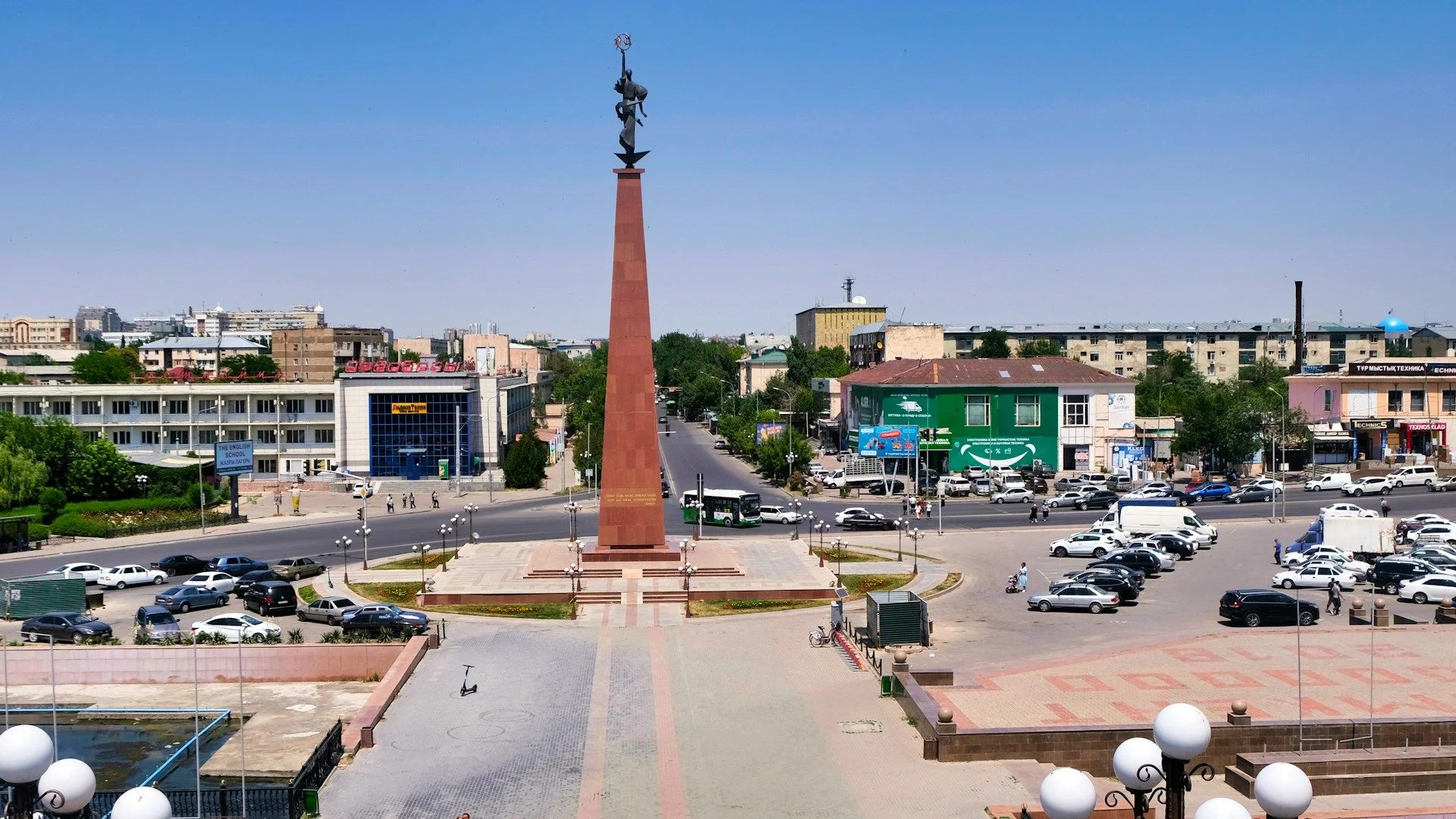
Best offers
in Kazakhstan
Benefits of investing in commercial real estate in Shymkent


Shymkent market dynamics
Shymkent's role as regional administrative and industrial hub drives demand for offices, logistics, retail and healthcare, producing a mix of stable public and industrial leases alongside seasonal retail and hospitality tenancy profiles
Asset types and strategies
Central high street retail and small to mid-size offices dominate Shymkent CBD, while logistics and light industrial cluster near transport corridors; strategies include core long-term leases, value-add repositioning, and single-tenant versus multi-tenant allocations
Expert selection support
VelesClub Int. experts define strategy, shortlist assets and run screening with tenant quality checks, lease structure review, yield logic, capex and fit-out assumptions, vacancy risk assessment and a tailored due diligence checklist
Shymkent market dynamics
Shymkent's role as regional administrative and industrial hub drives demand for offices, logistics, retail and healthcare, producing a mix of stable public and industrial leases alongside seasonal retail and hospitality tenancy profiles
Asset types and strategies
Central high street retail and small to mid-size offices dominate Shymkent CBD, while logistics and light industrial cluster near transport corridors; strategies include core long-term leases, value-add repositioning, and single-tenant versus multi-tenant allocations
Expert selection support
VelesClub Int. experts define strategy, shortlist assets and run screening with tenant quality checks, lease structure review, yield logic, capex and fit-out assumptions, vacancy risk assessment and a tailored due diligence checklist








Useful articles
and recommendations from experts
Practical commercial property in Shymkent overview
Why commercial property matters in Shymkent
Shymkent's commercial property market supports a local economy that combines regional trade, services, and industrial distribution. Demand for office space in Shymkent is shaped by professional services, local corporate offices, and public administration functions, while retail space in Shymkent responds to a mix of everyday consumption and concentrated trade corridors. Hospitality and short-stay accommodation needs arise from business travel and regional transit, and healthcare and education facilities generate stable, specialised leasing requirements. Industrial and warehousing demand follows manufacturing nodes and regional logistics flows. Buyers in this market include owner-occupiers seeking operational certainty, investors looking for rental income or capital appreciation, and operators focused on asset management and cash flow from leased portfolios. The interaction of these buyer types creates a market where lease terms, tenant mix, and location attributes determine investment suitability.
The commercial landscape – what is traded and leased
The traded and leased stock in Shymkent ranges from small high-street retail units to mid-rise office buildings, purpose-built warehouses, and mixed-use buildings combining residential and commercial floors. Business districts concentrate office-driven leasing and service-sector demand, while high street corridors carry retail footfall and smaller format leases. Neighborhood retail serves local catchments with shorter leases and higher tenant turnover, and business parks deliver larger floorplates suited to back-office functions or light industry. Logistics zones and last-mile consolidation areas accommodate warehouse property in Shymkent, where access to arterial roads and freight links defines utility. Tourism clusters and hospitality corridors generate short-term leases and seasonal variability. In this market, lease-driven value is key for assets where contracted rent and tenant credit are the primary cashflow drivers. Asset-driven value applies where the physical property, redevelopment potential, or alternative use create the principal source of future value. Investors distinguish between properties whose returns depend on current lease rolls and those where refurbishment, reconfiguration, or rezoning can materially alter income profiles.
Asset types that investors and buyers target in Shymkent
Retail space options in Shymkent include street-level shops, small shopping parades, and retail units integrated into mixed-use buildings. High street retail commands premiums when located on corridors with sustained pedestrian flows, while neighborhood retail appeals to tenants with localized customer bases and lower entry rents. Office space in Shymkent covers traditional small-to-medium floorplates for local firms, flexible serviced office offerings for startups and satellite teams, and administrative buildings for corporate and government occupiers. Prime office logic focuses on location, accessibility, floorplate efficiency, and stable tenants; non-prime offices trade more on cost basis and upgrade potential. Hospitality assets serve business visitors and regional tourism; room rates and occupancy cycles are influenced by event calendars and transport connectivity. Restaurant, cafe, and bar premises require specific fit-out and hooding arrangements and are often leased on shorter terms with higher operating complexity. Warehouses and light industrial properties respond to supply chain requirements and e-commerce trends; proximity to main distribution arteries, clearance heights, and yard space determine utility. Revenue houses and mixed-use buildings can combine residential cashflow with ground-floor retail or office tenants, allowing diversification of income streams and cross-subsidy between uses. Investors compare these segments by analyzing lease length, tenant profile, capex needs, and potential for repositioning within Shymkent's market context.
Strategy selection – income, value-add, or owner-occupier
Choosing a strategy in Shymkent requires alignment between local market dynamics and the investor's horizon. An income-focused approach targets stable, longer-term leases with creditworthy tenants to generate predictable cashflow. This strategy suits investors who prioritize low management intensity and prefer assets where lease covenants and indexation protect nominal returns. A value-add strategy concentrates on properties where operational improvements, refurbishment, re-leasing, or minor repositioning can materially increase net operating income. In Shymkent, value-add opportunities often arise in non-prime offices, older retail units that can be modernized, or warehouses that can be upgraded for e-commerce fulfilment. Mixed-use optimization leverages cross-tenant synergies and can be effective where planning and technical constraints allow reallocation between commercial and residential components. Owner-occupier purchases are pragmatic for companies seeking location control, tailored fit-outs, and avoidance of landlord-driven constraints; in Shymkent this can be particularly relevant for local manufacturing firms, healthcare providers, and education operators. Local factors that influence these strategic choices include business cycle sensitivity in regional demand, typical tenant churn rates, seasonality in retail and hospitality, and the relative intensity of planning and permitting processes. Each strategy carries different operational requirements and risk profiles that investors must weigh against financing capacity and exit intentions.
Areas and districts – where commercial demand concentrates in Shymkent
Commercial demand in Shymkent concentrates according to a network of functional districts rather than a single uniform market. Central business corridors and civic districts host administrative functions and compact office demand, attracting tenants who prioritize proximity to services and professional networks. Secondary business areas and newly developing corridors offer larger floorplates and lower acquisition cost, making them suitable for back-office relocations and price-sensitive occupiers. Retail demand clusters along high-traffic commercial streets and in neighborhood centers that serve residential catchments; these areas vary in rent level and tenant stability. Industrial and logistics demand is concentrated near transport nodes and arterial routes that facilitate freight movement and last-mile distribution; these locations command premiums when truck access and loading configurations meet operational needs. Tourism and hospitality demand is strongest along corridors with transport accessibility and event-driven traffic, which affects seasonal occupancy patterns. When assessing districts in Shymkent, investors should use a framework that compares centrality, transport connectivity, pedestrian and vehicle flows, development pipeline, and vacancy risk. Competition and oversupply risks are higher in newly developed corridors if speculative stock is significant, while established areas often show lower vacancy but higher entry prices. This district-level lens helps match asset selection to targeted tenant profiles and investment strategies.
Deal structure – leases, due diligence, and operating risks
Deal structure in Shymkent revolves around lease terms and the practical allocation of operating responsibilities. Buyers typically review lease length, tenant break options and penalties, indexation clauses tied to local inflation measures, responsibility for service charges, and obligations for fit-out or reinstatement. Vacancy and reletting risk are assessed by examining tenant churn norms for the asset type and local demand cycles. Due diligence focuses on title and property documentation, tax and utility histories, building condition surveys, structural and MEP inspections, and verification of compliance with local planning and licensing requirements. Environmental baseline assessments and records of historical use are relevant for industrial and warehousing sites. Operating risks include concentrated tenant exposure, unpredictable maintenance liabilities, unpriced capital expenditure, and regulatory changes that affect permitted uses. Financial modelling should incorporate realistic vacancy assumptions, capex schedules, and allowances for tenant incentives common in the market. VelesClub Int. advises a structured due diligence checklist that prioritizes lease analysis, capex forecasting, and operational continuity to reduce transaction risk without providing legal advice.
Pricing logic and exit options in Shymkent
Pricing in Shymkent is driven by location quality and access, tenant credit and lease duration, building condition and immediate capex needs, and the potential for alternative use. Assets in central corridors with predictable footfall and stable tenants command higher pricing multiples, while peripheral or technically obsolete properties trade at discounts reflecting repositioning costs. Investors also price in the ease of re-letting in the local market and the presence of similar available stock that can exert downward pressure on rents. Exit options include holding for steady income with a view to refinancing once income is stabilized, re-leasing to an improved tenant profile and selling on the strength of higher net operating income, or repositioning through refurbishment or partial conversion before marketing the asset to a different buyer base. The feasibility of each exit path depends on permitting, local demand cycles, and the supply pipeline. Effective pricing models in Shymkent incorporate scenario analysis for hold-versus-sell decisions and realistic timelines for lease-up and capex delivery.
How VelesClub Int. helps with commercial property in Shymkent
VelesClub Int. supports clients with a process-oriented approach tailored to Shymkent's market specifics. The first step is clarifying investment objectives and operational constraints, which informs the selection between income, value-add, mixed-use, or owner-occupier strategies. Next, VelesClub Int. defines target segments and district priorities that match tenant profiles and access considerations. The firm shortlists assets based on lease structure, tenant risk, and capex implications, providing comparative analysis that highlights trade-offs between yield and operational complexity. VelesClub Int. coordinates technical due diligence, helps prioritise inspections and documentation review, and assists in assembling the financial modelling necessary to evaluate scenarios. In negotiation and transaction steps, VelesClub Int. supports commercial terms alignment, timetables, and coordination with local advisors while remaining clear about the limits of advisory and refraining from legal or regulatory representation. The selection and screening process is customised to client capabilities, capital structure, and exit timelines to improve decision quality without promising specific outcomes.
Conclusion – choosing the right commercial strategy in Shymkent
Commercial real estate in Shymkent presents a mix of lease-driven and asset-driven opportunities across retail, office, hospitality, and industrial segments. Strategy selection hinges on whether the investor prioritises stable income, value creation through repositioning, or operational control as an owner-occupier. District-level assessment of central corridors, emerging business areas, transport nodes, and logistics routes clarifies demand drivers and oversupply risk. Deal structuring and due diligence are critical to identify lease risks, capex obligations, and tenant concentration issues. Pricing and exit planning should reflect local leasing dynamics and technical constraints. For a pragmatic, market-specific screening and strategy review, consult VelesClub Int. experts who will tailor asset selection and transaction coordination to your objectives and capabilities.