
Industrial buildings in PiedmontLogistics assets for regional expansion
Best offers
in Piedmont
Benefits of investing in commercial real estate in Piedmont


Northern Gravity
Piedmont matters because Turin anchors services, industry, education, and transport, while secondary cities and corridor towns add logistics, manufacturing, and local trade, giving the region broader commercial depth than a single metro story
Corridor Uses
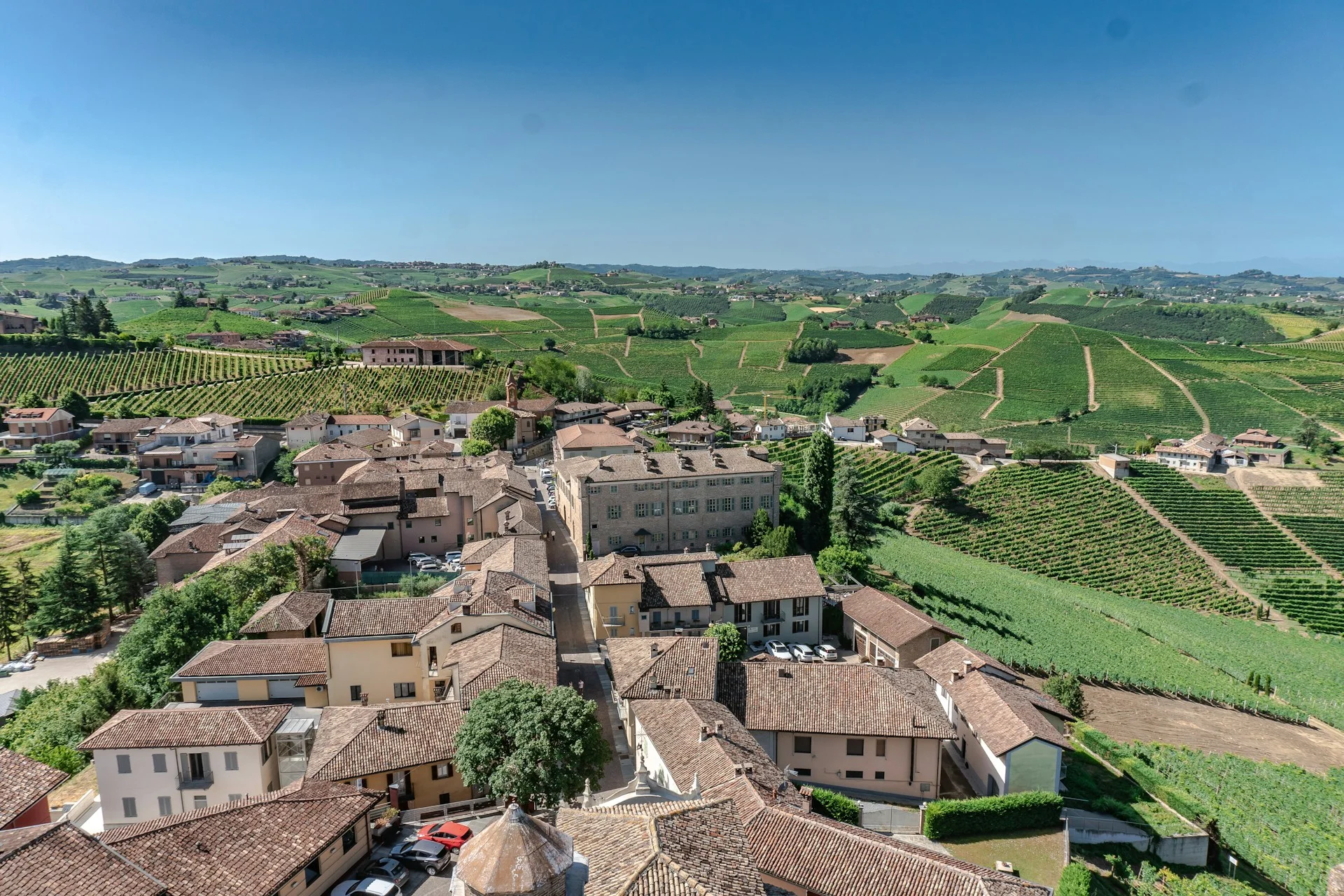
In Piedmont, offices and mixed service premises fit Turin, warehouses and operational assets fit Novara and Alessandria, while hospitality and destination retail suit Langhe, Lake Maggiore, and mountain markets with clearer visitor demand
City Lens
Piedmont is often priced through Turin alone, yet the stronger comparison is between metropolitan services, logistics corridors, manufacturing districts, and wine or alpine hospitality zones, because similar assets can rely on different occupiers
Northern Gravity
Piedmont matters because Turin anchors services, industry, education, and transport, while secondary cities and corridor towns add logistics, manufacturing, and local trade, giving the region broader commercial depth than a single metro story
Corridor Uses
In Piedmont, offices and mixed service premises fit Turin, warehouses and operational assets fit Novara and Alessandria, while hospitality and destination retail suit Langhe, Lake Maggiore, and mountain markets with clearer visitor demand
City Lens
Piedmont is often priced through Turin alone, yet the stronger comparison is between metropolitan services, logistics corridors, manufacturing districts, and wine or alpine hospitality zones, because similar assets can rely on different occupiers








Useful articles
and recommendations from experts
Commercial property in Piedmont by regional function
Why commercial property in Piedmont needs a wider reading
Commercial property in Piedmont should not be read as a Turin page with a few provincial additions. Turin is the dominant engine, but the region is commercially broader and more internally differentiated than a single metropolitan story. Piedmont combines the service and industrial legacy of Turin, the logistics relevance of Novara and Alessandria, the manufacturing and textile history of several provincial districts, the agri food and wine economy of Langhe and Monferrato, and the hospitality markets tied to lakes, hills, and Alpine destinations. That layered structure gives the region real depth and makes superficial comparisons less useful.
This matters because a buyer entering Turin, Novara, Alessandria, Cuneo, Asti, Biella, or the Lake Maggiore side is not entering the same commercial system. Some parts of Piedmont reward office and mixed service property. Some favor warehouse and operational assets. Some support hospitality, dining, and visitor facing retail. Others work more clearly through owner occupier demand and direct business use. The stronger property is usually the one that belongs to the right provincial role inside Piedmont rather than the one with the broadest regional appeal.
Turin gives Piedmont its dominant urban core
The main demand cluster in Piedmont is the Turin centered urban economy. Turin remains the region's strongest concentration of administration, education, healthcare, engineering, professional services, culture, urban retail, and corporate support activity. That gives office space in Piedmont its clearest foundation and also explains why mixed service buildings, medical premises, education linked property, and ground floor commercial units are especially relevant in the metropolitan core.
What makes Turin important is not only scale. It is the combination of industrial history and contemporary service demand. The city supports technical businesses, design and engineering related activity, universities, hospitals, public institutions, and a dense weekday economy that creates recurring occupier demand. Some commercial assets work through formal offices and professional users. Others work through clinics, student services, neighborhood retail, food and beverage, and mixed urban uses. In both cases, the stronger property is usually the one with the clearest operating function rather than the one with the most symbolic centrality.
This also changes how commercial real estate in Piedmont should be approached outside the capital. Even when the final target is not inside Turin, the city's economic gravity still shapes pricing expectations, tenant movement, supplier networks, and the wider understanding of commercial value across much of the region.
Across eastern Piedmont, warehouse property becomes more convincing
The second major layer of the region is the logistics and corridor economy that runs especially through eastern and southeastern Piedmont. Novara is central to that reading because of its position between Turin and Milan and its relevance to national freight movement. Alessandria matters for a similar reason. It sits inside a strategic transport geography where warehousing, distribution, and operational assets have much clearer logic than in a purely local market. This is one of the reasons Piedmont cannot be treated as a service region only.
Warehouse property in Piedmont becomes most convincing where it is tied to real movement systems rather than to generic low cost land. In Novara and Alessandria, and in the wider corridors connected to them, storage, distribution support, intermodal linked buildings, and practical logistics assets make sense because they belong to functioning transport routes and industrial demand patterns. The stronger warehouse asset is therefore not simply the largest site or the cheapest square meter. It is the property that already fits a real operating geography.
This is where VelesClub Int. can be especially useful. The region can look deceptively simple from a distance, yet logistics value in Piedmont is highly dependent on corridor role, connectivity, and occupier logic. Once those elements are read together, the difference between a practical warehouse asset and a weak one becomes much clearer.
Manufacturing districts still shape commercial property in Piedmont
Piedmont also carries a meaningful production and owner occupier layer outside its largest cities. Biella remains associated with textiles, while parts of Cuneo, Asti, and the broader regional plain support food production, engineering, local industry, and practical business activity. This does not make the whole region an industrial district, but it does mean that mixed industrial buildings, workshops, trade compounds, and operational commercial premises remain more relevant than in regions driven mostly by finance or tourism.
That changes the regional hierarchy of commercial assets. In several Piedmont locations, the stronger property is not the most visible mixed use building or the most scenic site. It is the one that supports a local enterprise, a production chain, a distributor, or a direct operator. Owner occupier logic still matters here, and that gives the market a more grounded commercial profile. Buyers who screen the region only through urban prestige or hospitality themes often miss this practical layer.
Hospitality property in Piedmont is selective but real
The secondary demand cluster in Piedmont is hospitality and destination spending, and it is more selective than the urban and corridor economy. The strongest hospitality markets are tied to places with clear visitor identity such as Langhe, parts of Monferrato, Lake Maggiore, and the Alpine resort belt. These are not all the same market. Wine country hospitality works through landscape, gastronomy, and slower stay patterns. The lake side depends more on scenic tourism, second stay demand, and seasonal flow. Mountain areas add a different rhythm shaped by winter sports, summer leisure, and shorter destination cycles.
This means hospitality property in Piedmont is real, but it should never be flattened into a single regional narrative. A boutique hotel in the Langhe, a dining led property near Lake Maggiore, and an alpine accommodation asset should not be judged through one pricing logic. Each belongs to a different visitor pattern, different spending environment, and different local seasonality. The stronger hospitality asset is usually the one whose concept fits the exact destination role of the area rather than simply the one with the broadest scenic appeal.
That is one of the most common comparison mistakes in the region. Buyers sometimes compare a Turin service building with a wine country hospitality property as if both should be read through the same commercial lens. In Piedmont, the sharper comparison is always function against function.
Retail space in Piedmont changes by catchment and city role
Retail space in Piedmont is one of the most variable asset categories because the region contains very different spending environments. In Turin, retail often depends on residents, workers, students, healthcare users, and mixed urban services. In Novara and Alessandria, it may be shaped more by transport corridors, local services, and practical everyday trade. In Cuneo or Asti, it can reflect provincial demand, food culture, and direct local use. In hospitality zones, retail becomes more closely linked to visitors, dining, local products, and destination identity.
That means a property described simply as retail space in Piedmont may belong to completely different commercial systems. A ground floor service unit in Turin, a roadside commercial premises in Alessandria province, and a boutique retail or dining asset in the Langhe are not the same product. One depends on daily urban repetition, another on practical movement and local demand, and another on visitor spending and regional reputation. The better comparison begins with the catchment, not the label.
VelesClub Int. adds value here by separating city demand, logistics support, and destination spending instead of repeating the broad idea of Piedmont as one northern Italian market. Once the catchment is clear, many apparent pricing contradictions become easier to understand.
Office space in Piedmont works where services concentrate
Office space in Piedmont is strongest in Turin and secondarily in the more service oriented provincial capitals where administration, healthcare, education, legal work, and professional activity already create weekday occupancy. Novara and Alessandria can support selected office and mixed service buildings where logistics, transport, and local business density reinforce demand. Cuneo and Asti can support smaller scale professional space where local services and provincial functions remain concentrated enough to create practical use.
The better office formats in the region are often functional rather than monumental. Mixed service buildings, medical offices, education linked premises, upper floor professional units, and owner occupier spaces often fit Piedmont better than broad speculative office schemes outside Turin. This is particularly true in provincial markets, where direct use and realistic scale matter more than formal image. A service office in Turin, a logistics related premises in Novara, and a professional building in Cuneo may all be called office property, but they do not rely on the same demand system.
Pricing logic across commercial real estate in Piedmont
Pricing in commercial real estate in Piedmont is shaped by regional role more than by regional reputation alone. Turin can justify value through service density, institutions, education, and mixed urban demand. Novara and Alessandria can justify value through corridor relevance, warehousing, and operational use. Wine country and lake markets can justify stronger pricing where hospitality and destination spending are real and repeatable. Provincial production areas tend to price more through practicality, local enterprise demand, and owner occupier logic.
This means similarly priced assets can carry very different resilience. A mixed service building in Turin may have deeper year round occupancy than a more picturesque hospitality property. A warehouse or operational premises in eastern Piedmont may be easier to understand than a scenic commercial conversion in a thinner market. A local trade property in a provincial center may look less glamorous but have clearer user logic than a lifestyle asset whose performance depends on a narrower visitor base. In Piedmont, the better comparison is almost always function against function.
Questions that clarify commercial property in Piedmont
Why does commercial property in Piedmont feel more varied than many buyers expect?
Because the region combines a major metropolitan economy in Turin, real logistics corridors in the east, manufacturing and owner occupier districts, and selective hospitality markets tied to wine country, lakes, and mountains.
Is Piedmont mainly a Turin office market?
No. Turin is the dominant service core, but the region also has clear commercial depth in Novara and Alessandria for logistics, in provincial districts for direct business use, and in destination areas for hospitality and dining assets.
Where does warehouse property in Piedmont usually make the most sense?
Most often in the eastern and southeastern corridors, especially where Novara and Alessandria connect the region to major transport routes and where storage, distribution, and operational activity already create a real occupier geography.
What do buyers most often misread in Piedmont?
They often compare metropolitan service property, corridor logistics assets, and destination hospitality through one northern Italy lens. The sharper method is to ask whether the property depends on offices, movement, local enterprise, or visitor spending.
When is hospitality more relevant than office or industrial logic in Piedmont?
Mainly in the Langhe, parts of Monferrato, Lake Maggiore, and the Alpine destination belt, where accommodation, dining, and visitor facing commercial formats are supported by place identity and repeat tourism rather than weekday business occupancy.
A clearer way to compare Piedmont with VelesClub Int.
Piedmont works best when it is understood as a region of separate but connected commercial engines. Turin anchors the service and office core, Novara and Alessandria strengthen logistics and warehouse relevance, provincial districts support practical business use, and the hills, lakes, and mountain markets reshape hospitality and retail value in selective ways. That layered structure is what gives the region real commercial breadth.
With VelesClub Int., commercial property in Piedmont can be assessed through regional role instead of surface image. That creates a calmer and more practical basis for comparing office space, retail space, warehouse property, hospitality assets, and mixed commercial buildings across a region where the best decision usually begins with one question: what economic system already supports this property every day?