
Commercial real estate brokers in CampaniaRegional guidance for complex deals
Best offers
in Campania
Benefits of investing in commercial real estate in Campania


Metropolitan Depth
Campania matters because Naples, Salerno, Caserta, coastal tourism, port traffic, and inland production create a region with several real commercial engines, giving buyers more than one workable market logic inside a single territory
Corridor Fit
In Campania, urban offices, service retail, logistics space, port linked warehouses, hospitality assets, and mixed commercial buildings all have a place, but each fits only when matched to the right provincial demand pattern
Wrong Comparisons
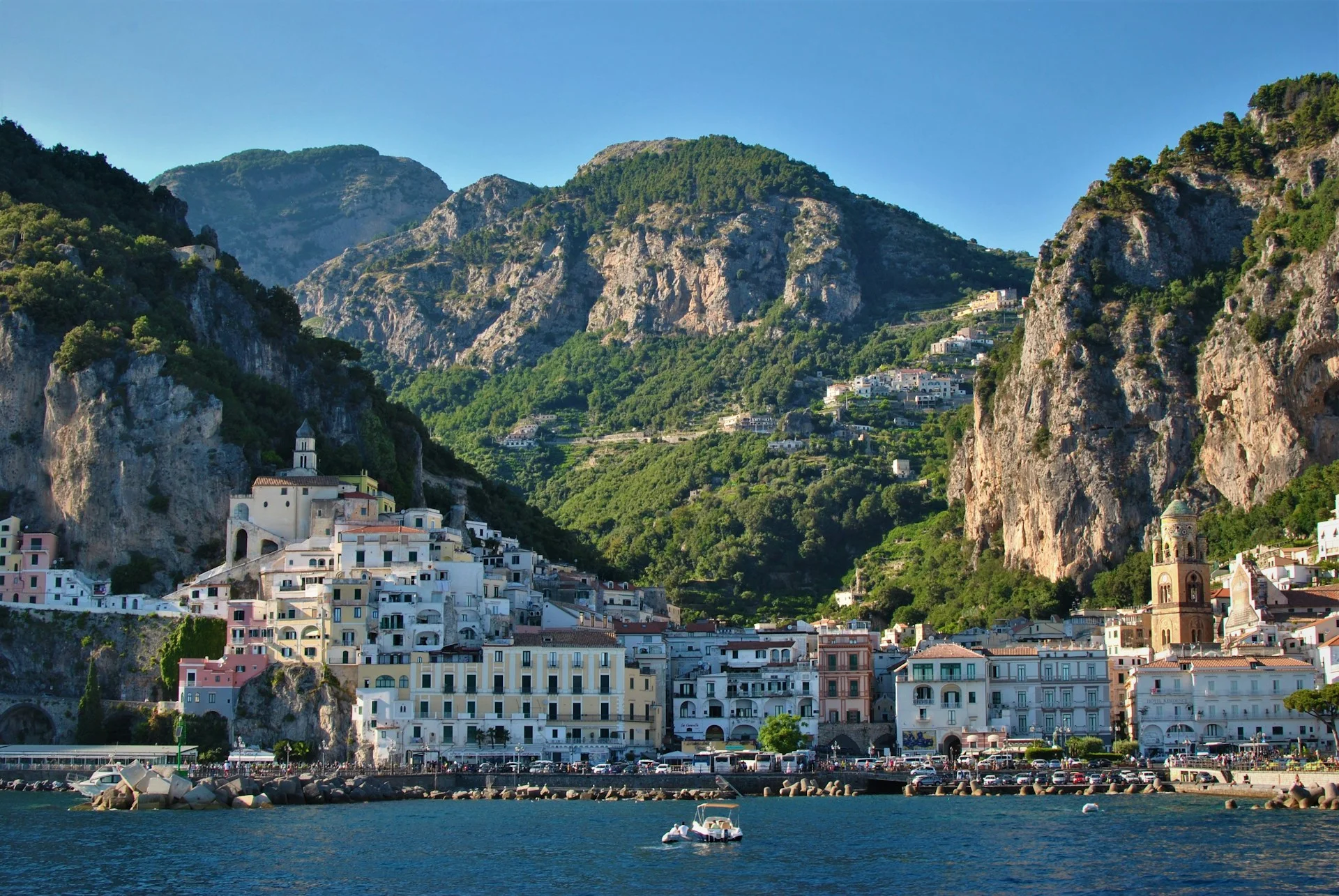
Campania is often judged through Naples headlines or Amalfi imagery alone, yet the sharper comparison is between metropolitan income, logistics corridors, and tourism zones, because similar assets can rely on completely different occupier depth
Metropolitan Depth
Campania matters because Naples, Salerno, Caserta, coastal tourism, port traffic, and inland production create a region with several real commercial engines, giving buyers more than one workable market logic inside a single territory
Corridor Fit
In Campania, urban offices, service retail, logistics space, port linked warehouses, hospitality assets, and mixed commercial buildings all have a place, but each fits only when matched to the right provincial demand pattern
Wrong Comparisons
Campania is often judged through Naples headlines or Amalfi imagery alone, yet the sharper comparison is between metropolitan income, logistics corridors, and tourism zones, because similar assets can rely on completely different occupier depth








Useful articles
and recommendations from experts
Commercial property in Campania across regional submarkets
Why Campania works as several commercial markets
Commercial property in Campania should not be read as one regional story. This is one of those Italian regions where several different commercial systems operate at the same time. Naples gives Campania its largest urban business core. The Caserta and Nola belt adds logistics, warehousing, and industrial support. Salerno contributes a second port and service axis. The Sorrento Peninsula, Amalfi Coast, Capri, Ischia, and other coastal destinations strengthen hospitality and visitor spending. Inland provinces such as Avellino and Benevento create a different layer shaped by local trade, agro industrial activity, and practical owner occupier demand.
That internal variation is the reason Campania deserves a region level commercial page. Buyers who focus only on Naples miss the wider regional structure. Buyers who see only tourism also miss the deeper commercial base that comes from administration, trade, logistics, education, healthcare, manufacturing, and transport. Commercial real estate in Campania is strongest when the region is treated as a set of linked but different submarkets rather than a single image driven territory.
This makes buy commercial property in Campania a market reading exercise first. The better asset is usually the one that belongs to the right regional function, not simply the one with the best known address.
Naples gives Campania its dominant business core
The main commercial weight of Campania still sits in and around Naples. The metropolitan area concentrates administration, services, trade, education, healthcare, professional activity, and port linked business use at a scale that the rest of the region does not replicate. That gives office space in Campania its clearest urban foundation. It also creates steady demand for mixed use commercial buildings, service premises, neighborhood retail, food and beverage units, medical space, and owner occupied business property.
Within this metropolitan core, commercial value is not defined by visibility alone. It is shaped by the depth of the surrounding business environment. Some parts of Naples and its wider urban belt support professional occupancy and service businesses. Others work better for practical commerce, local retail, urban logistics, and mixed buildings tied to everyday consumption. This is why Campania cannot be screened through broad regional assumptions. The Naples system is deep enough to create several distinct urban commercial readings on its own.
It also influences surrounding provinces. Areas east and north of Naples benefit from metropolitan spillover, industrial tradition, and movement between production sites, logistics platforms, and the port system. That gives Campania a stronger commercial backbone than a tourism first reading would suggest.
Warehouse property in Campania follows the Nola and Caserta axis
Warehouse property in Campania becomes most convincing when the region is read through its logistics and industrial corridors rather than through the coast. The Nola area is especially important because it connects the regional market to an intermodal logistics platform with a strong warehousing and distribution role. The Caserta side of the region also matters because it supports manufacturing, road linked trade, and operational commercial use that is different from the service led economy of Naples proper.
This part of Campania supports warehouse property, light industrial premises, trade compounds, and operational assets more naturally than the tourism belt or the inland hill provinces. Port activity in Naples and Salerno reinforces that logic, as do wider road and freight connections across the region. The better logistics asset in Campania is therefore not simply one with land or access. It is one that sits inside a corridor where movement, distribution, and industrial servicing already make commercial sense.
That makes corridor fit more important than simple provincial reputation. A practical warehouse near Nola or in the broader Naples Caserta system may have stronger occupier logic than a cheaper but disconnected site elsewhere in the region.
Coastal Campania changes the role of hospitality property
Hospitality is one of the most visible asset groups in Campania, but it is highly concentrated in specific coastal and island markets. The Sorrento Peninsula, Amalfi Coast, Capri, Ischia, and parts of the Salerno coast create a very different commercial environment from the metropolitan and logistics belts. Here, hospitality property, dining led premises, boutique retail, and visitor serving mixed assets can be the most natural commercial formats because spending is tied to stay patterns, leisure movement, and destination identity.
Still, coastal Campania is not one uninterrupted tourism strip. Some areas support premium hospitality, others perform through excursion traffic, and others work through seasonal dining and mixed visitor services. That is why the stronger hospitality asset is usually not the one with the broadest scenic appeal, but the one whose concept matches the actual commercial rhythm of its micro market.
This is also where buyers often make the wrong comparison. They compare coastal hospitality with urban retail or logistics space as if all of it belongs to one valuation logic. In Campania, tourism property depends on guest profile, route relevance, and local service depth. It should not be screened like a city center commercial unit or a logistics building.
Office space and retail space in Campania by urban role
Office space in Campania is strongest in Naples and in selected provincial capitals such as Salerno and Caserta. These places support administrative, legal, consulting, healthcare, education, engineering, and service business demand in a way that smaller inland markets usually do not. The best office formats are often practical rather than monumental: flexible buildings, mixed service premises, compact professional units, and well placed owner occupier space.
Retail space in Campania also behaves differently by submarket. In Naples and its urban belt, it often relies on repeat local consumption, dense neighborhoods, commuter movement, and service activity. In Salerno and Caserta, retail can work through a blend of city function and regional catchment. In tourism belts, retail becomes more lifestyle and visitor facing. This means a good retail asset in Campania is rarely defined by the same criteria across the whole region.
For buyers, the useful test is not whether a unit is called office or retail. It is whether the surrounding area produces weekday business demand, resident spending, tourism flow, or logistics support. That is what determines real commercial fit.
Inland Campania changes the regional asset hierarchy
Avellino and Benevento give Campania an inland commercial layer that works through local business use, agro food production, roadside trade, storage, education, healthcare, and municipal or provincial services rather than through metropolitan density or coastal tourism. These provinces are less dramatic in image terms, but they matter because they widen the region's economic base and support commercial property that is functional, locally anchored, and often owner occupier led.
Inland Campania therefore changes the asset hierarchy. Large office bets are usually less natural here than service buildings, practical retail, small logistics and storage compounds, trade support space, and operational commercial premises. In some locations, agro industrial and food linked activity can give warehousing and light industrial units a clearer role than they would have in a purely residential market.
This is one more reason Campania should not be reduced to Naples plus the coast. The inland provinces give the region commercial depth that is quieter, but often easier to read from a practical business perspective.
Pricing and selection in commercial real estate in Campania
Pricing in commercial real estate in Campania is shaped by regional role more than by simple geography. In the metropolitan core, value follows business density, access, and service concentration. In logistics corridors, it follows connectivity, operational usefulness, and relation to port and freight networks. In coastal tourism zones, it follows concept fit, visitor quality, and hospitality relevance. Inland, it tends to follow practicality, local demand, and direct business use.
This is why similarly priced assets can carry very different commercial logic. A mixed use building in Naples, a warehouse near Nola, a hospitality unit on the Amalfi side, and a service premises in Avellino may all sit in the same region, yet they depend on completely different occupier behavior. VelesClub Int. is useful here because Campania rewards structured comparison more than broad enthusiasm. The region offers many asset types, but they should not be screened through one narrative.
VelesClub Int. helps separate metropolitan income logic, tourism exposure, logistics functionality, and local service demand so that buyers can compare assets by role, not only by surface appeal.
Questions buyers ask about Campania commercial property
Why does commercial property in Campania feel harder to compare than in some other Italian regions?
Because Campania combines a major metropolitan economy, strong tourism belts, established port activity, logistics corridors, and inland service markets within one region. Similar property types can therefore depend on very different demand systems.
Where does warehouse property in Campania usually make the most sense?
Most often in the Nola and Caserta corridor and in locations that connect well with the Naples and Salerno port system. In those areas, distribution and operational use have a clearer commercial base than in coastal leisure markets.
Is office space in Campania only a Naples story?
No. Naples is the dominant office market, but Salerno and Caserta also support meaningful service occupancy. The difference is that their office demand is more selective and more tied to provincial administration and local business use.
What do buyers most often misread in Campania?
They often compare tourism property and metropolitan property through the same lens. A scenic coastal asset may carry prestige, but a city or corridor asset may have deeper year round business demand and stronger occupier stability.
Can inland Campania be commercially relevant for buyers?
Yes, especially for practical service premises, agro linked operations, local trade, and owner occupier assets. Inland provinces rarely lead the regional narrative, but they can offer clearer use cases than more visible locations.
A more disciplined regional reading of Campania
Campania works best when it is understood as a region of linked but different commercial engines. Naples anchors the business core, Nola and Caserta support logistics and operations, Salerno adds another urban and port axis, the coasts and islands shape hospitality, and the inland provinces provide practical service and agro industrial depth. That is what makes the region commercially rich and also easy to misread.
For buyers and investors, the better strategy is to decide first which Campania they are entering: metropolitan, logistics led, tourism led, or locally service driven. With VelesClub Int., commercial property in Campania can be assessed through that regional structure, giving a calmer and more intelligent basis for comparing office, retail, warehouse, hospitality, and mixed commercial assets across one of Italy's most internally varied regional markets.