
Commercial Real Estate Market in GermanyCommercial opportunities aligned with expansion
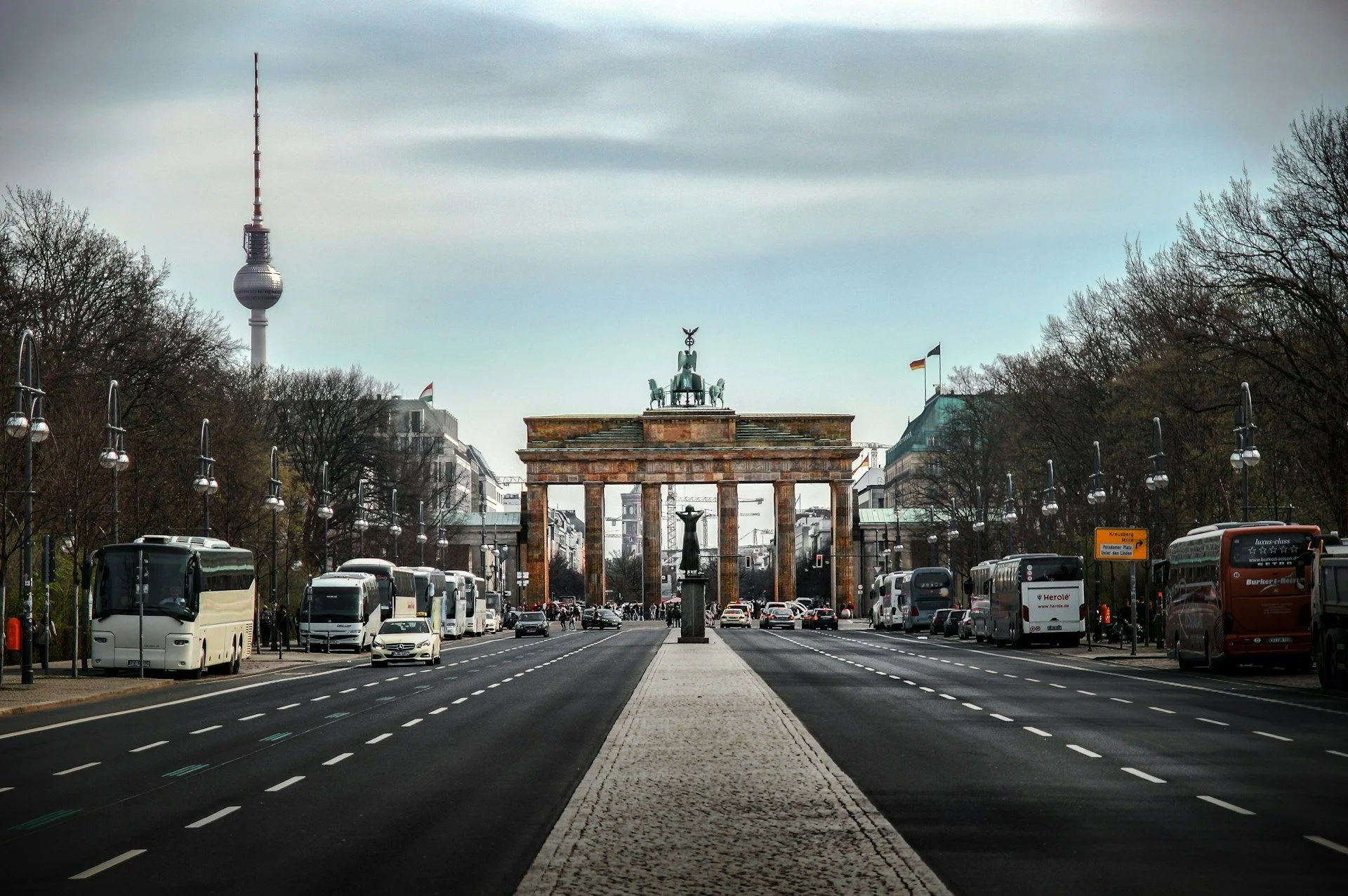
Popular
cities and regions in Germany
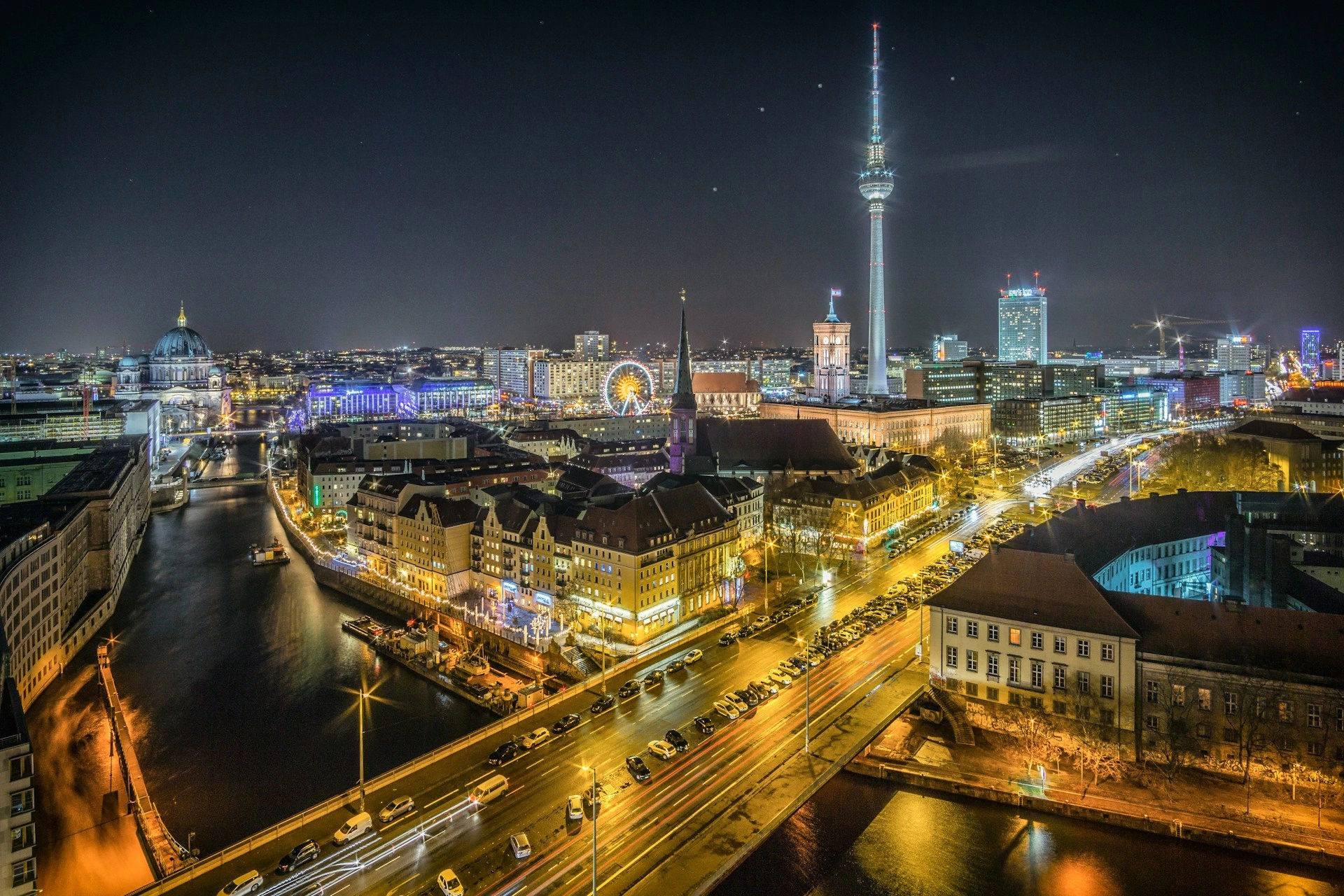
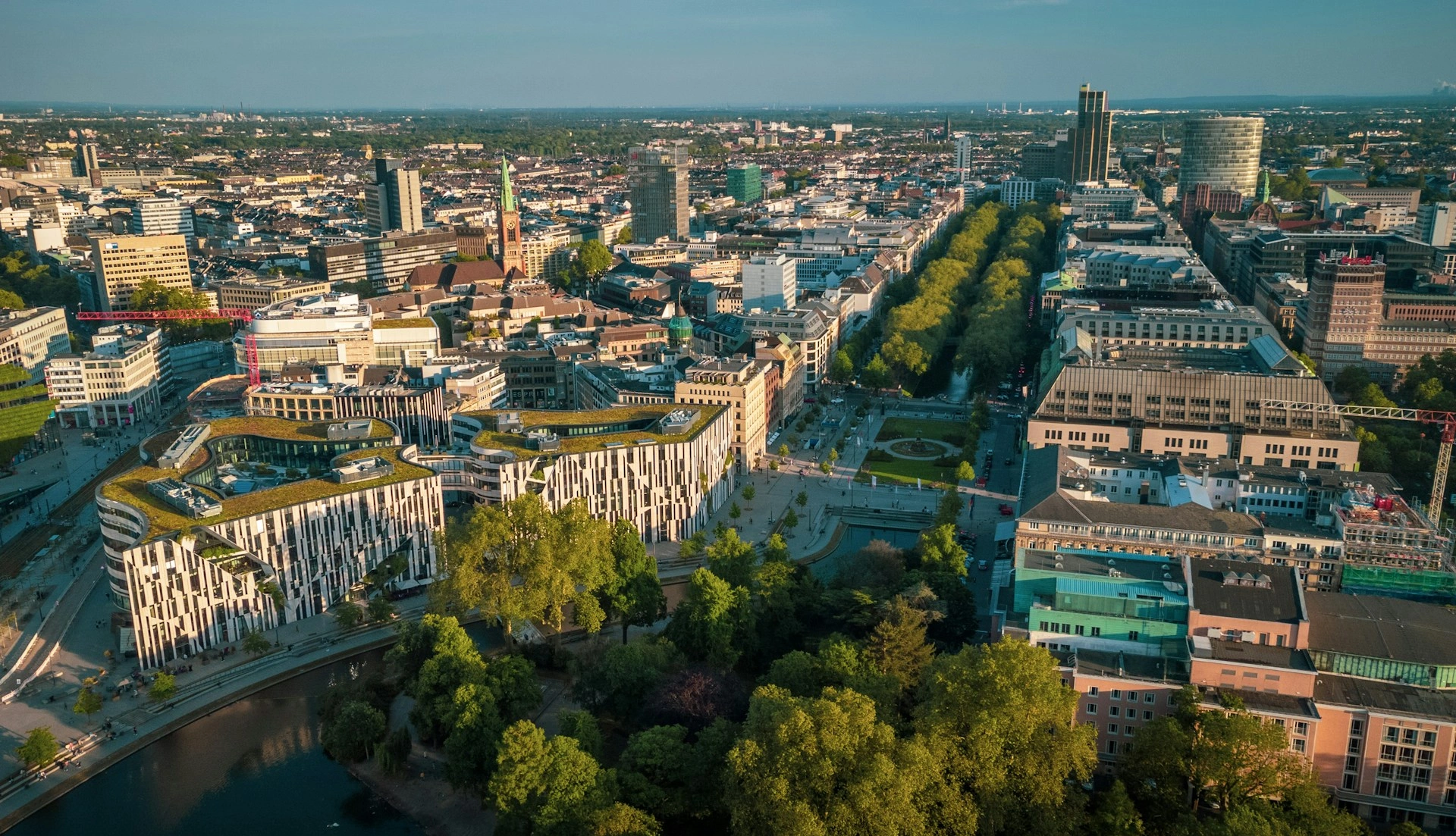

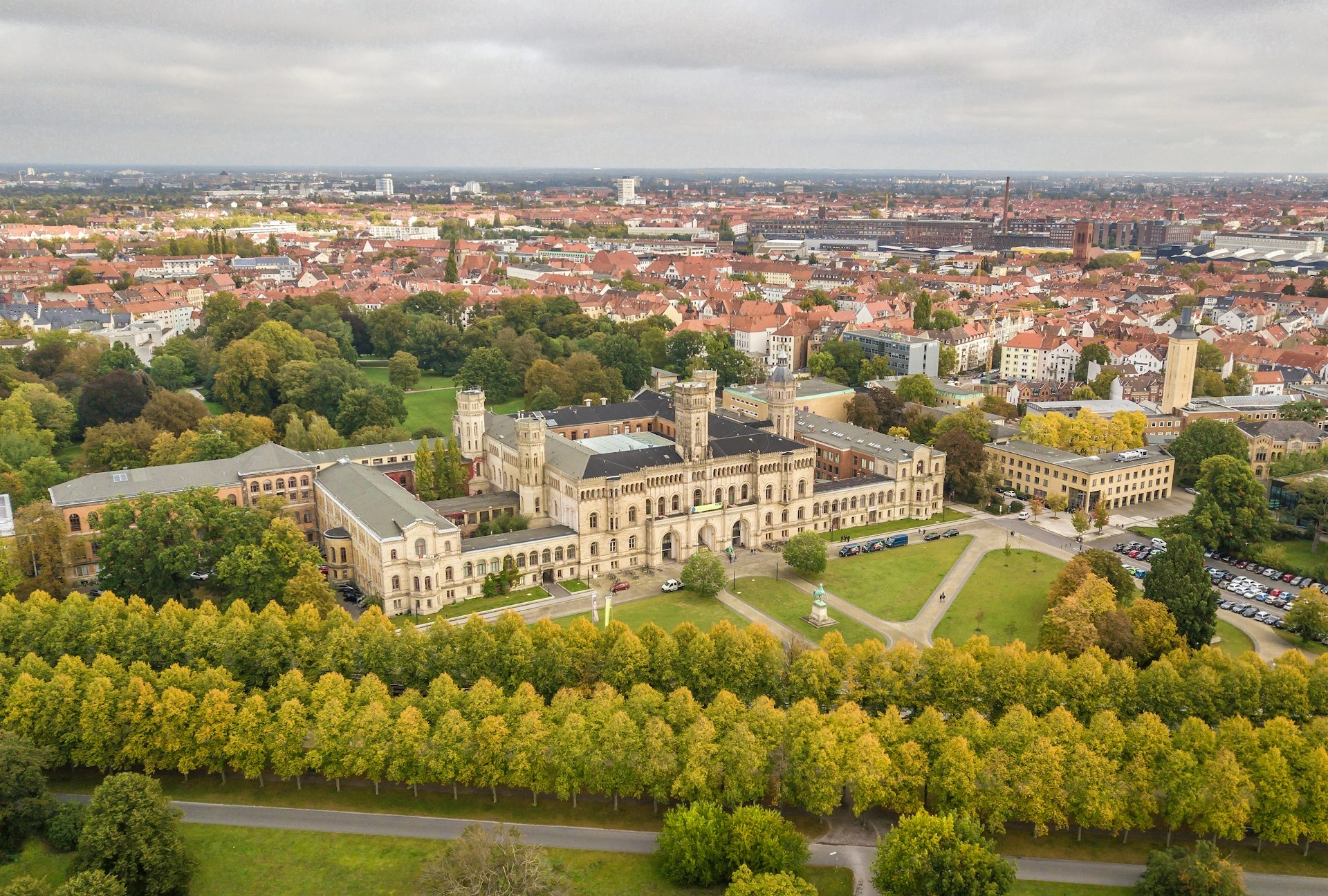


Best offers
in Germany
Benefits of investing in commercial real estate in Germany


Big seven
Germany stands out because commercial demand is not locked into one capital, with Berlin, Munich, Frankfurt, Hamburg, Cologne, Dusseldorf, and Stuttgart creating several office and service poles inside one highly liquid market
Corridor power
Logistics and light industrial formats fit Germany especially well because Rhine Ruhr, Rhine Main, Hamburg routes, and southern production belts connect ports, factories, and consumers through infrastructure that keeps warehouse demand practical and diversified
Smarter comparison
VelesClub Int. helps split Germany into big city offices, corridor logistics, and regional operational assets, so buyers compare tenant depth, manufacturing relevance, and urban turnover instead of treating the country as one uniform market
Big seven
Germany stands out because commercial demand is not locked into one capital, with Berlin, Munich, Frankfurt, Hamburg, Cologne, Dusseldorf, and Stuttgart creating several office and service poles inside one highly liquid market
Corridor power
Logistics and light industrial formats fit Germany especially well because Rhine Ruhr, Rhine Main, Hamburg routes, and southern production belts connect ports, factories, and consumers through infrastructure that keeps warehouse demand practical and diversified
Smarter comparison
VelesClub Int. helps split Germany into big city offices, corridor logistics, and regional operational assets, so buyers compare tenant depth, manufacturing relevance, and urban turnover instead of treating the country as one uniform market








Useful articles
and recommendations from experts
How commercial property in Germany fits strategy
Germany works through several major commercial centers
Commercial property in Germany matters because the market is large, deep, and internally differentiated in a way that few European countries can match. It is not a one city system. Berlin, Munich, Frankfurt, Hamburg, Cologne, Dusseldorf, and Stuttgart each contribute different forms of business, service, logistics, and consumption demand. That gives the country more than one serious commercial entry point and makes asset comparison more strategic than in markets where the capital dominates everything.
This is what makes commercial real estate in Germany commercially useful at country level. Offices, retail, warehouse property, mixed service buildings, hospitality linked assets, and owner occupier formats can all make sense, but not in the same places and not for the same reasons. A Frankfurt office, a logistics building in the Ruhr, a high street asset in Munich, and an operational property near Hamburg should never be screened as versions of the same investment idea. Germany becomes easier to understand when it is divided into office cities, logistics corridors, and regional operating zones rather than treated as one flat national map.
Berlin Munich and Frankfurt each tell a different office story in Germany
Office space in Germany should not be read through one city only. Berlin matters because it combines administration, technology, creative industries, services, and a large urban economy. Munich supports a different office logic, usually tied to corporate quality, engineering, technology, and higher value business use. Frankfurt stands apart because it remains the clearest financial center in the country and often works through banking, advisory, legal, and capital market related demand.
This distinction matters because office property in Germany is not a generic top city product. The same kind of building can have a different role depending on whether it sits in Berlin, Munich, or Frankfurt. Berlin often reads through scale and broad service depth. Munich can feel tighter, more premium, and more selective. Frankfurt is easier to interpret through financial and business district logic. For many buyers, the better office decision comes from choosing the right city function first and the building second.
Germany does not end with the three largest office narratives
Hamburg, Cologne, Dusseldorf, and Stuttgart are not secondary in a decorative sense. Hamburg brings port access, logistics relevance, media, trade, and business services into one market. Cologne often benefits from mixed service demand, media related activity, and a strong local economy. Dusseldorf has a clear role inside the broader Rhine Ruhr and Rhine axis, with services, corporate presence, and strong regional business use. Stuttgart usually makes more sense through engineering, manufacturing related services, and practical office demand tied to industrial strength.
This is one of Germanys main commercial advantages. The country does not ask buyers to choose between one dominant capital and empty regions. It offers several large, real office and service cities with different occupier profiles. That usually improves country level screening because the buyer can match strategy to a visible economic role instead of relying on a generic national narrative.
Warehouse property in Germany follows corridors more than city names
Warehouse property deserves serious weight in Germany because the national economy depends on movement, manufacturing, trade, and dense consumer access. The strongest logistics reading usually begins with the Rhine Ruhr region, the Rhine Main corridor, northern port access through Hamburg, and the southern production belts tied to Bavaria and Baden Wurttemberg. These areas matter not because they sound strategic on paper, but because they support real flows of goods, components, and daily commercial distribution.
This is why warehouse property in Germany should be read through use rather than size alone. A logistics facility near the right motorway, inland corridor, port system, or industrial belt can have a much clearer commercial role than a similar building in a weaker position. For some buyers, the strongest fit is long lease logistics. For others, it is owner occupied operational use, supplier storage, light industrial support, or mixed business servicing. Germany rewards warehouse assets that reduce friction in a real supply chain.
Rhine Ruhr and Rhine Main change how Germany should be screened
The western half of Germany is especially important because several commercial systems overlap there. Rhine Ruhr gives the country one of its clearest combinations of urban density, industrial legacy, motorway infrastructure, and large scale consumer reach. Rhine Main adds Frankfurt and a wider corridor logic shaped by finance, transport, air cargo, and central position. These are not simply regional markets. They are structural commercial zones that influence how offices, warehouses, and mixed operational assets should be compared.
For buyers, this means location in Germany often matters more at the corridor level than at the city label level. A warehouse near the right node in western Germany may be commercially stronger than a larger asset in a less connected part of the country. The same applies to mixed operational property serving urban trade, supplier chains, or regional delivery.
Retail space in Germany depends on daily spending and urban hierarchy
Retail space in Germany is commercially important because it is supported first by local spending and city structure rather than by tourism alone. Berlin, Munich, Hamburg, Cologne, Frankfurt, and Dusseldorf all support strong retail and food service environments through residents, office workers, transport flows, and city center activity. This gives Germany a broad and durable retail base that does not depend entirely on one narrow demand pattern.
The practical point is that not all retail in Germany should be screened the same way. A high street unit in Munich is not the same proposition as a mixed service property in Cologne or a transport linked premise in Berlin. The better retail asset is usually the one tied to a clear local rhythm of work, residence, commuting, and service demand. In Germany, repeat daily use often matters more than visual prominence on its own.
Tourism adds another layer in cities such as Berlin, Munich, Hamburg, and Cologne, but it is rarely the only foundation of the retail story. The stronger commercial units are usually those where visitor spending reinforces an already visible local market.
Hospitality in Germany is a city and business travel story first
Hospitality linked commercial property deserves attention in Germany, but it should be read through urban and business demand more than through resort logic. Berlin supports hotels, food and beverage units, and mixed service assets through tourism, events, administration, and broad city life. Frankfurt adds business travel and trade fair logic. Munich brings premium city demand, business use, and visitor flow. Hamburg and Cologne strengthen the segment in different ways through trade, media, leisure, and city tourism.
This means hospitality in Germany is commercially relevant, but it is rarely the dominant national anchor in the way that offices and logistics are. The better hospitality linked assets are usually those supported by transport access, urban density, repeat business travel, and surrounding services rather than by image alone. In Germany, a strong hotel or service premise is usually part of a larger city ecosystem, not a stand alone seasonal story.
What usually makes one German asset more practical than another
Commercial practicality in Germany is often defined by clarity of role. A strong office asset usually fits the right tenant type in the right city and district. A strong warehouse is the one that serves a real movement chain. A strong retail or mixed service property sits inside visible daily turnover rather than depending on vague footfall assumptions. This is important because Germany rarely rewards broad category thinking for very long. It rewards properties that solve a clear business need.
That is also why owner occupier logic deserves more attention in Germany than a purely investment led reading might suggest. Regional cities and industrial corridors often produce better cases for premises that support direct business use rather than passive leasing alone. Mixed operational buildings, service units, supplier facilities, and practical offices can be highly convincing when the local economic base is strong and the asset has a readable function.
Pricing commercial property in Germany depends on position and purpose
Pricing only makes sense when the role of the asset is clear. In the major office cities, stronger values are usually supported by tenant depth, district quality, and scarcity of directly comparable space. In warehouse and industrial property, value is shaped more by corridor relevance, motorway access, port relationships, and how well the building fits a real operating chain. In regional service assets, the key question is whether the surrounding city or district actually supports the intended commercial use.
That is why buyers who want to buy commercial property in Germany should avoid broad comparisons between unlike assets. A cheaper office outside the main business logic may still be less practical than a better positioned one in a stronger city core. A larger warehouse in a weak location may be less useful than a smaller but better connected facility. The most useful comparison in Germany is not low price against high price. It is clear demand against unclear demand.
Questions that clarify commercial property in Germany
Why is Germany easier to segment than many other large markets
Because several major cities and corridors have clearly defined commercial roles. Berlin, Munich, Frankfurt, Hamburg, Rhine Ruhr, Rhine Main, and the southern production belts each support different kinds of demand instead of blending into one unclear national pattern
Does office space in Germany depend mainly on one city
No. Germany has several major office cities, but they should not be treated as interchangeable. Berlin, Munich, Frankfurt, Hamburg, Cologne, Dusseldorf, and Stuttgart each serve different occupier groups and require different screening logic
Why does logistics property in Germany need corridor analysis more than simple city labels
Because movement, supply chains, and industrial use often follow motorway, port, airport, and manufacturing routes more closely than municipal boundaries. The stronger warehouse asset is usually the one tied to a visible operating chain
Can retail space in Germany be judged mainly by tourism appeal
Usually no. The stronger retail assets often depend more on repeat local spending, office worker movement, transport access, and durable city routines than on visitor traffic alone, even in major tourist cities
What usually makes one German commercial strategy more practical than another
The strongest strategy is usually the one that matches the main demand engine behind the location, whether that is office depth in a big city, logistics use in a corridor, or mixed service demand in a strong regional market
Choosing commercial property in Germany with better discipline
Germany belongs on a serious commercial shortlist when the buyer wants a market with real scale, several strong commercial poles, and clear internal differences that can be used strategically rather than treated as noise. Offices, warehouses, retail, hospitality linked assets, and mixed operational premises can all make sense, but only when they are matched to the part of Germany that actually supports them.
Seen that way, commercial property in Germany becomes less generic and more actionable. VelesClub Int. helps turn country level interest into a clearer strategy, a tighter territorial screen, and a more confident next step in commercial asset selection