
Commercial real estate for sale in Sveti VlasStrategic assets for city acquisition
Best offers
in Bulgaria
Benefits of investing in commercial real estate in Sveti Vlas


Tourism driven demand
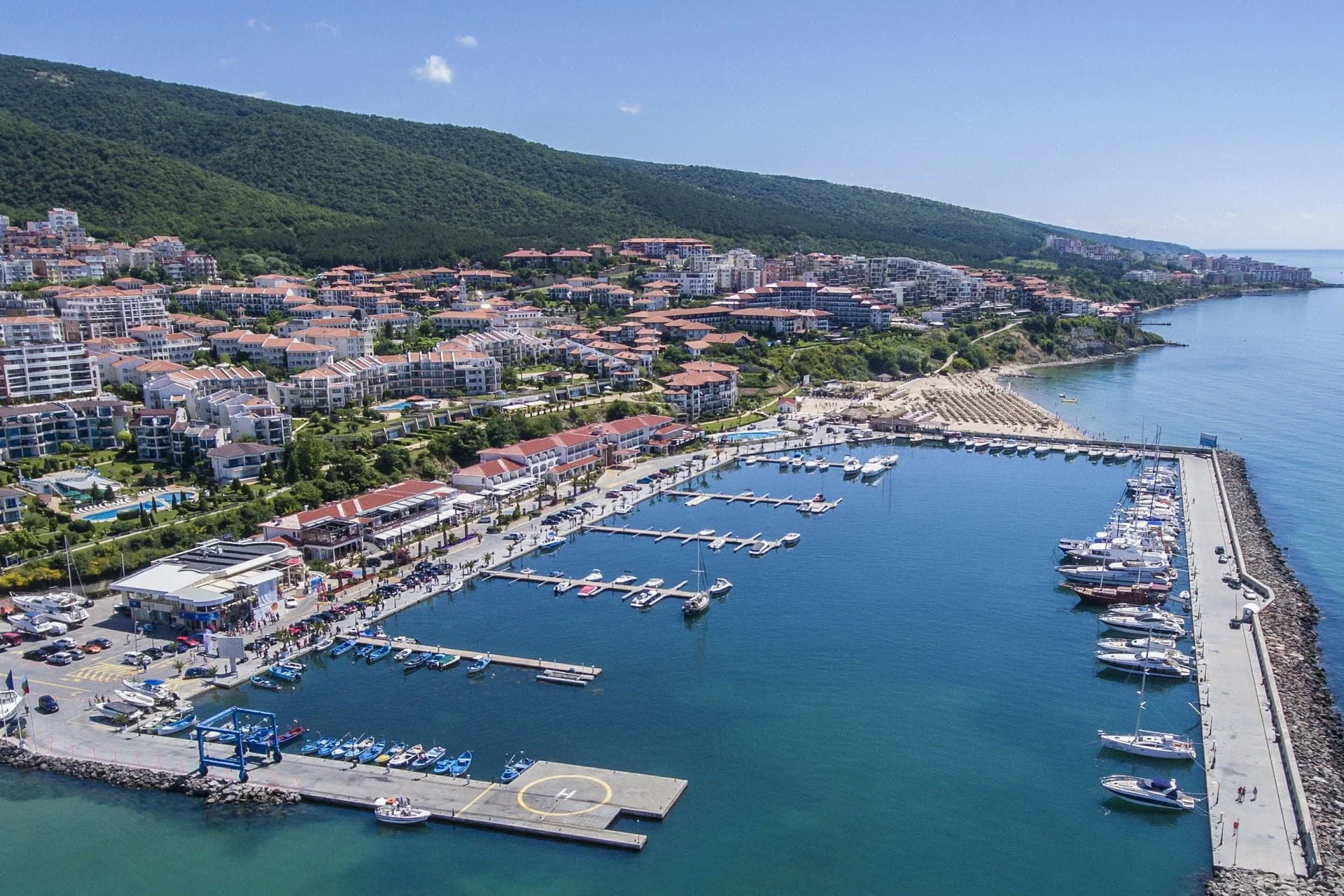
Sveti Vlas demand stems from coastal tourism, marina activity and seasonal residential influx, creating requirements for hospitality, retail and leisure leases and producing a blend of seasonal short-term and more stable year-round tenancy profiles
Relevant asset types
Common segments in Sveti Vlas include small-scale hospitality, beachfront retail, marina-related services, compact offices for tourism operators and mixed-use residential-commercial, with strategies ranging from value-add repositioning to core long-term leasing depending on seasonality and location
Expert asset screening
VelesClub Int. experts define strategy, shortlist assets and run screening that covers tenant quality checks, lease structure review, yield logic, capex and fit-out assumptions, vacancy risk assessment and a targeted due diligence checklist
Tourism driven demand
Sveti Vlas demand stems from coastal tourism, marina activity and seasonal residential influx, creating requirements for hospitality, retail and leisure leases and producing a blend of seasonal short-term and more stable year-round tenancy profiles
Relevant asset types
Common segments in Sveti Vlas include small-scale hospitality, beachfront retail, marina-related services, compact offices for tourism operators and mixed-use residential-commercial, with strategies ranging from value-add repositioning to core long-term leasing depending on seasonality and location
Expert asset screening
VelesClub Int. experts define strategy, shortlist assets and run screening that covers tenant quality checks, lease structure review, yield logic, capex and fit-out assumptions, vacancy risk assessment and a targeted due diligence checklist








Useful articles
and recommendations from experts
Commercial property in Sveti Vlas market overview
Why commercial property matters in Sveti Vlas
Sveti Vlas is a coastal town whose local economy is driven by tourism, seasonal trade and small-scale services that support visitors and a resident population. This economic mix generates concentrated demand for hospitality-related assets, retail outlets that serve high-season footfall, and office space for local administrative, real estate and service providers. Healthcare, education and light industrial demand exist at a limited scale and are often tied to population growth and nearby regional centres. Buyers range from owner-occupiers seeking premises for operating businesses to investors targeting income from leased assets and operators focused on hospitality and retail conversions. For those evaluating commercial property in Sveti Vlas, seasonality and the town’s role in the coastal visitor economy are key determinants of demand patterns and lease structures.
The commercial landscape – what is traded and leased
The traded and leased stock in Sveti Vlas is a mix of high-street retail units, small hotels and guesthouses, restaurant and cafe premises, compact office suites and service-oriented units that occupy ground floors of residential buildings. Logistics and warehousing are present but limited in scale, commonly located at the town edges where road access supports last-mile activity. Lease-driven value is prominent where units depend on recurring tourist flows and short-term rentals; asset-driven value increases where buildings have redevelopment potential or stable long-term income. In Sveti Vlas the distinction matters: retail space that relies on summer occupancy will be valued differently from a lettable office with multi-year contracts. Investors and occupiers should assess whether a property’s cash flow is primarily lease-backed by local businesses and seasonal tenants, or whether intrinsic asset qualities such as location, construction standard and conversion potential drive the value.
Asset types that investors and buyers target in Sveti Vlas
Retail space in Sveti Vlas typically includes street-level shops, kiosks near promenade areas and small mall-like clusters within mixed-use developments. High-street retail commands premium pricing during peak season but faces vacancy risk off-season. Neighborhood retail serves resident needs and tends to have more stable year-round income, attracting owner-occupiers and smaller investors. Office space in Sveti Vlas is concentrated in compact blocks and standalone suites that cater to local services, real estate agencies and small professional firms. Prime vs non-prime office logic applies: centrally positioned offices close to administrative nodes or transport stops command higher rents and lower vacancy, while peripheral or upper-floor offices trade on lower pricing and potentially higher re-leasing risk.
Hospitality assets range from small hotels and guesthouses to apartment conversions used for short-term lettings. Investors focus on yield stability and management capability, with seasonal cashflow shaping valuation and operating reserves. Restaurant-cafe-bar premises are typically evaluated based on frontage, kitchen fit-out and extraction capacity, as conversion costs can be material. Warehouse property in Sveti Vlas is modest and serves local supply chains and storage for seasonal trade; light industrial units that support maintenance and logistics are generally located outside the core tourist zone. Revenue houses and mixed-use assets combine residential accommodation above retail or office ground floor, offering diversified income but requiring active management to balance short-term lets and longer residential tenancies. For e-commerce and supply chain purposes, proximity to regional roads and port links affect the attractiveness of warehouse and light-industrial acquisitions.
Strategy selection – income, value-add, or owner-occupier
Investors choose income strategies when seeking stable cashflow from multi-year leases with creditworthy tenants or management contracts in the hospitality sector. In Sveti Vlas, income focus tends to target centrally located retail units with established operators or hotels under multi-season agreements, acknowledging the inherent seasonality of turnover. Value-add strategies involve refurbishment, reconfiguration for mixed-use, or repositioning seasonal assets to improve out-of-season performance. Examples include upgrading building services to support year-round occupancy, repurposing upper floors for long-stay rentals, or improving common areas to attract corporate short-term lets. Owner-occupier decisions are typically driven by operational integration: restaurateurs, shop owners and local service providers may prefer to buy commercial property to control fit-out and reduce exposure to rental volatility.
Local factors that influence strategy choice include business cycle sensitivity tied to tourist flows, tenant churn norms that increase during low seasons, and the regulatory environment affecting permitting for conversions and short-term letting. Where tourism creates pronounced peak demand, investors may accept higher vacancy risk and pursue seasonal arbitrage. Where municipal planning favours diversification of year-round services, a value-add approach to stabilize income may be preferable. The balance between these strategies should reflect the investor’s risk tolerance, management capability and capital allocation for capex between seasons.
Areas and districts – where commercial demand concentrates in Sveti Vlas
Rather than relying on named districts, practical assessment in Sveti Vlas uses a district-type framework. Demand concentrates in the coastal corridor and promenade-adjacent commercial strips where visitor footfall delivers high retail and hospitality revenues during the season. A secondary zone comprises the town centre fabric where administrative activities and local services support more consistent year-round demand for office space and neighborhood retail. Peripheral areas and the town edge accommodate small logistics and warehouse functions where road access enables deliveries and storage without interfering with tourism activity. Emerging business pockets often appear near transport nodes or where municipal plans permit higher density; these areas can attract serviced office operators or small-scale mixed-use projects. Competition and oversupply risk are highest in concentrated tourist corridors where rapid development of short-term accommodation can outpace sustainable demand outside peak months.
Deal structure – leases, due diligence, and operating risks
Typical lease terms in Sveti Vlas reflect seasonal demand and tenant profiles. Buyers review lease length, indexation clauses, break options that allow tenants to exit before term, responsibility for fit-out and common-area service charges. Service charge practices and the clarity of cost allocation are particularly important in mixed-use properties where seasonal services fluctuate. Due diligence priorities include verification of lease documentation and tenant payment history, review of permitted use and municipal permissions for hospitality and short-term letting, assessment of building technical condition and deferred capex, and confirmation of utility capacities relevant to the intended use. Vacancy and reletting risk should be modelled with attention to off-season months and the practical time required to secure replacement tenants.
Operating risks also include tenant concentration where a single operator accounts for a large share of income, and compliance-related costs for safety, sanitation and local licensing that can affect hospitality and food-service premises. Capex planning must account for seasonal windows when works can be carried out with minimal disruption to trading. Buyers should evaluate cash reserves to cover operating shortfalls in low-occupancy months and consider management structures that can adapt contracts and pricing across seasons. VelesClub Int. recommends structured checklists for transaction due diligence and operational readiness that align with local market patterns.
Pricing logic and exit options in Sveti Vlas
Pricing in Sveti Vlas is driven by location and footfall, tenant quality and remaining lease length, and the physical condition and adaptability of the building. Retail and hospitality premises with direct access to high-season pedestrian flows command price premiums but present higher sensitivity to visitor volumes. Office space pricing follows prime versus non-prime logic: proximity to administrative hubs and ease of access support higher valuations. Buildings requiring significant capex trade at discounts reflecting immediate investment needs, while assets with alternative use potential, such as residential conversion or mixed-use reprogramming, attract buyers focused on repositioning gains.
Exit options commonly include holding the asset and refinancing once the income stream stabilizes, re-leasing to secure longer-term contracts prior to sale, or repositioning through refurbishment and then divesting to a different buyer profile. Market timing is influenced by seasonality and broader regional tourism trends; effective exit planning accounts for the seasonal cycle and the preferred purchaser base for the asset type. For example, a stabilized hotel may appeal to specialist operators, while a converted mixed-use building may attract local investors seeking diversified income. Exit strategies should remain flexible and grounded in realistic lease-up timelines and market liquidity assessments.
How VelesClub Int. helps with commercial property in Sveti Vlas
VelesClub Int. provides a structured advisory approach tailored to client objectives in Sveti Vlas. The process begins by clarifying investment or occupation goals and defining target segments and district types consistent with those goals. We screen assets against a shortlist of criteria that include lease and risk profile, seasonal cashflow patterns, and capex needs. VelesClub Int. coordinates due diligence tasks, compiles technical and commercial queries, and assists in interpreting lease clauses and tenant exposure without providing legal advice. During transaction stages we support negotiation strategy and document management, aligning timing with seasonal constraints and operational handover planning. The selection and recommendation process is calibrated to the client’s capabilities, whether the priority is income stability, value-add repositioning or owner-occupation.
Conclusion – choosing the right commercial strategy in Sveti Vlas
Choosing the appropriate commercial strategy in Sveti Vlas requires aligning asset choice with seasonality, tenant dynamics and the investor’s operational capacity. Income-focused buyers prioritise long leases and central locations with predictable seasonal peaks, while value-add investors look for assets where refurbishment or reprogramming can reduce off-season volatility. Owner-occupiers weigh operational synergies and long-term cost stability. For a focused assessment and to screen opportunities that match your risk profile and objectives, consult VelesClub Int. experts for strategy definition and asset selection support. Engage with an adviser early to clarify targets, evaluate lease mechanics and plan transactions around the market cycle in Sveti Vlas.