
Commercial property for sale in Sunny BeachVerified properties for city growth
Best offers
in Bulgaria
Benefits of investing in commercial real estate in Sunny Beach


Tourism and trade
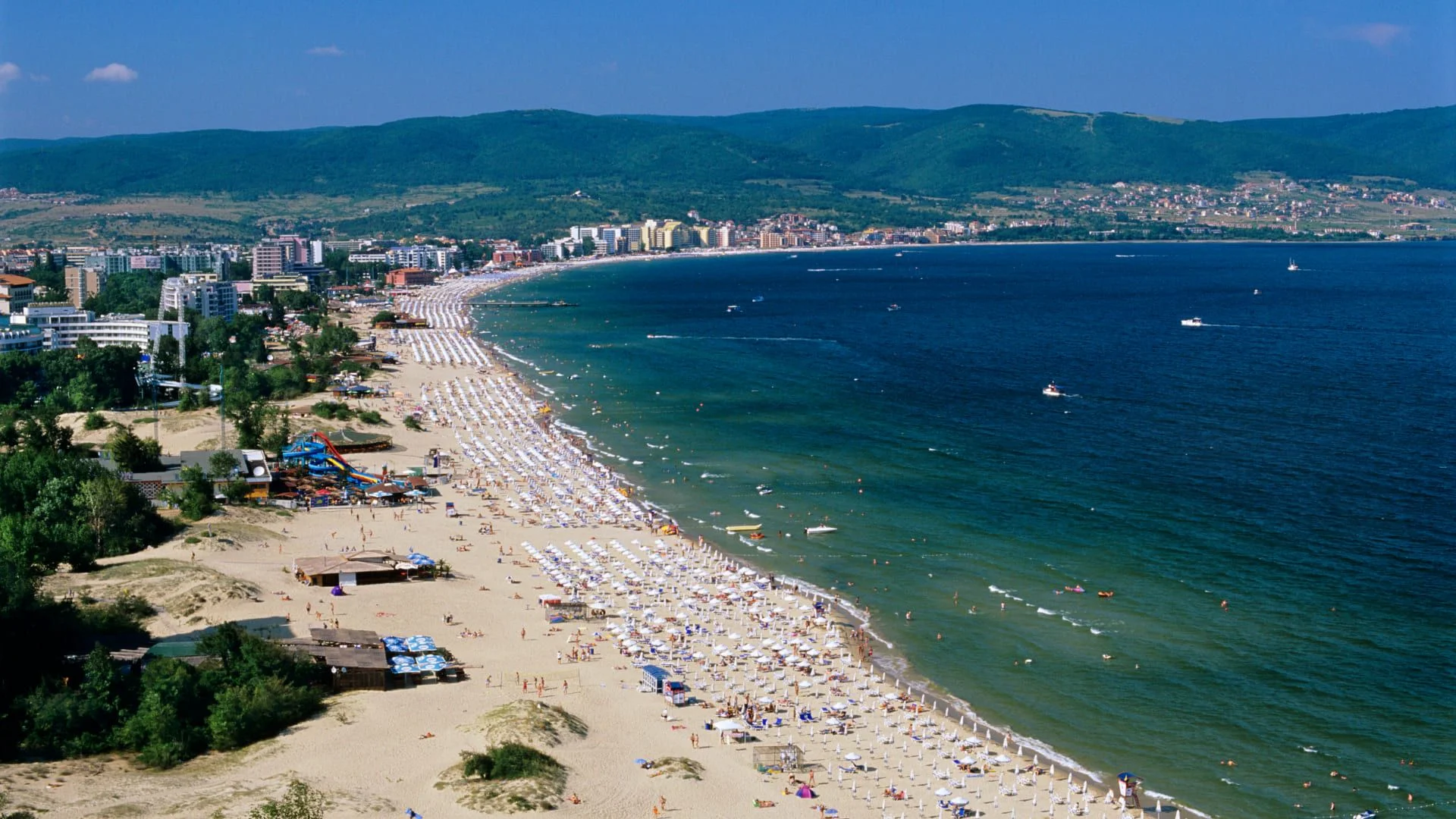
Large seasonal tourism and coastal leisure demand drives retail, restaurants and hospitality in Sunny Beach, while logistics and municipal services provide off-season stability, implying mixed lease profiles with short seasonal contracts and select longer-term agreements
Asset types and strategies
Sunny Beach market concentrates on hospitality, high-street retail, seasonal short-stay units and small logistics nodes, supporting strategies from core long-term municipal or logistics leases to value-add repositioning and mixed-use or single-tenant hospitality conversions
Expert selection support
VelesClub Int. in Sunny Beach defines strategy, shortlists assets and runs screening with tenant quality checks, lease structure review, yield logic assessment, capex and fit-out assumptions, vacancy risk analysis and a focused due diligence checklist
Tourism and trade
Large seasonal tourism and coastal leisure demand drives retail, restaurants and hospitality in Sunny Beach, while logistics and municipal services provide off-season stability, implying mixed lease profiles with short seasonal contracts and select longer-term agreements
Asset types and strategies
Sunny Beach market concentrates on hospitality, high-street retail, seasonal short-stay units and small logistics nodes, supporting strategies from core long-term municipal or logistics leases to value-add repositioning and mixed-use or single-tenant hospitality conversions
Expert selection support
VelesClub Int. in Sunny Beach defines strategy, shortlists assets and runs screening with tenant quality checks, lease structure review, yield logic assessment, capex and fit-out assumptions, vacancy risk analysis and a focused due diligence checklist








Useful articles
and recommendations from experts
Assessing commercial property in Sunny Beach Market
Why commercial property matters in Sunny Beach
Sunny Beach is a concentrated commercial micro-market where tourism demand, local services and seasonal population shifts create cyclical but measurable demand for a range of commercial property. The local economy generates demand for office space from small corporate operations and administrative support for tourism businesses, retail and hospitality space for visitor-facing commerce, and warehousing and light industrial capacity to support supply chains that peak in the summer months. Healthcare and education institutions contribute a lower-frequency but stable demand profile, particularly outside the peak season. Buyers in this market are typically owner-occupiers seeking premises to operate hospitality or retail businesses, investors targeting seasonal rental income and capital appreciation, and operators who manage hospitality assets or serviced office offerings. Understanding how these buyer types interact with seasonal cycles and municipal planning priorities is central to assessing commercial property in Sunny Beach.
The commercial landscape – what is traded and leased
Typical stock in Sunny Beach reflects its coastal-resort character combined with supporting urban functions. Traded and leased properties include concentrated tourism clusters with short-term hospitality leases, high street corridors where retail space is let to seasonal tenants, neighborhood retail that serves year-round residents, small business parks providing office and light industrial units, and logistics zones that handle inbound goods and last‑mile distribution during peak season. In many cases the market separates lease-driven value from asset-driven value: lease-driven value attaches to properties with long, indexed leases to creditworthy tenants and predictable cashflow; asset-driven value reflects redevelopment potential, change of use opportunities, or structural capital upgrades that can deliver higher rents or different income profiles. In Sunny Beach the balance between these two is influenced by seasonality and planning constraints, so investors must judge whether a given deal is primarily a leased-income acquisition or an asset where repositioning will create value.
Asset types that investors and buyers target in Sunny Beach
Retail space in Sunny Beach includes both tourist-facing high street premises and smaller neighborhood shops. High street retail demands premium location and footfall during the season, while neighborhood retail offers steadier year-round income with lower peak rents. Office space in Sunny Beach tends to be small-to-medium units used by professional services, property management firms and back-office operations for hospitality businesses; prime versus non-prime office logic hinges on accessibility, building quality and lease length rather than metropolitan density. Hospitality assets dominate the market and present a spectrum from independently run guesthouses to multi-unit small hotels, all subject to seasonal occupancy cycles. Restaurant, cafe and bar premises are often treated as specialist commercial units with bespoke fit-outs and short turnover leases. Warehouse property in Sunny Beach and surrounding areas is typically light industrial or storage space sized for regional logistics rather than large-scale distribution centers — e-commerce growth changes demand patterns for short-term storage and peak-season throughput. Revenue houses and mixed-use buildings combining retail at street level with apartments above are relevant where tourism accommodation and long-term rentals can be managed in parallel. Investors compare high street versus neighborhood retail, prime versus secondary offices, and hospitality versus mixed-use on metrics of seasonality, lease security and operational intensity.
Strategy selection – income, value-add, or owner-occupier
Income-focused investors in Sunny Beach typically seek assets with stable leases through the season and into the off‑season, prioritizing tenant quality and lease length. This strategy suits landlords who accept lower initial yields in exchange for predictability and reduced operational involvement. Value-add strategies target assets where refurbishment, reconfiguration or re-letting can reduce vacancy during shoulder months or reposition a property from tourist use to more permanent commercial tenancy. Local factors that support value-add include available planning flexibility, under-capitalized stock and gaps in higher-quality service offerings. Mixed-use optimization combines short-term hospitality income with long-term residential or office leases to smooth cashflow across the year. Owner-occupiers buy commercial property in Sunny Beach to control their operating costs and location, often preferring buildings that can be adapted to their business needs. Choice among these strategies depends on business cycle sensitivity, expected tenant churn in peak months, seasonal occupancy patterns and the intensity of local regulation — for example, how short-term accommodation is managed in municipal zoning and permitting processes.
Areas and districts – where commercial demand concentrates in Sunny Beach
Demand in Sunny Beach concentrates in a few distinct area types rather than formal districts: central tourism corridors where visitor numbers and footfall peak, residential catchments that sustain neighborhood retail and services year-round, transport nodes and commuter corridors that support office and administrative functions, and industrial access zones suitable for warehouses and last‑mile logistics. Emerging business areas may appear on the edges of the resort where vacant or underused land is more readily repurposed, and pockets of mixed-use development can offer inventory for investors seeking diversified income streams. Investors evaluate proximity to main pedestrian flows and transport links, the balance between seasonal and permanent populations, and the presence of competing supply which can create oversupply risk in tourism corridors. Because Sunny Beach’s commercial demand is strongly linked to visitor patterns, careful mapping of peak routes and off‑season resident needs helps prioritize where to target acquisitions or leases.
Deal structure – leases, due diligence, and operating risks
Buyers in Sunny Beach pay close attention to lease structure, because seasonality amplifies the financial effect of lease terms. Key elements to review include lease term and break options, rent indexation clauses, service charge responsibilities and the allocation of fit-out and maintenance obligations. Vacancy and reletting risk is elevated in tenant segments tied to tourism, so assessing tenant concentration and tenant trading history is critical. Due diligence should include technical surveys to quantify immediate capex needs, verification of planning and permitted use to check conversion or expansion options, and review of any service agreements that affect net operating income. Operating risks such as fluctuating utility costs during the season, seasonal staffing constraints for hospitality tenants and compliance requirements for local short-term rental regulation should be documented and costed. Capex planning must account for periodic refurbishment that tourism-facing assets typically require, and rental assumptions should be stress-tested for lower shoulder-season performance. While not a substitute for legal advice, a thorough commercial and operational review reduces execution risk and clarifies whether a lease-driven or asset-driven valuation approach is appropriate.
Pricing logic and exit options in Sunny Beach
Pricing in Sunny Beach is driven by location and seasonal footfall, tenant covenant strength, remaining lease term and the immediate condition of the asset. Buildings that require substantial capex trade at discounts that reflect future investment needs, while assets with long indexed leases to stable tenants command a premium relative to local averages. Alternative use potential – for example, conversion from retail to mixed-use or from residential to managed accommodation – informs pricing where planning allows change of use. Exit options for investors include holding and refinancing once income stabilizes, re-letting to capture market rent growth in shoulder months, or repositioning the asset and selling to a buyer seeking a different income profile. Each exit path requires planning for the timing of market cycles in Sunny Beach, recognising that peak investor interest may align with high season results but longer-term value often depends on year-round performance and structural improvements.
How VelesClub Int. helps with commercial property in Sunny Beach
VelesClub Int. approaches commercial property in Sunny Beach as a process that begins with clarifying the client’s objectives – whether income stability, capital appreciation, operational control or a mixed-use portfolio. The next step defines target segments and district types aligned with those goals, using local market intelligence to filter opportunities. Shortlisting assets focuses on lease profile, tenant risk and capex exposure rather than marketing narratives, and VelesClub Int. coordinates technical and commercial due diligence so clients see an integrated picture of operating cost, compliance risk and repositioning potential. During transaction stages VelesClub Int. supports negotiation and structuring, aligning deal terms with the intended exit or hold strategy and facilitating third-party reports without providing legal advice. The selection and recommendation process is tailored to the buyer’s capabilities and capital plan, with an emphasis on measurable risks and realistic operating scenarios for Sunny Beach.
Conclusion – choosing the right commercial strategy in Sunny Beach
Choosing the right commercial strategy in Sunny Beach requires matching seasonal demand profiles to lease security and capex appetite. Income investors should prioritise long leases and tenant diversity to reduce volatility, while value-add players must identify opportunities where refurbishment or re-tenanting can close the gap between seasonal performance and year-round returns. Owner-occupiers should evaluate operational fit and conversion potential alongside location suitability. For any purchaser considering whether to buy commercial property in Sunny Beach, the critical next step is a disciplined screening process that weighs lease terms, tenant concentration, technical condition and local planning constraints. Consult VelesClub Int. experts to define a strategy, shortlist assets based on risk and cashflow parameters, and proceed with coordinated due diligence and transaction support tailored to your objectives in the Sunny Beach commercial real estate market.