
Best offers
in Brazil
Benefits of investing in commercial real estate in Sao Paulo


Local demand dynamics
Sao Paulo's diversified economy anchored in finance and corporate districts, manufacturing and logistics corridors, health and education hubs, and strong domestic consumption creates demand for tenants with varying stability across short and long lease profiles
Target asset strategies
Key Sao Paulo segments are grade A and secondary offices in financial corridors, logistics parks near airports and highways, high street retail, hospitality, mixed use, with strategies from core leases to value add repositioning
Expert asset screening
VelesClub Int. experts define strategy, shortlist assets and run screening including tenant quality checks, lease structure review, yield logic assessment, capex and fit out assumptions, vacancy risk appraisal and a targeted due diligence checklist
Local demand dynamics
Sao Paulo's diversified economy anchored in finance and corporate districts, manufacturing and logistics corridors, health and education hubs, and strong domestic consumption creates demand for tenants with varying stability across short and long lease profiles
Target asset strategies
Key Sao Paulo segments are grade A and secondary offices in financial corridors, logistics parks near airports and highways, high street retail, hospitality, mixed use, with strategies from core leases to value add repositioning
Expert asset screening
VelesClub Int. experts define strategy, shortlist assets and run screening including tenant quality checks, lease structure review, yield logic assessment, capex and fit out assumptions, vacancy risk appraisal and a targeted due diligence checklist








Useful articles
and recommendations from experts
Commercial property in Sao Paulo market overview
Why commercial property matters in Sao Paulo
Sao Paulo is Brazil's largest economic center and its commercial property market reflects a high degree of sectoral concentration and spatial specialization. Demand for office space in Sao Paulo is driven by professional services, finance, technology and corporate shared services that concentrate in central corridors and premium business parks. Retail space in Sao Paulo serves both dense urban catchments and affluent neighborhoods, with different rent and footfall dynamics. Industrial and logistics demand is propelled by manufacturing, domestic distribution and a large e-commerce base that relies on city-fringe warehouses and last-mile nodes. Hospitality and tourism-related commercial real estate in Sao Paulo responds to business travel, conferences and international connections, while healthcare and education generate stable, lease-driven requirements for purpose-built space. Buyers include owner-occupiers seeking operational control, institutional and private investors focused on income or capital growth, and operators who acquire for rollout or portfolio optimisation. Collectively these buyer groups shape transaction types, lease structures and asset management priorities across the city.
The commercial landscape – what is traded and leased
The supply stock in Sao Paulo is a mix of consolidated business districts, high-street retail corridors, neighbourhood retail strips, business parks and logistics zones. The central business district hosts traditional long‑term office leases and corporate headquarters, while secondary corridors and newer business clusters accommodate flexible workspace and mid-term occupiers. High-street retail along principal avenues competes with shopping centres for customer frequency; neighbourhood retail serves local daytime populations and residential catchments. Logistics and warehouse property in Sao Paulo is concentrated along major arterial routes and close to the main airport and port access, where yield and lease terms reflect freight flows and vehicle access. Lease-driven value predominates where tenant covenants and indexed rental streams determine pricing, such as in multi-tenant office buildings and retail centres. Asset-driven value is more apparent where physical improvements, repositioning or change of use unlock higher rents or alternative income, as in adaptive reuse of older office inventory or conversion of underused sites near transport nodes.
Asset types that investors and buyers target in Sao Paulo
Investors and buyers focus on a set of defined commercial segments with clear logic. Office space in Sao Paulo ranges from prime corporate towers in consolidated corridors to secondary suburban buildings; prime assets trade on long leases and strong tenant covenants, while non-prime offers repositioning or lease-up potential. Retail space in Sao Paulo includes high-street units, shopping centres and neighbourhood retail; high-street locations compete on visibility and pedestrian flow, whereas neighbourhood retail is judged on daytime population and catchment stability. Warehouse and light industrial assets are selected for ceiling height, yard access and proximity to major distribution routes; e-commerce growth increases demand for modern logistics nodes within the metropolitan area. Hospitality assets require assessment of business versus leisure demand and seasonality associated with events and conferences. Restaurant and café premises are often leased on shorter terms with tenant fit-out obligations, so investors assess turnover risk and local customer density. Mixed-use and revenue houses that combine retail, residential and office elements are targeted where zoning and transport access allow optimisation of income streams.
Strategy selection – income, value-add, or owner-occupier
Choice of strategy in Sao Paulo depends on investor objectives and local market drivers. An income-focused approach targets stabilized assets with long leases, predictable indexation and creditworthy tenants; this strategy suits institutional capital seeking cash yield and lower active management. Value-add strategies pursue refurbishment, tenancy re-alignment or repurposing of buildings to capture rental growth where vacancy or functional obsolescence suppresses current value; these strategies are more sensitive to capex estimates, permit timelines and leasing market depth. Mixed-use optimisation seeks to densify and diversify income streams by combining retail, offices and residential components, particularly near transit nodes where higher density is feasible. Owner-occupier purchases prioritise operational control, customization and long-term occupancy cost stability; for owner-occupiers in Sao Paulo, proximity to clients and key transport corridors often outweigh pure yield metrics. Local factors that influence which strategy is appropriate include business cycle sensitivity in finance and tech sectors, patterns of tenant churn in short-term retail and hospitality, seasonality in conference traffic, and regulatory considerations that affect conversion or expansion projects.
Areas and districts – where commercial demand concentrates in Sao Paulo
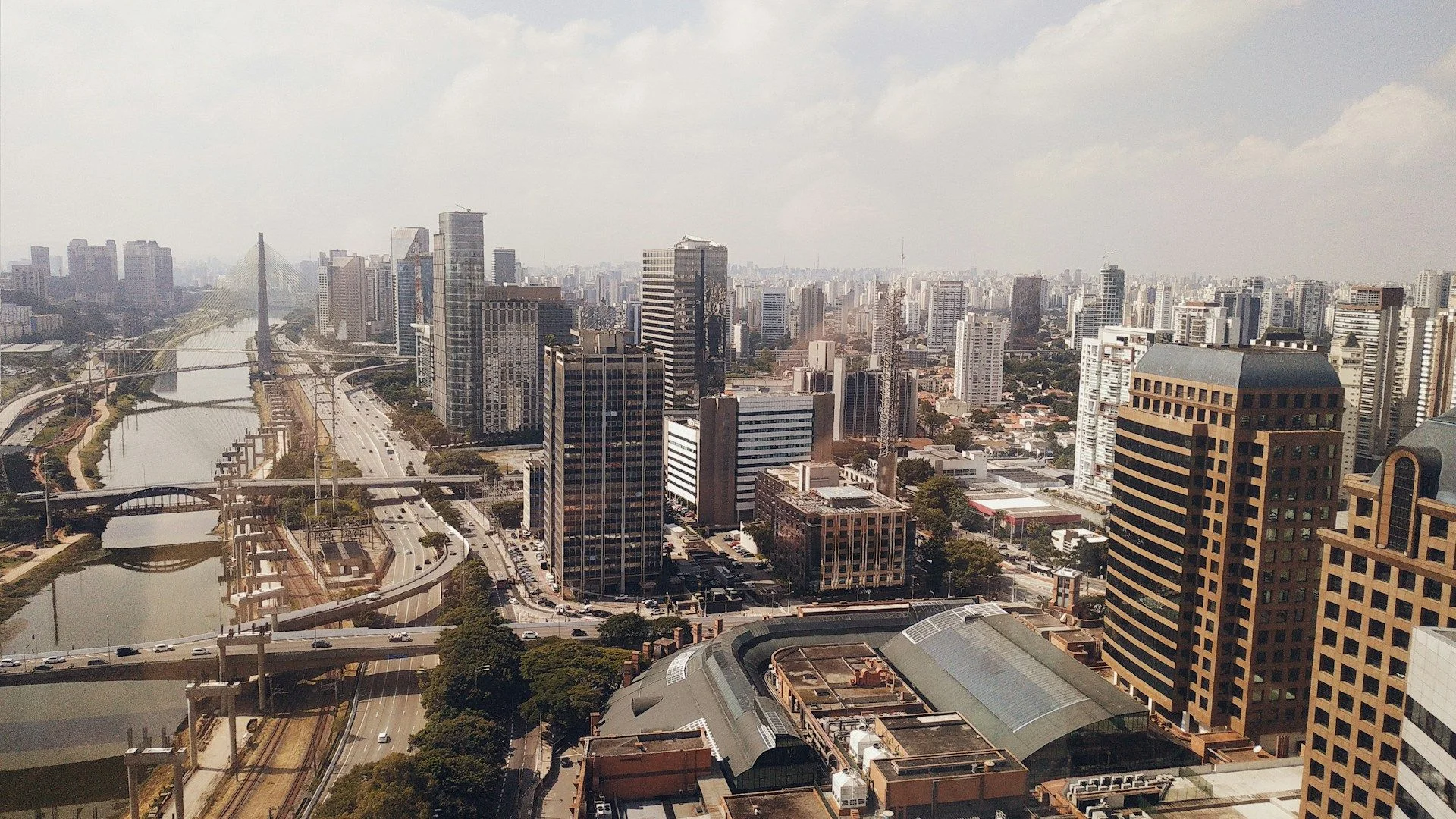
Commercial demand in Sao Paulo concentrates along a set of well-defined districts and corridors that present different risk-return profiles. The historical Centro district remains a nodal point for corporate services and public administration, with a dense office and retail mixture. The Avenida Paulista corridor and neighbouring areas attract financial services, high-profile office occupiers and higher-grade retail, creating sustained demand for premium office space and branded retail. The Faria Lima and Itaim Bibi axis functions as a financial and corporate corridor where modern office towers and corporate campuses command longer lease terms and higher rents. Vila Olimpia and the Brooklin/Berrini corridor have developed as mixed business clusters with strong demand for flexible office formats and proximity to transport links. Jardins and adjacent premium neighborhoods concentrate high-end retail and boutique commercial premises that are evaluated on catchment affluence and footfall quality. For logistics and warehouse property in Sao Paulo, the airport corridor towards Guarulhos, the southwestern industrial belt and arterial routes feeding the port and regional highways are primary locations due to freight connectivity and distribution efficiency. When comparing districts investors use a framework covering centrality versus cost, transport accessibility, tenant mix, recent supply pipeline and vacancy trends to assess competition and oversupply risks.
Deal structure – leases, due diligence, and operating risks
Typical deal analysis in Sao Paulo begins with a granular review of lease documents and tenant performance. Important commercial terms include lease term length, break and renewal options, rent adjustment mechanisms and indexation, obligations for common area maintenance and service charges, and responsibility for fit-out and capex. Buyers assess vacancy and reletting risk by benchmarking market rents, typical downtime, and incentives being offered in comparable buildings. Due diligence examines structural condition, essential systems, compliance with building codes and permits, pending litigation and title clarity. Operating risks in Sao Paulo include concentrated tenant exposure in single-tenant assets, variable cost inflation for services and utilities, and potential capex for environmental or accessibility upgrades. For logistics properties, due diligence includes transport connectivity and restrictions on vehicle movements. Investors should also review municipal zoning and permitted uses to understand alternative income or conversion potential. VelesClub Int. emphasises a disciplined checklist for due diligence that aligns with a client’s risk tolerance and operational capacity without providing legal opinions.
Pricing logic and exit options in Sao Paulo
Pricing for commercial property in Sao Paulo is driven by location, tenant quality and lease duration, building condition and the asset's alignment with current occupier needs. High-footfall corridors and well-connected districts command premiums because they reduce leasing risk and support higher rents. Tenant covenant strength and remaining lease term influence perceived income stability; shorter leases increase re-letting exposure and therefore pricing discounts. Building quality, energy efficiency and fit-out flexibility are increasingly relevant, as they affect downtime and capital expenditure forecasts. Alternative use potential, such as redevelopment into higher-density mixed-use or logistics conversion, can add optionality and influence pricing where zoning and transport access allow. Exit options typically include holding to stabilise income and refinance, re-leasing at market rents followed by sale, or executing a reposition and sell strategy after refurbishment. Each exit route depends on market cycle timing, capital availability and local demand dynamics; investors should model multiple scenarios rather than rely on a single liquidity path.
How VelesClub Int. helps with commercial property in Sao Paulo
VelesClub Int. supports clients with a structured process for commercial property acquisition and portfolio optimisation in Sao Paulo. We begin by clarifying investment objectives and acceptable risk profiles, then define target segments and district priorities based on transport access, tenant demand and supply pipeline. The next step is shortlisting assets using quantitative filters that include lease profile, vacancy exposure, indexed rent mechanics and capex needs. VelesClub Int. coordinates technical and financial due diligence inputs, organises site assessments and synthesises findings into a decision-ready summary for clients. During negotiation and transaction phases we help align commercial terms with investment aims, prepare comparable leasing and sales evidence, and facilitate liaison with local advisors while refraining from providing legal counsel. The selection and recommendation are tailored to each client’s target return horizon, operational capability and appetite for active management.
Conclusion – choosing the right commercial strategy in Sao Paulo
Choosing the right commercial strategy in Sao Paulo requires matching asset type, location and lease profile to investor objectives and market realities. Income-focused buyers prioritise long leases and tenant quality in stable districts, value-add investors target properties with repositioning potential near improving transport nodes, and owner-occupiers select locations that optimise operational access and cost control. Across all approaches, careful review of leases, capex exposure, tenant concentration and alternative use options is essential. For disciplined screening, targeted district selection and transaction support in Sao Paulo, consult VelesClub Int. experts to align strategy with local market dynamics and to prepare a tailored asset short-list for further due diligence and negotiation.