
Commercial Property For Sale in AustraliaBusiness assets enabling portfolio growth
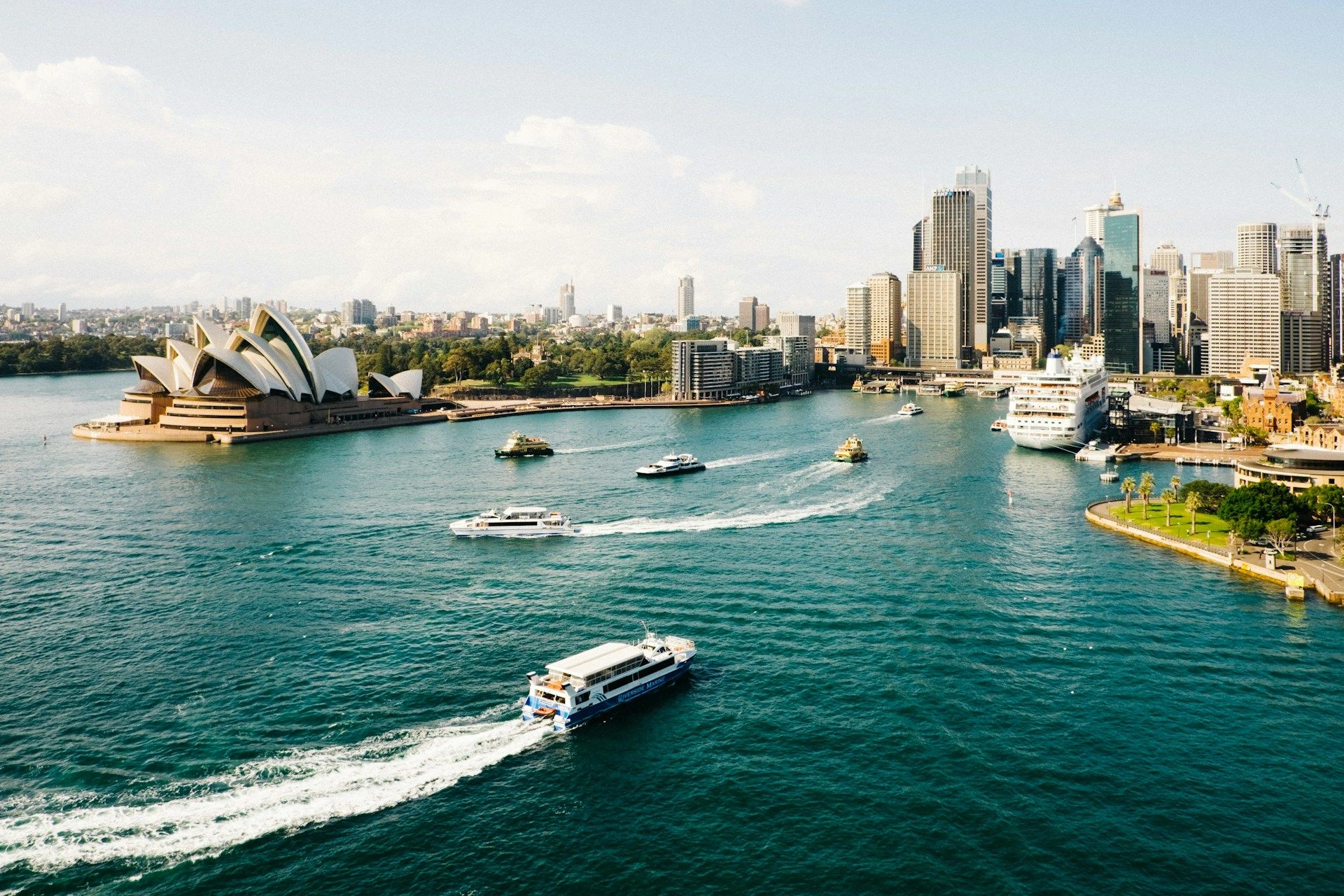



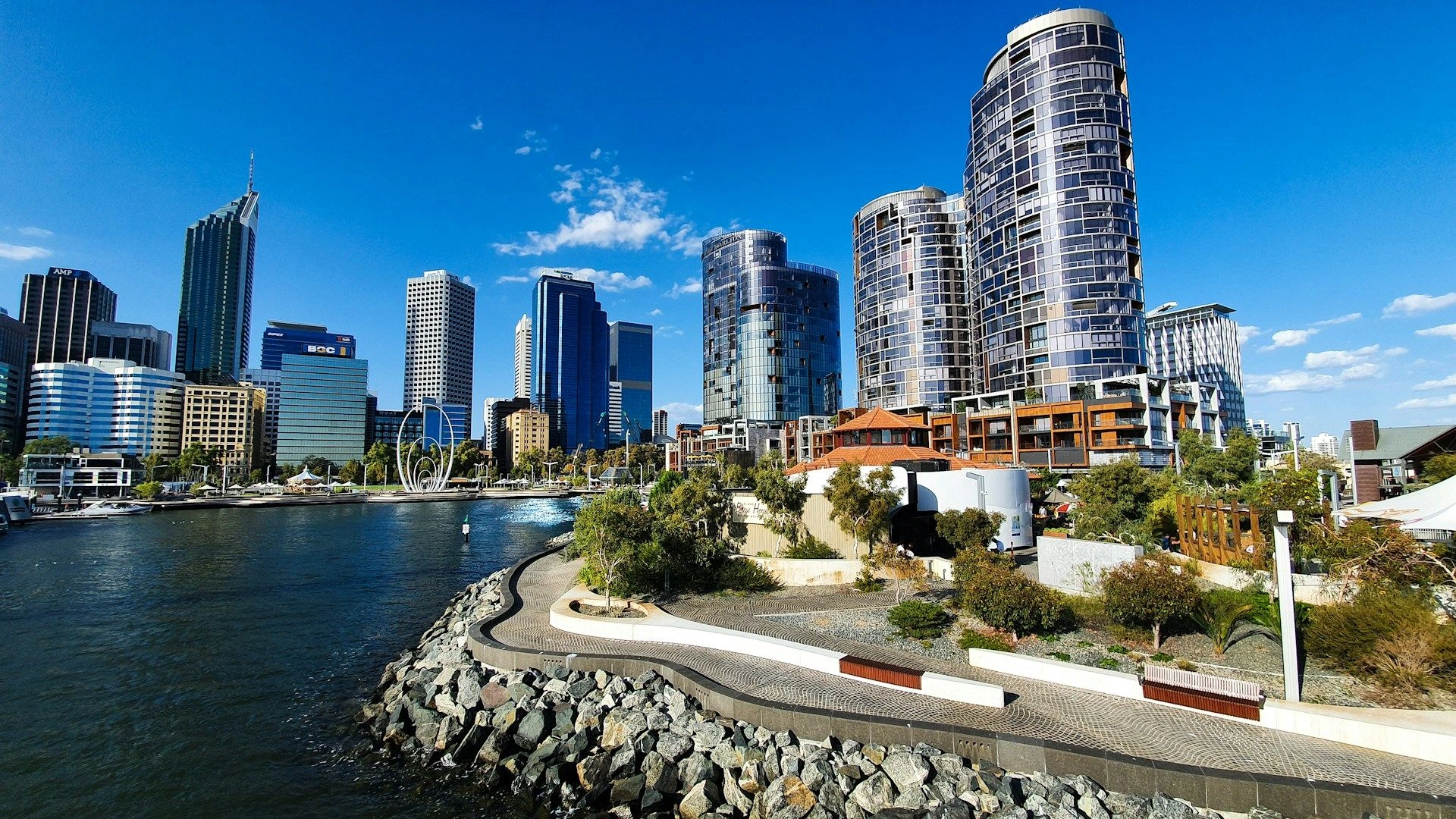

Best offers
in Australia
Benefits of investing in commercial real estate in Australia


Multi core demand
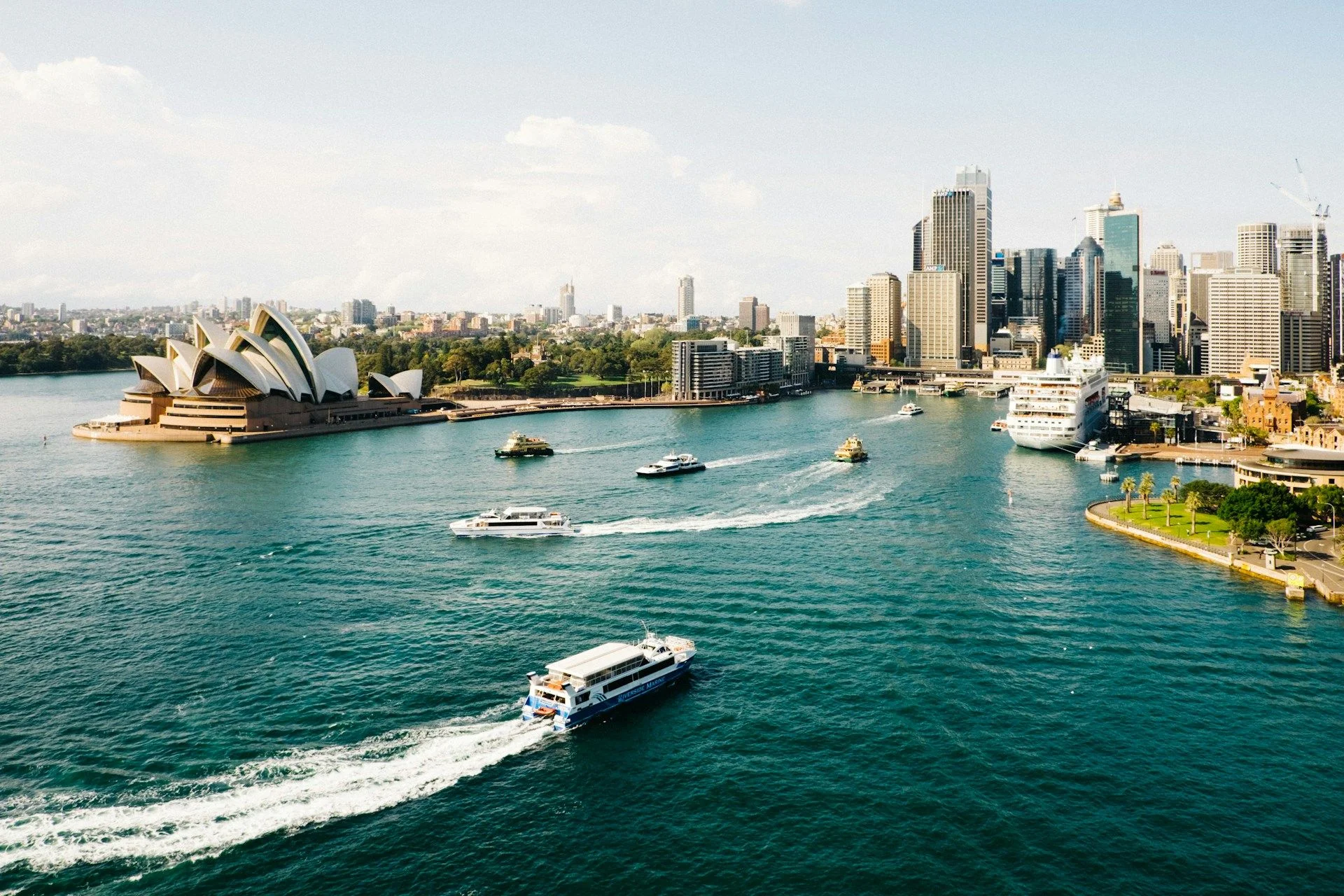
Australia supports commercial property through Sydney and Melbourne office depth, major logistics gateways, mining and energy linked regional economies, and broad domestic spending, creating several occupier engines instead of one narrow national pattern
Geographic fit
The strongest strategies usually come from pairing offices with Sydney and Melbourne, warehouses with eastern seaboard corridors, and mixed service or operational assets with cities shaped by ports, resources, education, or regional business use
Stronger filters
VelesClub Int. helps read Australia by separating big city offices, freight and port logistics, and sector led regional markets, so buyers compare tenant depth, corridor role, and local business function before narrowing toward individual opportunities
Multi core demand
Australia supports commercial property through Sydney and Melbourne office depth, major logistics gateways, mining and energy linked regional economies, and broad domestic spending, creating several occupier engines instead of one narrow national pattern
Geographic fit
The strongest strategies usually come from pairing offices with Sydney and Melbourne, warehouses with eastern seaboard corridors, and mixed service or operational assets with cities shaped by ports, resources, education, or regional business use
Stronger filters
VelesClub Int. helps read Australia by separating big city offices, freight and port logistics, and sector led regional markets, so buyers compare tenant depth, corridor role, and local business function before narrowing toward individual opportunities








Useful articles
and recommendations from experts
How commercial property in Australia fits strategy
Why commercial property in Australia works through several national engines
Commercial property in Australia matters because the country is not built around one single urban or economic pattern. Sydney and Melbourne carry the deepest office and service demand. Brisbane and Perth add different commercial layers through resources, energy, and regional business leadership. Adelaide and Canberra contribute more selective but still meaningful office, institutional, and service demand. At the same time, ports, airports, and long freight corridors make logistics and warehouse property structurally important across the eastern seaboard and in selected western and southern markets.
This is what makes commercial real estate in Australia commercially useful at country level. It is not only a Sydney office story and not only a mining or logistics story. Offices, warehouse property, mixed operational premises, retail units, and hospitality linked assets can all make sense, but only when they are matched to the right local role. A Sydney office, a Melbourne service building, a warehouse near Brisbane, and an operational asset in Perth should never be screened as versions of the same commercial idea. Australia becomes much easier to assess when business concentration, freight movement, and sector led regional economies are separated from the start.
Australia is concentrated in cities but shaped by long corridors
The first commercial rule in Australia is concentration. The largest share of office and higher value service demand sits in a small number of metropolitan markets, especially Sydney and Melbourne. That gives the country a clearer office hierarchy than buyers might expect from such a large land mass. In practical terms, the commercial map is less about geographic spread and more about a chain of powerful nodes linked by infrastructure, freight, and sector specific business activity.
This is where Australia differs from many smaller national markets. Sydney and Melbourne do not simply dominate because they are large. They dominate because they combine finance, legal work, technology, consulting, education, healthcare, and broader service economies in ways that give office property strong national meaning. But the rest of the country is not a blank space beneath them. Brisbane, Perth, Adelaide, Canberra, and major regional centres carry distinct commercial roles that matter when the asset type fits the local economy.
Office space in Australia starts with Sydney and Melbourne
Office space in Australia is led by Sydney because no other city offers the same depth of tenant demand, business visibility, and district hierarchy. It is where finance related services, legal and advisory businesses, corporate management, and premium service occupiers are most concentrated. For many buyers, Sydney is the clearest national office benchmark because it allows the strongest comparison of district quality, tenant type, and business function.
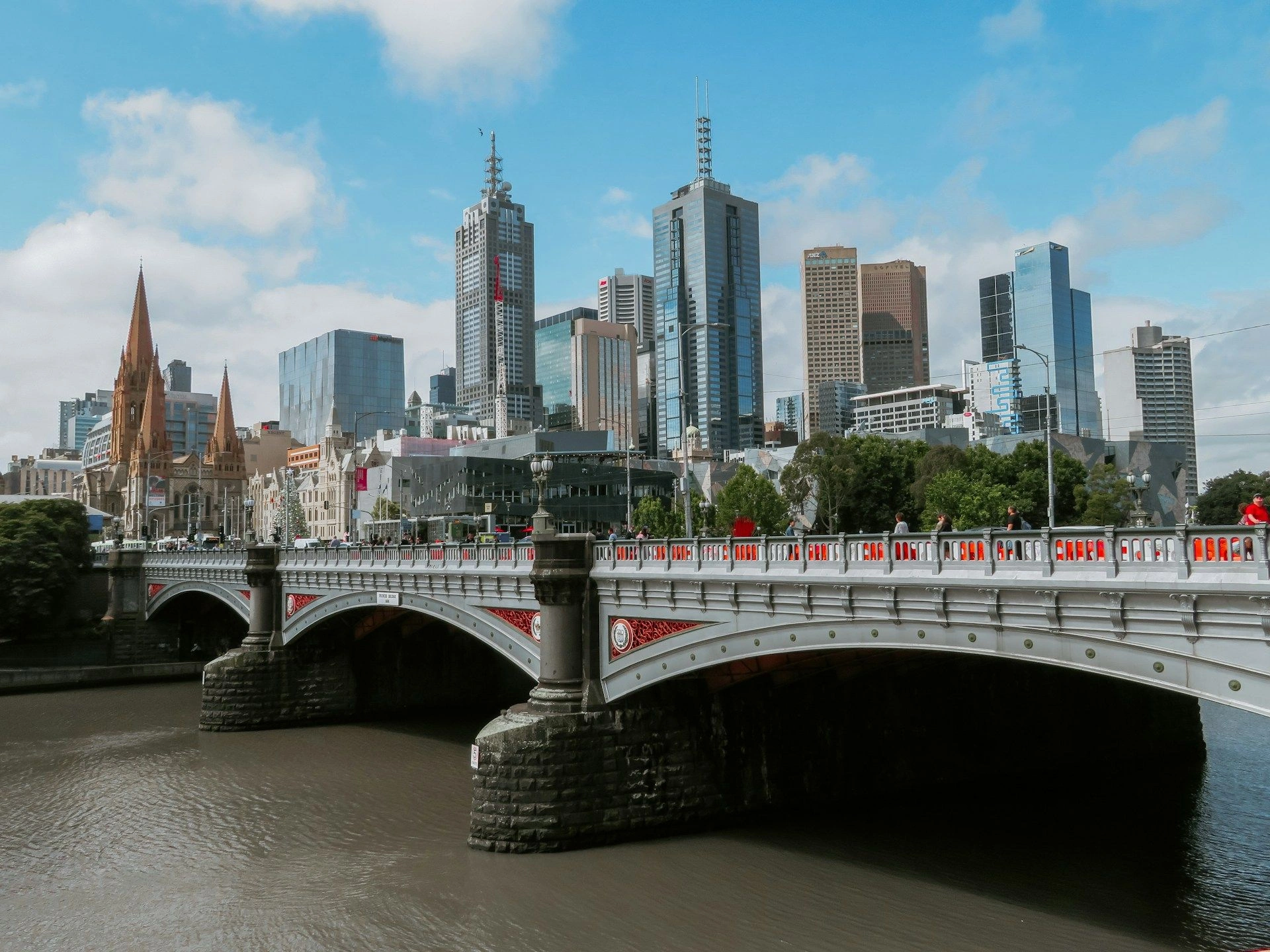
Melbourne changes the office picture rather than repeating it. It combines a very large service economy with education, healthcare, technology, professional services, and a wide metropolitan business base. That gives office space in Australia a useful dual core. A buyer does not need to treat Melbourne as a weaker extension of Sydney. In many cases, the two cities serve different occupier profiles and should be screened as distinct office environments rather than as one pooled capital market.
This does not mean every office in these cities should be read the same way. Some assets fit premium corporate use and stronger long lease logic. Others work better for owner occupiers, professional firms, healthcare related tenants, education linked users, or practical mixed business services that value access and labour pools more than prestige alone. In Australia, the right office decision is rarely just about the newest tower. It is about the fit between district, tenant type, and scale.
Regional office markets in Australia only work when their role is clear
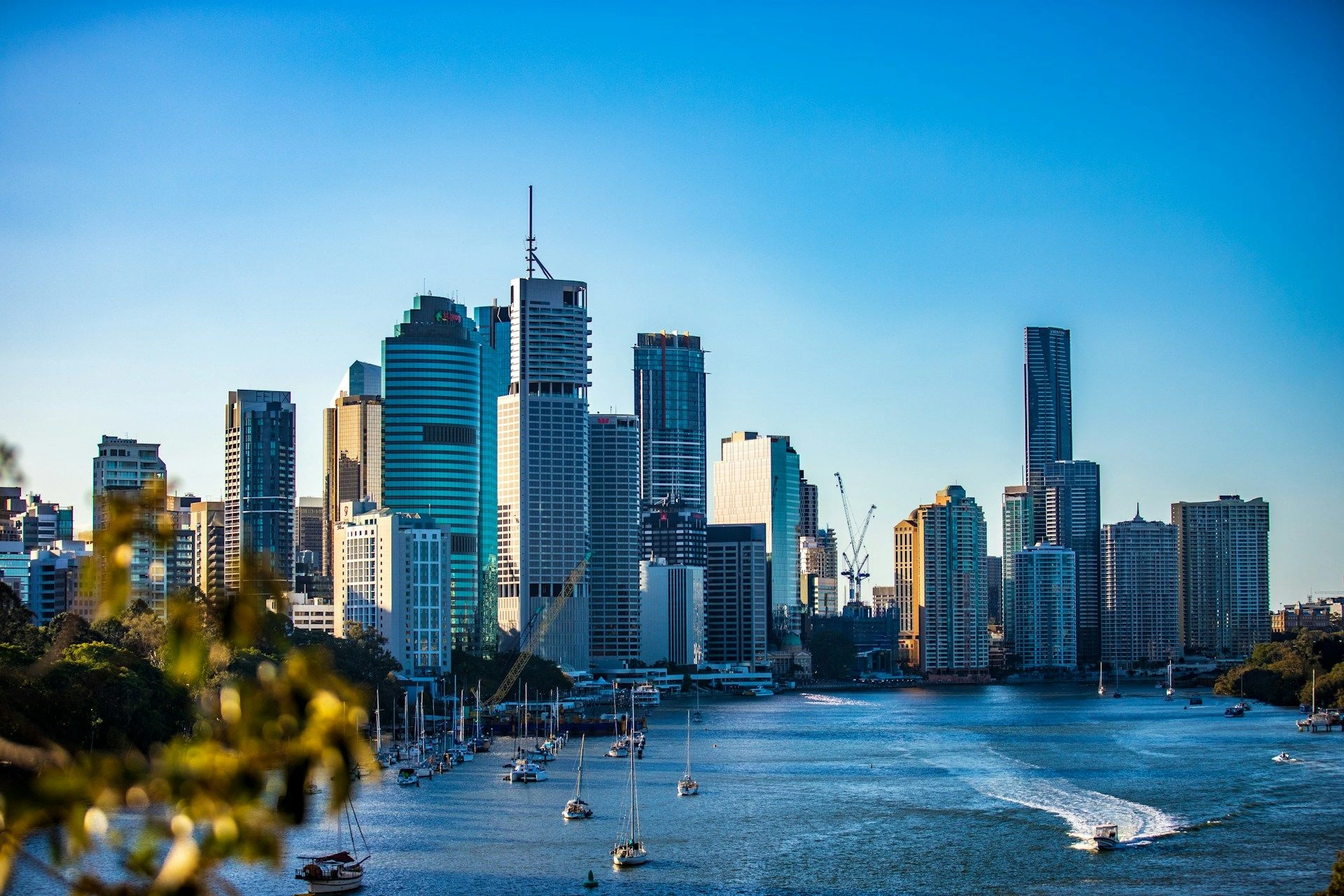
Outside Sydney and Melbourne, office assets can still make sense, but the logic narrows quickly. Brisbane often reads through resources related services, state level corporate use, and a strong local service economy. Perth has a different profile shaped by energy, mining related business activity, engineering, and regional management functions. Canberra is stronger through administration, institutions, and policy linked demand than through broad private sector office depth. Adelaide can make sense through defence, services, education, and practical local business use.
This is important because Australia is not a country where every large city should be treated as a smaller copy of Sydney. The stronger office and mixed service assets outside the two main cores usually work best when tied to visible local business ecosystems. In many cases, practical owner occupier space, healthcare premises, education linked offices, and mixed use service buildings can be easier to justify than speculative office stock aimed at a vague national tenant pool.
Warehouse property in Australia follows freight more than city labels
Warehouse property deserves serious weight in Australia because the country depends on efficient movement between concentrated population centres, ports, airports, and long inland distribution routes. The eastern seaboard is especially important because Sydney, Melbourne, and Brisbane together create the clearest chain of consumption, container movement, and last stage distribution. This makes warehouse property in Australia much more than a support segment. It is one of the ways the national economy actually functions.
The key point is function. A warehouse becomes commercially strong when it serves a visible freight or supply chain role. A facility near the right motorway, port, airport, or industrial belt can have far more practical meaning than a similar building in a weaker position. For some buyers, the strongest fit is long lease logistics. For others, it is owner occupied storage, urban fulfilment, industrial support, or mixed operational use. In Australia, route efficiency often matters more than scale for its own sake.
This is why the best warehouse decisions usually come from reading the corridor before the building. A logistics unit tied to western Sydney distribution, Melbourne freight movement, or Brisbane industrial servicing should not be screened in the same way as a more remote regional asset with thinner access to major demand.
Australia also gives commercial property a sector led regional layer
One of the more distinctive features of the market is that some regional and secondary locations become commercially relevant through industry rather than through city size alone. Perth is the clearest large scale example because resources and energy shape both office and operational demand. Newcastle, Townsville, the Hunter, and selected resource or port linked areas can support warehouses, trade premises, and mixed industrial assets when the local operating logic is clear. Darwin also follows a more specialised path through logistics, defence, and northern supply roles rather than through broad metropolitan depth.
This means commercial property in Australia cannot be read only through the biggest capital cities. Some of the strongest practical use cases appear where an asset supports ports, resources, agriculture, defence, or freight movement. The country often rewards properties that solve a direct operating need, not only those that sit in the highest profile urban district.
Retail space in Australia depends on routine and catchment quality
Retail space in Australia is commercially important because it is supported first by domestic urban use and only then strengthened by tourism. Sydney and Melbourne remain the strongest retail references because of residents, office workers, students, transport flows, and dense service districts. Brisbane, Perth, Adelaide, and major regional centres can also support meaningful retail and food service property where local routine is visible and the catchment is easy to understand.
The practical point is that retail in Australia should not be screened only through visibility. A stronger unit is usually the one tied to repeat local use rather than the one with the loudest frontage. Convenience retail, food and beverage, healthcare related services, education linked spending, and mixed neighbourhood demand often create a clearer commercial story than broader destination language without the right catchment behind it.
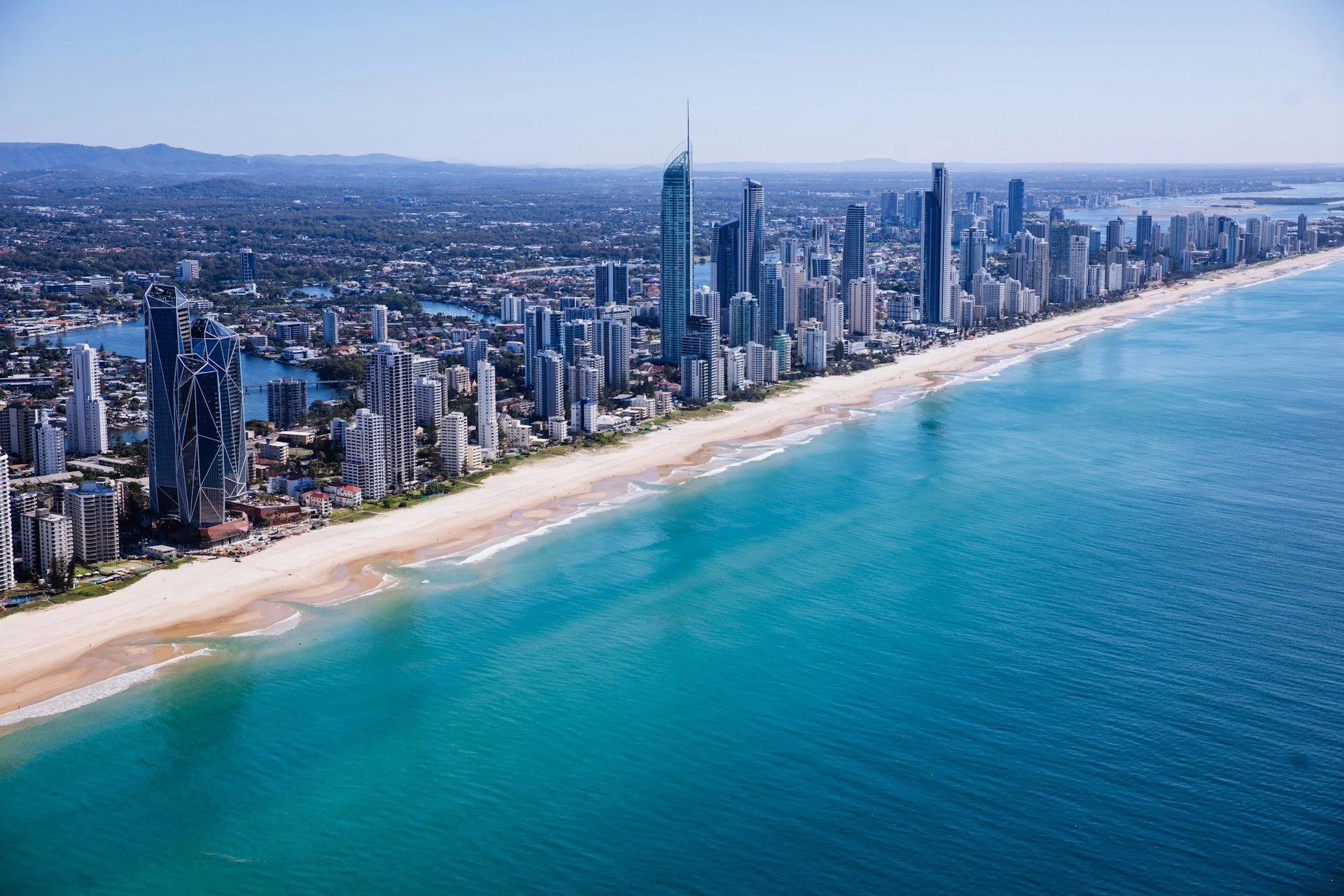
Tourism adds another layer in city centres, coastal leisure locations, and selected destination markets, but it should not dominate the national retail reading. The stronger retail asset is usually the one where daily urban rhythm already does most of the work.
What asset types in Australia usually fit best
At country level, the strongest commercial formats in Australia are usually offices in Sydney and Melbourne, warehouse and operational premises across eastern seaboard corridors, mixed service property in strong metropolitan and secondary city markets, and selected hospitality linked assets in city and leisure locations with visible repeat turnover. Retail can be strong where everyday spending is clear, but it usually works best as part of a broader city use story rather than as a standalone spectacle category.
What matters less is trying to give equal weight to every segment everywhere. Office logic is strongest where business concentration is real. Warehouse property becomes more compelling where ports, airports, motorways, and freight systems create operating relevance. Hospitality becomes central only where the surrounding service ecosystem already supports it. Australia rewards weighting and territorial discipline much more than category completeness.
Pricing commercial property in Australia depends on role and distance to demand
Pricing only makes sense when the commercial role of the asset is clear. In Sydney and Melbourne offices, stronger values are usually supported by tenant depth, district quality, and scarcity of directly comparable space in the best business locations. In warehouse and operational property, value is shaped more by corridor relevance, freight access, and whether the building sits inside a real movement chain. In regional service assets, the key question is whether the local economy genuinely supports the intended commercial use.
That is why buyers who want to buy commercial property in Australia should avoid broad comparisons between unlike assets. A cheaper office outside the main business logic may still be less practical than a better positioned one in a stronger metro core. A larger warehouse in a weak corridor may be less useful than a smaller but better connected facility. The most useful comparison in Australia is not low price against high price. It is clear demand against unclear demand.
Questions that sharpen commercial choices in Australia
Why do Sydney and Melbourne dominate office space in Australia so strongly
Because together they concentrate the broadest mix of finance, legal work, consulting, technology, healthcare, education, and corporate management, which gives office assets there a wider tenant base than anywhere else in the country
Does warehouse property in Australia only make sense on the east coast
The east coast is the clearest logistics spine because it links the biggest consumption markets, but selected western, northern, and regional assets can also work well when they serve visible freight, port, resources, or industrial supply functions
Are regional cities in Australia mainly secondary office markets
Not necessarily. They are often stronger as mixed service, healthcare, education, industrial support, defence, or owner occupier markets. In many cases, the best regional asset is not a classic office but a property with a clearer local operating role
Can retail space in Australia be judged mainly by tourism appeal
Usually no. Tourism strengthens some districts, but the strongest retail assets often depend more on repeat local spending, office worker movement, student use, and neighbourhood demand than on visitor traffic alone
What usually makes one Australian commercial asset more practical than another
The strongest asset is usually the one that matches the main demand engine behind the location, whether that is metro office depth, freight corridor relevance, or regional business use tied to resources, services, or visible daily turnover
Choosing commercial property in Australia with better discipline
Australia belongs on a commercial shortlist when the buyer wants a market that is large, legible, and commercially differentiated by function rather than by noise. Offices, warehouses, mixed service units, retail, and selected hospitality linked assets can all make sense, but only when they are matched to the part of the country that actually supports them.
Seen that way, commercial property in Australia becomes less generic and more actionable. VelesClub Int. helps turn country level interest into a clearer strategy, a tighter territorial screen, and a more confident next step in commercial asset selection