
Bestandsimmobilien in Serbien – WiederverkaufsobjekteWohnen und Umzug mit geringen Hürden
Beste Angebote
in Serbien
Secondary real estate in Serbia

Regional layers
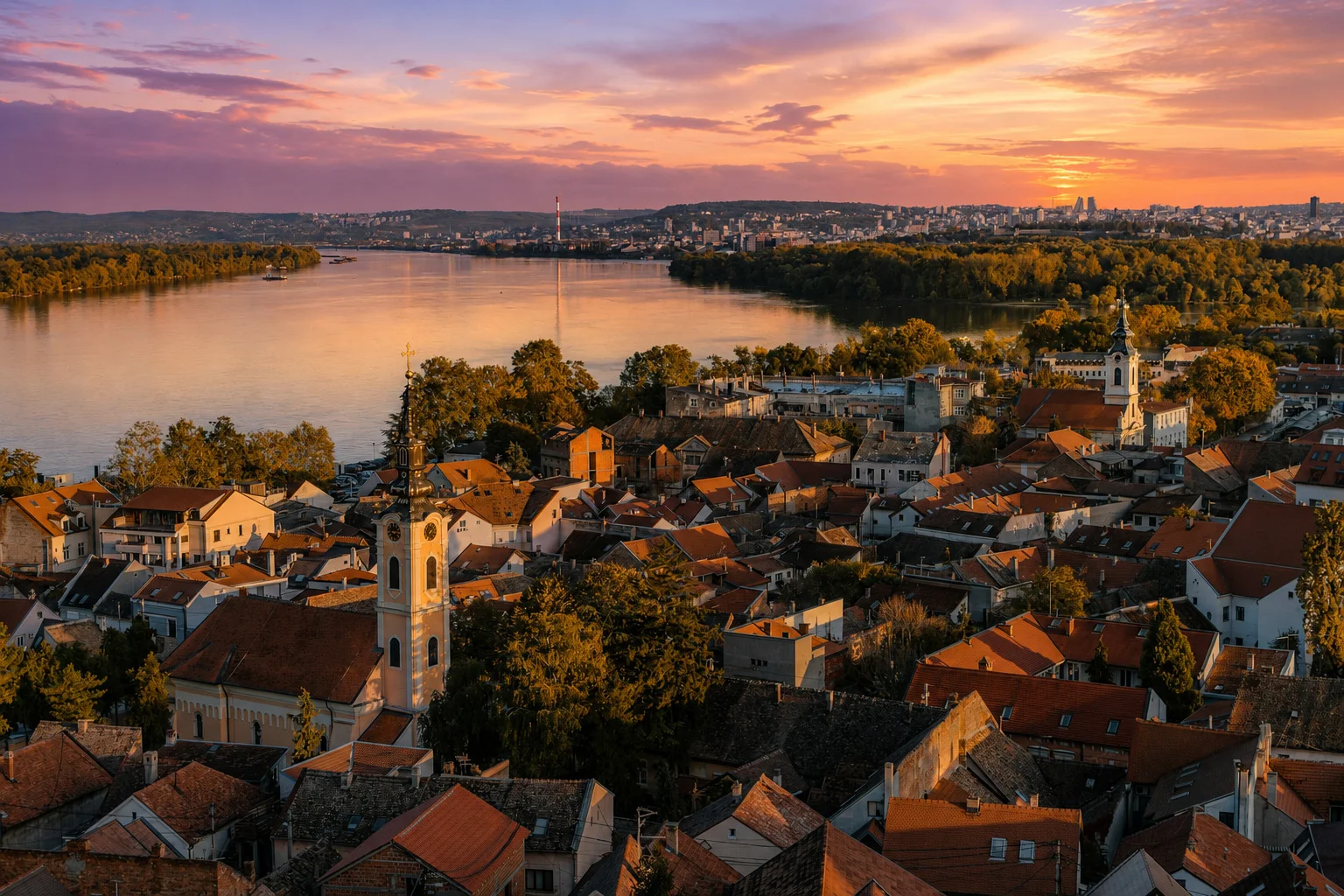
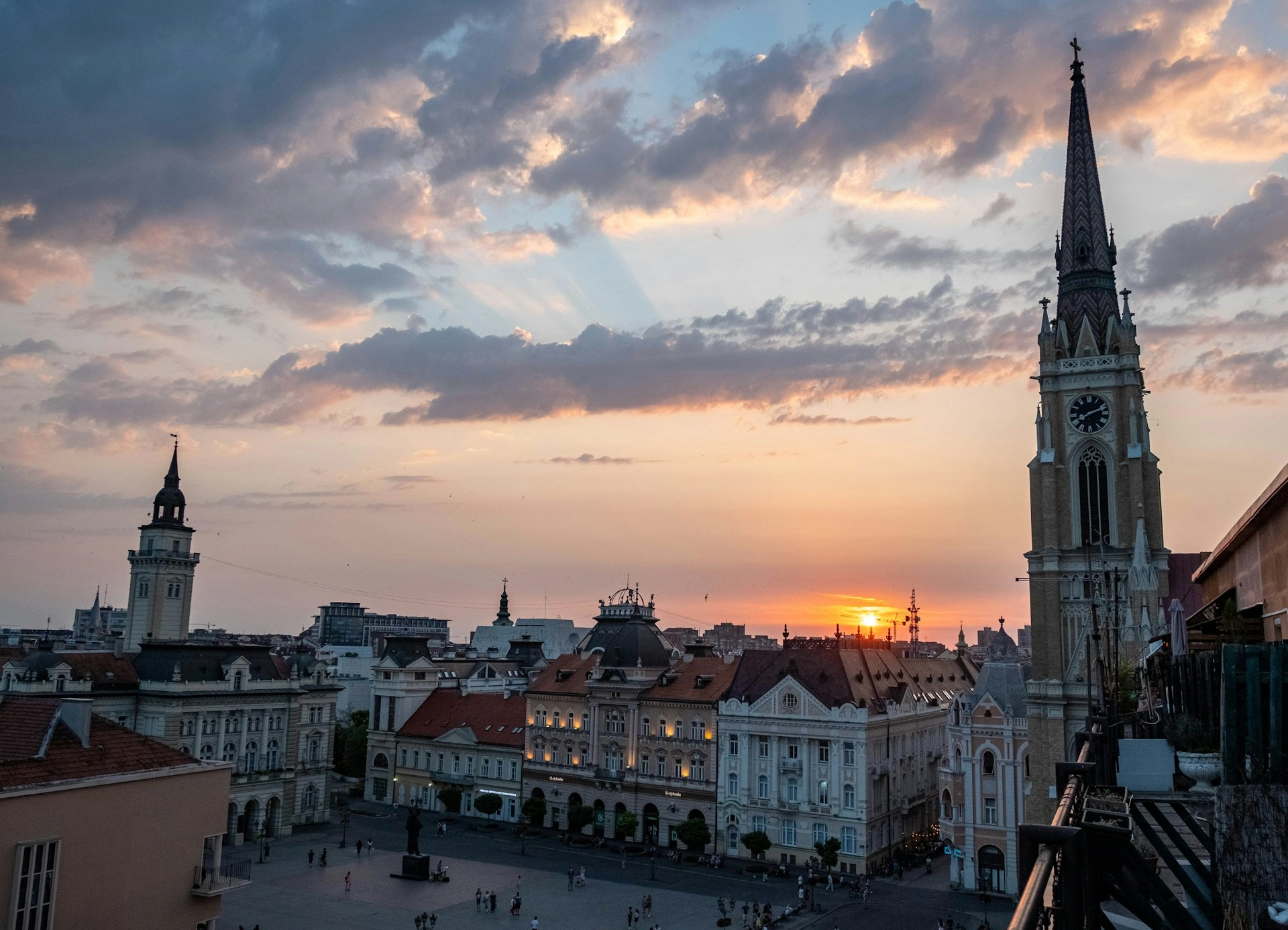
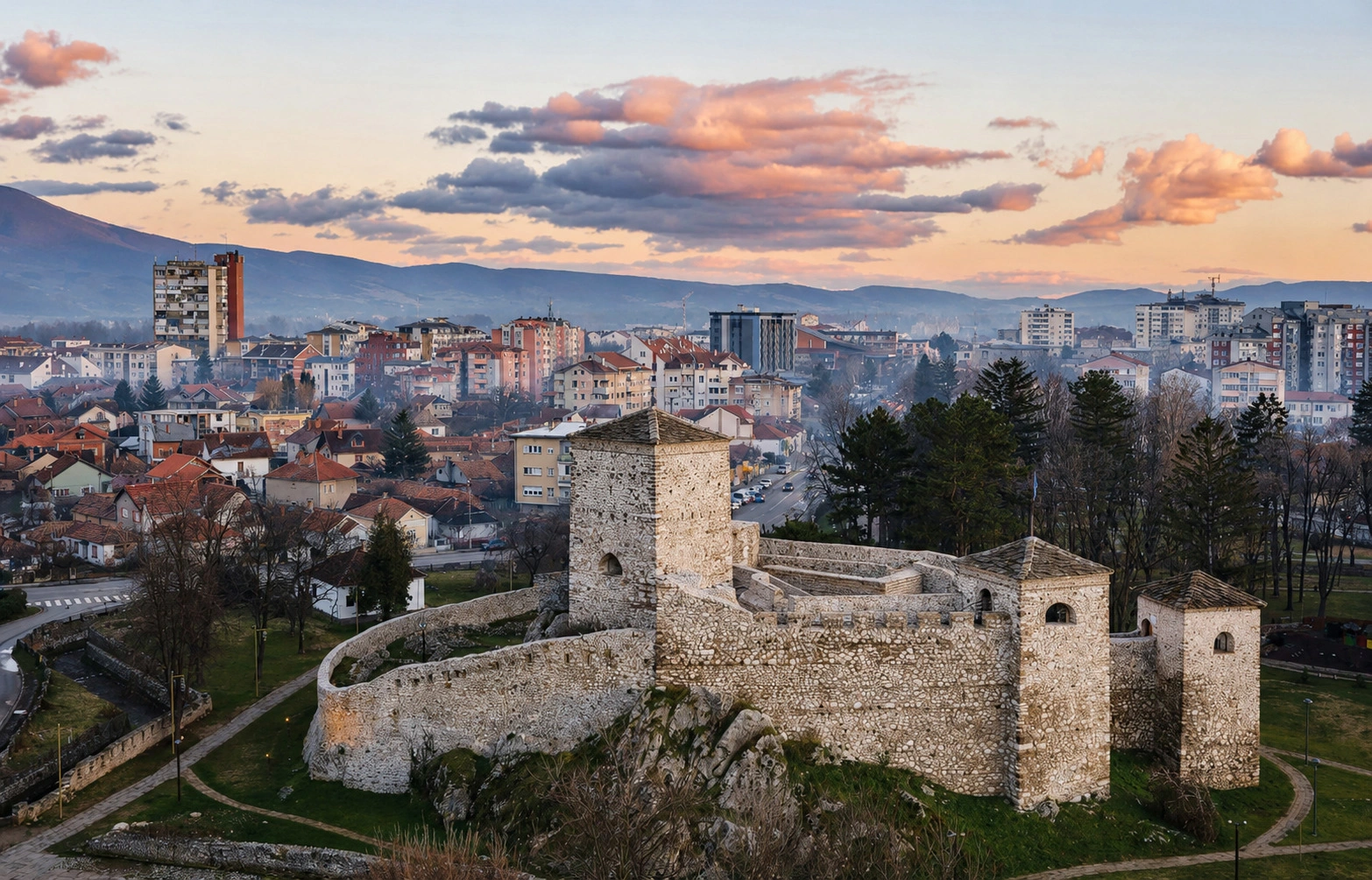
Serbia secondary housing combines capital city stock, regional urban centers, and smaller towns - buyers compare completed properties across different market layers with established usage and ownership history rather than future delivery assumptions
Broad demand
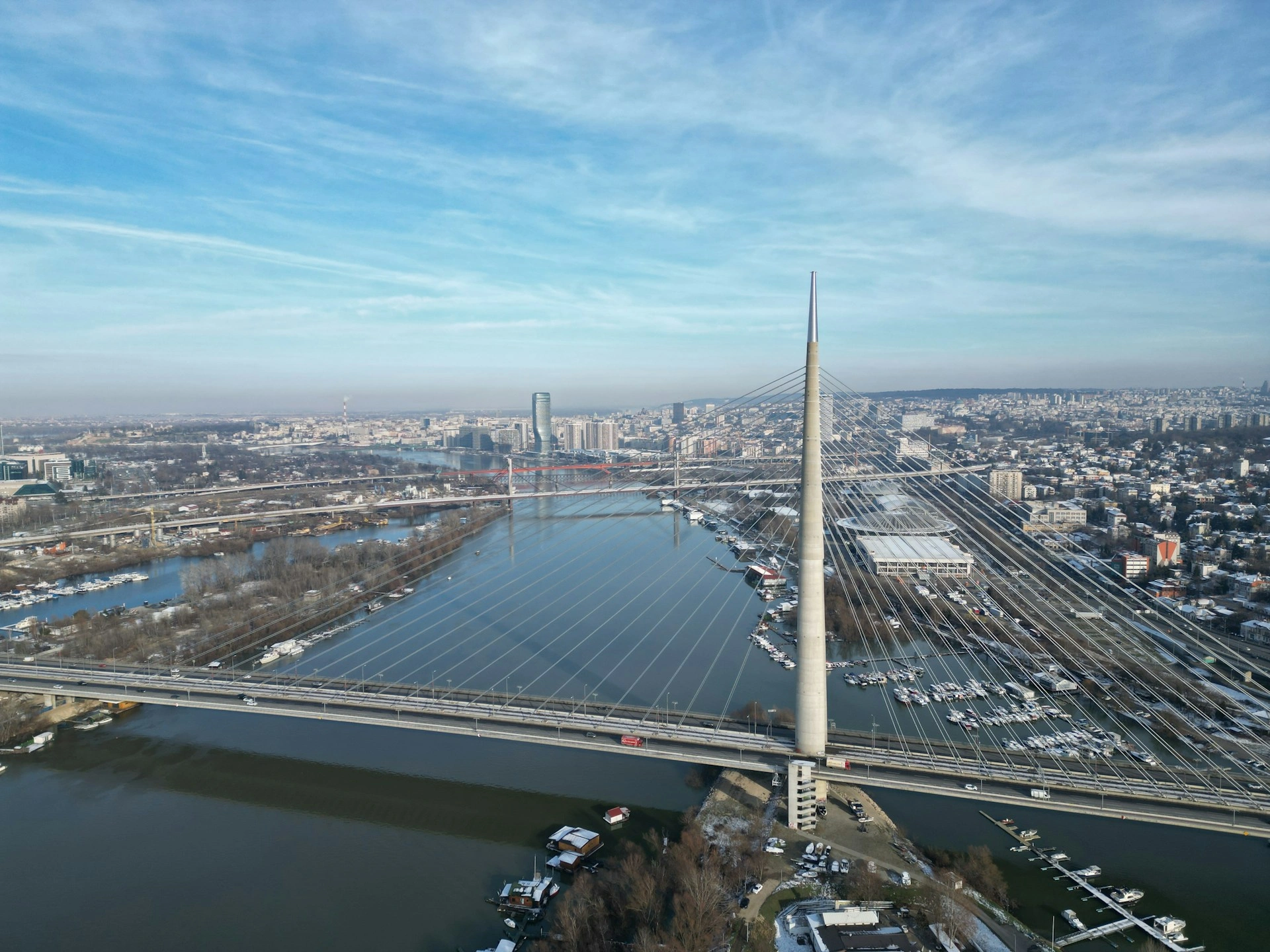
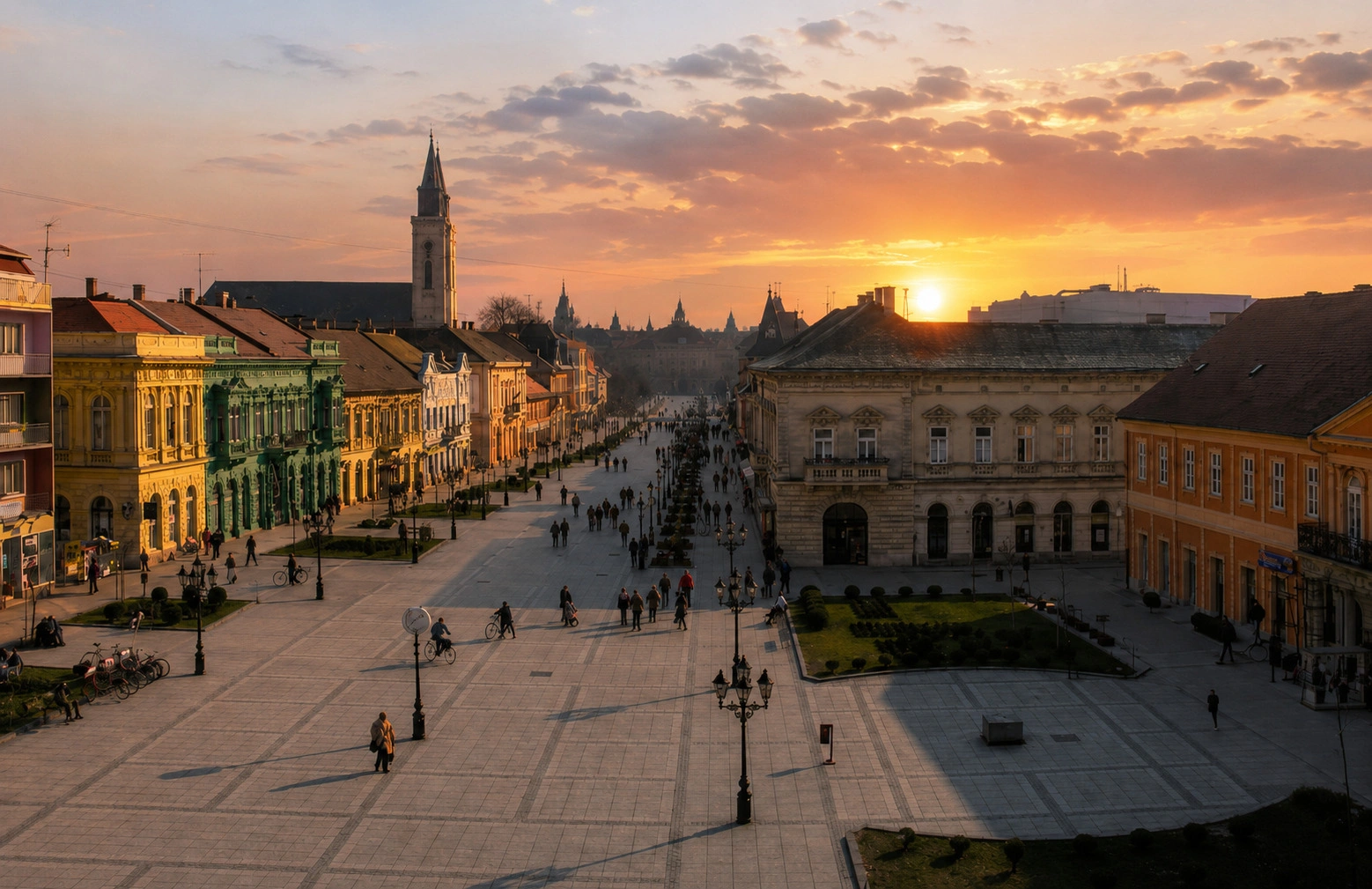
Resale property in Serbia attracts local households, internal relocations, and cross border buyers - liquidity is supported by diverse demand where pricing aligns with regional norms and documentation readiness supports predictable timing
Process clarity
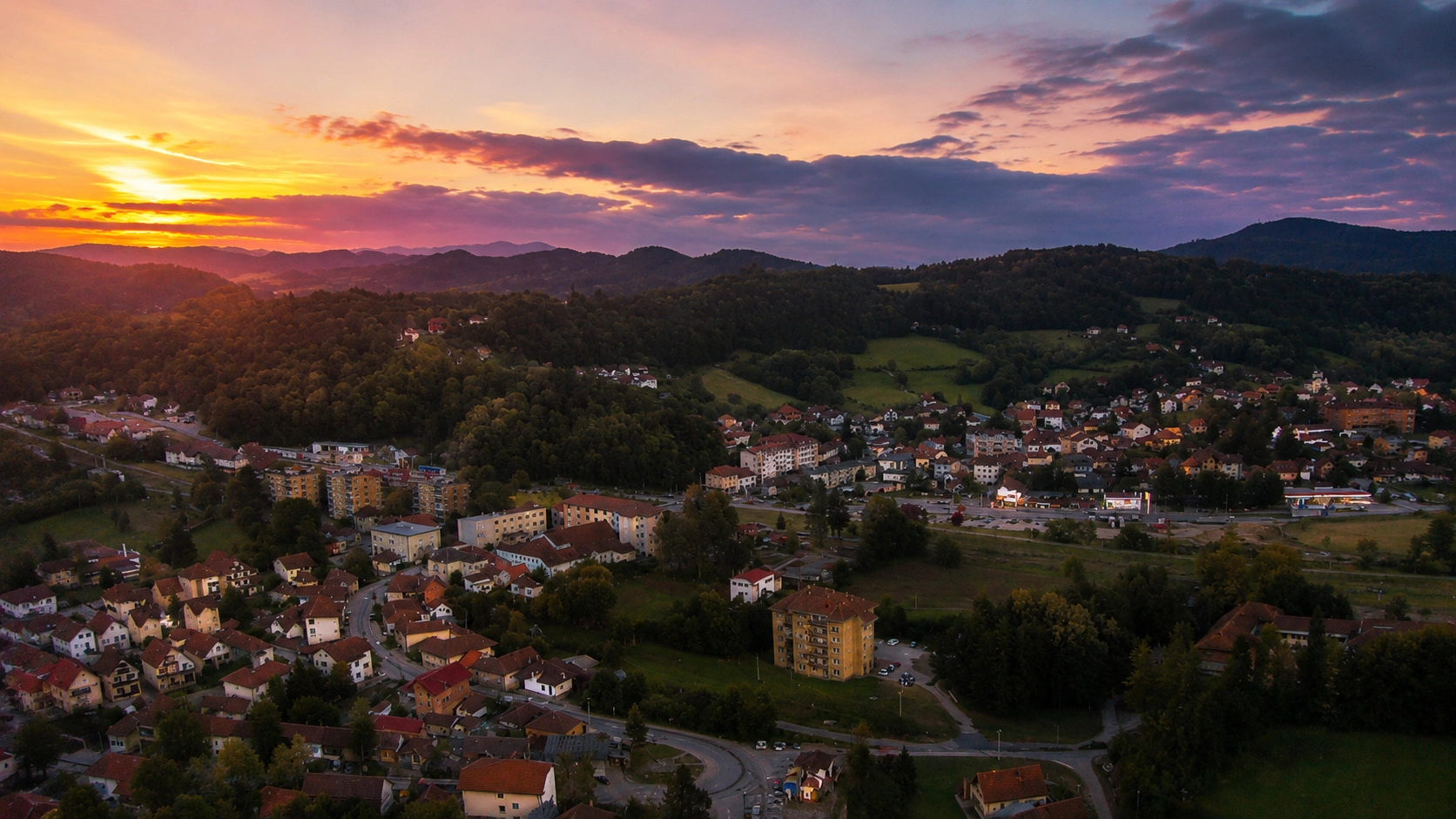
Secondary transactions in Serbia progress smoothly when standard control points are aligned early - confirming ownership records, checking encumbrances, and clarifying occupancy status keeps negotiations structured and avoids rework
Regional layers
Serbia secondary housing combines capital city stock, regional urban centers, and smaller towns - buyers compare completed properties across different market layers with established usage and ownership history rather than future delivery assumptions
Broad demand
Resale property in Serbia attracts local households, internal relocations, and cross border buyers - liquidity is supported by diverse demand where pricing aligns with regional norms and documentation readiness supports predictable timing
Process clarity
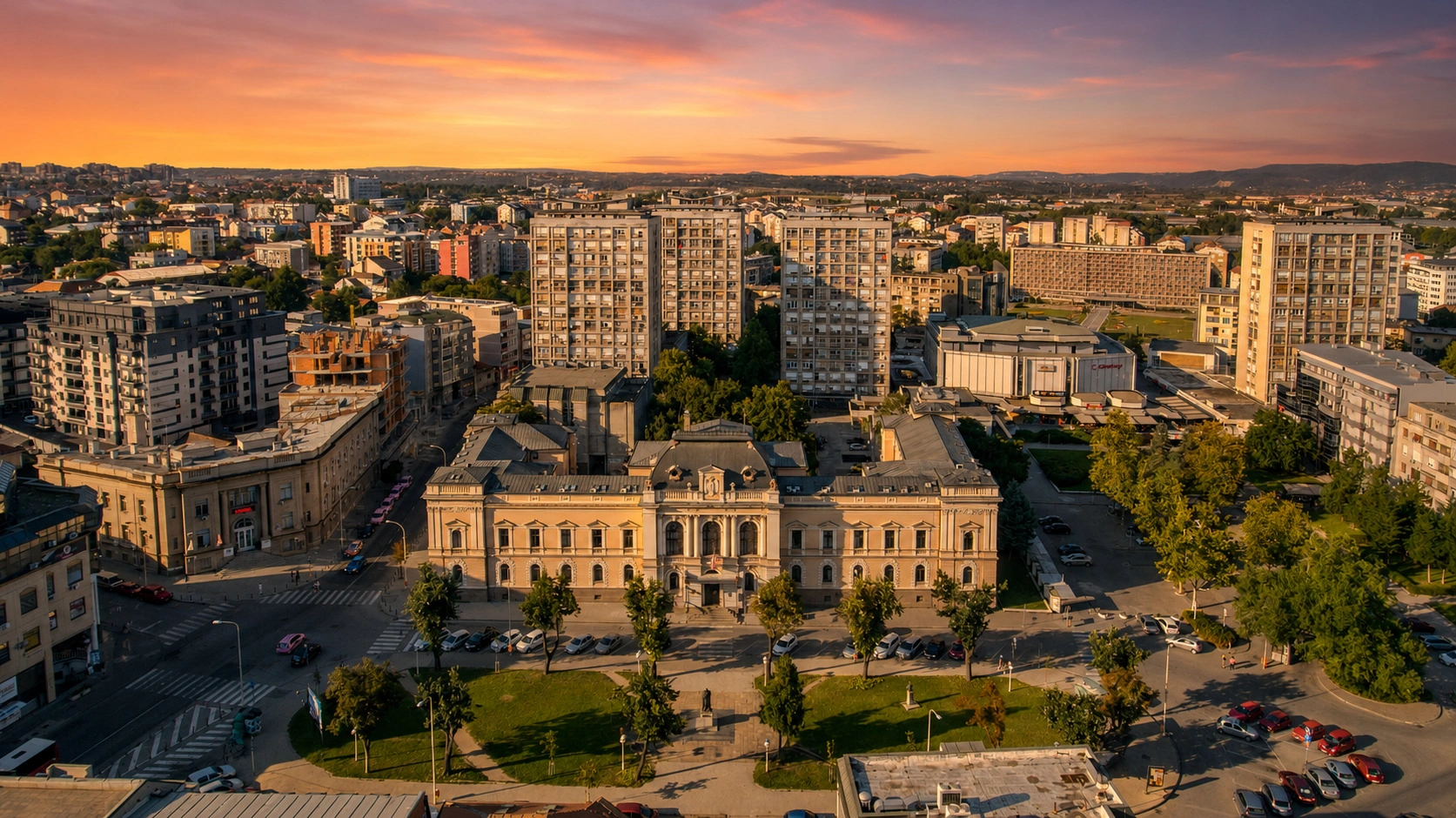
Secondary transactions in Serbia progress smoothly when standard control points are aligned early - confirming ownership records, checking encumbrances, and clarifying occupancy status keeps negotiations structured and avoids rework
Nützliche Artikel
und Empfehlungen von Experten
Secondary real estate in Serbia - how the national resale market stays balanced
Why the secondary market works in Serbia
Secondary real estate in Serbia operates as a core part of the national housing system because a large share of residential stock is already built, occupied, and regularly traded. Buyers across the country often prefer completed properties where physical condition and ownership structure can be evaluated without relying on future delivery timelines.
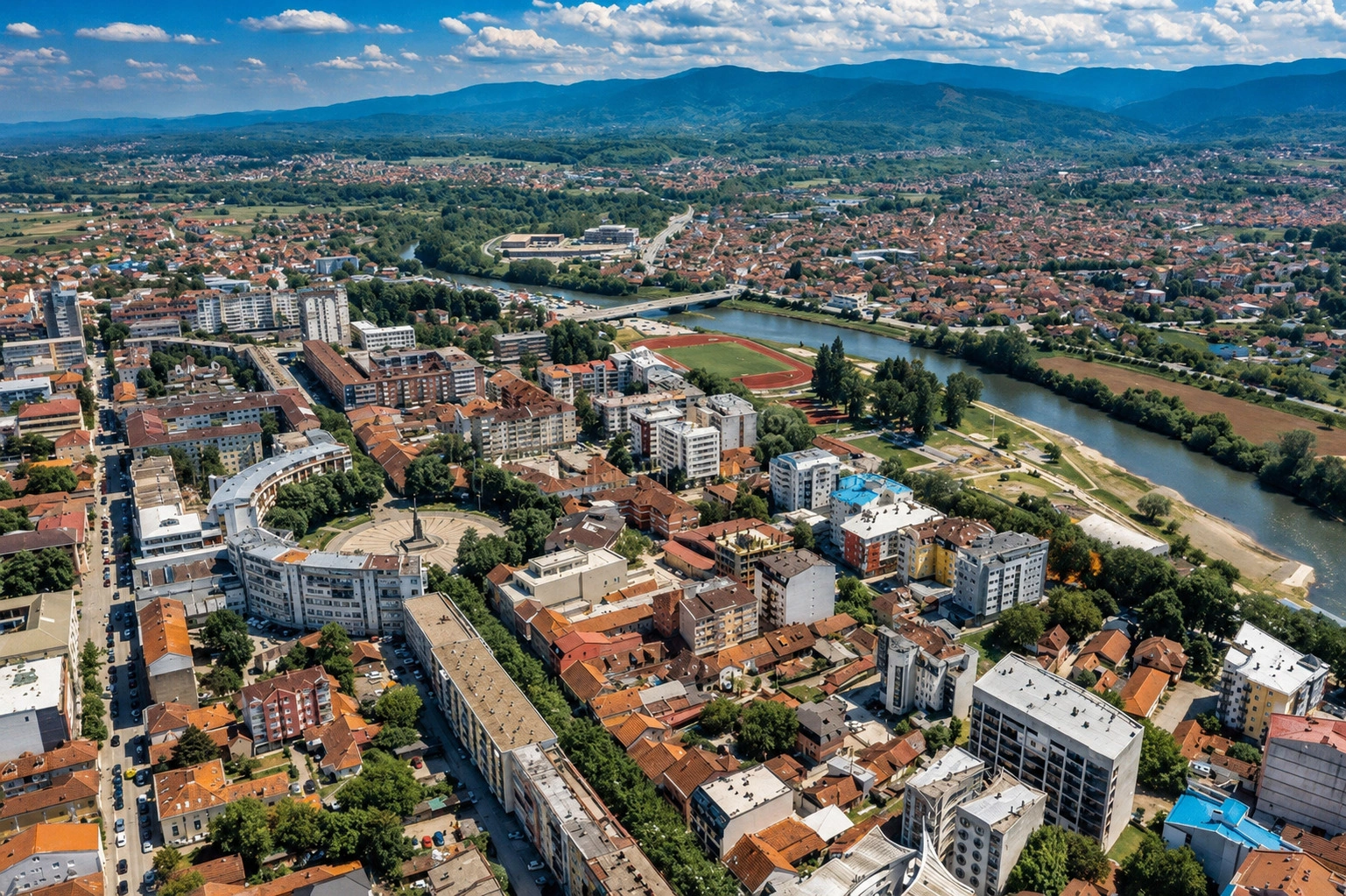
The secondary housing market in Serbia is shaped by multiple regional centers rather than a single dominant location. The capital, larger cities, and regional hubs each contribute to transaction volume, creating a distributed resale environment. This structure supports liquidity even when demand shifts between regions.
Decision logic at the country level often starts with certainty. Buyers compare how predictable the transaction process is and how clearly the asset can be assessed at the time of purchase. In many cases, resale property in Serbia offers a clearer framework because the asset already exists and its operating status is visible.
Verification logic reinforces this stability. Standard checks are widely used to align documents and expectations rather than to introduce complexity. When ownership and occupancy information is available early, transactions tend to move forward with fewer timing adjustments.
Comparison logic with new construction explains the ongoing relevance of resale. New projects are introduced unevenly across regions, while the secondary market provides consistent access to housing across the entire country.
Who buys on the secondary market in Serbia
Buyers on the secondary market in Serbia include local households reallocating within their cities or moving between regions. These buyers often understand regional pricing norms and participate in resale transactions multiple times over their housing lifecycle.
Another significant group consists of buyers relocating within the country for work, education, or family reasons. They frequently choose resale apartments in Serbia because completed units allow them to align purchase timing with relocation plans.
There is also demand from international buyers and members of the diaspora seeking established property rather than development stage projects. They often prioritize clarity of ownership and transaction structure when selecting resale property in Serbia.
Decision logic across these groups centers on predictability and comparability. Buyers want to understand how pricing is formed in a given region and how smoothly ownership can be transferred.
Verification logic therefore focuses on confirming ownership records, reviewing encumbrances, and clarifying occupancy status before binding commitments are made.
Property types and price logic in Serbia
The secondary housing market in Serbia includes a wide range of property types. These range from older urban buildings and mass residential blocks to newer completed developments that have already entered resale circulation.
Price formation in the resale market is primarily driven by regional comparables. Buyers benchmark properties against recent transactions within the same city or regional market layer rather than applying a single national pricing model.
Decision logic often involves choosing the regional market first and then selecting a property type within that market. This approach helps buyers avoid comparing assets that follow different economic and maintenance models.
Verification logic supports pricing discussions. When documentation is complete and the transaction sequence is clear, buyers are more comfortable with market level pricing. If additional coordination is required, buyers may adjust expectations around timing rather than abandoning the transaction.
Comparison logic with new build options remains important. New construction pricing may reflect future delivery expectations, while resale apartments in Serbia reflect current condition and established market demand.
Legal clarity in secondary purchases in Serbia
Legal clarity in secondary purchases in Serbia is achieved through a consistent set of standard verification steps. These steps are designed to align documents and responsibilities between buyer and seller.
Resale properties may have varying ownership histories depending on region and building age. Verification logic focuses on mapping the ownership chain and ensuring that each transfer is properly reflected in the title record.
Decision logic includes understanding how prepared the seller is to support the verification process. A seller with organized documentation typically enables smoother timing and fewer clarifications.
Verification logic commonly includes reviewing an ownership extract or title record, checking for encumbrances, confirming registered occupants status, and clarifying required consents. When information is incomplete, it is normal practice to pause and clarify before proceeding.
Comparison logic shows why secondary real estate in Serbia benefits from process discipline. Each unit carries its own history, so clarity comes from structured execution rather than assumptions.
Areas and market segmentation in Serbia
At the country level, market segmentation in Serbia reflects differences between major urban centers, mid sized cities, and smaller towns. Each segment demonstrates different demand drivers and liquidity patterns.
Within urban markets, housing stock is further segmented by construction period and typical layout logic. Buyers usually compare assets within the same segment to maintain consistent expectations.
Decision logic for area selection focuses on demand stability and transaction volume. Regions with diversified employment and population flows tend to support steadier resale activity.
Verification logic can vary slightly by region. In some areas, documentation narratives are simpler due to more recent development, while in others, longer ownership histories may require additional alignment.
Comparison logic across regions helps buyers understand where resale property in Serbia trades more predictably and where additional patience may be required.
Secondary vs new build comparison in Serbia
The choice between secondary and new build property in Serbia often depends on regional availability and timing preferences. Secondary purchases offer immediate visibility of the asset, while new builds involve future delivery stages.
Decision logic starts with assessing how much timing variability a buyer is comfortable with. Buyers who prioritize predictability often lean toward resale property in Serbia.
Verification logic differs between the two markets. New builds rely on project level documentation, while secondary transactions require unit specific checks tied to ownership history.
Comparison logic also includes pricing structure. Resale pricing reflects current condition and regional market placement, while new build pricing may incorporate future expectations.
Understanding these differences allows buyers to choose the path that aligns with their goals and process preferences.
How VelesClub Int. helps with secondary purchases in Serbia
VelesClub Int. supports buyers by structuring secondary purchases in Serbia around clear decision and verification stages.
We help identify suitable regional markets, set realistic price benchmarks, and focus on resale apartments aligned with buyer objectives.
We coordinate standard verification steps such as ownership review, encumbrance checks, and occupancy clarification, pausing to clarify when alignment is required.
We also assist with comparison between secondary and new build options so buyers can select the most appropriate route.
This structured approach helps keep transactions calm, transparent, and predictable.
Frequently asked questions about secondary real estate in Serbia
Is the secondary housing market in Serbia active across the whole country?
Yes, activity is distributed across regions; check local comparables, verify documentation readiness, avoid assuming capital city dynamics apply everywhere, and pause and clarify if regional signals differ
What should buyers verify first when purchasing resale property in Serbia?
Start with confirming the ownership record; verify encumbrances and registered occupants, avoid moving forward on partial information, and pause and clarify if documents do not align
How do regional differences affect resale pricing in Serbia?
Pricing is region specific; check recent transactions within the same market layer, verify condition against local norms, avoid applying national averages, and pause and clarify if comparables are limited
Are resale apartments in Serbia easier to benchmark than new builds?
Often yes, because completed transactions exist; check resale comparables, verify documentation readiness, avoid mixing future expectations into pricing, and pause and clarify if logic diverges
What typically causes delays in secondary transactions?
Delays usually come from coordination issues; check consent requirements and occupancy status early, verify seller preparedness, and pause and clarify when steps remain incomplete
Can international buyers navigate the Serbian resale market effectively?
Yes, with structure; verify ownership clarity, understand the transaction sequence, avoid informal assumptions, and pause and clarify whenever documentation or timing is unclear
Conclusion - understanding the secondary market in Serbia
Secondary real estate in Serbia remains a practical and accessible option due to completed housing stock, regional diversity, and established transaction practices.
Buyers benefit from selecting the right regional market, using realistic comparables, and treating verification as a normal process control.
With structured guidance and calm coordination, VelesClub Int. helps buyers navigate the secondary housing market in Serbia with clarity and confidence