
Secondary real estate in LebanonMediterranean-view apartmentswith urban soul


Beste Angebote
in Libanon
Benefits of investment in
Lebanon real estate


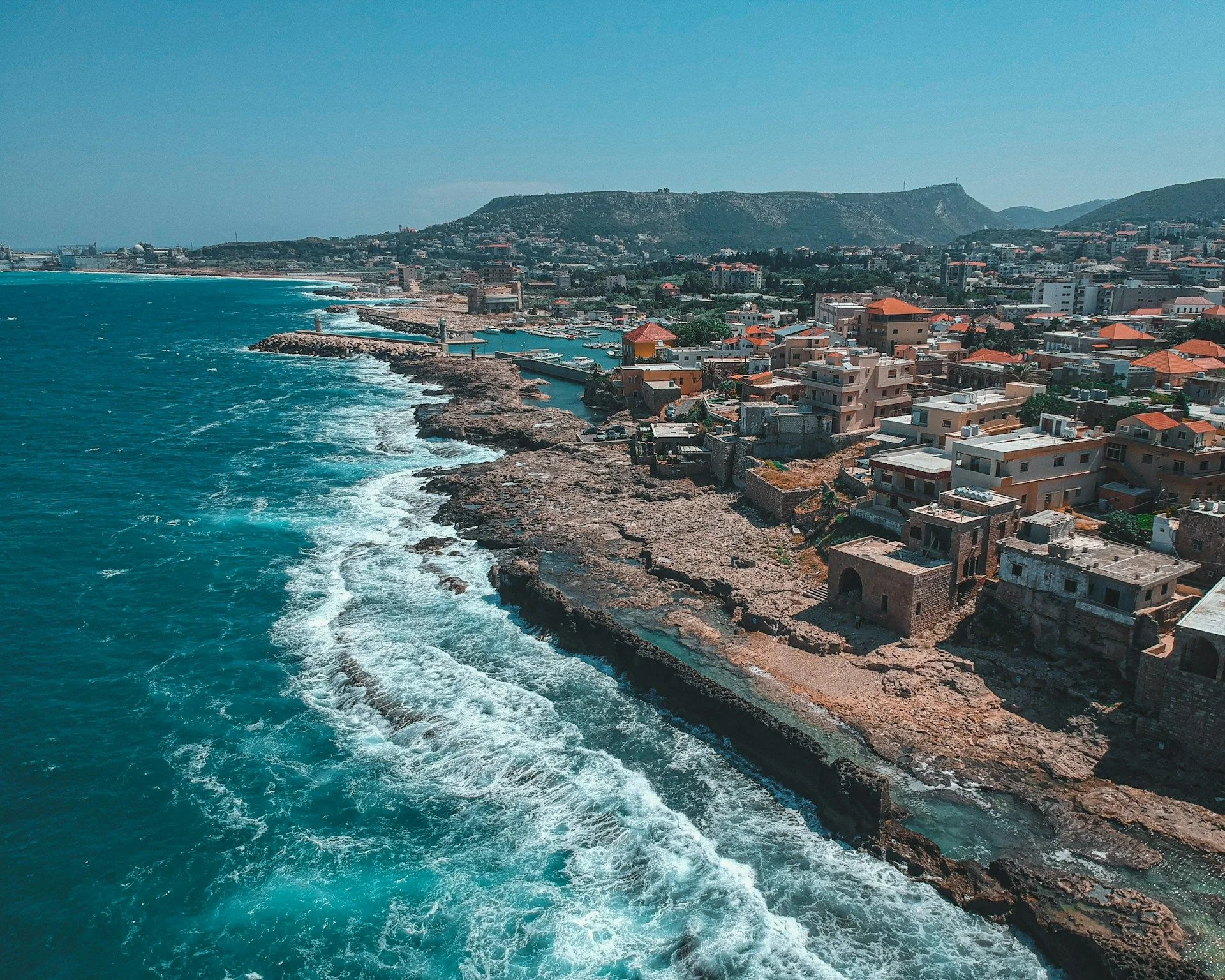
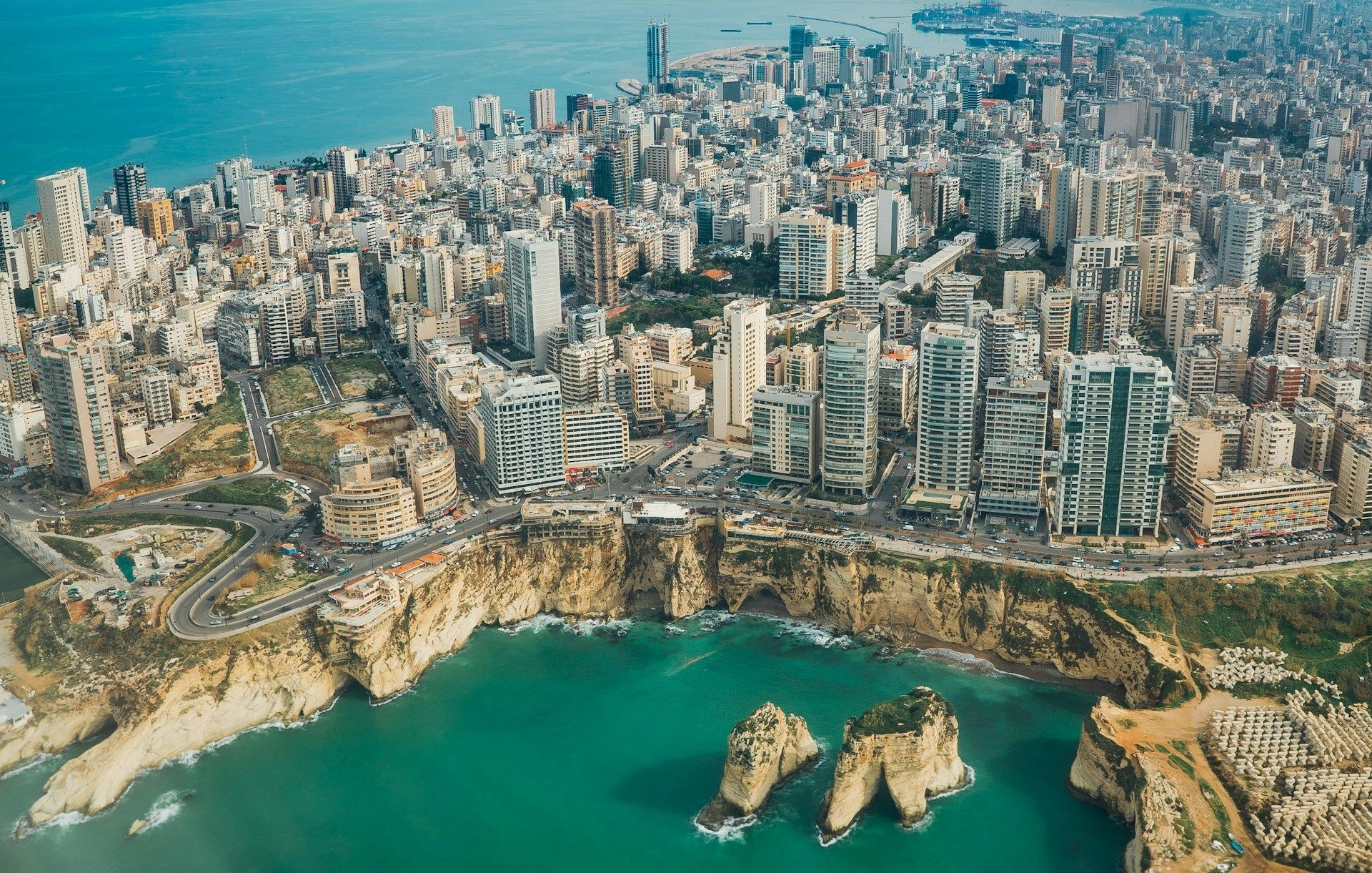
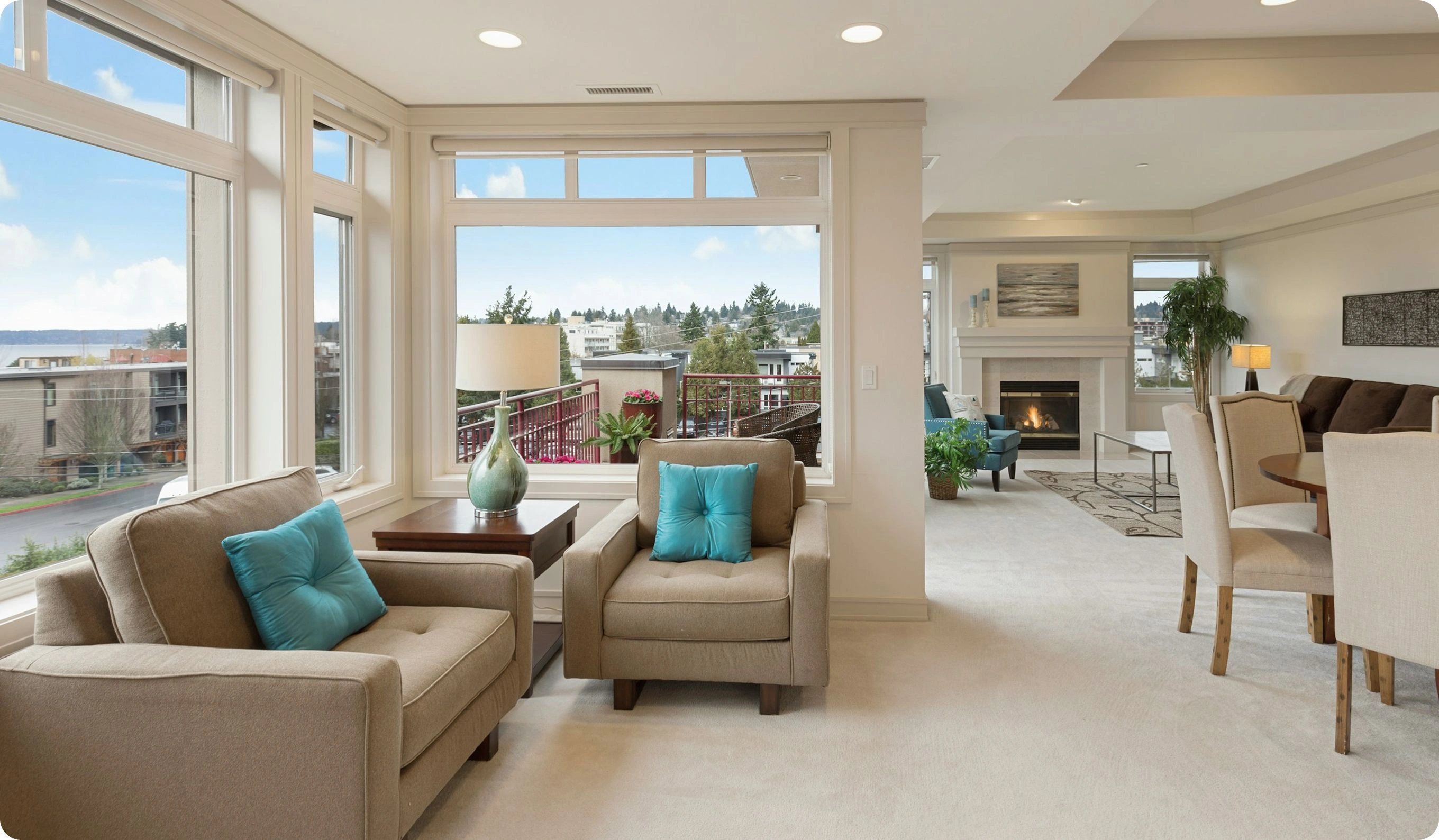
Mediterranean-view apartments with rich heritage
Beirut and surrounding areas offer homes with sea views, cultural depth, and access to historical neighborhoods.
Freehold ownership and Arab-European blend
Foreigners can buy property freely, and Lebanon blends Middle Eastern warmth with French architectural influence.
Post-crisis pricing creates opportunity zones
While challenges remain, property prices are low, creating room for long-term upside in prime areas.
Mediterranean-view apartments with rich heritage
Beirut and surrounding areas offer homes with sea views, cultural depth, and access to historical neighborhoods.
Freehold ownership and Arab-European blend
Foreigners can buy property freely, and Lebanon blends Middle Eastern warmth with French architectural influence.
Post-crisis pricing creates opportunity zones
While challenges remain, property prices are low, creating room for long-term upside in prime areas.








Nützliche Artikel
und Empfehlungen von Experten
Main title about secondary real estate in Lebanon
Why secondary properties attract buyers
Secondary real estate in Lebanon offers immediate access to fully commissioned homes in coastal and urban markets where new-build timelines can be unpredictable. Properties in Beirut, Jounieh, Byblos and Tripoli bypass lengthy permitting processes—often delayed by zoning approvals or material shortages—by providing turnkey villas, apartments and townhouses that arrive connected to proven civic systems. Each resale asset is fed by potable water from the Litani and Beirut Water Authorities, uninterrupted electricity via EDL with generator backups, modern combined sewage and stormwater drainage, and sealed roads maintained by municipal councils. Telecommunications infrastructure features high-speed fibre-to-the-premises broadband from Ogero and Alfa, complemented by 4G/5G coverage from Touch, ensuring seamless connectivity for remote work and smart-home integration. Interiors often retain authentic Lebanese architectural elements—vaulted ceilings, hand-painted tile accents, carved cedar balustrades—while marrying them with contemporary upgrades: hurricane-rated double glazing, bespoke open-plan kitchens fitted with premium European appliances, reinforced concrete footings engineered for seismic resilience, integrated solar-thermal water heating, ductless split-system climate control, modern sanitary suites and pre-wired home-automation controls. This genuine move-in readiness slashes post-purchase capex, accelerates rental cash flows, and empowers buyers—from expatriate professionals and diplomatic staff to yield-focused investors—to begin generating returns or enjoying luxury living from day one. VelesClub Int.’s off-market sourcing, proprietary valuation benchmarks and end-to-end advisory ensure transparent pricing, rigorous due diligence and a seamless acquisition at every stage.
Established neighbourhoods
Lebanon’s resale market is underpinned by several mature micro-regions, each offering unique lifestyle and investment advantages. Beirut’s Achrafieh boasts low-rise apartment blocks, Ottoman-era mansions and modern high-rises within walking distance of gourmet restaurants, embassies and the Corniche promenade. Jounieh Bay hosts Mediterranean villas and condo towers on terraced hillsides, prized for panoramic sea views and cruise-ship tourism traffic. Byblos—one of the world’s oldest continuously inhabited cities—combines heritage stone townhouses and boutique flats near the ancient souk and marina. Tripoli’s Al Mina quarter and Al-Tal quarter feature mixed-use apartment buildings and restored Mamluk townhouses, attracting short-stay guests and local professionals. South Lebanon’s Saida and Tyre offer turn-key villas and seaside apartments within heritage-rich districts, leveraging UNESCO sites for tourism yields. Across all precincts, reliable civic services—scheduled waste collection, sealed roads, uninterrupted utilities and integrated bus and taxi routes—function seamlessly, minimizing maintenance costs and ensuring rapid tenant integration into vibrant communities.
Who buys secondary real estate
The buyer profile in Lebanon’s secondary segment reflects the country’s cosmopolitan economy. Corporate entities and financial institutions lease fully furnished apartments and townhouses in Achrafieh and Verdun for expatriate staff and visiting executives, drawn by all-bills-included lease packages and concierge services. Diplomatic missions and NGOs secure gated villas and serviced condos in Mansourieh and Yarzeh, prioritizing compound security, shuttle services and proximity to international schools. Holiday-let operators acquire sea-view apartments and boutique guesthouses in Jounieh Bay and Batroun, capitalizing on cruise tourism and vineyard-tour demand. Local high-net-worth families purchase pre-war stone homes and modern penthouses in Beirut’s Central District for lifestyle and rental diversification. Diaspora investors from Europe and North America target small multi-unit blocks and subdivided townhouses in Byblos and Tripoli for yield-focused portfolios, guided by VelesClub Int.’s occupancy analytics and clear exit-strategy modelling. Across segments, common drivers include authentic architectural character, immediate move-in readiness, transparent title histories and integration into mature infrastructure networks underpinning predictable returns and capital growth.
Market types and price ranges
Lebanon’s resale real-estate landscape spans a broad continuum to suit varied objectives. Entry-level one-bedroom apartments in peripheral Beirut districts—Horsh Tabet, Furn Al-Chebbak—and smaller cities like Saida start from approximately USD 80,000 to USD 150,000, offering turnkey finishes, communal parking and proximity to bus routes. Mid-range two- to three-bedroom flats, duplexes and townhouses in Achrafieh, Verdun and Jounieh trade between USD 180,000 and USD 350,000, featuring granite countertops, modern baths, private balconies and on-site amenities such as pools and gyms. Premium detached villas, penthouses and heritage mansions in Mansourieh, Yarzeh and Byblos command USD 400,000 to over USD 1 million—driven by sea-front frontage, bespoke fit-outs, landscaped gardens and branded resort-style services. For institutional and portfolio investors, small multi-unit complexes (4–8 units) in Batroun and Tripoli list between USD 300,000 and USD 600,000, delivering diversified rental streams and scale-efficiencies. Financing through Blom Bank, Bank Audi and Byblos Bank offers mortgage and lease-purchase schemes at competitive rates (6%–8% per annum) with typical down payments of 20%–30%. Documented net yields average 6%–8% per annum across core corridors—benchmarks integrated by VelesClub Int. into proprietary yield-modelling and strategic acquisition planning tools.
Legal process and protections
Purchasing secondary real estate in Lebanon follows a clear conveyancing framework under the Lebanese Code of Obligations and Contracts and Registration Law. Transactions commence with a signed “Promise to Sell” agreement and payment of a deposit—commonly 10% of the sale price—held in escrow by a licensed attorney. Buyers conduct due diligence: obtaining a “Certificat de Conservation Foncière” from the Land Registry to confirm fee-simple title and existing liens; commissioning cadastral and boundary surveys; ordering structural, termite and moisture inspections; and auditing utility-connection status for EDL meters and Litani water meters. Upon clearance, parties execute the “Acte Authentique” before a notary; stamp duty (2% of declared value), registration fees and legal honoraria are paid. The deed is then recorded, granting formal title and public notice. Foreign nationals face no additional restrictions on acquiring urban residential property. Statutory safeguards include warranties against latent defects and recourse through the Courts of First Instance. VelesClub Int. orchestrates end-to-end legal coordination—due diligence management, attorney liaison and registry filings—to ensure compliance, mitigate risks and deliver a seamless closing experience for domestic and international clients.
Best areas for secondary market
Certain micro-markets in Lebanon stand out for infrastructure maturity, amenity clustering and rental performance. Achrafieh and Verdun precincts yield net returns of 6%–7% driven by corporate and diplomatic leases. Jounieh Bay and Batroun deliver yields of 7% backed by tourism, holiday-let and vineyard-tour tenancy. Mansourieh’s gated estates sustain yields of 6% from expatriate and returning diaspora families. Tripoli’s Port area and Al-Tal districts achieve yields near 8% supported by student rentals and NGO housing demand. Emerging belts along the Beirut–Jounieh highway and the Keserwan coast present value-add prospects in subdivided townhouses and heritage-home conversions—yielding near 9% as infrastructure upgrades and resort-developments advance. Each precinct benefits from sealed roads, reliable utility mains, high-speed broadband, integrated bus and taxi networks, and proximity to hospitals, schools and cultural venues—ensuring transparent pricing, consistent occupancy and strong resale liquidity. VelesClub Int.’s proprietary neighbourhood-scoring methodology and on-the-ground research guide clients to the sub-markets that optimally align yield targets, capital-growth forecasts and lifestyle preferences within Lebanon’s dynamic secondary real-estate ecosystem.
Why choose secondary over new + VelesClub Int. support
Opting for secondary real estate in Lebanon delivers immediate possession, proven infrastructure and transparent historical performance—advantages seldom matched by speculative new builds subject to permit delays, material-cost inflation and contractor risks. Buyers avoid pre-launch premiums and extended delivery timelines by selecting turnkey assets with operational water, power, broadband and reinforced foundations already in place. Secondary properties often showcase irreplaceable Lebanese architectural character—hand-crafted tile floors, carved cedar balustrades and arched stone verandahs—that new constructions cannot replicate, enhancing cultural authenticity and long-term desirability. Lower entry premiums relative to green-field or off-plan schemes free up capital for interior personalization, sustainable upgrades (solar PV, rainwater harvesting) or strategic portfolio diversification across multiple micro-markets. Mature neighbourhood services—reliable Litani and Beirut Water supply, uninterrupted EDL power, sealed roads, integrated bus and taxi links, and high-speed fibre broadband—ensure seamless move-in and minimal post-purchase maintenance. VelesClub Int. enriches this acquisition journey with comprehensive end-to-end expertise: sourcing exclusive off-market listings, conducting exhaustive due diligence, negotiating optimal terms and managing all legal formalities. Our post-closing property management solutions—tenant placement, preventive maintenance coordination and transparent performance reporting—optimize occupancy rates and preserve capital value. Through proactive portfolio monitoring, annual market reviews and strategic advisory, VelesClub Int. empowers clients to maximize Lebanon’s secondary real estate potential with confidence, clarity and operational efficiency.