
Commercial real estate listings in Los AlcazaresSelected listings across active districts
Best offers
in Region of Murcia
Benefits of investing in commercial real estate in Los Alcazares


Tourism and local services
Coastal tourism, seasonal population peaks and year-round resident services drive commercial demand in Los Alcazares, creating stable long-term leases for essential retail and healthcare alongside short-term hospitality and flexible lease profiles for tourist-facing tenants
Relevant asset types
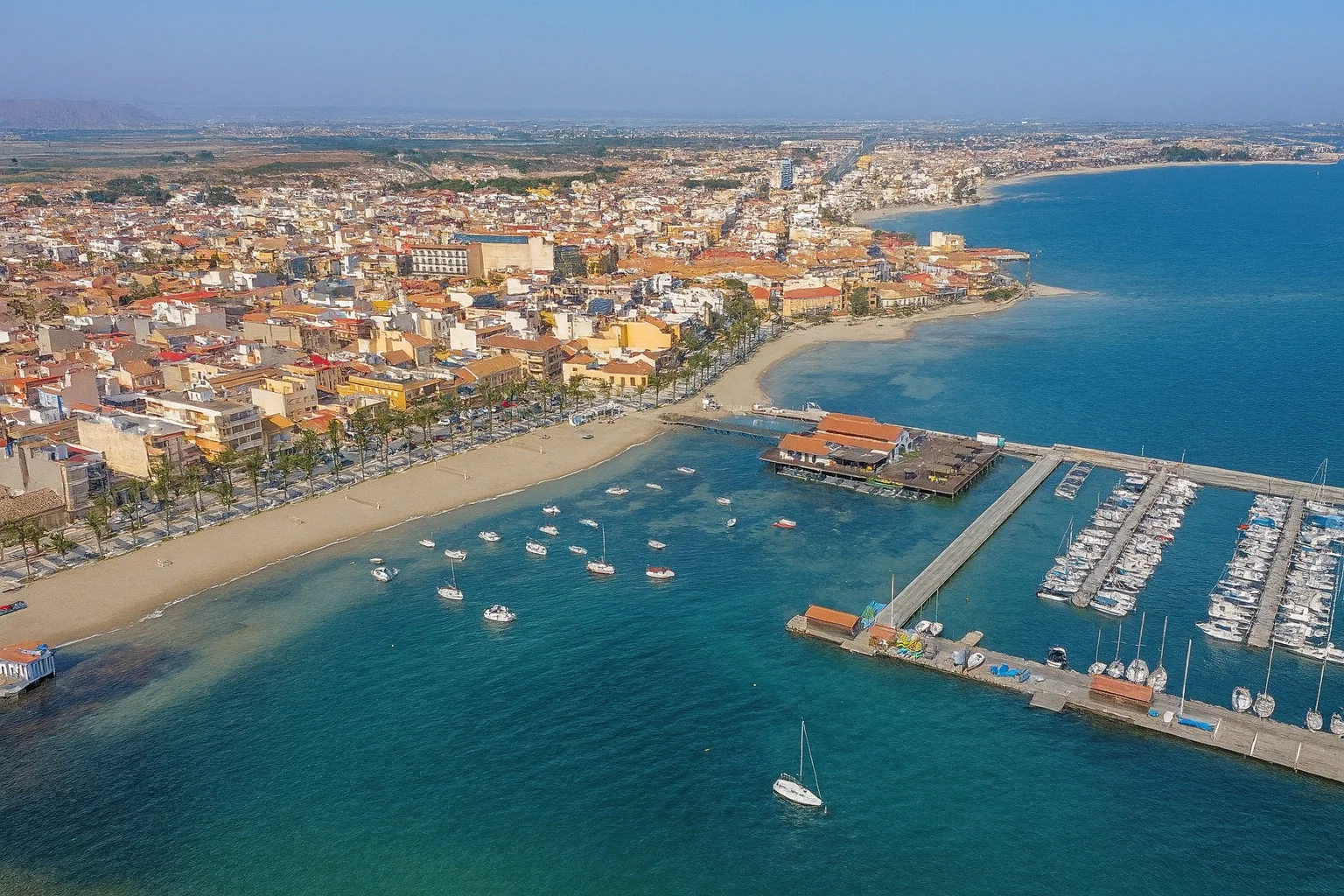
Beachfront retail, small-scale hospitality and holiday accommodation, marina-adjacent commercial and neighborhood service centres dominate Los Alcazares, supporting both core long-lease essentials and value-add repositioning or mixed-use conversions for seasonal-demand optimisation
Specialist acquisition support
VelesClub Int. experts define strategy, shortlist Los Alcazares assets and run screening including tenant quality checks, lease structure review, yield logic assessment, capex and fit-out assumptions, vacancy risk analysis and due diligence checklist
Tourism and local services
Coastal tourism, seasonal population peaks and year-round resident services drive commercial demand in Los Alcazares, creating stable long-term leases for essential retail and healthcare alongside short-term hospitality and flexible lease profiles for tourist-facing tenants
Relevant asset types
Beachfront retail, small-scale hospitality and holiday accommodation, marina-adjacent commercial and neighborhood service centres dominate Los Alcazares, supporting both core long-lease essentials and value-add repositioning or mixed-use conversions for seasonal-demand optimisation
Specialist acquisition support
VelesClub Int. experts define strategy, shortlist Los Alcazares assets and run screening including tenant quality checks, lease structure review, yield logic assessment, capex and fit-out assumptions, vacancy risk analysis and due diligence checklist








Useful articles
and recommendations from experts
Practical commercial property in Los Alcazares Market
Why commercial property matters in Los Alcazares
Los Alcazares combines a localized service economy with seasonal tourism activity, which shapes demand for commercial real estate in Los Alcazares. The town supports day-to-day needs for residents through healthcare, education, small office occupiers and neighborhood retail while generating episodic demand for hospitality, leisure and short-term rental operations during peak seasons. Buyers include owner-occupiers seeking to house local services or regional operations, investors looking for yield from stable tenants or seasonal cashflow, and operators focused on hospitality and leisure concepts that scale with tourist cycles. The presence of a coastal visitor base affects footfall patterns for retail and food-and-beverage tenants and creates a bifurcated market where core assets show different occupancy drivers from seasonal or tourism-cluster assets. Understanding these local drivers is central to evaluating commercial property in Los Alcazares and positioning assets for either steady rental income or cyclical upside.
The commercial landscape – what is traded and leased
The traded and leased stock in Los Alcazares follows a predictable split between permanent, locally-oriented units and tourist-driven inventory. Business districts and concentrated high-street corridors serve professional services, medical practices and small corporate offices. Neighborhood retail meets daily demand for groceries, personal services and convenience retail. Business parks and light industrial clusters host workshops, small-scale manufacturing and last-mile distribution that supports regional supply chains. Clusters oriented to tourism – beachfront promenades, mid-town hospitality strips and short-stay accommodation zones – are negotiated on shorter lease cycles or operated under management agreements. For institutional or professional buyers, value can be lease-driven where long, indexed leases to creditworthy tenants determine present value. For opportunistic buyers, asset-driven value matters more – physical condition, development potential and permitted alternative uses can be the primary value levers. In Los Alcazares it is common to see both dynamics at play within short distances of each other because tourism corridors and resident service areas coexist in the same urban footprint.
Asset types that investors and buyers target in Los Alcazares
Investors and owner-occupiers target a defined set of asset types in Los Alcazares. Retail space in Los Alcazares ranges from small high-street frontage units to larger neighborhood parades; high-street units rely on pedestrian flow and visibility, while neighborhood retail depends on resident catchments and convenience. Office space in Los Alcazares typically includes compact professional suites and small multi-tenant buildings rather than large corporate campuses; prime office logic is driven by accessibility and quality of fit-out, while non-prime offices trade on rental flexibility and lower operating cost. Hospitality assets cover small hotels, guesthouses and serviced-apartment stock influenced by seasonal occupancy. Restaurant, cafe and bar premises are common acquisition targets for operators and investors that can sequence CAPEX around seasonal demand. Warehouses and light industrial units are targeted for last-mile logistics, storage and small-scale distribution – warehouse property in Los Alcazares must be assessed for access to regional roads and for suitability to support e-commerce fulfilment at a local level. Mixed-use and revenue houses that combine retail at ground floor and residential above are attractive where rental diversification reduces exposure to seasonal swings. The comparison between high-street and neighborhood retail, prime versus secondary offices, and the serviced-office angle are all context-dependent in Los Alcazares because tenant demand shifts with the calendar and with local population patterns.
Strategy selection – income, value-add, or owner-occupier
Choosing a strategy in Los Alcazares depends on the investor profile and local market rhythms. An income-focused approach seeks long leases with stable tenants – professional services, healthcare clinics and long-standing retail occupy this profile and reduce turnover risk. In such a strategy attention concentrates on lease terms, indexation clauses and tenant covenant strength rather than on heavy refurbishment. A value-add approach targets assets that can be repositioned through refurbishment, reconfiguration for mixed-use, or active re-leasing to capture higher rents after capital works. Value-add in Los Alcazares is often applied to aging retail parades or waterfront properties where modest investment improves year-round appeal and increases off-season utility. Owner-occupier logic prioritizes location, fit-out suitability and operational synergies – small chains, clinics and education providers that require custom layouts will prefer ownership to control capex and operational hours. Mixed-use optimization is another strategy, combining residential income with ground-floor commercial tenancies to smooth seasonal volatility. Local considerations that push strategy choice include the town’s seasonality and tourism peaks, which increase turnover for hospitality and leisure but stabilize demand for essential services; tenant churn norms that trend higher in tourist-facing segments; and a regulatory environment that can influence change-of-use and permitting timelines, which impacts the feasibility of repositioning projects.
Areas and districts – where commercial demand concentrates in Los Alcazares
Demand concentrates along a set of spatial patterns rather than formal district names in Los Alcazares. Central high-street corridors and town-center commercial strips attract professional services, retail and food-and-beverage operators seeking visibility. Beachfront and promenade corridors form tourism clusters that generate short-term, high-volume footfall for hospitality and leisure uses during peak months. Residential catchment areas support neighborhood retail and small service-based offices with steadier year-round income. Business parks or industrial clusters located near regional connectors serve light logistics and workshops, providing warehouse and storage options for operators serving the wider coastal corridor. Transport nodes and commuter flows – roads leading to nearby urban centers and regional highways – create demand pockets for service-oriented commercial property and for last-mile logistics. When evaluating areas, investors should consider competition density, the balance of seasonal and permanent demand, and the potential for oversupply in tourism-oriented segments. This district selection framework helps to prioritize assets that match investor objectives while acknowledging that Los Alcazares’ commercial demand is spatially layered rather than dominated by a single commercial core.
Deal structure – leases, due diligence, and operating risks
Deal evaluation in Los Alcazares focuses on lease mechanics and operational exposure. Buyers typically review lease term length, break options, rent review mechanisms and indexation; these elements determine income predictability in markets affected by seasonality. Service charge arrangements and responsibilities for common-area maintenance impact net operating returns and should be checked against historical spend. Fit-out responsibilities need clear allocation in lease schedules because hospitality and retail tenants frequently alter premises, which can shift future capex onto the landlord. Vacancy and reletting risk are practical issues in tourism-exposed assets where off-season demand is lower; contingency planning for tenant turnover and a realistic marketing timeline are part of due diligence. Buyers also assess capex needs for compliance, energy performance and structural repairs, and should budget for foreseeable works rather than relying on optimistic refurbishment timelines. Tenant concentration risk is material when a small number of tenants generate most of rental income, and this risk is heightened in smaller markets. Standard due diligence actions include verifying lease documentation and payment history, inspecting physical condition and MEP systems, assessing local planning constraints and getting independent cost estimates for required works. These steps are operational and factual – they inform financial modelling and risk allocation rather than replace professional legal or tax advice.
Pricing logic and exit options in Los Alcazares
Pricing in Los Alcazares is driven by a combination of location, tenant profile and asset condition. Primary variables are footfall and direct accessibility for retail, lease length and tenant quality for leased assets, and the level of capex required to make the building operational or to adapt it to alternative uses. For tourism-linked assets, pricing adjusts for seasonality and expected variability in annual occupancy metrics. Alternative use potential – for example converting underperforming retail space to flexible office or residential formats where permitted – also influences value, particularly in areas where resident demand exceeds tourism demand off-season. Exit options include a long-hold strategy with periodic refinancing to extract value from stabilized cashflow; re-leasing and selling once a higher covenant tenant is in place to access a stronger buyer pool; or repositioning and selling after capital works increase net operating income. Each exit path depends on timing and local absorption capacity – re-letting may take longer in off-season periods, while repositioning outcomes hinge on planning and execution. These generic exit frameworks help set realistic expectations without promising particular outcomes or returns.
How VelesClub Int. helps with commercial property in Los Alcazares
VelesClub Int. supports clients through a structured selection and execution process tailored to Los Alcazares. The process begins by clarifying objectives – income profile, holding period and operational involvement – and defining the target segment and spatial focus consistent with local demand patterns. VelesClub Int. then shortlists assets based on lease and risk profiles, highlighting where lease-driven value or asset-driven opportunities exist. The firm coordinates commercial due diligence and technical inspections and prepares investment memoranda that emphasize lease mechanics, tenant concentration and capex requirements. During negotiation and transaction steps VelesClub Int. assists with vendor due diligence coordination, condition reporting and aligning schedules for closing, while making clear that legal and tax review must be performed by licensed advisers. The selection and advisory work is tailored to the client’s goals and capabilities and accounts explicitly for Los Alcazares’ mix of resident services and seasonal tourism exposure.
Conclusion – choosing the right commercial strategy in Los Alcazares
Selecting the right commercial strategy in Los Alcazares requires aligning investment objectives with the town’s dual economy of resident services and seasonal tourism. Income-focused buyers should prioritise longer leases to stable local tenants and assets with consistent demand. Value-add investors can target properties where modest refurbishment or reconfiguration reduces seasonality and expands year-round income. Owner-occupiers should weigh location convenience, fit-out needs and the timing of capex against operational benefits. Throughout this process buyers who intend to buy commercial property in Los Alcazares should emphasise accurate lease analysis, realistic capex budgeting and an exit plan aligned with local market cycles. For practical screening and tailored advice consult VelesClub Int. experts to review your strategy, shortlist assets and coordinate due diligence for commercial real estate in Los Alcazares. Contact VelesClub Int. to schedule a focused review and begin an asset screening tailored to your objectives in Los Alcazares.