
Buy commercial real estate in PortorozSelected assets for confident acquisition
Best offers
in Slovenia
Benefits of investing in commercial real estate in Portoroz


Tourism and services
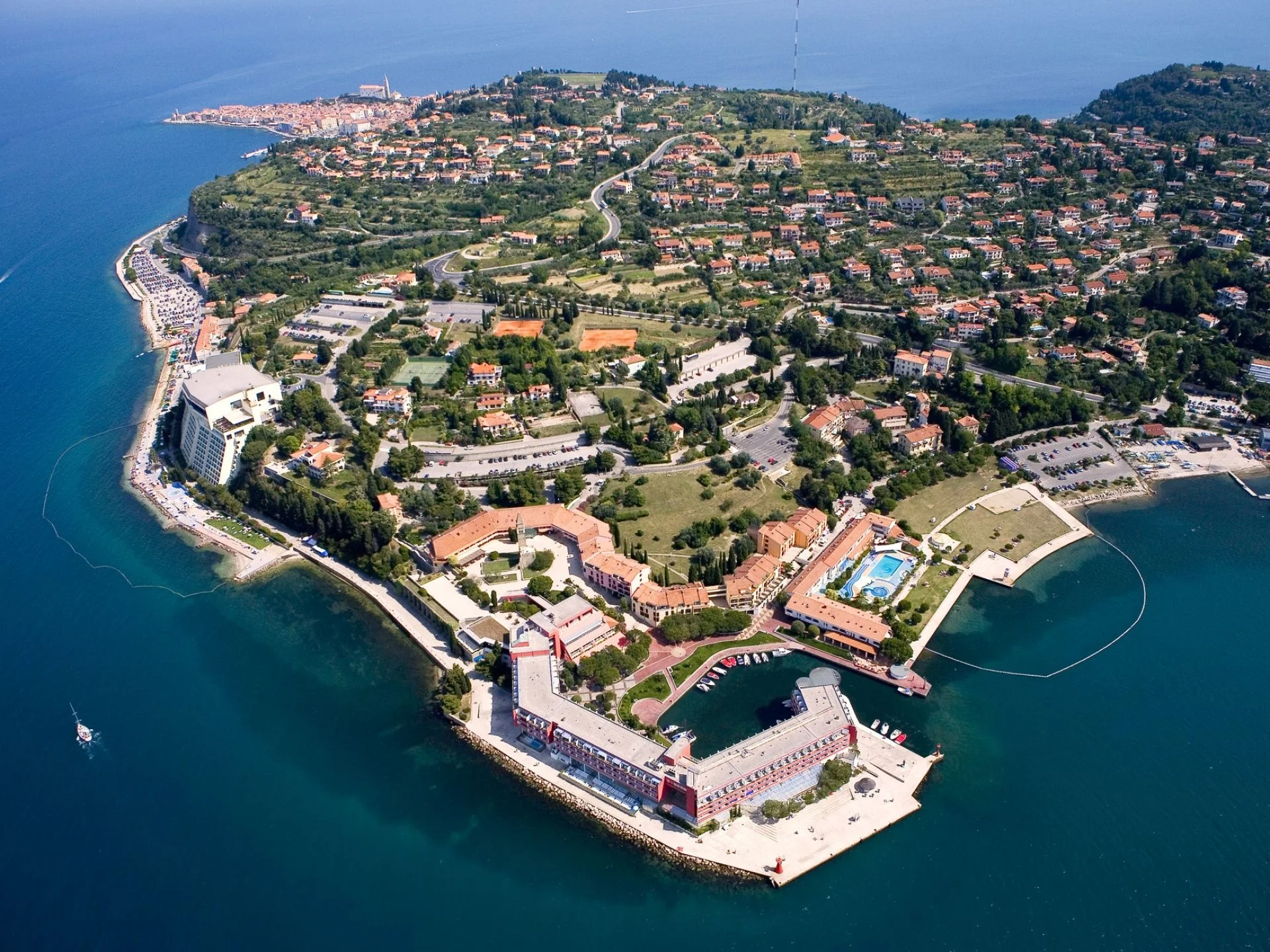
Portoroz's tourism, spa and conference economy drives demand for hotels, retail and leisure units, while proximity to Koper and cross border trade supports logistics and professional services, creating seasonal peaks with stable long term leases
Asset mix and strategies
Hotels, wellness clinics, waterfront retail and marina units dominate Portoroz, with small offices and conference venues relevant; strategies include core long term leases for healthcare, value add repositioning of hospitality and mixed conversions
Selection and screening
VelesClub Int. experts define strategy, shortlist Portoroz assets and run screening that covers tenant quality checks, lease structure review, yield logic analysis, capex and fit out assumptions, vacancy risk assessment and due diligence checklist
Tourism and services
Portoroz's tourism, spa and conference economy drives demand for hotels, retail and leisure units, while proximity to Koper and cross border trade supports logistics and professional services, creating seasonal peaks with stable long term leases
Asset mix and strategies
Hotels, wellness clinics, waterfront retail and marina units dominate Portoroz, with small offices and conference venues relevant; strategies include core long term leases for healthcare, value add repositioning of hospitality and mixed conversions
Selection and screening
VelesClub Int. experts define strategy, shortlist Portoroz assets and run screening that covers tenant quality checks, lease structure review, yield logic analysis, capex and fit out assumptions, vacancy risk assessment and due diligence checklist








Useful articles
and recommendations from experts
Practical commercial property in Portoroz overview
Why commercial property matters in Portoroz
Portoroz generates concentrated demand for commercial real estate through a mix of tourism services, conference and wellness activity, regional retail catchment and a modest local professional services base. Visitors and seasonal residents create temporary peaks in demand for hospitality, restaurant and retail space, while business events and health tourism sustain regular requirements for meeting facilities, serviced offices and short-stay commercial accommodation. Healthcare and wellness operators seek premises adapted to treatment and recovery programs. Public sector and administrative spending in the surrounding district supports a baseline demand for office space. That combination means buyers range from owner-occupiers acquiring premises to run a hospitality or healthcare business, to institutional and private investors seeking lettable income, to local operators pursuing expansion through asset ownership rather than leasing.
For anyone looking to buy commercial property in Portoroz the market is therefore shaped by two interacting cycles: a tourism-driven seasonal cycle and a business-cycle that affects longer-term office and retail tenancy. The seasonal element amplifies cash-flow variability for hospitality and leisure assets, while office and light industrial demand tracks local employment and logistics patterns. Understanding these drivers is essential when assessing yield expectations, lease terms and tenant stability.
The commercial landscape – what is traded and leased
The traded and leased stock in Portoroz consists primarily of small to medium-sized retail units, hospitality assets including hotels and guesthouses, a stock of office premises serving local services and tourism-related businesses, and light industrial or warehouse holdings at the edges of town where access to regional road links is available. High street corridors host concentrated retail and F&B activity during peak months and often operate on short-term or seasonal lease structures. Business parks and cluster-type office blocks are fewer and typically rented to local professional services, real estate intermediaries and event support firms. Logistics and warehousing are limited in scale but important for supporting supply chains into the coastal tourism economy and nearby inland distribution nodes.
Value in Portoroz is split between lease-driven assets where the income profile and tenant covenants determine market pricing, and asset-driven opportunities where redevelopment, repositioning or rezoning can materially change the valuation. Lease-driven value is most apparent in long-term contracts with stable tenants, whereas asset-driven value appears in properties with potential for higher and better use given changes in planning or by repurposing space to suit demand from hospitality or mixed-use conversions.
Asset types that investors and buyers target in Portoroz
Retail space in Portoroz attracts operators looking for tourist footfall and seasonal turnover. Investors compare high street locations with greater visibility against neighborhood retail that serves local residents year-round. High street retail commands premium rents during peak months but may face vacancy risk out of season; neighborhood units typically offer lower but steadier cash flow. Office space in Portoroz ranges from small suites used by local professionals to larger floors serving event management and tourism support businesses. Prime office logic focuses on location relative to transport nodes and client access, while non-prime office value is driven by flexibility of internal layout and lower entry cost for tenants.
Hospitality properties are a dominant segment for buyer interest. Hotels, guesthouses and serviced-apartment stock are evaluated by revenue potential, management continuity and the ability to secure seasonal bookings. Restaurant-cafe-bar premises are treated both as operational businesses and real estate investments, where lease arrangements, change-of-use permissions and fit-out responsibilities are central to investment decisions. Warehouse property in Portoroz is typically light industrial or storage-oriented, supporting last-mile logistics for hotel supplies and retail stock. E-commerce logistics logic in this market focuses on proximity to main road corridors and the ability to handle peak season throughput rather than large-scale distribution centers.
Revenue houses and mixed-use assets, combining ground-floor commercial units with residential accommodation above, appear in market cycles where demand for short-stay accommodation and retail aligns. Investors evaluate these for segmentation of income streams and potential to transition residential units to short-term lets where regulation permits. Across all segments, investors weigh the merits of serviced office models and flexible lease formats when targeting tenants who require short-term footholds for seasonal or event-driven operations.
Strategy selection – income, value-add, or owner-occupier
Choosing a strategy in Portoroz depends on exposure to seasonality, desired risk profile and the investor or occupier’s operational capability. An income-focused strategy prioritizes stable leases with quality tenants and longer lease terms, suitable for assets such as established retail units with multi-year covenants or office floors leased to professional services. This approach reduces turnover risk but typically requires paying a premium for secure tenancy and proven revenue histories.
A value-add strategy targets properties where refurbishment, re-leasing or minor repositioning can increase rents or reduce void periods. In Portoroz this might involve upgrading guest accommodation to capture higher-tier tourism segments, reconfiguring retail space to meet contemporary tenant needs, or converting underused floors to flexible office suites. Value-add approaches are sensitive to local planning constraints and seasonality: the potential uplift must be balanced against expenditure timing and the market’s ability to absorb increased supply during off-peak months.
Owner-occupier logic applies when a business prefers control over premises to secure operational continuity—common in hospitality, healthcare and specialized services. Buying commercial property in Portoroz as an owner-occupier removes lease uncertainty but requires assessment of capital tied up in real estate, maintenance obligations and the property’s suitability for business operations across seasonal cycles. Mixed-use optimization blends elements of income and active management, allowing owners to stabilize cash flow with long-term tenancies while using other parts of the asset for higher-yield seasonal operations.
Areas and districts – where commercial demand concentrates in Portoroz
Demand in Portoroz concentrates along tourism corridors, close to conference and wellness facilities, and in transport nodes that serve both local residents and visitors. Commercial demand is strongest in zones with direct access to the waterfront and main promenades during the high season, offering retail and leisure tenants concentrated footfall. Secondary demand clusters around access routes and commuter flows where office space and professional services prefer a balance of accessibility and lower rental levels. Industrial and warehouse demand concentrates at the periphery of the town where road connections enable efficient supply movements without constraining central tourist areas.
When comparing district types, investors should assess central tourism corridors against emerging business areas that may offer lower entry prices but require infrastructure improvements. Transport nodes and commuter flows create pockets of office and service demand that can be resilient year-round. Tourism corridors generate high peak occupancy and turnover risk, while residential catchments produce steadier retail consumption. Industrial access and last-mile routes matter for light logistics; competition and oversupply risk is higher where multiple similar assets target the same seasonal tenant base without sufficient year-round demand.
Deal structure – leases, due diligence, and operating risks
Key elements buyers review in Portoroz include lease terms, length of remaining lease, break options and indexation mechanisms. Service charge arrangements, fit-out responsibilities and the allocation of repair obligations directly affect operating margins and future capex planning. Vacancy and reletting risk are elevated for assets tied to seasonal business models, so buyers commonly stress-test cash flows against low-season scenarios and factor in tenant concentration risk where a single operator accounts for a large share of income.
Due diligence should cover title and ownership history, planning status and permitted uses, structural condition and necessary compliance for hospitality and healthcare functions. Environmental checks are relevant for any former industrial sites or storage facilities, and operational audits are necessary for properties operating as going concerns. Buyers should model capex windows for refurbishment and budget for regulatory compliance costs without treating such items as legal advice. Operating risks in Portoroz include seasonality-driven revenue swings, workforce availability during peak periods and the potential for regulatory shifts affecting short-term accommodation and hospitality operations.
Pricing logic and exit options in Portoroz
Pricing in Portoroz is driven by location and footfall potential, tenant quality and lease length, building condition and anticipated capex, and the alternative use potential of the asset. Properties on primary tourist corridors command premiums tied to seasonal revenue potential, while peripheral office and warehouse holdings trade on accessibility and lower capital intensity. For assets with redevelopment potential, pricing also reflects the feasibility of conversion to alternative uses that meet demand cycles, subject to planning constraints.
Exit strategies include a buy-and-hold approach with refinancing to recycle capital based on improved income, re-leasing to stabilize cash flow before marketing to investors seeking secure income, and repositioning followed by sale once rent levels or occupancy have improved. Each exit option requires early consideration during acquisition: investors should understand lease expiries, capex timelines and market absorption rates so that exit timing aligns with foreseeable demand cycles rather than speculative assumptions.
How VelesClub Int. helps with commercial property in Portoroz
VelesClub Int. supports clients through a structured process that begins with clarifying objectives and risk tolerance, then defining target segments and district priorities tailored to Portoroz market dynamics. The firm shortlists assets based on lease profiles, tenant stability and required capital expenditure, and coordinates technical and commercial due diligence to surface operating risks and compliance requirements. VelesClub Int. assists in preparing transaction documentation and supports negotiation and execution steps while aligning selection to the client’s operational capabilities and desired exit strategy.
Engagement with VelesClub Int. emphasizes practical screening—identifying whether an asset is income-oriented, suitable for value-add repositioning, or appropriate for owner-occupation—and ensuring that assumptions on seasonality and tenant mix are stress-tested against local demand patterns. The process is tailored to each client so that acquisition decisions reflect both market reality and the investor’s capacity to manage the asset through Portoroz’s distinct commercial cycles.
Conclusion – choosing the right commercial strategy in Portoroz
Selecting the correct commercial strategy in Portoroz depends on aligning asset choice with exposure to tourism seasonality, tenant durability and the investor’s operational ability. Income-focused acquisitions prioritize long leases and tenant quality, value-add strategies rely on measured capital investment and market timing, and owner-occupier purchases trade operational control for capital intensity. Understanding district types, lease mechanics, capex needs and exit pathways is essential before committing capital. For a tailored assessment and asset screening aligned to your objectives, consult VelesClub Int. experts to define an investment or acquisition approach specific to the Portoroz market.