
Commercial real estate for sale in KoperVerified listings for city expansion
Best offers
in Slovenia
Benefits of investing in commercial real estate in Koper


Port driven demand
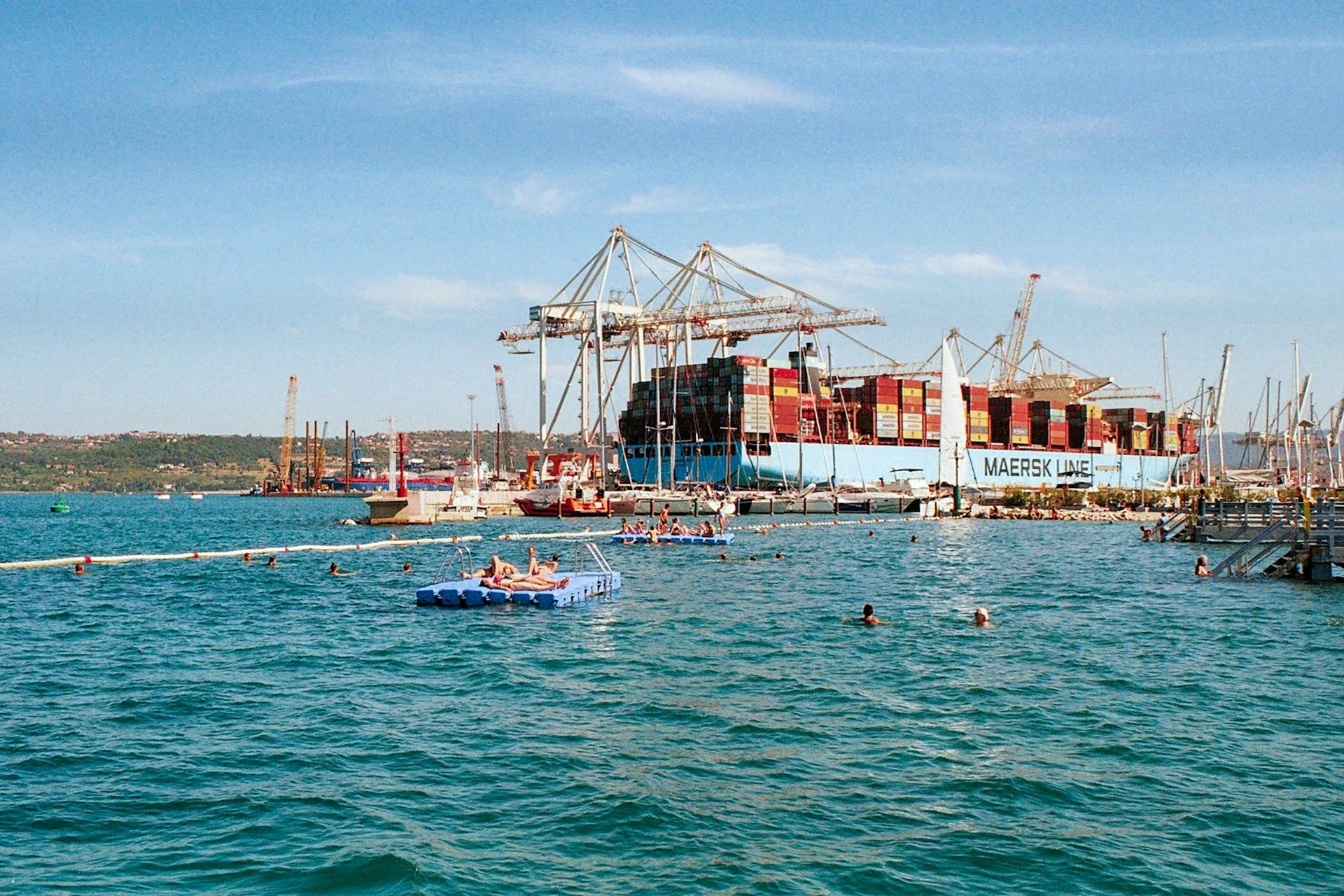
Koper's port, Adriatic tourism and transit corridors drive demand for logistics, coastal retail and specialist offices serving maritime services; seasonality and public sector presence shape tenant stability and typical medium to long term lease profiles
Asset types and strategies
Port adjacent logistics, coastal retail, tourist hospitality and offices are common in Koper; strategies include core long term leases for logistics, single or multi tenant approaches for offices and value add repositioning of waterfront buildings
Expert screening support
VelesClub Int. experts define strategy, shortlist assets and run screening including tenant quality checks, lease structure review, yield logic assessment, capex and fit out assumptions, vacancy risk analysis and a tailored due diligence checklist
Port driven demand
Koper's port, Adriatic tourism and transit corridors drive demand for logistics, coastal retail and specialist offices serving maritime services; seasonality and public sector presence shape tenant stability and typical medium to long term lease profiles
Asset types and strategies
Port adjacent logistics, coastal retail, tourist hospitality and offices are common in Koper; strategies include core long term leases for logistics, single or multi tenant approaches for offices and value add repositioning of waterfront buildings
Expert screening support
VelesClub Int. experts define strategy, shortlist assets and run screening including tenant quality checks, lease structure review, yield logic assessment, capex and fit out assumptions, vacancy risk analysis and a tailored due diligence checklist








Useful articles
and recommendations from experts
Assessing commercial property in Koper markets
Why commercial property matters in Koper
Koper's economy combines port logistics, a compact urban service base and seasonal tourism, creating differentiated demand for commercial space. The port and associated logistics activity underpin demand for warehouse property in Koper and light industrial premises that serve regional freight and distribution flows. At the same time a limited but active office market supports professional services, trade facilitation and public administration, so office space in Koper remains relevant for owner-occupiers and small institutional users. Retail space in Koper is shaped by a mix of tourist-season footfall and local daily consumption, which affects leasing patterns and turnover. Buyers in this market include owner-occupiers seeking location efficiency for operations, investors targeting income stability or capital appreciation, and operators focused on asset management and turnover. Health and education tenants create niche demand for purpose-fitted premises, while hospitality and short-stay accommodation absorb a portion of investment interest tied to tourism seasonality. The result is a market where commercial real estate in Koper must be evaluated by sector dynamics rather than by a single citywide metric.
The commercial landscape – what is traded and leased
The traded and leased stock in Koper spans central business corridors, waterfront and tourism clusters, neighborhood retail streets, and logistics zones around port access and arterial roads. Business districts in the historic center and adjacent civic corridors host office leases that tend to be smaller unit sizes and tenant profiles with moderate credit depth. High street retail corridors and tourism-oriented retail clusters experience seasonal variance in turnover and rental models, whereas neighborhood retail serves stable residential catchments with lower turnover but tighter margins. Business parks and light industrial estates on the city periphery provide unitized warehouse and production space; these locations compete on access to the port, road links and last-mile distribution efficiency. Lease-driven value is most apparent in retail and shorter-term office markets where income depends on tenant roll and trading performance, while asset-driven value dominates logistics and well-positioned office buildings where lower vacancy and longer leases transfer value to the building fabric and location economics. Recognizing the balance between lease-driven and asset-driven value is essential when evaluating opportunities in Koper.
Asset types that investors and buyers target in Koper
Investors and purchasers focus on a set of repeatable asset types that reflect Koper's mixed economic base. Retail premises range from small shopfronts on tourist corridors to neighborhood convenience stores; comparisons between high street vs neighborhood retail should consider footfall variability, lease length and tenant credit. Office acquisitions split into prime small-bay offices in central locations and non-prime flexible spaces outside the core; prime vs non-prime logic follows local occupier demand, building condition and tenancy profiles. Serviced office offerings can address flexible occupier needs but require higher operational involvement and active management. Hospitality assets capture seasonal peaks tied to visitor flows and require specialized operating expertise and cyclical performance assumptions. Restaurant, cafe and bar premises are often leased on shorter, turnover-linked arrangements and carry fit-out and operational risks that differ from shell-and-core office investments. Warehouse and light industrial units are attractive where supply chain needs and e-commerce growth increase demand for distribution nodes close to the port and major roads. Revenue houses and mixed-use conversions are relevant where residential demand supports ground-floor commercial leases; mixed-use optimization can smooth income streams when tenancy mixes are balanced. Overall asset targeting in Koper must match investor appetite for active management, exposure to seasonality and the technical requirements of port-related logistics.
Strategy selection – income, value-add, or owner-occupier
Choosing a strategy in Koper depends on objectives and local market constraints. An income-focused strategy emphasizes stable, long-term leases with creditworthy tenants, suitable for retail anchors or warehouses serving contracted logistics clients; this approach mitigates leasing volatility but requires careful tenant analysis and lease covenant assessment. Value-add strategies pursue refurbishment, reconfiguration or re-leasing to capture upside from underperforming assets; in Koper that often means upgrading offices to modern standards, reconfiguring retail units for tourism-season demand, or improving warehouse clearances and yard access to attract logistics tenants. Mixed-use optimization takes advantage of complementary income streams, for example pairing residential occupancy with ground-floor retail that serves both residents and visitors, but it increases operational complexity and regulatory sensitivity. Owner-occupier purchase logic prioritizes operational efficiency and location fit over pure yield; companies seeking proximity to the port or central administration may accept different capex and leasing dynamics compared with passive investors. Local factors such as seasonal tourism peaks, tenant churn tendencies in retail corridors, and the intensity of planning and permitting influence which strategy is most practical in any given submarket of Koper.
Areas and districts – where commercial demand concentrates in Koper
When assessing districts in Koper, use a framework that separates central business corridors, tourism-facing zones, transport-linked industrial areas, and residential catchments. The central business area concentrates administrative services, professional occupiers and compact office demand; these locations trade on proximity to civic functions and pedestrian accessibility. Tourism corridors and waterfront-facing zones produce strong but seasonal retail and hospitality demand, so investors must calibrate lease structures and vacancy expectations accordingly. Transport nodes and industrial access areas are critical for warehouse property in Koper, with proximity to port infrastructure and major roads increasing functional value for logistics users. Residential catchment areas support neighborhood retail and local services with steadier day-to-day demand but lower headline rents. Emerging business areas on the urban periphery may offer development or repositioning potential, but they carry the risk of competition and oversupply if demand projections are aggressive. The district selection should weigh commuter flows, freight access, pedestrian footfall and regulatory constraints specific to each submarket rather than assuming uniform market conditions across the city.
Deal structure – leases, due diligence, and operating risks
Deal structure in Koper revolves around typical lease elements and a focused due diligence regimen. Buyers review lease term and remaining duration, break options and tenant obligations for fit-out and repairs, indexation clauses and the extent of service charges. Fit-out liabilities are especially relevant for hospitality and restaurant premises where tenant improvements represent significant capital. Vacancy and reletting risk should be modelled with local market leasing times and likely rental resets in mind. Capex planning must consider building fabric, port-related exposure to heavier use, and compliance with technical standards for industrial occupiers. Operating risks include tenant concentration where a single occupier generates disproportionate income, and seasonality that affects revenue predictability for retail and hospitality assets. Due diligence typically covers historical income, service charge reconciliation, physical condition surveys, environmental assessments where industrial uses are present, and planning compliance checks; VelesClub Int. recommends structured checklists to align technical findings with investment strategy. These review steps reduce execution risk but do not eliminate market or operational uncertainty.
Pricing logic and exit options in Koper
Pricing in Koper is driven by locational advantages, tenant quality and lease profile more than simple headline metrics. High footfall locations and well-specified buildings command premium pricing where tenant covenants and lease length support predictable income. Warehouse valuations prioritize access to the port and road network, clear height and yard logistics, while office pricing reflects building condition, ability to meet modern occupier requirements and tenant stability. Alternative use potential can influence price where adaptive reuse to residential or mixed-use is feasible under local planning regimes. Exit options include holding to capture income growth and refinancing when cash flow stabilizes, re-leasing to improve the tenancy profile before sale, or repositioning through refurbishment and then selling at a higher value; each path depends on lease length, capex lead times and the depth of buyer demand for commercial real estate in Koper. Transaction timing should consider seasonal patterns in demand for retail and hospitality assets as well as macro trading conditions that affect investor appetite for regional logistics and office assets.
How VelesClub Int. helps with commercial property in Koper
VelesClub Int. supports commercial transactions in Koper through a structured process that begins with clarifying client objectives and risk tolerance. The team defines target segments and suitable districts based on operational needs, desired income profile and capital deployment constraints. Shortlisting prioritizes assets by lease length, tenant credit, physical condition and repositioning potential, and VelesClub Int. coordinates technical due diligence and documentation review to align findings with investment assumptions. During negotiation and transaction steps VelesClub Int. assists in assembling vendor information, interpreting lease terms and modeling scenarios for hold, reposition or exit strategies. The selection and screening process is tailored to the client’s goals and capabilities, whether the aim is to buy commercial property in Koper for owner occupation, stable income or active value-add.
Conclusion – choosing the right commercial strategy in Koper
Choosing the right commercial strategy in Koper requires matching sector dynamics to investor objectives and the specific attributes of each submarket. Income-focused investors should prioritize long leases with creditworthy tenants and logistics assets tied to port activity, while value-add approaches must account for capex timelines and seasonal trading in retail and hospitality. Owner-occupiers should evaluate proximity to operations and the cost of fit-out against acquisition premiums. VelesClub Int. can help clarify strategy, screen suitable assets and coordinate due diligence so that selection aligns with client capabilities and market realities. Consult VelesClub Int. experts for a focused review of options and to develop a pragmatic acquisition or management plan for commercial real estate in Koper.