
Industrial buildings in RiyadhLogistics assets for city expansion
Best offers
in Saudi Arabia
Benefits of investing in commercial real estate in Riyadh


Demand drivers
Riyadh's government ministries, finance and tech hubs, expanding healthcare and education campuses, plus logistics corridors drive demand for commercial space, supporting longer lease profiles and higher tenant stability in central business and industrial districts
Asset types and strategies
Riyadh demand centers on CBD and suburban offices with grade variations, logistics warehouses along transport corridors, high-street and neighborhood retail, and selective hospitality, enabling options between core long-term leases, value-add repositioning, single-tenant and multi-tenant strategies
Selection and screening
VelesClub Int. experts define strategy, shortlist Riyadh assets and run structured screening including tenant quality checks, lease structure review, yield logic, capex and fit-out assumptions, vacancy risk assessment and a tailored due diligence checklist
Demand drivers
Riyadh's government ministries, finance and tech hubs, expanding healthcare and education campuses, plus logistics corridors drive demand for commercial space, supporting longer lease profiles and higher tenant stability in central business and industrial districts
Asset types and strategies
Riyadh demand centers on CBD and suburban offices with grade variations, logistics warehouses along transport corridors, high-street and neighborhood retail, and selective hospitality, enabling options between core long-term leases, value-add repositioning, single-tenant and multi-tenant strategies
Selection and screening
VelesClub Int. experts define strategy, shortlist Riyadh assets and run structured screening including tenant quality checks, lease structure review, yield logic, capex and fit-out assumptions, vacancy risk assessment and a tailored due diligence checklist








Useful articles
and recommendations from experts
Practical commercial property in Riyadh market overview
Why commercial property matters in Riyadh
Riyadh's role as the primary administrative and business center concentrates demand for commercial property in Riyadh across multiple sectors. The city hosts government ministries, regional headquarters of corporations, and a large domestic services sector, which together sustain demand for office space in Riyadh and for retail formats that serve daytime and residential catchments. The hospitality and tourism agenda, including conventions and domestic leisure growth, supports hotel and limited-service accommodation requirements, while healthcare and education expansions create specialised leasing opportunities. Owner-occupiers acquire buildings to secure long-term operational bases, investors target income and capital growth, and operators seek appropriately configured assets to scale services across the city. These differentiated buyer motivations shape pricing, lease structures, and the pattern of transactions in Riyadh’s commercial real estate market.
The commercial landscape – what is traded and leased
The traded and leased stock in Riyadh ranges from central business district towers to corridor retail, neighbourhood retail nodes, business parks, and logistics zones on the periphery. Office markets tend to concentrate along primary arterial corridors and designated financial areas, whereas retail occurs both as high street frontage and mall-based or cluster formats supporting residential districts. Industrial and warehouse supply is typically located near major highways and freight routes, configured for last-mile distribution serving e-commerce and retail chains. Lease-driven value predominates where tenant cashflows determine yield and resaleability, such as long-let offices and stabilized retail, while asset-driven value appears in properties where repositioning, refurbishment, or change of permitted use can materially increase rental income or sale value. Understanding whether value derives from contractual lease economics or from physical and locational enhancement is essential to underwriting deals in Riyadh.
Asset types that investors and buyers target in Riyadh
Retail space in Riyadh attracts investors seeking consumer-facing income but requires close analysis of trade area demographics and tenant mix. High street retail commands premium rents in core corridors with strong pedestrian and vehicular throughput; neighbourhood retail offers lower rent but steadier local catchment revenues. Office investment spans prime corporate towers and secondary office blocks. Prime offices are priced on long-term covenant strength and location, while non-prime assets are often assessed on refurbishment potential and tenant re-leasing risk. Serviced office and flexible workspace are a niche within the office sector, relevant where short-term corporate leases and start-up ecosystems exist.
Hospitality investments must reflect Riyadh seasonality and event-driven demand. Restaurant and cafe premises are often structured as leaseholds with tenant fit-out obligations and turnover-linked clauses. Warehouse property in Riyadh is increasingly driven by e-commerce and regional supply chains; investors assess clear heights, loading configuration, and access to arterial routes as key metrics. Light industrial units with office components appeal to operators seeking combined administration and fulfilment space. Mixed-use revenue houses and integrated developments can unlock diversification benefits but require careful management of service charges and cross-subsidies between components.
Strategy selection – income, value-add, or owner-occupier
Income-focused strategies prioritize stable, long-term leases with creditworthy tenants. In Riyadh that often means securing government-linked or large corporate tenants on index-linked leases, limiting vacancy and management complexity. Value-add strategies target assets with repositioning potential – a secondary office block that can be refitted for higher-grade tenants, or a retail parade capable of tenant-mix improvement. These strategies depend on accurate capex planning and conservative rent-up timelines given local tenant churn norms and regulatory approval lead times.
Owner-occupier purchases are common where firms prefer control over location and fit-out to secure operational continuity. In Riyadh, owner-occupier logic also reflects corporate governance and long-term planning horizons that favor capital allocation into real estate. Mixed-use optimisation combines income and repositioning, for example converting underused office floors to serviced workspaces or adding neighbourhood retail to residential schemes. Local factors that tilt strategy choice include sensitivity to the business cycle, seasonality tied to events and holidays, tenant turnover patterns in particular sectors, and the administrative intensity of planning and permitting processes.
Areas and districts – where commercial demand concentrates in Riyadh
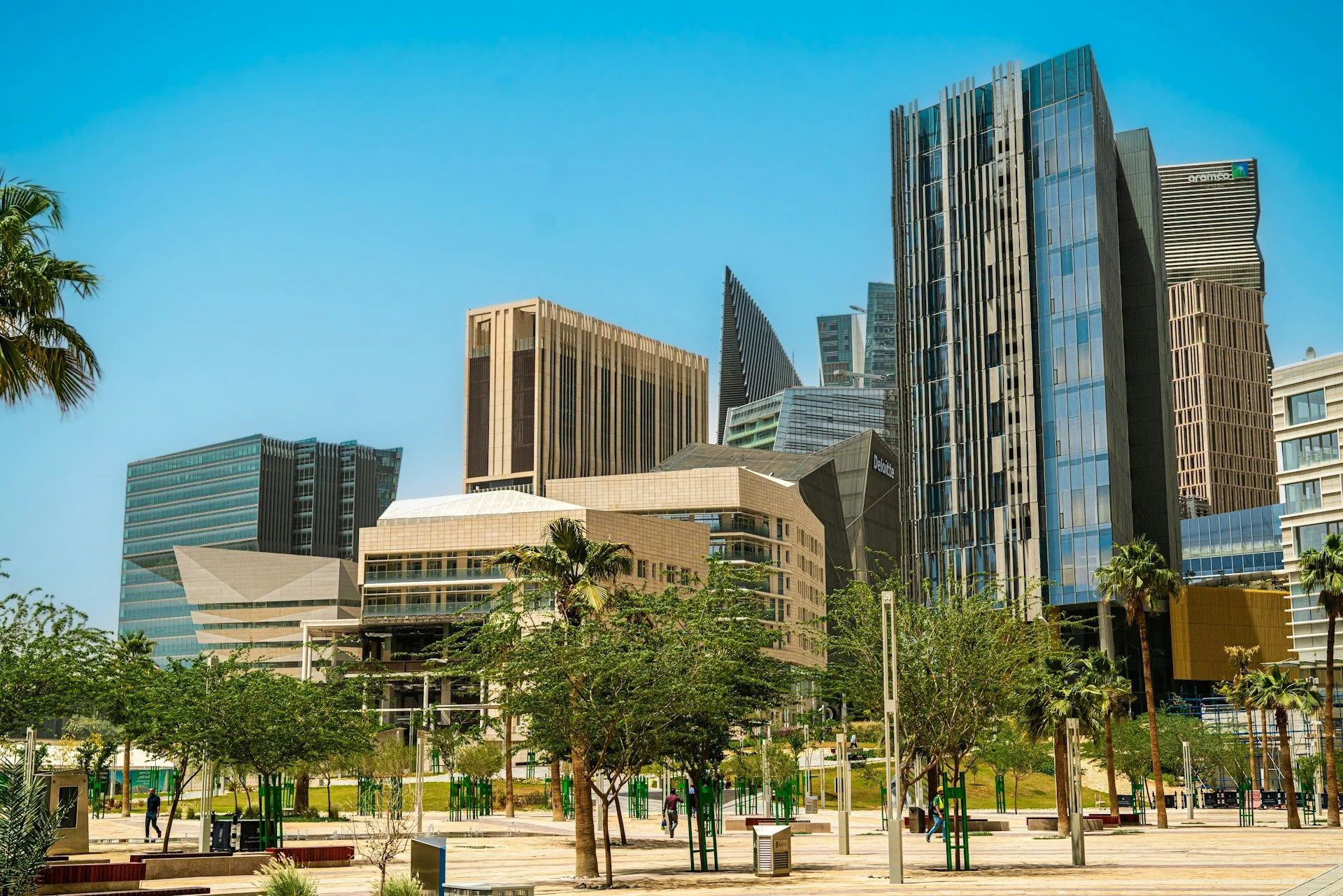
Commercial demand in Riyadh concentrates along several identifiable district types and named urban areas. Central business corridors and established office districts attract corporate leasing and institutional investors. Olaya and Al Sulaymaniyah host a high concentration of corporate offices and professional services, making them reference points for prime office metrics. The King Abdullah Financial District is positioned as a financial services cluster with distinct planning and infrastructure characteristics that impact leasing and valuation. Older commercial districts such as Al Batha and Al Malaz serve retail traders and small-scale logistics needs and thus present different tenant and cashflow profiles. Peripheral industrial and logistics zones near major highways and planned transport nodes capture warehouse and light industrial demand, while emerging tourism and cultural nodes such as Diriyah influence hospitality and leisure-related commercial activity. When comparing these areas, assess central business district scarcity, transport connectivity, commuter flows, tourism corridors, and the risk of oversupply from new developments.
Deal structure – leases, due diligence, and operating risks
Buyers reviewing deals in Riyadh typically focus first on lease documentation: remaining term, break options, renewal clauses, rent review mechanisms and indexation, permitted uses, service charge allocation, and tenant fit-out responsibilities. Effective due diligence examines capex obligations embedded in leases, outstanding compliance liabilities, and historical occupancy rates to estimate vacancy and reletting risk. Operating risks include tenant concentration, where a single large tenant accounts for a significant portion of income, and contract enforceability under local commercial practice. Financial due diligence must align rent roll analysis with physical inspection to identify deferred maintenance and capex needs without providing legal conclusions. Regulatory and compliance reviews should identify outstanding permits or change-of-use constraints that affect repositioning options. Accurate budgeting for operating expenditure and contingency reserves is essential to mitigate unexpected compliance or refurbishment costs.
Pricing logic and exit options in Riyadh
Pricing in Riyadh depends on a combination of locational attributes, tenant quality, lease length and certainty, and building condition. Prime locations with demonstrable footfall and strong transport links command tighter pricing spreads, while secondary locations trade at wider yields reflecting higher vacancy and re-let risk. Tenant covenant strength and remaining lease tenor are primary inputs to discounting future cashflows; short leases or leases with break options increase repositioning risk and reduce immediate pricing. Building quality and required capex influence effective yield expectations, as do potential alternative uses where conversion to another permitted commercial use can expand buyer pools.
Exit strategies available to owners include holding to capture rental growth and refinancing once income stabilizes, re-leasing to a new tenant prior to sale to improve marketability, and repositioning the asset through refurbishment or change of use before a disposal. Choice of exit path reflects market cycle, capital availability, and regulatory constraints. Sellers typically evaluate the cost and timeline of a value-add programme versus the incremental sale premium it may secure in Riyadh’s market.
How VelesClub Int. helps with commercial property in Riyadh
VelesClub Int. assists clients by first clarifying investment or occupancy objectives and the client’s operational capabilities. The process begins with defining the target segment and preferred districts, aligning risk appetite with likely lease structures and tenant profiles. VelesClub Int. sources and shortlists assets based on lease and risk profile, highlighting contract terms and capex exposure that materially affect valuation. The firm coordinates due diligence workflows and documentation review with local advisors, ensuring physical, financial, and regulatory checks are integrated into the decision timetable. During negotiation and transaction steps VelesClub Int. supports commercial terms structuring and project timelines, facilitating coordination between the buyer, vendors, and consultants while tailoring the selection to the client’s strategic goals.
Conclusion – choosing the right commercial strategy in Riyadh
Selecting the appropriate commercial strategy in Riyadh requires matching property type, district dynamics, lease structure, and asset condition to the investor or occupier’s objectives. Income strategies favour long leases and tenant quality, value-add plays rely on conservative capex and realistic lease-up assumptions, and owner-occupier purchases reflect operational control priorities. Buyers who evaluate district-specific demand patterns, lease-driven versus asset-driven value, and the full scope of due diligence are better positioned to price risk and identify exit options. For a tailored assessment and asset screening process, consult VelesClub Int. experts to align objectives, shortlist suitable opportunities, and coordinate due diligence and transaction execution on commercial real estate in Riyadh.