
Commercial buildings in PortoStrategic buildings across active districts
Best offers
in Porto Region
Benefits of investing in commercial real estate in Porto


Local demand drivers
Porto's demand stems from tourism, port-linked logistics, regional manufacturing, a growing tech and services sector, and large universities and hospitals, creating a mix of stable institutional leases and seasonal shorter hospitality and retail contracts
Asset types and strategies
In Porto common segments include high-street retail in historic districts, grade A and B offices near business and university hubs, logistics nodes serving maritime corridors, boutique hospitality and mixed-use conversions, supporting core and value-add strategies
Expert selection support
VelesClub Int. experts define strategy, shortlist assets and run screening including tenant quality checks, lease structure review, yield logic assessment, capex and fit-out assumptions, vacancy risk analysis and a standardised due diligence checklist
Local demand drivers
Porto's demand stems from tourism, port-linked logistics, regional manufacturing, a growing tech and services sector, and large universities and hospitals, creating a mix of stable institutional leases and seasonal shorter hospitality and retail contracts
Asset types and strategies
In Porto common segments include high-street retail in historic districts, grade A and B offices near business and university hubs, logistics nodes serving maritime corridors, boutique hospitality and mixed-use conversions, supporting core and value-add strategies
Expert selection support
VelesClub Int. experts define strategy, shortlist assets and run screening including tenant quality checks, lease structure review, yield logic assessment, capex and fit-out assumptions, vacancy risk analysis and a standardised due diligence checklist








Useful articles
and recommendations from experts
Commercial property market overview in Porto
Why commercial property matters in Porto
Porto's economy supports a distinct demand profile for commercial property in Porto driven by a mix of services, tourism, manufacturing and logistics. The city hosts professional services and small corporate offices, a concentrated retail audience in pedestrian corridors, hospitality businesses aimed at both short-stay visitors and business travel, plus education and health-related activities that require specialized premises. Buyers vary by objective: owner-occupiers seeking stable operational bases, institutional and private investors targeting income or capital appreciation, and operators looking for assets that fit specific business models. The interaction of riverfront tourism, export-oriented manufacturing in the metropolitan area, and growing e-commerce activity creates parallel demand for retail, office, hospitality and warehouse property types. Understanding sector-specific occupier drivers in Porto clarifies which assets will sustain tenancy and which will require active management to preserve value.
The commercial landscape - what is traded and leased
The commercial real estate in Porto is traded and leased across multiple stock types. Central business districts and historic high streets trade on visibility and footfall for retail space, while secondary high streets and neighborhood retail serve local resident demand and convenience spending. Office activity concentrates both in established central corridors and in emerging peripheral business parks where lower rents and better car access appeal to back-office occupiers. Logistics and industrial demand is increasingly focused on last-mile access to the port and motorway corridors that link the metropolitan area to northern Portuguese manufacturing centers. Hospitality is clustered in tourism corridors along the riverfront and near transport nodes, while small revenue houses and mixed-use buildings combine retail at street level with residential or serviced-office uses above. Lease-driven value is most apparent where long, indexed leases and creditworthy tenants create predictable cash flow. Asset-driven value arises where location, redevelopment potential or alternative use options allow repositioning or densification to change income potential. In Porto, both logics operate concurrently; investors must decide whether to prioritise steady lease profiles or to acquire with a repositioning plan that anticipates local planning and market cycles.
Asset types that investors and buyers target in Porto
Investors and buyers in Porto focus on a set of repeatable asset types. Retail space in Porto ranges from prime street-front units in central corridors to smaller neighborhood shops that serve local catchments; prime units depend on pedestrian traffic and tourism seasonality while neighborhood retail depends on resident demographics and stable day-to-day demand. Office space in Porto splits between prime central offices with professional services tenancy and non-prime suburban offices where flexible leases and cost control matter more. Hospitality assets include small hotels, guesthouses and boutique accommodation that rely on tourism seasonality and management intensity rather than standardized institutional hotel models. Restaurant-cafe-bar premises are valued for frontage and extractable commercial systems but require careful assessment of fit-out transferability. Warehouses and light industrial assets address regional distribution and e-commerce fulfilment, with warehouse property in Porto increasingly evaluated for clear height, dock access and proximity to distribution routes rather than pure land value. Revenue houses and mixed-use assets are common in older parts of the city and attract investors who can manage multi-tenancy and refurbishment cycles. Comparisons are straightforward: high street retail trades on location and multi-channel resilience, neighborhood retail trades on local spending patterns; prime offices demand longer leases from corporate tenants while non-prime office logic is cost-driven and sensitive to tenant churn; serviced office models affect lease structures and capex expectations; supply chain changes and e-commerce growth push demand for flexible light industrial space closer to urban centres.
Strategy selection - income, value-add, or owner-occupier
Strategy selection for commercial property in Porto typically falls into income-oriented acquisition, value-add repositioning, mixed-use optimisation or owner-occupier purchase. Income-focused buyers prioritise long-term leases, indexation, and tenant credit quality to reduce volatility during tourism cycles and economic swings. In Porto, stable leases from professional services or certain retail operators can provide predictable cash flow, but investors must consider tenant concentration and seasonal demand. Value-add strategies target assets where refurbishment, re-leasing or modest redevelopment can change rental tone. In Porto, these strategies are influenced by local planning limits, building typologies in historical areas and demand cycles for tourism and office use. Mixed-use optimisation combines retail or hospitality ground-floor income with longer-term residential or office income above to diversify risk. Owner-occupiers evaluate cost of occupation versus lease alternatives; in Porto, owner-occupier logic is often tied to operational needs, proximity to transport nodes, and the ability to adapt premises within heritage constraints. Factors that push one strategy over another in Porto include sensitivity to the business cycle, higher tenant churn in tourism-aligned segments, the seasonality of visitor-driven retail, and the regulatory and conservation environment that governs alterations to older stock.
Areas and districts - where commercial demand concentrates in Porto
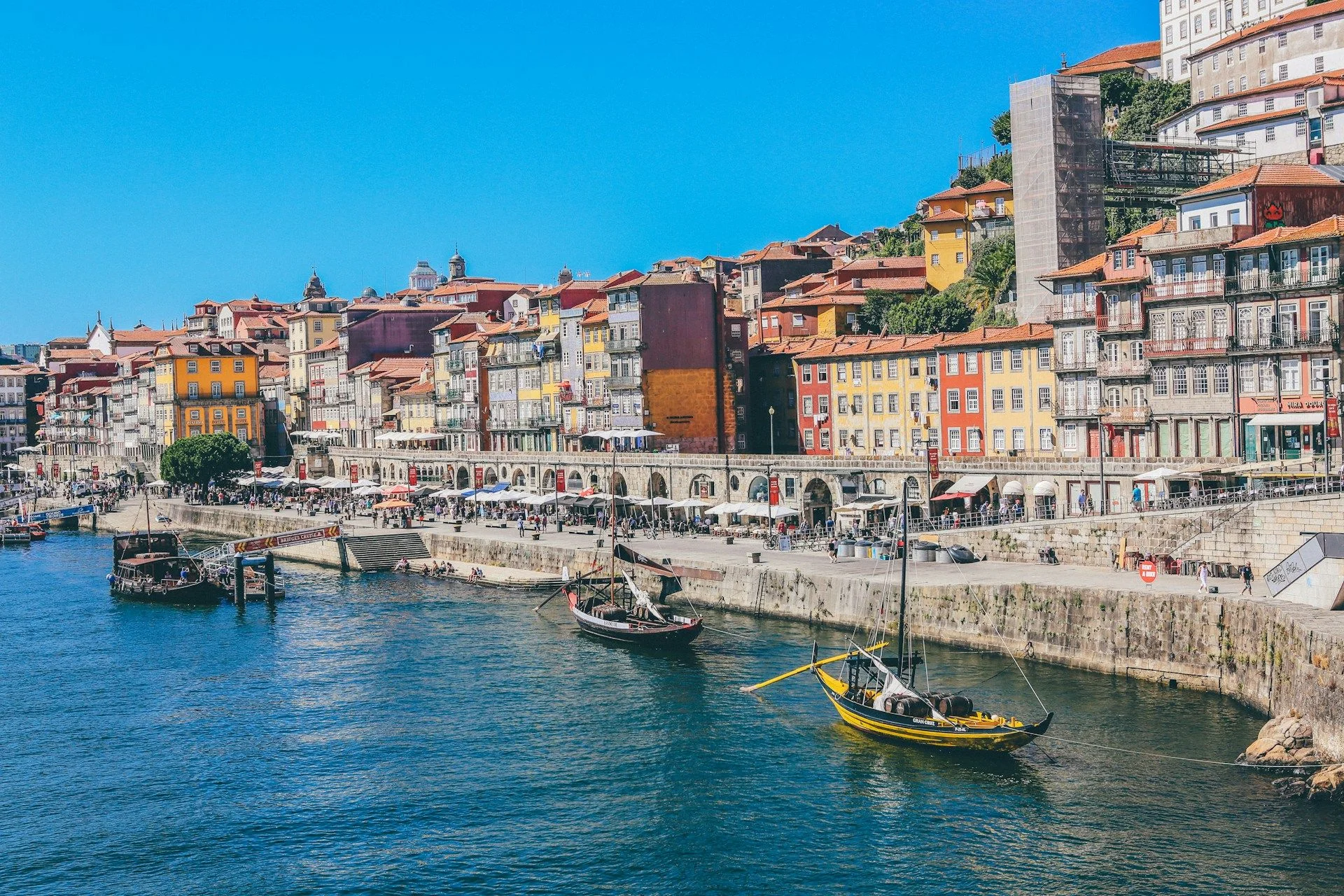
Commercial demand in Porto concentrates along a handful of district types and known neighborhoods. The Baixa and central merchant corridors are high-intensity retail and office areas with strong pedestrian flows and tourism exposure. The Ribeira and riverfront corridor concentrates hospitality and leisure-led demand tied to visitor seasons and waterfront access. Boavista and adjacent business avenues attract corporate and professional office space, with mixed retail and office buildings that suit a variety of occupiers. Foz do Douro represents a coastal sector with selective retail and hospitality demand linked to affluent catchments. Bonfim and Cedofeita include dense residential catchments with neighborhood retail, smaller offices and many mixed-use conversions that appeal to local service businesses. Investors should evaluate CBD versus emerging business areas by comparing transport nodes and commuter flows, tourism corridors versus residential catchments, and industrial access for logistics against last-mile route requirements. Competition and oversupply risk vary by district type; central corridors can show short-term volatility from tourism shifts while peripheral business parks may face longer lease-up periods. Use a district framework that matches asset type to catchment economics and transport connectivity when assessing opportunity in Porto.
Deal structure - leases, due diligence, and operating risks
Deal structure decisions for commercial property in Porto focus on lease mechanics and operational risk. A purchaser typically reviews lease term, break options, rent review mechanism and indexation, service charge regimes and who bears fit-out responsibilities. Vacancy and reletting risk depend on expected tenant profile and market liquidity for that asset type in the chosen district. Due diligence should cover building condition surveys, capex forecasting for systems and façades, compliance with local building and conservation requirements, and potential constraints on change of use. Operating risks include tenant concentration, seasonality in revenues for tourism-linked assets, and the cost and timing of major maintenance. For warehouses and light industrial units, check access rights, eaves height and yard capacity; for offices and retail, confirm ventilation, vertical circulation and façade condition relative to expected refurbishment. Assess tax treatment and ownership costs as part of cashflow modelling without relying on any specific fiscal advice. Careful documentation review and coordinated technical, commercial and financial due diligence reduce execution risk and clarify the timeline for repositioning or re-letting in Porto.
Pricing logic and exit options in Porto
Pricing for commercial property in Porto is driven by location and footfall, tenant quality and lease length, building quality and capex needs, and alternative use potential. Prime central units with long leases to stable tenants command higher pricing, while assets that require significant repositioning trade on discount to reflect capex and leasing risk. Building fabric and systems influence pricing where refurbishment requirements shorten a holding period. Investors also consider the potential to convert or reconfigure use within local planning constraints as an element of upside. Exit options in Porto are typically hold-and-refinance to stabilise cashflow, re-lease then sell once rental tone improves, or reposition and exit when asset performance meets target metrics. The choice between holding for income or executing a reposition-and-exit strategy depends on cycle timing, the relative liquidity of district sub-markets and the investor's capacity to manage asset-level improvements. Pricing comparisons should include sensitivity to vacancy, expected rent growth and capital expenditure under realistic timelines rather than optimistic assumptions.
How VelesClub Int. helps with commercial property in Porto
VelesClub Int. supports investors and occupiers in Porto through a structured process that begins with clarifying objectives and ends with transaction support. The engagement starts by defining target segments, districts and acceptable lease-risk profiles. VelesClub Int. screens assets against those parameters, shortlists opportunities that match lease length, tenant quality and capex tolerance, and coordinates technical and market due diligence inputs. The advisory includes preparing comparative lease and pricing analyses, highlighting operating risks and advising on negotiation priorities such as break clauses, indexation and fit-out obligations. For value-add opportunities, VelesClub Int. evaluates repositioning feasibility within local planning and conservation contexts. Throughout the process the firm aligns selection to the client’s capital structure, management capabilities and exit horizon, and it can coordinate specialist advisers for complex documentation review. The service is designed to be practical and tailored rather than prescriptive, helping clients evaluate trade-offs specific to Porto.
Conclusion - choosing the right commercial strategy in Porto
Selecting the right commercial strategy in Porto requires matching asset type, district dynamics and lease profile to the investor or occupier objective. Income strategies suit buyers prioritising stable leases, value-add approaches work where building fabric and alternative use create measurable upside, and owner-occupiers evaluate total cost of occupancy against operational needs. Effective decisions depend on disciplined due diligence, realistic capex planning and an understanding of local district demand patterns. For a customised assessment and asset screening aligned with your goals, consult VelesClub Int. experts who can structure the search, coordinate due diligence and support negotiation steps to help you evaluate opportunities to buy commercial property in Porto or to optimise existing holdings in the city.