
Buy commercial property in BergenPractical support for asset selection
Best offers
in Norway
Benefits of investing in commercial real estate in Bergen


Bergen market drivers
Bergen's port, energy and aquaculture sectors, combined with university, hospital and public sector employment and seasonal tourism, concentrate demand in central and waterfront districts, supporting tenant stability and longer institutional-style lease profiles
Commercial segments and strategies
Retail, hospitality, port logistics, cold-storage and office stock dominate Bergen; strategies include core long-lease income in institutional logistics and healthcare, value-add repositioning of secondary offices, single-tenant port assets or mixed-use high street conversions
Expert selection support
VelesClub Int. experts define strategy, shortlist local assets and run structured screening including tenant quality checks, lease structure review, yield logic assessment, capex and fit-out assumptions, vacancy risk analysis and due diligence checklist
Bergen market drivers
Bergen's port, energy and aquaculture sectors, combined with university, hospital and public sector employment and seasonal tourism, concentrate demand in central and waterfront districts, supporting tenant stability and longer institutional-style lease profiles
Commercial segments and strategies
Retail, hospitality, port logistics, cold-storage and office stock dominate Bergen; strategies include core long-lease income in institutional logistics and healthcare, value-add repositioning of secondary offices, single-tenant port assets or mixed-use high street conversions
Expert selection support
VelesClub Int. experts define strategy, shortlist local assets and run structured screening including tenant quality checks, lease structure review, yield logic assessment, capex and fit-out assumptions, vacancy risk analysis and due diligence checklist








Useful articles
and recommendations from experts
Strategic commercial property in Bergen market overview
Why commercial property matters in Bergen
Bergen's economy combines marine industries, energy services, higher education and a significant tourism sector, creating a diversified demand base for commercial space. The port and maritime cluster sustain logistics and industrial occupiers, while the University of Bergen and regional healthcare providers generate steady demand for office space and specialist premises. Tourism and hospitality activity raises short-term demand cycles for hotel and leisure-related leases during peak seasons. These sectoral drivers determine who buys commercial assets: owner-occupiers seeking long-term operational bases, institutional and private investors aiming for income or capital growth, and operators pursuing asset-light expansion through leaseholds. Understanding how each sector uses space is central to assessing commercial property in Bergen and anticipating tenant turnover, lease length preferences, and fit-out requirements.
Buyers and investors evaluate opportunities in the context of local employment trends, sea and air connectivity, and seasonal visitation. These variables affect occupancy patterns across offices, retail outlets, hospitality assets, healthcare facilities, educational-related real estate, and industrial warehouses. A practical assessment ties demand profiles to location attributes and lease structures rather than relying on generic labels. VelesClub Int. approaches Bergen with this cross-sector perspective when screening opportunities and outlining investor priorities.
The commercial landscape – what is traded and leased
The traded and leased stock in Bergen reflects a mix of central city commercial corridors, concentrated waterfront activity, suburban retail parks, logistics zones near arterial roads, and dispersed business parks. City-centre streets and inner-harbour blocks host higher-density office and retail offerings, while suburban districts contain larger-format retail and light industrial units suitable for distribution or maintenance functions. Lease-driven value dominates assets with long, indexed contracts to stable tenants, whereas asset-driven value is more relevant for buildings where physical upgrades, repositioning or redevelopment can unlock alternative uses or higher rents.
In Bergen, tourism clusters generate short-term lease demand for hospitality and flexible retail, with higher variability in occupancy. Office markets show a split between prime core buildings with modern systems and secondary stock with shorter leases and higher re-letting risk. Industrial and logistics holdings near major transport arteries and the airport benefit from last-mile and cross-dock activity linked to the regional maritime supply chain. These patterns shape transaction volumes and the type of due diligence that buyers prioritize.
Asset types that investors and buyers target in Bergen
Retail space in Bergen ranges from high-street shops in the central commercial spine to large-format retail parks in suburban nodes. High-street retail is valued for pedestrian exposure and tourism spend but carries seasonality and higher tenant churn, while neighborhood retail benefits from stable local catchments and longer-term service tenants. Office space in Bergen spans prime modern offices suitable for professional services and tech-oriented occupiers, and older stock that can be repositioned. Prime versus non-prime logic hinges on building systems, floorplate efficiency, and proximity to central transport links.
Hospitality assets capture visitor flows from cruise and leisure travel; their performance is sensitive to seasonal peaks and local events. Restaurant, cafe and bar premises typically trade on shorter leases and higher fit-out obligations for the tenant, increasing operator risk but also enabling flexibility. Warehouses and light industrial units serve maritime supply chains, aquaculture support services and regional distribution. Warehouse property in Bergen is often evaluated on access to port facilities, road connections and clear height for racking, with e-commerce logistics pushing demand for last-mile solutions. Mixed-use revenue houses and buildings with ground-floor commercial and upper-floor residential components attract investors looking to diversify income streams and hedge vacancy risk, provided local zoning allows mixed usage and conversion.
Strategy selection – income, value-add, or owner-occupier
Investors select strategies based on risk tolerance, capital availability and time horizon. An income-focused approach targets long leases with strong tenants and minimal near-term capital expenditure, prioritizing stability over upside. In Bergen this might mean core office buildings in central districts or well-let retail anchored by essential service providers. Value-add strategies involve refurbishment, repositioning or re-leasing to capture rent uplifts; they rely on identifying properties with physical or management inefficiencies that the market will reward after intervention. Local drivers that favor value-add include pockets of ageing office stock and secondary retail corridors where modernisation can attract leasing demand.
Mixed-use optimisation combines elements of both income and value-add by increasing diversification and enabling alternative income sources, such as converting underused office floors to residential or leisure where permitted. Owner-occupier acquisitions focus on operational synergies and long-term cost control rather than short-term yield objectives. In Bergen, seasonality, regulatory intensity around heritage and waterfront zones, and tenant churn norms within tourism-related segments influence which strategy is most viable. Buyers must align strategy selection with local planning realities and the economic cycles of key sectors such as aquaculture and energy services.
Areas and districts – where commercial demand concentrates in Bergen
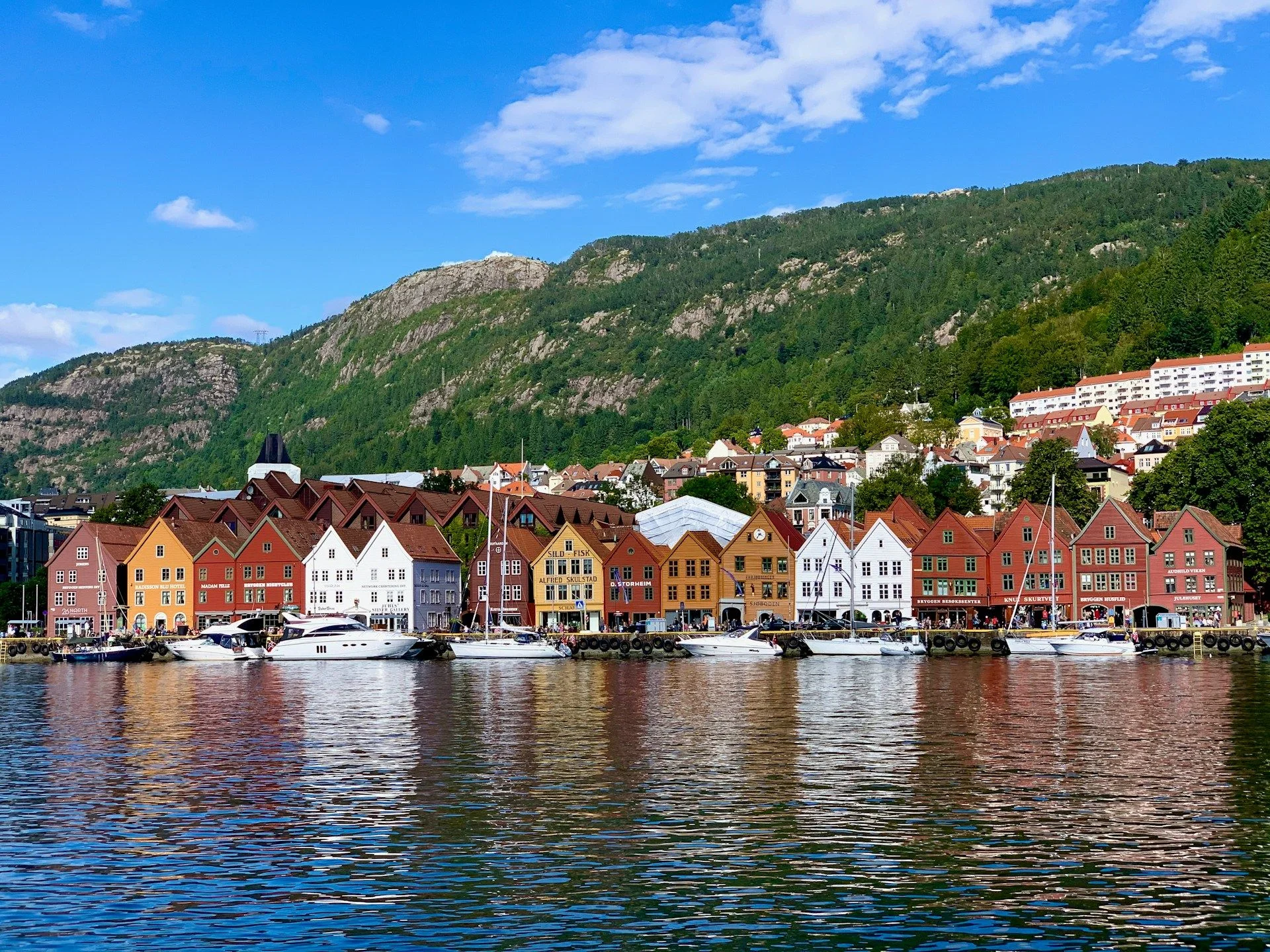
Commercial demand concentrates in a set of distinct district types that reflect transport connectivity, visitor flows and industrial access. The central business district and Sentrum area host professional services, administrative offices and much of the high-street retail footprint, offering the deepest tenant pool but also the strongest sensitivity to central footfall trends. Bryggen and the inner harbour act as tourism corridors with associated hospitality and niche retail demand, while Åsane functions as a suburban commercial hub with larger retail formats and logistics links suited to last-mile distribution.
Fana and surrounding suburban districts combine residential catchments with localized retail demand and smaller office clusters that serve regional operators. Laksevåg holds industrial and light manufacturing activity with proximity to port infrastructure, making it relevant for buyers seeking warehouse or workshop uses. Ytrebygda and areas near the airport attract international-facing business parks and logistics facilities. When comparing districts, investors should weigh commuter flows, transport nodes, tourism intensity and the potential for oversupply in retail and office segments.
Deal structure – leases, due diligence, and operating risks
Deal assessment in Bergen revolves around lease terms and the balance of obligations between landlord and tenant. Key lease points include contract length, break options, rent indexation mechanisms, and clarity on service charges and maintenance responsibilities. Fit-out and surrender obligations affect relaunch costs, while vacancy and re-letting risk drive assumptions about downtime and tenant improvement expenditures. High tenant concentration elevates cashflow volatility if a major occupier leaves, whereas diversified tenant bases reduce single-tenant exposure but can increase management complexity.
Due diligence typically covers technical surveys, building systems assessment, environmental screening for historic industrial uses, and planning and zoning checks to determine permitted uses and conversion potential. Financial diligence involves lease schedule verification, historical operating costs and an assessment of contingent liabilities such as deferred capex or compliance shortfalls. Buyers should also consider regulatory and compliance costs associated with energy performance and safety upgrades. VelesClub Int. advises clients to structure diligence timelines to match transaction milestones and to prioritise items that materially affect cashflow and re-letting feasibility.
Pricing logic and exit options in Bergen
Pricing in Bergen is driven by location attributes and tenant fundamentals. Footfall, proximity to transport and concentration of relevant industry clusters influence the location premium. Tenant quality and remaining lease length determine income certainty, while building condition and projected capex needs adjust valuation for future outlays. Alternative use potential, such as conversion of underperforming office floors to residential or flexible workspace, can create additional upside and factor into pricing despite planning hurdles.
Exit options include holding to benefit from stable leasing income and potential refinancing, re-leasing to improve yield and then selling, or repositioning the asset through refurbishment and resale to a different buyer profile. Reposition then exit strategies demand careful sequencing of capex, leasing and market timing. Hold-and-refinance strategies depend on lenders' views of cashflow stability and asset class outlook but require conservative underwriting of lease renewal risks. VelesClub Int. evaluates exit scenarios against market liquidity and the specific risk-return appetite of each client, without offering financing guarantees.
How VelesClub Int. helps with commercial property in Bergen
VelesClub Int. works through a structured process to support acquisition and portfolio decisions in Bergen. The service begins by clarifying investor objectives and constraints, defining target segments and preferred districts, and establishing acceptable lease and risk profiles. Using that brief, VelesClub Int. screens assets to create a short-list that matches cashflow, tenant and location criteria, and then coordinates due diligence priorities so that technical, environmental and lease reviews align with commercial objectives.
During transaction phases, VelesClub Int. assists with market benchmarking, scenario analysis for lease expiry and capex needs, and negotiation support focused on commercial terms rather than legal advice. The firm tailors selection to client capabilities, helping to identify whether an income, value-add or owner-occupier strategy is most appropriate, and recommends practical next steps for asset optimisation or exit timing. The approach is evidence-based and specific to local market dynamics.
Conclusion – choosing the right commercial strategy in Bergen
Selecting the right commercial strategy in Bergen requires aligning asset type, district dynamics and lease structure with sectoral demand and the investor's operational capacity. Income strategies work where lease security and tenant quality are strong; value-add approaches depend on identifiable physical or management inefficiencies; owner-occupier purchases hinge on long-term operational benefits. Assessments must reflect local patterns in marine and energy services, university and healthcare demand, and the seasonality of tourism. For a tailored screening and strategy review, consult VelesClub Int. experts who can help prioritise assets, coordinate due diligence and frame exit scenarios consistent with your objectives and the specific risks of commercial real estate in Bergen.