
Commercial buildings in TivatBusiness assets aligned with demand
Best offers
in Montenegro
Benefits of investing in commercial real estate in Tivat


Demand drivers for tivat
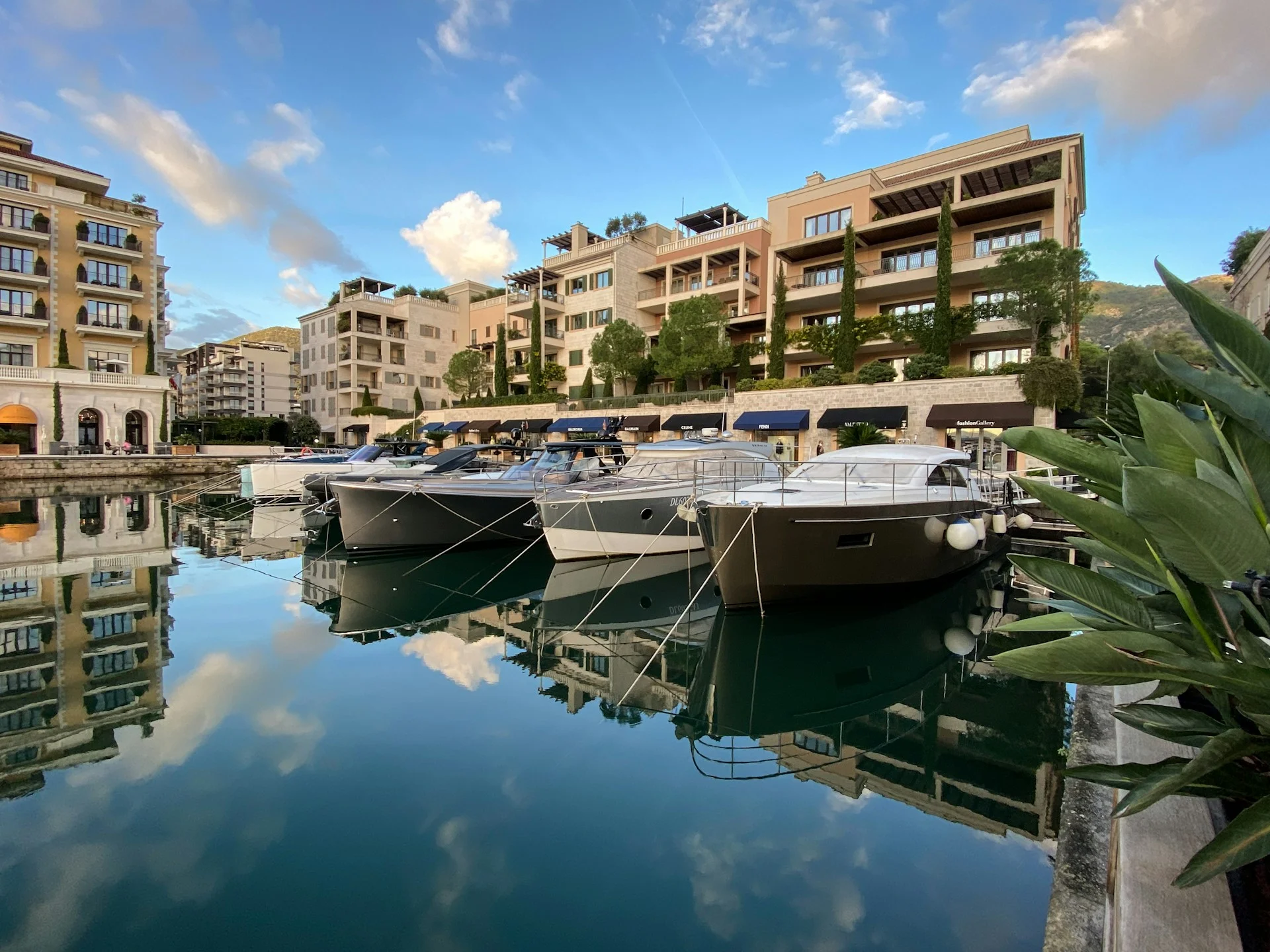
Tivat's economy is anchored in marina led tourism and airport connectivity, driving demand for hospitality and retail serving yachting and aviation services; this creates mixed tenant stability with seasonal peaks and marina lease profiles
Asset types and strategies
Hotels, marina services, high street retail and offices dominate Tivat, favoring hospitality and mixed use; strategies focus on value add repositioning of waterfront assets, single tenant marina contracts and multi tenant retail with core leases
Expert selection support
VelesClub Int. experts define strategy, shortlist assets and run screening including tenant quality checks, lease structure review, yield logic, capex and fit out assumptions, vacancy risk assessment and a practical due diligence checklist
Demand drivers for tivat
Tivat's economy is anchored in marina led tourism and airport connectivity, driving demand for hospitality and retail serving yachting and aviation services; this creates mixed tenant stability with seasonal peaks and marina lease profiles
Asset types and strategies
Hotels, marina services, high street retail and offices dominate Tivat, favoring hospitality and mixed use; strategies focus on value add repositioning of waterfront assets, single tenant marina contracts and multi tenant retail with core leases
Expert selection support
VelesClub Int. experts define strategy, shortlist assets and run screening including tenant quality checks, lease structure review, yield logic, capex and fit out assumptions, vacancy risk assessment and a practical due diligence checklist








Useful articles
and recommendations from experts
Commercial property investment landscape in Tivat
Why commercial property matters in Tivat
Tivat’s local economy is driven by a mix of maritime services, seasonal tourism, small-scale manufacturing and service industries. This mix creates demand across a narrow but intensive range of commercial functions – office operations supporting maritime and professional services, retail outlets oriented to both residents and visitors, hospitality-related premises tied to the visitor season, and light logistics to support supply chains for hospitality and marina services. Owner-occupiers include professional firms and small operators that require proximity to port and central services. Institutional and private investors target yield and capital growth from repositioning or leasing to seasonal anchors. Operators such as hotel managers, restaurant groups and logistics providers often buy or long-lease premises to secure operational control during high season. Understanding these local drivers clarifies why commercial property in Tivat functions differently from inland or industrial-focused markets and why investor due diligence must reflect sector seasonality and maritime connectivity.
The commercial landscape – what is traded and leased
The stock of commercial real estate in Tivat is concentrated in several functional types: compact business districts near municipal services and port access, high street corridors that serve residents and visitors, clusters of tourism-oriented retail and hospitality close to marinas, and small-scale logistics and light industrial spaces on the periphery that support last-mile activities. Lease-driven value is typical where tenant income streams and seasonal occupancy determine investment returns – for example hospitality and short-term retail leases during peak months. Asset-driven value appears where physical characteristics of buildings or land – frontage, flexible floor plates or conversion potential – create optionality beyond current tenancy. In Tivat the balance tilts toward lease-driven scenarios in central corridors and asset-driven opportunities on marginal or underutilized plots that can be repositioned for hospitality or mixed use. Investors and buyers need to distinguish whether price reflects current contracted rent or underlying redevelopment potential.
Asset types that investors and buyers target in Tivat
Retail space in Tivat is typically small-format, catering to both residents and tourists. Investors compare high street retail that benefits from year-round footfall against neighborhood retail that is more consistent but lower yielding. Office space in Tivat often serves maritime services, brokerage, law and small consultancies; investors separate prime units with central access from non-prime space where fit-out and tenant mix matter more than location alone. Hospitality assets and restaurant-cafe-bar premises are primary targets because tourism can lift revenues substantially during seasonally concentrated months, but these assets require operational readiness and intensive management. Warehouse property in Tivat tends to be light industrial or storage adjacent to transport nodes, serving marina logistics and local suppliers rather than large-scale distribution. Revenue houses and mixed-use buildings that combine ground-floor retail with upper-floor offices or residential units can smooth income streams and enhance exit flexibility. Comparisons to make include high street versus neighborhood retail trade-offs, prime versus non-prime office lease security and yield compression, and the role of serviced office options for small occupiers who prefer flexible term contracts. E-commerce and supply-chain shifts influence demand for compact logistics and last-mile storage rather than large fulfillment centers, which affects warehouse and light industrial logic in Tivat specifically.
Strategy selection – income, value-add, or owner-occupier
Income-focused strategies in Tivat rely on securing long leases with stable tenants where possible, indexing rent to inflation and minimizing vacancy around seasonal troughs. These strategies suit investors seeking predictable cash flow from office space in central areas or from revenue houses with diversified tenant mixes. Value-add strategies target buildings or plots with physical or tenancy shortcomings – refurbishment, reconfiguration for mixed use, or re-leasing at higher market rates after capex. In Tivat such repositioning often targets tourism clusters or underused commercial plots near marina-related demand. Mixed-use optimization blends stable residential income with higher-yield retail or hospitality on the ground floor to balance seasonality. Owner-occupier logic is driven by operators that prioritize location control, such as hospitality groups or maritime service firms; purchasing can lock in occupancy and avoid market rent volatility but requires longer-term capital allocation. Local factors that influence which approach is appropriate include the intensity of seasonality for tourist-demanded segments, tenant churn norms in small-market contexts, planning and permitting constraints that affect repositioning feasibility, and the level of competition for prime frontage. Each strategy should be tested against realistic cash-flow stress scenarios given Tivat’s market rhythm.
Areas and districts – where commercial demand concentrates in Tivat
Commercial demand in Tivat concentrates around a few functional area types rather than numerous formal districts. The central service corridor adjacent to municipal and port functions attracts offices, professional services and central retail. Marina-front tourism corridors concentrate hospitality, restaurants and visitor-focused retail, with demand highly seasonal and often reliant on marina traffic. Residential catchment areas near schools and local services support neighborhood retail and small offices with steadier annual income. Peripheral light-industrial nodes near major road links serve logistics, storage and service yards, providing warehouse property opportunities for last-mile distribution. When assessing districts, compare central business zones versus emerging commercial pockets, prioritize transport nodes and commuter flows that sustain office tenancy, and evaluate tourism corridors against residential catchments for demand stability. Competition and oversupply risk are highest in easily accessible tourism corridors where multiple hospitality projects can cluster; supply-side analysis should include existing capacity and new pipeline for the coming seasons rather than historical demand alone.
Deal structure – leases, due diligence, and operating risks
Buyers in Tivat typically review lease terms with attention to duration, tenant covenants and break options. Indexation mechanisms for rent and responsibilities for service charges and common area maintenance influence operating margins. Fit-out responsibilities and the allocation of capex between landlord and tenant are common negotiation points, as are provisions for subletting and assignment which affect exit flexibility. Due diligence prioritizes verification of income continuity – rent schedules, deposit and guarantee status, and evidence of occupancy during off-season months. Operating risks include vacancy and reletting risk where tenant turnover is high, concentrated exposure to seasonal businesses, and capex for compliance or conversion. Environmental and technical due diligence should confirm building condition and utilities capacity for intended use without prescriptive legal advice. Tenant concentration risk is significant in smaller markets; a single large tenant vacating can materially affect cash flow. Buyers should also assess local permitting and practical timelines for refurbishment projects that aim to reposition assets to alternative commercial uses.
Pricing logic and exit options in Tivat
Pricing in Tivat is driven by location, footfall patterns, tenant quality and remaining lease length. A central unit with year-round professional tenants will price differently from a seasonally leased hospitality premise even if square footage is similar. Building quality, mechanical condition and expected capex also adjust pricing downward where immediate investment is required. Alternative use potential – the ability to convert retail to small office suites or to add short-term accommodation in mixed-use structures where zoning permits – provides optionality that buyers factor into valuation. Exit options in Tivat typically include holding and refinancing where rental cash flow is stable, re-leasing before sale to present an asset with longer secured income, or repositioning through refurbishment and then selling to a different investor profile. Market timing relative to the tourist cycle and regional capital flows may affect liquidity; investors should plan exits based on both current tenancy and the time required to implement repositioning or lease-up.
How VelesClub Int. helps with commercial property in Tivat
VelesClub Int. provides a structured support process for institutional and private clients assessing commercial real estate in Tivat. The process starts by clarifying client objectives – income profile, acceptable level of asset work, and time horizon – then defining target segments and area types that match those objectives. VelesClub Int. shortlists assets using a consistent screening model that weights lease security, tenant mix, capex needs and location factors. The firm coordinates comprehensive due diligence workflows, organizing technical, market and financial reviews and presenting consolidated risk assessments that reflect Tivat’s seasonality and sector mix. During negotiation and transaction stages VelesClub Int. advises on commercial terms, lease structures and asset-specific risks, and aligns the selection process with the client’s capabilities and operational constraints. All recommendations are tailored to the local market dynamics and the client’s strategy rather than generic templates.
Conclusion – choosing the right commercial strategy in Tivat
Choosing the right approach to commercial property in Tivat requires aligning strategy with local demand drivers – maritime services, tourism seasonality and last-mile logistics – and balancing lease security with asset optionality. Investors focused on steady income will prioritize long leases and diversified tenant mixes, while value-add players will target physical or tenancy gaps that can be closed through refurbishment or reconfiguration. Operators and owner-occupiers must weigh the benefits of location control against capital deployment and seasonal revenue profiles. For practical strategy selection and asset screening consult VelesClub Int. experts who can map objectives to target segments, prepare tailored shortlists and coordinate due diligence to support transaction decisions. Reach out to VelesClub Int. to discuss strategy and begin a focused asset-screening process for commercial real estate in Tivat.