
Commercial real estate in KolasinSelected assets for city growth
Best offers
in Montenegro
Benefits of investing in commercial real estate in Kolasin


Local demand drivers
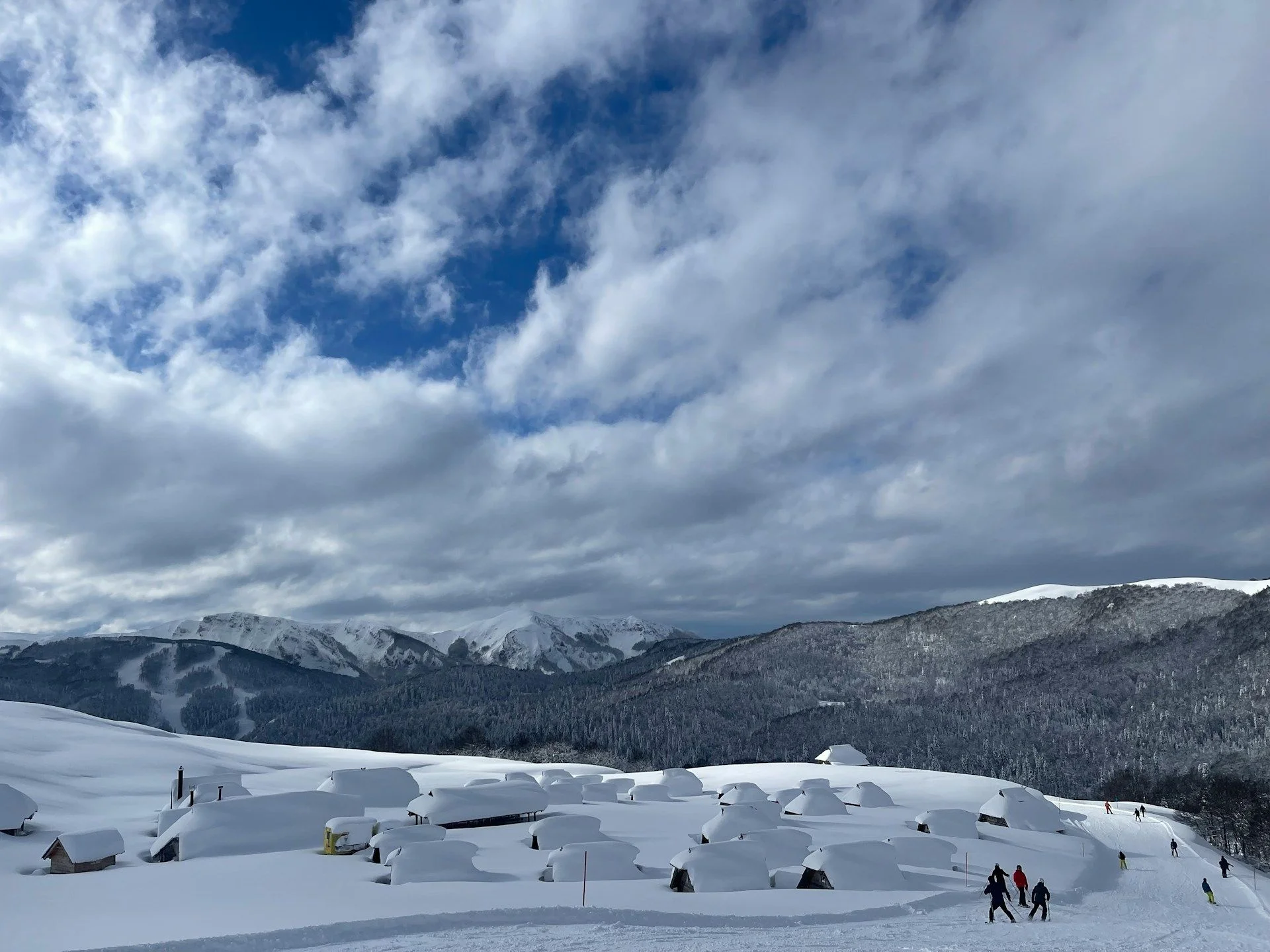
Kolasin demand is driven by mountain tourism, winter ski traffic and national park visitors, plus municipal services and local retail; this yields a mix of seasonal short-term leases and stable public or service-sector tenants
Relevant asset types
Hospitality and aparthotel conversions dominate, supported by high street retail, small offices for regional services and mixed-use developments; strategies include core long-term leases for public tenants and value-add repositioning for guesthouses and retail units
Selection and screening
VelesClub Int. experts define strategy, shortlist assets and run technical screening, including tenant quality checks, lease structure review, yield logic assessment, capex and fit-out assumptions, vacancy risk modelling and a tailored due diligence checklist
Local demand drivers
Kolasin demand is driven by mountain tourism, winter ski traffic and national park visitors, plus municipal services and local retail; this yields a mix of seasonal short-term leases and stable public or service-sector tenants
Relevant asset types
Hospitality and aparthotel conversions dominate, supported by high street retail, small offices for regional services and mixed-use developments; strategies include core long-term leases for public tenants and value-add repositioning for guesthouses and retail units
Selection and screening
VelesClub Int. experts define strategy, shortlist assets and run technical screening, including tenant quality checks, lease structure review, yield logic assessment, capex and fit-out assumptions, vacancy risk modelling and a tailored due diligence checklist








Useful articles
and recommendations from experts
Practical commercial property in Kolasin market overview
Why commercial property matters in Kolasin
Kolasin's local economy creates concentrated demand patterns that make commercial property a distinct asset class for investors and owner-occupiers. Seasonal tourism, a regional services base and public-sector employment combine to shape demand for hospitality, retail, and office space. Healthcare and education create predictable institutional demand for premises that can be leased on multi-year terms. Small manufacturing and light industrial activities generate requirements for warehousing and last-mile storage. Buyers in Kolasin include local businesses seeking owner-occupied premises, private investors seeking rental income, and operators that manage hospitality and retail enterprises. Understanding these buyer types and the mix of demand they generate is central to assessing commercial real estate in Kolasin and the suitability of any given asset.
The commercial landscape – what is traded and leased
The commercial landscape in Kolasin comprises a mix of business streets, neighborhood retail strips, small office blocks, hotels and guesthouses, service-oriented units and logistics-oriented buildings. High street corridors and tourism cluster properties typically trade on the basis of footfall and seasonal turnover, while business parks and standalone warehouses are valued mainly on functional metrics such as clear ceiling heights, vehicle access and available loading. Lease-driven value is common where rental cash flow underpins the investor yield and where tenant covenants determine perceived risk. Asset-driven value increases where a property can be repositioned, densified, or converted to a different use within planning constraints. In Kolasin, the boundary between lease-driven and asset-driven value is often set by seasonal revenue concentration and the relative scarcity of modern industrial floorspace. Investors must therefore weigh short-term rental volatility against longer-term redevelopment or re-leasing opportunities.
Asset types that investors and buyers target in Kolasin
Retail space in Kolasin is primarily ground-floor units on commercial streets and small shopping parades that serve residents and tourists. Investors contrast high-street units with neighborhood retail: high-street units benefit from visibility and tourist traffic but carry higher rent expectations and turnover risk, while neighborhood retail benefits from stable local catchment but lower headline rents. Office space in Kolasin ranges from small professional suites to converted residential buildings used as administrative headquarters; the prime versus non-prime office logic hinges on accessibility, building services and the ability to attract multi-year tenants. Hospitality assets are significant in Kolasin due to seasonality; hotels and guesthouses are valued both as operating businesses and real estate, with investor focus on occupancy cycles and management quality. Restaurant and café premises require assessments of lease flexibility and fit-out amortization. Warehouse property in Kolasin tends to be light industrial or last-mile logistics units positioned near transport routes; e-commerce growth and supply chain adjustments increase demand for small-scale storage and cross-docking, which supports warehouse valuations. Mixed-use and revenue houses combine residential upstairs with commercial ground-floor tenancy, offering diversified income streams but requiring more complex management. Across these segments, serviced office concepts and short-term lets are emerging options where demand from remote workers and seasonal operators exists, though the scale remains limited and driven by local patterns.
Strategy selection – income, value-add, or owner-occupier
Choosing a commercial strategy in Kolasin depends on investor appetite for income stability, operational involvement, and exposure to seasonal cycles. An income-focused strategy emphasizes assets with stable leases, long-term tenants and predictable indexation mechanisms; retail and certain office leases can suit this strategy where tenant quality is proven. A value-add approach targets underutilized or dated buildings that can be refurbished, re-leased at higher rents or repositioned for alternative use; this can be effective in Kolasin where a property benefits from improved energy performance or a refit to appeal to visitor segments. Mixed-use optimization seeks to smooth cash flow by combining residential and commercial incomes, useful in areas with strong housing demand. Owner-occupiers buy to secure long-term operational control and avoid landlord risk, typically in trades, hospitality or service sectors. Local factors that push one strategy over another include the amplitude of tourism seasonality, tenant churn norms in retail corridors, the regulatory environment for change of use, and the availability of professional property management to handle peak seasons and short-term lets.
Areas and districts – where commercial demand concentrates in Kolasin
Commercial demand in Kolasin clusters in several predictable area types. Central business corridors and main streets concentrate administrative functions, professional services and retail that serve both residents and visitors. Emerging business areas on the periphery attract small light-industrial users and logistics solutions that require vehicle access. Transport nodes and routes that link Kolasin to regional markets concentrate last-mile warehouse and distribution activity. Tourism corridors and zones near visitor accommodation create concentrated demand for hospitality assets and seasonal retail. Residential catchment areas with higher incomes support neighborhood retail and service-oriented office uses. When assessing location, investors should compare centrality and visibility against rental levels and the risk of oversupply in narrow tourism submarkets. Rather than relying on named districts, use a framework that maps pedestrian and vehicle flows, institutional anchors, and planning permissions to identify where demand is likely to remain resilient.
Deal structure – leases, due diligence, and operating risks
Deal evaluation in Kolasin must prioritize lease terms and operational risks. Key lease elements to review include lease length and renewal rights, break options, indexation clauses tied to inflation or agreed indices, rent review mechanisms, service charge apportionments and fit-out responsibilities. Vacancy and reletting risk are especially relevant for properties exposed to seasonal demand; short office or retail openings increase transactional churn and re-letting costs. Capex planning should account for building systems, energy efficiency upgrades and compliance with health and safety requirements. Due diligence typically covers physical condition surveys, verification of title, consistency of leases with use permissions and confirmation of utility servicing. Financial due diligence should examine historic operating statements, vacancy history and tenant concentration to model downside scenarios. Operational risks in Kolasin include seasonality-driven cash flow swings, concentrated tenant profiles in tourism-related sectors and potential restrictions on change of use that affect repositioning plans. Structured diligence and realistic capex contingency are essential to control these risks.
Pricing logic and exit options in Kolasin
Pricing in Kolasin is driven by a combination of location, tenant mix and building condition. Footfall and accessibility command a premium for retail and hospitality units, while lease length and tenant covenant strength are primary determinants for investor pricing in lease-backed assets. Building quality, structural flexibility and the level of deferred maintenance influence required yield adjustments. Alternative use potential—such as converting underperforming commercial floors to residential or serviced accommodation—can support higher valuations where planning allows. Exit options include holding to capture rental growth and refinance when yields compress, re-leasing to stabilize income before sale, or repositioning through refurbishment and then marketing the upgraded asset. The practical exit choice depends on market liquidity, the investor's time horizon and local demand cycles in Kolasin. Investors should plan exits that are consistent with the chosen risk profile and account for seasonality when timing market exposure.
How VelesClub Int. helps with commercial property in Kolasin
VelesClub Int. supports clients through a structured process tailored to Kolasin’s market dynamics. The engagement begins by clarifying investment objectives and operational capabilities, which guides sector focus and acceptable risk levels. VelesClub Int. defines target segments and area types, then shortlists assets based on lease profile, tenant concentration, and physical condition relative to the intended strategy. The firm coordinates due diligence workflows, aligning physical surveys, financial reviews and permitting checks to reveal hidden costs and timing risks. VelesClub Int. also assists with negotiation strategy and transaction sequencing, coordinating specialist advisors without providing legal advice, to help move offers to exchange and closing efficiently. The selection process is adapted to buyer goals whether the aim is to buy commercial property in Kolasin for owner occupation, income generation or value-add repositioning.
Conclusion – choosing the right commercial strategy in Kolasin
Choosing the right commercial strategy in Kolasin requires aligning asset type, area characteristics and lease structure with an investor's cash flow needs and operational capacity. Income strategies favor long leases and tenant quality, value-add approaches require realistic capex and permitted use flexibility, and owner-occupier purchases prioritize functional fit and control. Throughout analysis, attention to seasonality, tenant concentration and re-letting risk will determine appropriate pricing and exit planning. For a focused assessment and asset screening tailored to your objectives, consult VelesClub Int. experts who can review options, prioritize those that meet your criteria and coordinate the necessary diligence to support informed acquisition decisions.