
Commercial real estate brokers in FontvieilleCommercial support across key districts
Best offers
in Monaco
Benefits of investing in commercial real estate in Fontvieille


Marina and service demand
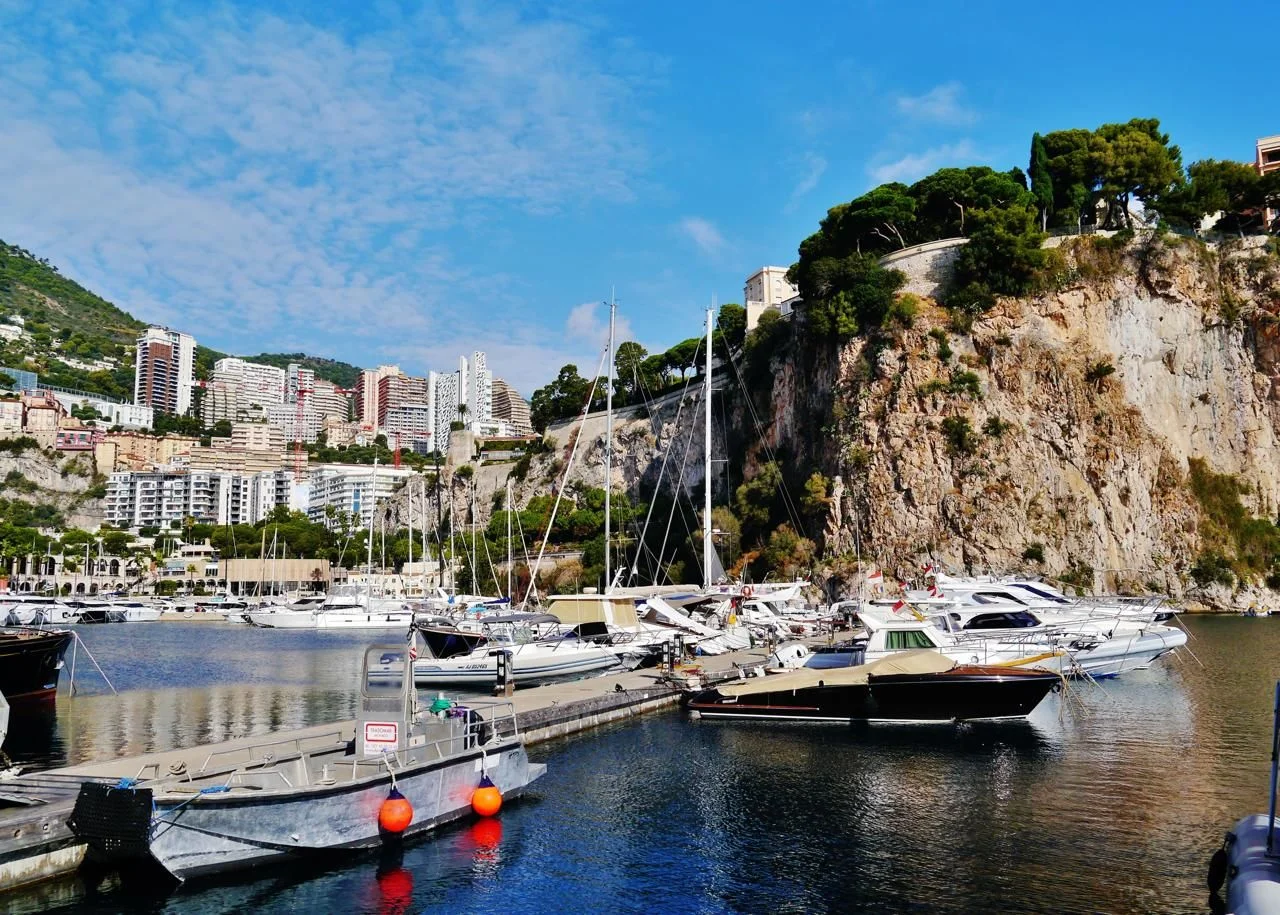
Concentration of marina services, luxury retail and professional offices in Fontvieille supports demand from yachting, tourism and local corporate services, implying a mix of seasonally driven retail leases and stable medium-term professional lease profiles
Retail, office and marina
Luxury waterfront retail, marina support services, small-format offices and boutique hospitality dominate Fontvieille, guiding strategies from core long-term leases for professional tenants to value-add repositioning and mixed-use conversion, with single-tenant and multi-tenant options considered
Bespoke screening for Fontvieille
VelesClub Int. experts define strategy, shortlist Fontvieille assets and run structured screening including tenant quality checks, lease structure review, yield logic, capex and fit-out assumptions, vacancy risk assessment and a tailored due diligence checklist
Marina and service demand
Concentration of marina services, luxury retail and professional offices in Fontvieille supports demand from yachting, tourism and local corporate services, implying a mix of seasonally driven retail leases and stable medium-term professional lease profiles
Retail, office and marina
Luxury waterfront retail, marina support services, small-format offices and boutique hospitality dominate Fontvieille, guiding strategies from core long-term leases for professional tenants to value-add repositioning and mixed-use conversion, with single-tenant and multi-tenant options considered
Bespoke screening for Fontvieille
VelesClub Int. experts define strategy, shortlist Fontvieille assets and run structured screening including tenant quality checks, lease structure review, yield logic, capex and fit-out assumptions, vacancy risk assessment and a tailored due diligence checklist








Useful articles
and recommendations from experts
Market overview: commercial property in Fontvieille
Why commercial property matters in Fontvieille
Commercial property in Fontvieille functions as a practical barometer of the local economy because it concentrates workplace capacity, visitor-facing retail, and light logistics that support broader activity. Demand in Fontvieille is driven by a mixture of service-sector offices, tourist-oriented hospitality, specialty retail and street-level food and beverage operations, plus a measurable component of warehousing and small-scale industrial activity tied to local distribution. Buyers range from owner-occupiers seeking customized office space to yield-focused investors acquiring stabilized leased assets and operators looking for sites they can brand and operate directly. The presence of tourism seasonality, short-stay visitor flows and a local resident base creates distinct demand cycles for hospitality and retail, while professional services and small corporate tenants sustain core daytime office occupancy. These sectoral patterns shape lease lengths, tenant expectations and capital expenditure requirements for investors active in Fontvieille.
The commercial landscape – what is traded and leased
The traded and leased inventory in Fontvieille typically includes compact business districts with mid-rise office buildings, high-street retail that serves both residents and visitors, neighborhood retail strips embedded in residential blocks, and logistics or business-park style sites on the urban fringe. Tourism clusters concentrate hospitality and short-term commercial lettings, producing lease formats that can be more seasonal and operator-dependent. Value in Fontvieille can be lease-driven where long, indexed contracts with credit tenants underpin pricing, or asset-driven where redevelopment potential, restrictive supply and superior location characteristics command premiums. Lease-driven value is common in core retail and prime office locations where tenant covenants and contract length dominate investor underwriting. Asset-driven value appears where repositioning, change of use or improved operational management can materially increase net operating income or reduce vacancy. Understanding which dynamic prevails at a given asset is a first-order task for anyone assessing commercial real estate in Fontvieille.
Asset types that investors and buyers target in Fontvieille
Investors and buyers in Fontvieille focus on several repeatable asset types. Retail space in Fontvieille attracts attention where pedestrian exposure and mixed local-tourist demand intersect; investment logic differentiates high-street locations with premium rents from neighborhood retail serving steady local catchments. Office space in Fontvieille covers small-to-medium floorplates used by professional services, creative firms and regional back-offices; prime offices command longer leases and lower vacancy risk while secondary offices require active management or refurbishment to compete. Hospitality assets are required where visitor numbers support short-stay accommodation and food-beverage operations, with investor emphasis on operator quality and seasonal demand management. Restaurant, cafe and bar premises are usually leased to specialized operators and require scrutiny of fit-out amortization and trading covenants. Warehouse property in Fontvieille tends to be smaller-format logistics and light industrial units that serve last-mile distribution and local supply chains; e-commerce trends drive higher demand for flexible, well-served warehouse layouts. Mixed-use assets and revenue houses that combine ground-floor commercial with upper-floor residential provide diversification but require integrated management of different lease regimes. Comparatively, high-street retail will trade on footfall and visibility metrics, neighborhood retail on resident density and repeat spend, prime office on tenant covenant and accessibility, and serviced or flexible office solutions on short-lead demand and turnover patterns relevant to Fontvieille’s business base.
Strategy selection – income, value-add, or owner-occupier
Choosing a commercial strategy in Fontvieille depends on objectives, capital capacity and tolerance for operational involvement. An income-focused strategy targets stabilized assets with secure leases and minimal near-term capital needs; in Fontvieille this often means established retail or office buildings with multi-year indexed leases to experienced operators. A value-add strategy aims to acquire assets that require refurbishment, reconfiguration or lease restructuring; where supply constraints or rising rents exist in Fontvieille, repositioning an underperforming office or converting part of a building to higher-yield retail or hospitality use can create uplift, subject to planning and compliance considerations. Mixed-use optimization seeks to improve asset cashflows by rebalancing uses within a single property, for example improving ground-floor retail performance to support upper-floor office or residential yields. Owner-occupier purchases prioritize operational fit and long-term cost certainty; local businesses may prefer to own office space to capture appreciation and control fit-out standards. Local factors in Fontvieille that influence strategy selection include the business cycle sensitivity of the tenant base, typical tenant churn rates in retail and office segments, seasonality of visitor-driven demand, and the relative intensity of local planning and regulatory oversight. Each of these factors alters hold-period assumptions, exit planning and the scope of due diligence required.
Areas and districts – where commercial demand concentrates in Fontvieille
Assessing districts in Fontvieille should begin with a framework rather than a reliance on assumed neighborhood names. Demand concentrates in a compact central business area where office and professional services cluster, along primary pedestrian corridors and streets that concentrate retail and dining activity, and in tourism corridors that concentrate short-stay accommodation and leisure-oriented commercial leases. Emerging business areas and redevelopment nodes can offer lower entry pricing but entail higher repositioning risk. Transport nodes and commuter flows define accessibility and therefore the competitiveness of office and retail assets; proximity to main access routes increases demand for small logistics and last-mile warehouse property. Residential catchments create steady, weekday retail demand while tourism corridors produce strong but seasonal trading. Industrial access areas with direct loading and vehicle circulation are the logical locations for warehouse and light industrial assets. Investors should evaluate competition and oversupply risk by comparing pipeline additions or recent conversions against historical absorption; in a compact market like Fontvieille, limited new supply often supports rents, but concentrated supply additions in any district can depress short-term occupier demand and extend lease-up periods.
Deal structure – leases, due diligence, and operating risks
Deal structure for commercial assets in Fontvieille centers on lease terms, service charges and the allocation of fit-out responsibilities. Key lease elements to review include the remaining lease term, break options and notice periods, indexation mechanisms tied to local price measures, permitted uses, and tenant repair obligations. Due diligence should examine historic rent roll, tenant covenant strength, vacancy and reletting history, and service charge budgets and reserve levels. Operating risks include hidden capex needs such as building systems renewal, compliance-related works, and potential restrictions on use imposed by local regulation. Investors should stress-test vacancy and reletting risk against market absorption rates and typical marketing lead times in Fontvieille. Tenant concentration risk is material in a compact market; a single large tenant occupying a significant proportion of a building increases exposure to covenant failure or non-renewal. Practical due diligence steps focus on verifying lease documentation, analysing rent collection performance, reviewing recent operating statements, and commissioning technical surveys to estimate near-term capital requirements. While not legal advice, buyers should coordinate advisers to confirm that lease provisions align with the intended holding or repositioning strategy.
Pricing logic and exit options in Fontvieille
Pricing for commercial assets in Fontvieille is driven by a combination of location quality, tenant profile and physical condition. Location and footfall underpin retail pricing where visible pedestrian flows and visitor volumes translate to sustainable sales potential. Tenant quality and remaining lease length are critical for office and retail underwriting; longer leases to creditworthy tenants reduce perceived risk and often compress yield expectations. Building quality and foreseeable capex needs influence negotiation margins and expected holding costs. Alternative use potential, such as conversion of underused floors or repurposing to mixed-use, can provide a path to value uplift but is contingent on local planning allowance and technical feasibility. Exit options include a steady hold-and-refinance approach where stable cashflows are retained and leveraged, re-leasing followed by sale once income is stabilized, or repositioning and sale after capital works increase net operating income. In Fontvieille, the compact market size often favors active asset management to create liquidity at sale, while clearly defined lease-up plans and documented trading performance help attract investor interest at exit.
How VelesClub Int. helps with commercial property in Fontvieille
VelesClub Int. supports clients in Fontvieille through a structured engagement that begins with clarifying investment objectives and risk tolerance, then defining target segments and district priorities. The selection process uses both lease and asset filters to generate shortlists that reflect required income profiles and capex tolerances. VelesClub Int. coordinates due diligence workflows, arranging technical inspections, financial verification and market comparables to quantify vacancy and reletting assumptions. During negotiation and transaction stages, the firm assists in aligning commercial terms with the client’s exit strategy and operational capabilities, without providing legal advice. For owner-occupiers, VelesClub Int. evaluates fit-out and operational requirements alongside acquisition metrics. All recommendations are tailored to the client’s goals, whether the focus is acquiring stabilized income, executing a value-add repositioning or securing a strategic owner-occupied site in Fontvieille.
Conclusion – choosing the right commercial strategy in Fontvieille
Selecting the appropriate commercial strategy in Fontvieille requires matching asset type, district characteristics and lease mechanics to your investment horizon and operational capacity. Income-oriented buyers will prioritize long leases and tenant quality, value-add investors will target assets with clear repositioning potential and manageable capex, and owner-occupiers will emphasize functional fit and long-term cost control. Key considerations include local seasonality, tenant churn norms, and the balance of lease-driven versus asset-driven value in any target. If you are considering a move to buy commercial property in Fontvieille or to expand a portfolio of commercial real estate in Fontvieille, consult VelesClub Int. experts to define realistic targets, screen opportunities and coordinate due diligence and transaction steps. A measured, data-driven approach will help align market realities in Fontvieille with your strategic goals.