
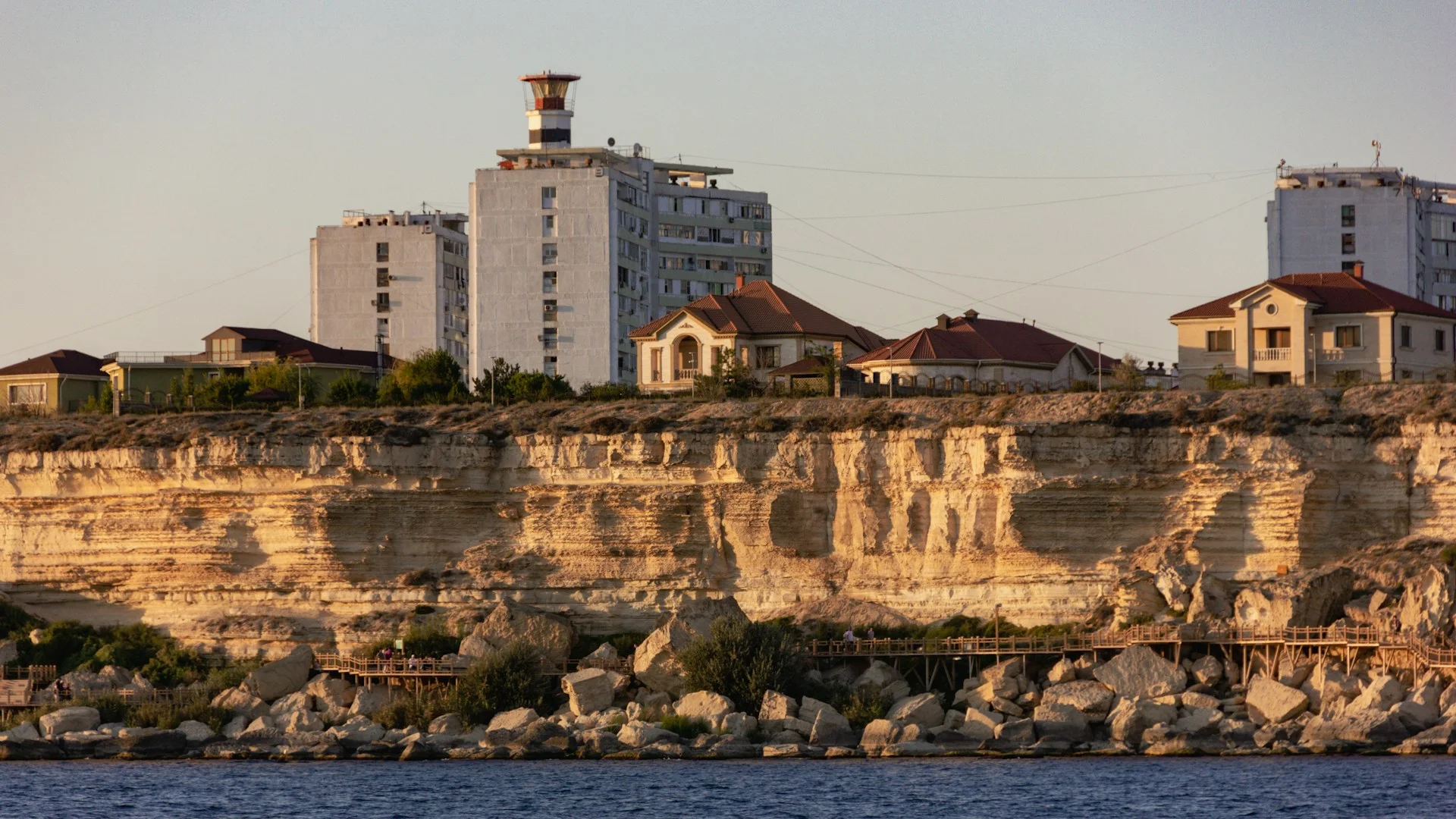
Commercial real estate for sale in AktauStrategic assets for city acquisition
Best offers
in Kazakhstan
Benefits of investing in commercial real estate in Aktau


Local demand drivers
Aktau's port and oil-related industry, growing logistics corridors, tourism and public sector presence drive demand for commercial space, implying a mix of stable long-term leases in industrial and public uses and retail lease profiles
Relevant asset types
In Aktau logistics warehouses, port-side industrial units, small service offices, waterfront hotels and neighborhood retail dominate, supporting strategies from core long-term leases in single-tenant industrials to value-add repositioning and multi-tenant retail or mixed-use conversions
Expert selection support
VelesClub Int. experts define strategy, shortlist Aktau assets and run screening with tenant quality checks, lease structure review, yield logic assessment, capex and fit-out assumptions, vacancy risk evaluation and a focused due diligence checklist
Local demand drivers
Aktau's port and oil-related industry, growing logistics corridors, tourism and public sector presence drive demand for commercial space, implying a mix of stable long-term leases in industrial and public uses and retail lease profiles
Relevant asset types
In Aktau logistics warehouses, port-side industrial units, small service offices, waterfront hotels and neighborhood retail dominate, supporting strategies from core long-term leases in single-tenant industrials to value-add repositioning and multi-tenant retail or mixed-use conversions
Expert selection support
VelesClub Int. experts define strategy, shortlist Aktau assets and run screening with tenant quality checks, lease structure review, yield logic assessment, capex and fit-out assumptions, vacancy risk evaluation and a focused due diligence checklist








Useful articles
and recommendations from experts
Practical commercial property guide for Aktau
Why commercial property matters in Aktau
Aktau's position on the Caspian coast and its role as the administrative and logistical center of the surrounding region create distinct and measurable demand for commercial space. Energy-related services, port activity, regional government functions and a growing services sector generate requirements for office space, specialized industrial premises and hospitality offerings. Retail space is driven by a mix of resident spending and seasonal visitor flows, while healthcare and education operators create steady demand for leased or owner-occupied facilities. Buyers in this market are a mix of owner-occupiers seeking premises for core operations, private investors targeting rental income, and operators that acquire or lease assets to run hotels, clinics or logistics services. Understanding how each sector links to Aktau's economic base is essential when assessing property economics and tenant stability.
Demand patterns in Aktau are shaped by commodity-linked service firms, regional administration, and transport corridors. This profile favors commercial property types that can adapt to shifts in corporate activity and trade volumes. For investors and buyers, the key metric is how a given asset captures sector-specific cash flow—whether through long-term office leases, short-cycle retail turnover, or logistics contracts tied to port throughput. VelesClub Int. frames these dynamics for clients as part of a structured market analysis rather than as speculative commentary.
The commercial landscape – what is traded and leased
The commercial landscape in Aktau consists of several discrete stock types. Central business districts contain office buildings and professional services space that command higher rents when occupied by firms with stable credit. High street corridors and neighborhood retail capture daily spend and convenience demand, while business parks and light industrial zones host small manufacturing, maintenance and logistics providers. Logistics clusters near transport nodes support warehousing and last-mile distribution; tourism clusters close to waterfront areas support hospitality and short-term rental operations. Lease-driven value is common where tenant income and contract terms determine asset worth; asset-driven value applies where property characteristics—land position, redevelopment potential, or structural improvements—allow owners to extract value independent of current tenancy.
In practice, many Aktau assets combine elements of both: an office building whose immediate rental income matters to investors, but whose land position also makes it a candidate for densification or repurposing over time. Differentiating these value drivers is a core part of underwriting commercial real estate in Aktau and informs whether acquisition should prioritize yield, capital appreciation potential, or operational control.
Asset types that investors and buyers target in Aktau
Retail space in Aktau ranges from high street shops that benefit from pedestrian catchments to neighborhood retail serving daily needs. High street versus neighborhood retail logic differs: high street locations rely on visible footfall and tourist flows and command premium rents, while neighborhood units trade on repeat local demand and lower vacancy risk. Office space in Aktau is typically segmented into prime central offices with professional tenants and secondary stock occupied by small local businesses; premium office rents require higher specification and longer leases, while secondary offices present value-add opportunities through refurbishment or re-leasing.
Hospitality remains a targeted segment where investor returns are sensitive to seasonality and tourism cycles. Restaurant, cafe and bar premises often trade on visibility and kitchen fit-out quality; lease terms for these uses frequently include specific fit-out obligations and shorter initial terms. Warehouses and light industrial properties serve the region's logistics and service economy; warehouse property in Aktau must be evaluated for ceiling height, bay depth and access to transport nodes. Revenue houses and mixed-use assets combine residential income with ground-floor commercial leases and are an option for investors seeking diversification of cash flows. Serviced office demand exists on a smaller scale but can be an efficient way to capture flexible occupier demand in a city with fluctuating corporate activity.
Strategy selection – income, value-add, or owner-occupier
Investors in Aktau commonly choose among income, value-add and owner-occupier strategies. Income-focused acquisitions prioritize stable, index-linked leases with strong covenant tenants and low vacancy risk. This approach suits buyers seeking predictable cash flow and lower management intensity. Local factors that support income strategies include a concentration of government or long-established service-sector tenants and predictable seasonality.
Value-add strategies involve refurbishment, re-leasing or repositioning—for example upgrading office specification to attract higher-quality tenants or converting underused retail frontage to more profitable formats. Aktau-specific drivers for value-add include pockets of older stock with structural or aesthetic deficits and a moderate pipeline of development that keeps acquisition prices within reach. Value-add carries trade-level risks tied to tenant churn norms and the time needed to execute upgrades.
Owner-occupier purchases are common for firms seeking operational certainty—companies in energy services or logistics may prefer to control premises to manage specific fit-out and operational needs. In Aktau, owner-occupier logic is influenced by business cycle sensitivity in core sectors and the long-term cost comparison between leasing and owning given local market rental levels. Mixed-use optimization is an additional route where owners blend residential and commercial income to smooth seasonality and diversify risk.
Areas and districts – where commercial demand concentrates in Aktau
Commercial demand in Aktau concentrates in a few identifiable area types rather than in named neighborhoods. Central business areas attract professional services, financial administration and higher-spec office tenants. Emerging business corridors near major roads and transport nodes draw logistics, light industrial and business park development because of access to region-wide routes. Waterfront and tourism corridors generate demand for hospitality and visitor-oriented retail during peak seasons, while residential catchment areas support neighborhood retail and service businesses year-round. Industrial access corridors and last-mile routes near port access points are critical for warehouse property in Aktau and for businesses with frequent freight movements.
When comparing districts, prioritize catchment logic and transport connectivity: CBD-style areas deliver tenant visibility and professional occupiers, while transport-adjacent zones offer operational advantages for logistics and warehousing. Evaluate competition and oversupply risk by observing development activity along these corridors and the presence of vacant space. VelesClub Int. advises clients to quantify commuter flows, truck access and visitor seasonality as part of district selection rather than relying on anecdotal impressions.
Deal structure – leases, due diligence, and operating risks
Key elements of deal structure in Aktau include lease term, break options, indexation mechanisms, service charges and fit-out responsibilities. Buyers typically review the remaining lease tenor and any tenant break rights because these directly affect vacancy and reletting risk. Indexation clauses that tie rent to inflation or a price index influence income stability; understanding how common indexation is in local contracts helps forecast cash flow. Service charges and maintenance obligations determine operating cost exposure, while fit-out responsibilities define immediate capex needs on turnover.
Due diligence should cover tenancy schedules, rent roll verification, physical condition surveys and compliance checks. Operational risks in Aktau include tenant concentration—where a small number of tenants account for the majority of income—seasonal variability for retail and hospitality assets, and capex requirements for aging stock. Compliance costs and mandatory works must be budgeted as part of capex planning. VelesClub Int. supports a methodical due diligence workflow that prioritizes lease verification, confirmation of landlord obligations, and a pragmatic capex reserve assessment without giving legal advice.
Pricing logic and exit options in Aktau
Pricing in Aktau is driven by location and footfall, tenant quality and lease length, building specification and required capex, and by alternative use potential. A centrally located office with long-term leases will command a different investor profile compared with a peripheral logistics asset tied to port throughput. Buildings needing structural or systems upgrades typically price in the necessary capex; understanding immediate versus medium-term capital needs is essential to avoid underestimating total investment.
Exit options include holding to capture rental income and refinancing, re-leasing to stabilize income before sale, or repositioning the asset and exiting to a different buyer class. In Aktau, seasonality and market depth influence timing: assets dependent on tourist cycles may require longer marketing windows to reach the right buyer, while industrial properties near transport nodes can attract investor interest from regional logistics operators seeking capacity. VelesClub Int. frames exit scenarios in terms of likely buyer profiles and market windows rather than prescribing a single outcome.
How VelesClub Int. helps with commercial property in Aktau
VelesClub Int. assists clients through a structured advisory process tailored to Aktau's market dynamics. The process begins with clarifying investment objectives and constraints, then defining a target segment and district framework aligned with the client's risk appetite. We shortlist assets based on lease profile, tenant quality and capex requirements and conduct a preliminary underwriting that highlights vacancy risk, tenant concentration and repositioning potential. For selected assets we coordinate technical and financial due diligence, compile standardized data rooms and flag operating risks to inform negotiation strategy. VelesClub Int. supports transaction steps by coordinating valuation inputs and advising on commercial terms while leaving legal and regulatory compliance to the client’s counsel.
All recommendations are tailored to the client's goals and capabilities—whether the aim is to buy commercial property in Aktau for long-term income, pursue a value-add repositioning, or secure an owner-occupied site. Our role is to present comparative scenarios and risk-adjusted options so clients can make informed decisions in the local context.
Conclusion – choosing the right commercial strategy in Aktau
Selecting the appropriate commercial strategy in Aktau requires aligning sector demand, district characteristics and lease mechanics with investor objectives. Income-focused buyers should prioritize long leases and tenant quality; value-add investors need a clear execution plan for refurbishment and a realistic capex reserve; owner-occupiers must evaluate cost-to-occupy versus lease flexibility within the city’s business cycle. Assessing district types—central business areas, transport-linked corridors, tourism zones and residential catchments—helps narrow the opportunity set and manage oversupply risk. For a practical, market-aware asset screening and to refine strategy selection, consult VelesClub Int. experts who provide tailored analysis and support for commercial real estate in Aktau and the surrounding market.