
Commercial buildings for sale in VenetoVerified buildings for regional expansion
Best offers
in Veneto
Benefits of investing in commercial real estate in Veneto


Distributed Strength
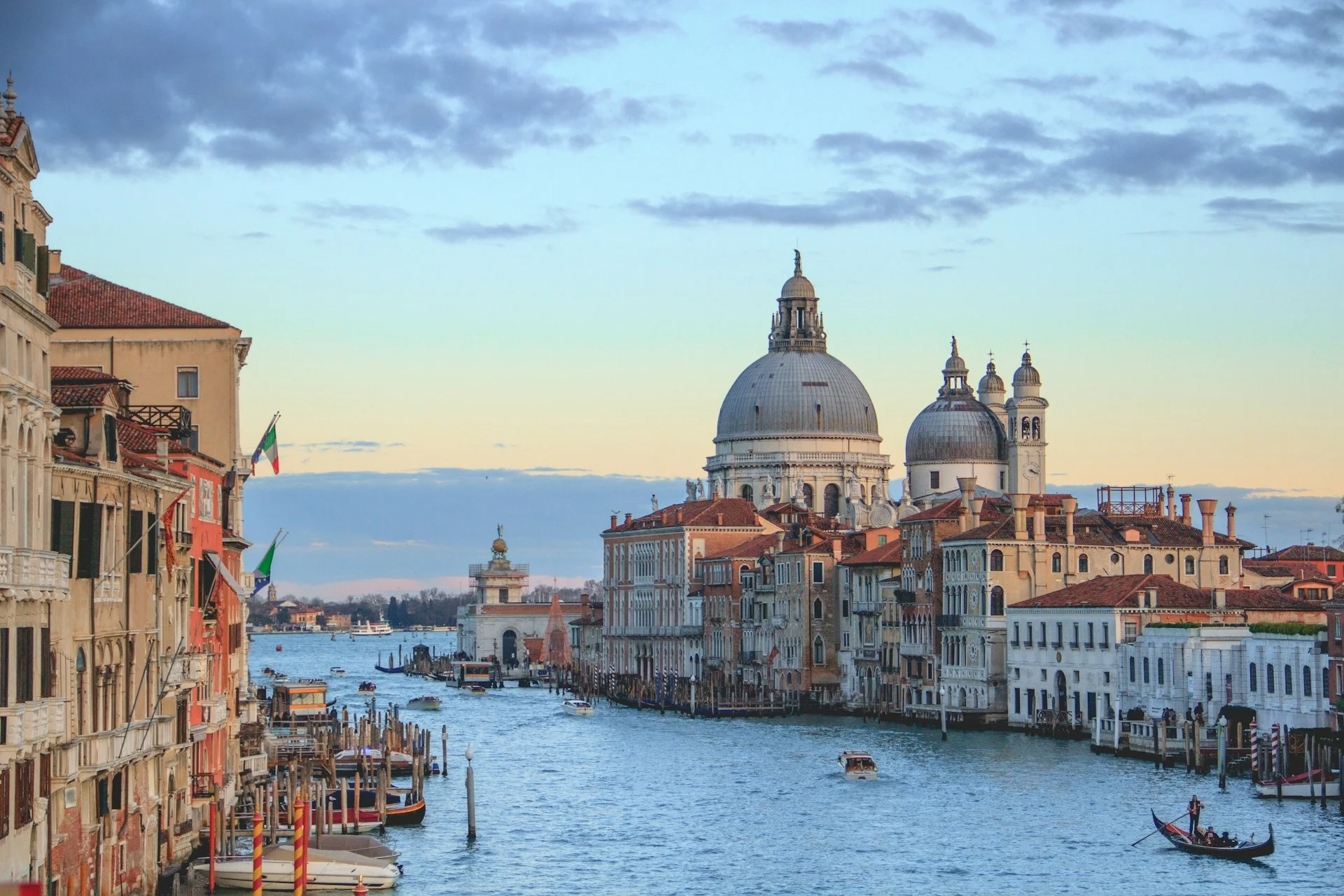
Veneto matters because Venice, Verona, Padua, Treviso, Vicenza, and the eastern corridor create several real commercial engines, giving the region office depth, logistics relevance, tourism income, and industrial occupancy inside one market
Provincial Roles
In Veneto, offices, mixed urban retail, logistics property, light industrial premises, hospitality assets, and roadside trade units all have a place, but each works only when matched to the right provincial demand system
Venice Trap
Veneto is often priced through Venice prestige alone, yet the sharper comparison is between metropolitan services, A4 logistics, export manufacturing, and lake or lagoon tourism, because similar assets can depend on completely different occupier depth
Distributed Strength
Veneto matters because Venice, Verona, Padua, Treviso, Vicenza, and the eastern corridor create several real commercial engines, giving the region office depth, logistics relevance, tourism income, and industrial occupancy inside one market
Provincial Roles
In Veneto, offices, mixed urban retail, logistics property, light industrial premises, hospitality assets, and roadside trade units all have a place, but each works only when matched to the right provincial demand system
Venice Trap
Veneto is often priced through Venice prestige alone, yet the sharper comparison is between metropolitan services, A4 logistics, export manufacturing, and lake or lagoon tourism, because similar assets can depend on completely different occupier depth








Useful articles
and recommendations from experts
Commercial property in Veneto across regional submarkets
Why commercial property in Veneto needs a wider regional reading
Commercial property in Veneto should not be read as a Venice story with a few provincial extensions. This region works through several linked commercial systems that overlap but do not behave in the same way. Venice gives Veneto global visibility, but Verona, Padua, Treviso, Vicenza, Mestre, the A4 corridor, the Adriatic coast, the Garda side, and the Belluno mountains all create different commercial roles. That is what makes the region commercially rich and also easy to misread.
The strongest regional reading starts with this distinction. Some parts of Veneto are office and service led. Some are industrial and logistics oriented. Some work through dense resident demand and local trade. Others are clearly hospitality driven. A buyer entering Verona is not entering the same market as one entering Venice, Padua, Vicenza, Jesolo, Cortina, or Rovigo. The asset label may stay the same, but the occupier base changes.
For that reason, buy commercial property in Veneto is usually less about choosing one region and more about choosing the right economic function inside the region. The better property is often the one that fits the surrounding business pattern, not simply the most recognizable location.
The Verona Padua Venice axis gives Veneto its dominant commercial core
The dominant demand cluster in Veneto is the broad urban and corridor economy that runs across the central and western provinces. Verona, Vicenza, Padua, Mestre, and Treviso support the region's deepest mix of services, trade, manufacturing support, education, healthcare, logistics, and business travel. This is the backbone of commercial real estate in Veneto because it produces year round occupancy that does not depend only on tourism.
Verona is especially important because it combines a large service economy with logistics relevance, trade fair activity, tourism, and a strategic position on the west east corridor. Padua adds education, administration, healthcare, professional services, and broad commercial density. Mestre and the mainland side of Venice contribute office, transport, and urban business demand that is commercially different from the historic city. Treviso and Vicenza strengthen the corridor through export oriented business culture, light industry, technical services, and local enterprise.
This gives Veneto a distributed rather than single core commercial structure. The region does not rely on one metropolitan center the way some larger regions do. Instead, it works through several medium and large urban nodes whose roles overlap without becoming identical.
Warehouse property in Veneto follows the corridor economy
Warehouse property in Veneto becomes most convincing when it is tied to the regional transport and production spine. The A4 axis, the Verona logistics role, the Padua distribution environment, the Vicenza and Treviso industrial belt, and the port and mainland system around Venice all help explain why logistics and operational assets matter here. Veneto is one of those regions where warehousing is not an afterthought. It belongs to a real manufacturing and movement geography.
Still, the region should not be reduced to a generic warehouse map. The stronger logistics asset is usually the one connected to actual freight movement, industrial support, or urban distribution rather than simply cheap land with road access. Verona and Padua are natural examples because they combine scale, infrastructure, and business use. The Venice mainland side adds port and intermodal relevance. Vicenza and Treviso can support operational property when it is closely linked to production and supply chains.
This is also why warehouse property in Veneto should be screened against surrounding industrial depth. A storage or service compound inside a functioning corridor usually has clearer occupier logic than a lower cost site outside the region's real movement system.
Office space in Veneto works through city role not regional image
Office space in Veneto is not evenly distributed. It is strongest in Verona, Padua, Mestre, Venice mainland districts, Treviso, and selected parts of Vicenza, where administration, education, consulting, healthcare, engineering, trade support, and regional services create stable weekday demand. These are not all prestige office markets, but they are real service markets with clear business use.
The more practical office formats often work better than monumental ones. Mixed service buildings, professional units, medical premises, upper floor offices above active ground floor uses, and owner occupier spaces often fit the region better than broad speculative office concepts. Veneto still has a strong culture of direct business use, and that changes what kind of office asset feels natural.
This is one reason VelesClub Int. can be useful in the region. On paper, many office assets in Veneto may look similar, but a service building in Padua, an office near Mestre, a technical premises in Vicenza, and a trade linked unit in Verona do not rely on the same occupier base. The city role matters more than the office label alone.
Venice and coastal Veneto reshape hospitality property
The secondary demand cluster in Veneto is hospitality and visitor spending, and it is powerful but highly selective. Venice remains the most visible tourism market in the region, but it is not the only one. The Adriatic coast around Jesolo, Caorle, and Bibione, the Garda side of Verona province, and the mountain destinations in Belluno all give Veneto meaningful hospitality depth beyond the lagoon.
This means hospitality property in Veneto is real, but it should never be treated as one uniform category. Venice works through international urban tourism and premium location pressure. The Adriatic coast is more seasonal and leisure driven. The Garda side mixes hospitality, dining, and affluent visitor services. Belluno and the Dolomite destinations introduce mountain stays, sports related demand, and alpine service retail. Each of these environments supports hospitality, yet the logic is different in each one.
The stronger hospitality asset is therefore not the one with the broadest tourism label. It is the one whose concept fits the exact visitor pattern of its submarket. A city based hospitality unit, a coastal leisure asset, and a mountain accommodation property should not be priced or screened as if they belong to one demand model.
Retail space in Veneto changes between resident demand and visitor spend
Retail space in Veneto also needs a regional reading. In the larger urban centers and their suburban belts, it often depends on repeat local consumption, office activity, education, healthcare, and neighborhood services. Food and beverage, pharmacies, convenience retail, service shops, showrooms, and mixed ground floor commercial units can all work when they sit inside strong catchments.
In tourism areas, retail behaves differently. Venice supports visitor led retail, food and beverage, and services tied to short stay demand. Coastal resorts depend more on seasonal intensity and leisure spending. The Garda and mountain zones may support destination dining, sports related retail, boutique hospitality linked trade, and second stay oriented services. This means a unit described simply as retail space in Veneto may belong to very different commercial systems depending on where it sits.
That is one of the most common comparison mistakes in the region. Buyers may compare an urban service retail unit with a tourist facing unit as if both rely on the same tenant logic. In practice, one is built on resident repetition while the other is built on visitor intensity and local seasonality.
Industrial Veneto still matters for practical commercial use
One of the strongest regional qualities of Veneto is that industrial and craft based business activity still shapes a large part of commercial demand. Vicenza and Treviso are especially important here, but the pattern extends more broadly through much of the central region. This supports light industrial buildings, trade compounds, technical service premises, owner occupier commercial units, and roadside operational property that would feel secondary in a pure office region.
Southern provinces such as Rovigo, and parts of the lower plain, bring another layer of practical use through agriculture linked industry, storage, transport support, and local service demand. These areas are usually less prestigious, but they can be commercially clear because the use case is easier to understand. The best property here is often the one that supports a real operating business rather than a broad investment narrative.
That practical depth is one of the reasons Veneto remains commercially flexible. It can support office and hospitality, but it also supports direct business use in a very grounded way. VelesClub Int. helps separate those layers so buyers do not confuse image value with actual commercial fit.
Pricing and selection in commercial real estate in Veneto
Pricing in commercial real estate in Veneto is shaped by regional role more than by simple provincial reputation. Venice can pull pricing through prestige and tourism intensity. Verona can justify value through logistics, services, and centrality. Padua often benefits from stable institutional and business demand. Vicenza and Treviso may price through industrial depth and enterprise density. Coastal and mountain areas may look attractive through hospitality visibility, but their commercial logic can be narrower and more seasonal.
This means similarly priced assets can carry very different resilience. A service office in Padua may offer more dependable weekday use than a tourism led retail unit. A warehouse near Verona or Padua may be easier to read than a scenic hospitality property with thinner occupier depth. A practical owner occupier premises in Vicenza may outperform a more decorative mixed use unit in a weaker submarket. In Veneto, the better comparison is almost always function against function, not city against city alone.
Questions that clarify commercial property in Veneto
Why does commercial property in Veneto feel more fragmented than in some other Italian regions?
Because Veneto combines a distributed urban corridor, strong manufacturing provinces, a major port and lagoon economy, coastal tourism, lake hospitality, and mountain destinations inside one region. Similar assets can therefore depend on completely different demand structures.
Is Veneto mainly a Venice led market?
No. Venice is the most visible part of the region, but Verona, Padua, Treviso, Vicenza, and the mainland corridor create much of the deeper year round business demand that supports offices, logistics, and direct commercial use.
Where does warehouse property in Veneto usually make the most sense?
Most often along the Verona Padua Venice mainland corridor and in industrial provinces where logistics, production, and distribution already support occupier demand. In these zones, warehouse use belongs to a real operating geography.
When does hospitality matter more than office or industrial logic in Veneto?
Mainly in Venice, the Adriatic resort belt, the Garda side, and the Belluno mountain destinations. In those places, guest flow and leisure spending shape asset value more strongly than weekday business occupancy.
What is the most common comparison mistake in Veneto?
Buyers often compare Venice prestige, corridor logistics, industrial owner occupier assets, and coastal hospitality through one pricing lens. The sharper method is to ask which economic function the surrounding territory already performs.
A clearer regional reading of Veneto with VelesClub Int.
Veneto makes the most sense when it is understood as a region of linked but different commercial engines. Venice anchors visibility and hospitality, Verona adds logistics and services, Padua strengthens institutional and business demand, Treviso and Vicenza reinforce industrial and technical occupancy, and the coast, Garda side, and Belluno mountains reshape hospitality value in selective ways. That layered structure is what gives the region real commercial depth.
With VelesClub Int., commercial property in Veneto can be assessed through regional role instead of surface reputation. That creates a calmer and more practical basis for comparing office, retail, warehouse, hospitality, and mixed commercial assets across a region where the best decision usually begins with one question: what kind of economic system already supports this property?