
Commercial real estate in PiraeusSelected assets for city growth
Best offers
in Attica
Benefits of investing in commercial real estate in Piraeus


Port driven demand
Commercial property demand in Piraeus is anchored by the port and maritime services, logistics corridors and cruise tourism, creating a mix of long-term industrial and office leases plus seasonal retail and hospitality lease profiles
Asset types and strategies
Common segments in Piraeus include port-adjacent logistics, industrial warehouses, shipping and maritime offices, high street retail near terminals and hospitality for cruise traffic, supporting core long-term leases, value-add repositioning and single- versus multi-tenant strategies
Selection and screening
VelesClub Int. experts define strategy, shortlist assets and run screening with tenant quality checks, lease structure review, yield logic assessment, capex and fit-out assumptions, vacancy risk analysis and a standardized due diligence checklist
Port driven demand
Commercial property demand in Piraeus is anchored by the port and maritime services, logistics corridors and cruise tourism, creating a mix of long-term industrial and office leases plus seasonal retail and hospitality lease profiles
Asset types and strategies
Common segments in Piraeus include port-adjacent logistics, industrial warehouses, shipping and maritime offices, high street retail near terminals and hospitality for cruise traffic, supporting core long-term leases, value-add repositioning and single- versus multi-tenant strategies
Selection and screening
VelesClub Int. experts define strategy, shortlist assets and run screening with tenant quality checks, lease structure review, yield logic assessment, capex and fit-out assumptions, vacancy risk analysis and a standardized due diligence checklist








Useful articles
and recommendations from experts
Navigating commercial property in Piraeus market
Why commercial property matters in Piraeus
Piraeus functions as a concentrated economic hub where port logistics, maritime services, tourism and local commerce converge. Demand for commercial property in Piraeus is driven by shipping and freight businesses needing offices and supporting services, retail operators serving both residents and visitors, hospitality operators linked to coastal tourism, and light industrial users requiring proximity to the port. Buyers in this market range from owner-occupiers seeking operational proximity to clients or docks, institutional and private investors seeking rental income or capital appreciation, and specialist operators who lease and manage assets. The mix of seasonal passenger flows, steady cargo throughput and urban catchment creates differentiated demand profiles across asset classes, making Piraeus a distinct submarket within wider regional commercial real estate dynamics.
The commercial landscape – what is traded and leased
The traded and leased stock in Piraeus spans central business district offices, main-street retail corridors, neighborhood retail clusters, hospitality properties close to maritime and leisure nodes, dedicated logistics zones and smaller business parks supporting marine services. Lease-driven value is common where tenant covenants, contract length and indexation dominate price formation, for example in long-standing retail or office leases near transport nodes. Asset-driven value predominates where repositioning, redevelopment potential or alternative use create upside, such as converting older mixed-use buildings or reconfiguring warehouse property in Piraeus for last-mile logistics. The balance between lease-driven and asset-driven value shifts with market liquidity, financing conditions and the relative scarcity of well-located waterfront-adjacent land.
Asset types that investors and buyers target in Piraeus
Retail space in Piraeus includes high-street units that benefit from pedestrian flows and tourism, and neighborhood retail that serves local catchments. Office space in Piraeus ranges from compact professional suites used by maritime and logistics firms to larger floorplates in the CBD occupied by professional services. Hospitality assets cover small hotels, guesthouses and branded operations concentrated near port and coastal access. Restaurant-cafe-bar premises are sought after in waterfront and high-footfall corridors but are exposed to seasonal demand. Warehouse property in Piraeus caters to freight consolidation, last-mile distribution and light industrial uses that require easy port access. Revenue houses and mixed-use properties appear where ground-floor retail and upper-floor residential or office units provide diversified income. Comparatively, high-street retail commands premium rents but higher tenant turnover and fit-out expectations, while neighborhood retail offers lower yields but steadier occupancy. Prime office logic centres on proximity to transport nodes and client clusters, non-prime offices are more cost-sensitive and depend on flexible lease terms. Serviced offices and flexible space operators can be relevant where small maritime firms or startups require short-term footprints. E-commerce and supply-chain shifts increase demand for smaller, well-located logistics units rather than only large deep-storage warehouses.
Strategy selection – income, value-add, or owner-occupier
Income-focused strategies prioritize stable leases, long lease terms and strong tenant covenants. In Piraeus this is often applied to assets leased to shipping-related professional services or established retail operators where indexation and contract security reduce short-term volatility. Value-add strategies pursue refurbishment, reconfiguration or re-leasing to capture uplift; in Piraeus candidates include older mixed-use buildings near the port, redundant industrial buildings that can be repurposed for logistics, or retail units that can be consolidated. Mixed-use optimization combines stabilized income with upside through repositioning parts of a building for alternative uses. Owner-occupier purchases are driven by operational needs — companies that prefer control over location and custom fit-out often acquire premises close to port infrastructure. Local factors in Piraeus that influence these choices include seasonality from passenger and tourist cycles, tenant churn norms in retail and hospitality, and regulation intensity affecting construction and change of use. Investors must weigh sensitivity to cyclical trade volumes and tourism flows when selecting a strategy.
Areas and districts – where commercial demand concentrates in Piraeus
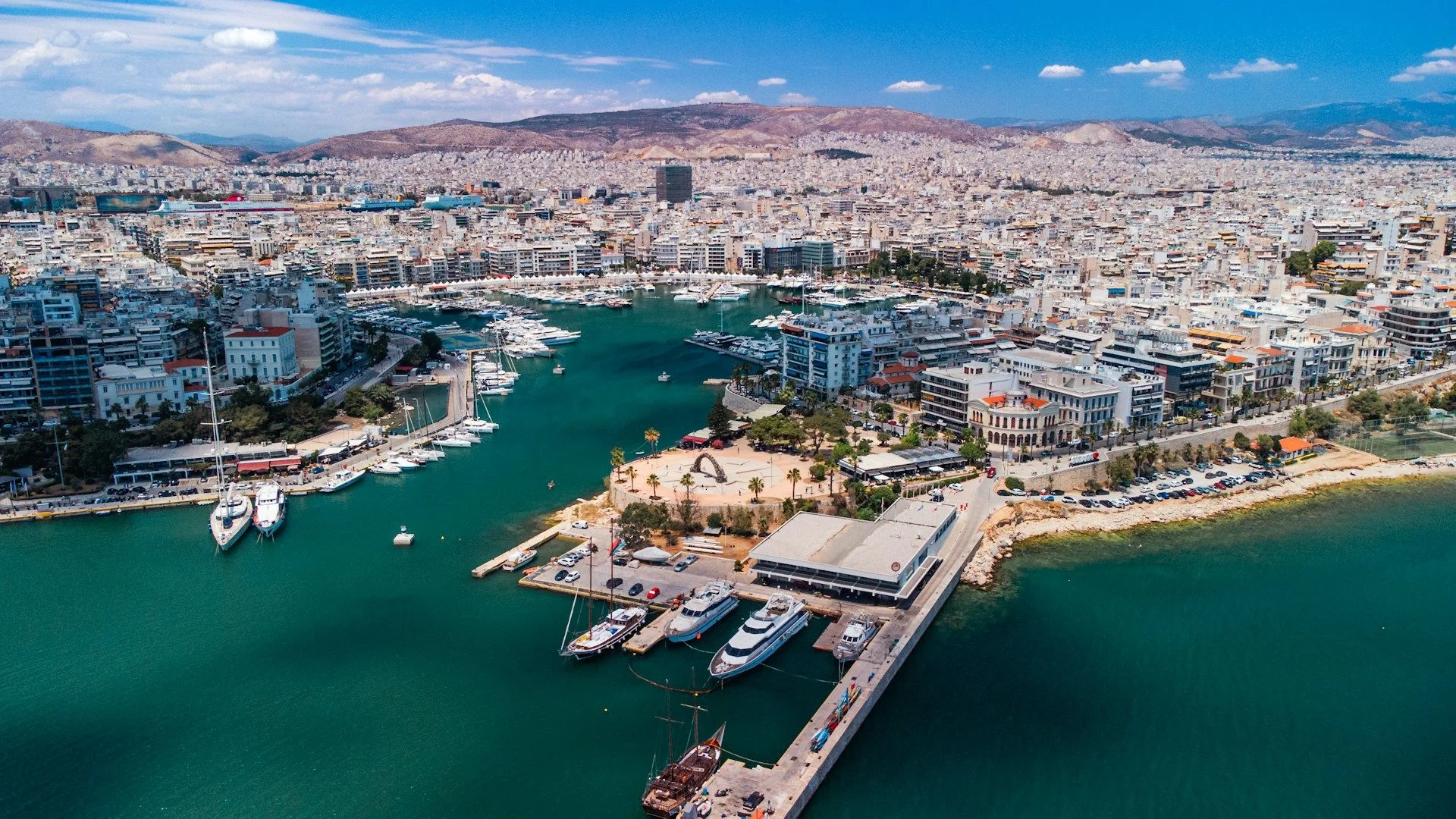
Demand concentrates in several identifiable area types within Piraeus. The central business district around the main transport interchange supports compact office and professional services space; this area benefits from commuter flows and proximity to administrative services. Waterfront and promenade corridors, including the well-trafficked harborfront zones, concentrate hospitality and retail demand where passenger traffic is significant. Traditional neighborhoods with established local commerce focus on neighborhood retail and small service-oriented offices. Industrial and logistics demand is strongest in districts with port access and road connectivity to main highways, where warehouse and light industrial units cluster. Emerging pockets near transport nodes can attract serviced office operators and quick-service retail. Examples of real, recognizable areas that illustrate these types include the city centre around the primary port terminals, the Pasalimani/Mikrolimano waterfront precinct with leisure and hospitality concentration, the residential-commercial slopes such as Kastella with local retail, and the riverside and industrial zones in Drapetsona and Keratsini that serve logistics and light manufacturing. When assessing any area in Piraeus, consider commuter flows, freight access, tourism seasonality and local supply pipelines for new commercial stock.
Deal structure – leases, due diligence, and operating risks
Typical buyer review covers lease terms, tenant covenant strength, remaining lease term, break options and indexation clauses. Service charge arrangements, responsibility for fit-out and common area maintenance, and any caps on landlord obligations materially affect net operating income. Vacancy and reletting risk are central in Piraeus markets where tourism-driven tenants may be seasonal and logistics tenants might require bespoke space. Due diligence should include physical condition surveys, building code and planning compliance checks, confirmation of permitted uses and any restrictions that could limit repositioning, and a realistic capex plan for building systems and façade work. Operating risks also include tenant concentration risk, where a small number of tenants account for a large share of rent, and market rent volatility driven by seasonal passenger throughput or broader trade cycles. Environmental and port-adjacent considerations require technical assessment of ground conditions and any legacy industrial contamination. Buyers commonly quantify short-term cashflow sensitivity and medium-term capex needs rather than rely solely on headline income figures.
Pricing logic and exit options in Piraeus
Pricing drivers in Piraeus include location and footfall, tenant quality and lease term length, building condition and capex requirements, and alternative use potential when regulatory frameworks permit reclassification. Waterfront proximity and transport node access typically support higher pricing due to persistent demand from hospitality and office tenants; conversely, properties with high capex or limited flexibility trade at discounts. Exit options often reflect the chosen strategy: hold and refinance when income is stable and the asset requires minimal active management; re-lease and then exit after improving tenant mix and extending lease terms; or reposition and then sell to a buyer focused on realized uplift. Alternatives such as converting upper floors between residential and commercial use depend on zoning and planning allowances and should be evaluated during initial underwriting. Pricing should be stress-tested against vacancy scenarios and capex timing to ensure exit assumptions are realistic in Piraeus’s market cycles.
How VelesClub Int. helps with commercial property in Piraeus
VelesClub Int. supports clients through a structured process that begins with clarifying investment or operational objectives and an assessment of appetite for income versus active repositioning. The firm helps define target segments and district priorities within Piraeus, then shortlists assets based on lease profile, tenant risk, and capex exposure. VelesClub Int. coordinates technical and financial screening, organizes site due diligence and helps identify material risks that affect valuation, without providing legal advice. The team assists in preparing negotiation strategies, aligning timing for inspections and documentation review, and liaising with local advisors to ensure that acquisition steps proceed efficiently. Selection and recommendations are tailored to the client’s goals and capabilities, whether the priority is to buy commercial property in Piraeus for operational use, to acquire warehouse property in Piraeus for logistics, or to assemble a retail-led portfolio.
Conclusion – choosing the right commercial strategy in Piraeus
Selecting the right commercial strategy in Piraeus requires matching asset type to the investor’s time horizon, risk tolerance and operational requirements. Income-focused acquisitions favour long leases and tenant stability, value-add plays require detailed capex and regulatory analysis, and owner-occupier purchases prioritize functional location and control. Pricing and exit planning should reflect local drivers such as port activity, tourism seasonality and supply dynamics. For a pragmatic assessment and asset screening tailored to your objectives, consult VelesClub Int. experts who can help prioritize opportunities, coordinate due diligence and prepare transaction-ready recommendations for commercial real estate in Piraeus.