
Commercial space for sale in StrasbourgSelected premises for city growth
Best offers
in Grand Est
Benefits of investing in commercial real estate in Strasbourg


Local demand drivers
Strasbourg's demand is driven by a large public sector and European institutional presence, university and healthcare clusters, Rhine logistics and tourism, creating a mix of stable long-term institutional leases and seasonal retail and logistics contracts
Asset types and strategies
High-street retail on Grande Ile, office corridors near the European district, logistics by the Rhine port and university-area mixed-use dominate, supporting core long leases, value-add repositioning, single- versus multi-tenant choices and hospitality conversions
Expert selection support
VelesClub Int. experts define strategy, create shortlists and run asset screening including tenant quality checks, lease structure review, yield logic, capex and fit-out assumptions, vacancy risk assessment and a structured due diligence checklist
Local demand drivers
Strasbourg's demand is driven by a large public sector and European institutional presence, university and healthcare clusters, Rhine logistics and tourism, creating a mix of stable long-term institutional leases and seasonal retail and logistics contracts
Asset types and strategies
High-street retail on Grande Ile, office corridors near the European district, logistics by the Rhine port and university-area mixed-use dominate, supporting core long leases, value-add repositioning, single- versus multi-tenant choices and hospitality conversions
Expert selection support
VelesClub Int. experts define strategy, create shortlists and run asset screening including tenant quality checks, lease structure review, yield logic, capex and fit-out assumptions, vacancy risk assessment and a structured due diligence checklist








Useful articles
and recommendations from experts
Commercial property market overview in Strasbourg
Why commercial property matters in Strasbourg
Strasbourg’s economy creates concentrated demand for commercial property in Strasbourg through a blend of public administration, cross-border trade, professional services and a moderate but reliable tourism sector. The presence of international institutions and a dense regional administration base elevates demand for office space and meeting facilities, while local retail and hospitality sectors serve both residents and visitors. Industrial and logistics demand is shaped by Rhine river connectivity and cross-border supply chains, generating consistent interest in warehouse property near major transport arteries. Buyers in this market include owner-occupiers seeking long-term operational locations, institutional and private investors allocating to commercial real estate in Strasbourg for income and diversification, and operators who acquire or lease assets for hospitality, healthcare or specialised services. The mix of buyer types influences transaction structures, lease lengths and refurbishment expectations across asset classes.
The commercial landscape – what is traded and leased
The traded stock in Strasbourg ranges from central business district offices and historic high street retail to business parks and last-mile logistics sites on the city periphery. Central corridors concentrate higher-value office and retail leases that are primarily lease-driven in value: rental level, tenant covenant and lease length determine market pricing. In contrast, non-prime or older assets reflect more asset-driven value where refurbishment potential, change of use or capex plans shift investor pricing. Hospitality offerings and short-term accommodation are influenced by tourism cycles and conference calendars, making lease flexibility and operational competence key. Industrial and warehousing space tends to trade on functional characteristics such as clear height, yard access and proximity to motorway links, aligning demand with e-commerce and regional distribution patterns. Across segments there is a clear split between assets valued for immediate income under existing leases and assets valued for repositioning or alternative use potential.
Asset types that investors and buyers target in Strasbourg
Investors and buyers focus on a limited set of core asset types in Strasbourg. Office space in Strasbourg attracts both long-leased single-tenant investments and multi-let buildings serving professional services and public sector demand. The prime versus non-prime office logic is straightforward: central, energy-efficient and well-served buildings command stronger rents and longer lease profiles; secondary offices compete on price and potential for refit or consolidation. Retail space in Strasbourg varies from tourist-oriented high streets to neighbourhood convenience retail; high street locations rely on footfall and tourist volume, while neighbourhood units are driven by resident density and service needs. Hospitality assets are evaluated on occupancy seasonality, events demand and operational margins rather than on raw square metre comparisons. Restaurant and cafe premises require analysis of ventilation, extraction and local licences, which directly affect repositioning possibilities. Warehouse and light industrial properties are assessed for access to arterial routes, docking configurations and e-commerce suitability; warehouse property in Strasbourg is valued for last-mile efficiency and low vacancy in supply-constrained pockets. Revenue houses and mixed-use assets are often targeted for blended income strategies where ground-floor commercial leases supplement residential cashflow, while serviced offices and coworking spaces are considered where there is a concentration of start-ups, legal and consulting firms seeking flexible space.
Strategy selection – income, value-add, or owner-occupier
Choice of strategy in Strasbourg is driven by investor objectives and local market dynamics. An income-focused approach targets assets with stable, long leases to public or corporate tenants and low vacancy risk; these tend to be central offices or long-standing retail tenancies linked to reliable footfall. Value-add strategies pursue physical refurbishment, re-letting at higher rents or changing use—common when non-prime office blocks can be reconfigured for more efficient layouts or when mixed-use conversion unlocks higher net operating income. Mixed-use optimisation combines small retail or food-and-beverage units with office or residential components and is attractive where zoning allows and footfall mixes support multiple revenue streams. Owner-occupier purchases prioritise operational requirements, predictable capex and location relative to workforce; such buyers evaluate long-term total cost rather than short-term yield. Local factors that influence strategy selection include sensitivity to public sector hiring cycles, tenant churn norms in the hospitality segment due to seasonality, and the relative planning control intensity which can lengthen repositioning timelines. Regulatory and community consultation processes in Strasbourg can affect the feasibility and schedule of larger repositioning projects.
Areas and districts – where commercial demand concentrates in Strasbourg
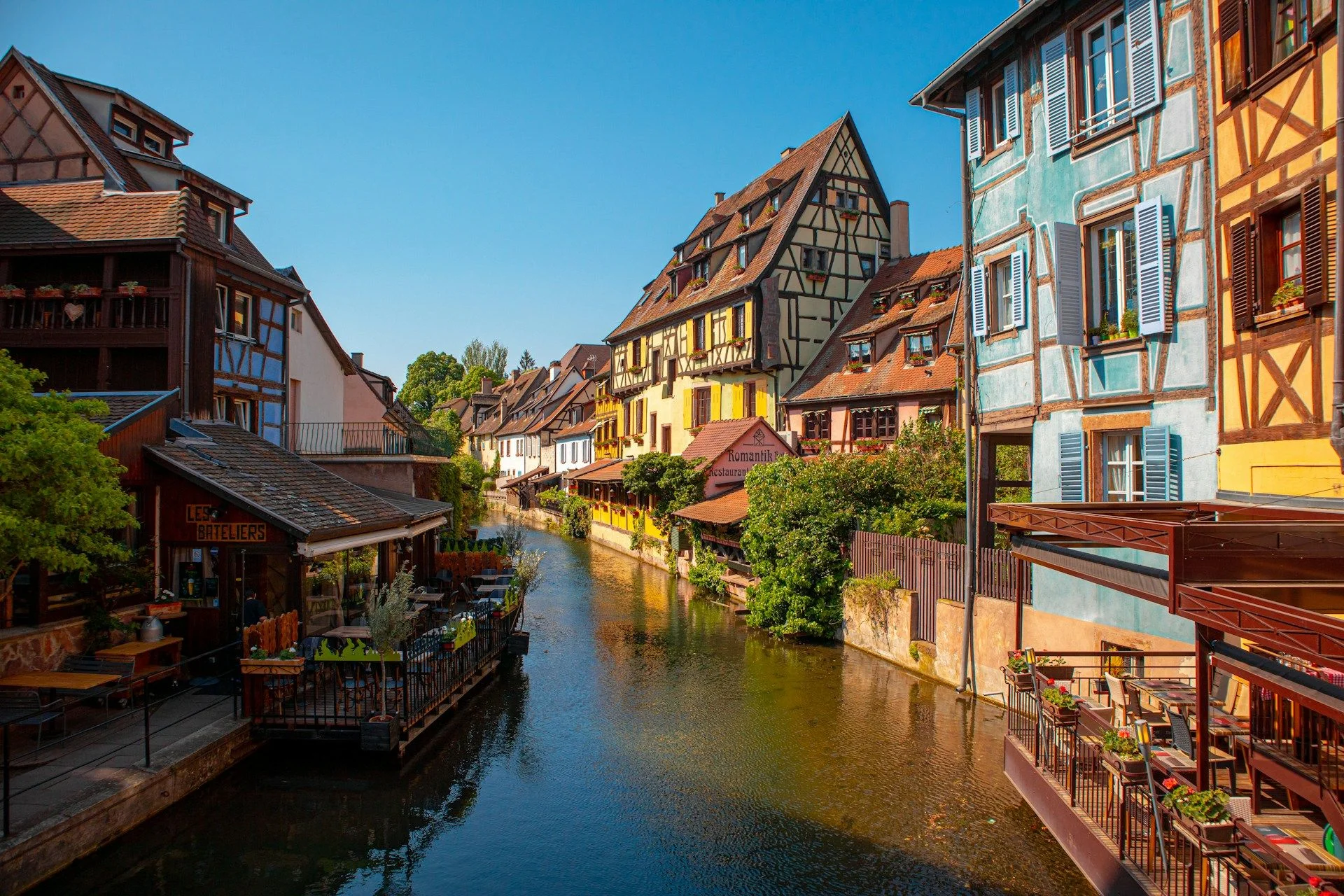
Commercial demand concentrates in clearly identifiable district types within the city. The central historic and tourist corridor supports high-value retail and hospitality trading, where limited supply keeps rents resilient. The European institutional quarter and nearby office clusters generate strong demand for specialised office space and meeting facilities, supporting professional services and lobbying firms. Purpose-built business districts and science or technology parks near major research and health institutions supply multi-tenant offices and laboratory-adjacent premises. Peripheral industrial zones and logistics corridors near major highways and river terminals provide space for warehousing, distribution and light manufacturing. In Strasbourg specific district names frequently referenced by market participants include La Petite France as a tourist retail corridor, the Quartier Europeen where institutional demand concentrates for office leases, Wacken as an area with trade and exhibition-related commercial activity, Neudorf which has mixed retail and residential catchments supporting neighbourhood commerce, and Cronenbourg where light industrial and logistics premises are more common. When comparing districts investors balance centrality and footfall against rental depth, tenant mix and the risk of oversupply in new business parks or hospitality clusters.
Deal structure – leases, due diligence, and operating risks
Deal structure in Strasbourg follows well-established commercial terms but demands detailed review. Buyers typically review lease term remaining, tenant covenant strength, break options and indexation mechanisms. Service charge regimes, fit-out responsibilities and any tenant repair covenants materially affect future capex exposure. Vacancy and reletting risk are assessed through local market lettability, recent rental comparables and the cost and time to refurbish for new uses. Technical due diligence covers building condition, major systems life expectancy and compliance with energy and safety standards; environmental and contamination surveys are important for industrial sites. Planning and permitted use checks determine whether alternative uses or extensions are feasible. Operational risks include tenant concentration, where a single occupier accounts for a disproportionate share of income, and the exposure of retail and hospitality to seasonal visitor flows. Financial modelling must factor in capex planning, service charge transparency and tax treatment, while negotiation focuses on protecting downside through warranties, practical completion mechanics and structured indemnities, without giving legal advice to buyers.
Pricing logic and exit options in Strasbourg
Pricing for commercial real estate in Strasbourg is driven by location quality, tenant profile and lease duration. Prime locations with strong footfall and long leases command lower yields relative to secondary areas where immediate rental uplift potential exists. Building quality and energy performance influence capital expenditure discounts and marketability; buildings with alternative use potential can attract strategic buyers willing to pay a premium for conversion upside. Exit options include holding to collect rental income and refinance against enhanced income streams, re-letting to stabilise income before sale, or executing a reposition-and-exit strategy where refurbishment or change of use materially increases net operating income. Timing exits around local market cycles and planning milestones can reduce risk. Investors also consider cross-border demand for Strasbourg assets due to its institutional role and proximity to regional transport nodes, which can broaden buyer pools for better-located office or mixed-use assets. All exit planning should be scenario-based and reflect building condition, tenant stability and local planning permissibility.
How VelesClub Int. helps with commercial property in Strasbourg
VelesClub Int. provides a structured support process for clients evaluating commercial property in Strasbourg. The engagement begins by clarifying investment objectives and operational requirements, then defining target segments, lease profiles and acceptable districts. VelesClub Int. shortlists assets by screening lease terms, tenant risk and capex exposure, and coordinates technical and market due diligence with local advisors. The firm assists in assembling documentation packs, prioritises issues that affect pricing and negotiation, and supports transaction steps including bid framing and diligence tracking. Services are tailored to investor capability and strategy choice, whether the objective is to buy commercial property in Strasbourg for income, execute a value-add programme or secure an owner-occupier location. VelesClub Int. focuses on aligning asset characteristics with client risk tolerances and exit flexibility rather than promising outcomes.
Conclusion – choosing the right commercial strategy in Strasbourg
Selecting the right commercial strategy in Strasbourg requires matching asset type, district characteristics and lease profile to investor objectives. Income investors prioritise long leases and tenant quality, value-add players focus on refurbishments and re-letting potential, and owner-occupiers emphasise operational fit and long-term cost predictability. Across all approaches due diligence on leases, technical condition, planning constraints and market liquidity is essential. For a pragmatic, market-aware assessment of opportunities and tailored asset screening, consult VelesClub Int. experts who can help define strategy, shortlist suitable assets and coordinate due diligence and transaction steps relevant to commercial real estate in Strasbourg.