
Office space in Cap CanaOffice assets across business districts
Best offers
in Dominican Republic
Benefits of investing in commercial real estate in Cap Cana


Tourism and marina demand
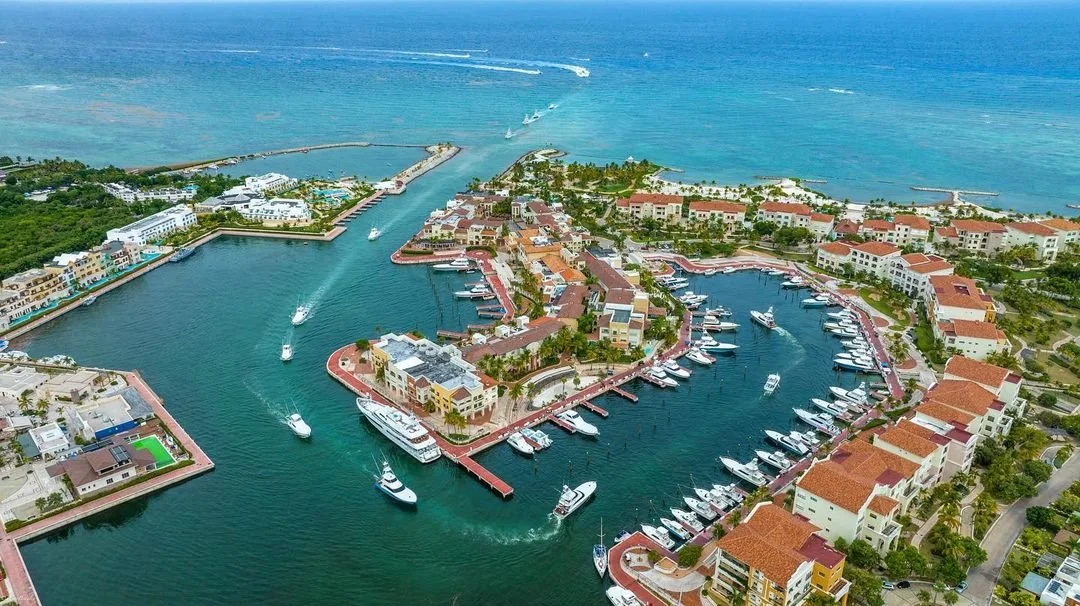
Cap Cana's luxury tourism, marina activity and proximity to Punta Cana airport drive demand for retail, hospitality and services offices, producing mix of seasonal and multi-year leases linked to operator and marina tenant stability
Asset types and strategies
In Cap Cana hospitality, marina-front retail, F&B and boutique office for tourism operators dominate, supporting strategies from core long-term leases to value-add repositioning, single-tenant hotel assets versus multi-tenant retail and mixed-use conversion
Expert screening support
VelesClub Int. experts define Cap Cana strategy, shortlist assets and run screening including tenant quality checks, lease structure review, yield logic assessment, capex and fit-out assumptions, vacancy risk analysis and a tailored due diligence checklist
Tourism and marina demand
Cap Cana's luxury tourism, marina activity and proximity to Punta Cana airport drive demand for retail, hospitality and services offices, producing mix of seasonal and multi-year leases linked to operator and marina tenant stability
Asset types and strategies
In Cap Cana hospitality, marina-front retail, F&B and boutique office for tourism operators dominate, supporting strategies from core long-term leases to value-add repositioning, single-tenant hotel assets versus multi-tenant retail and mixed-use conversion
Expert screening support
VelesClub Int. experts define Cap Cana strategy, shortlist assets and run screening including tenant quality checks, lease structure review, yield logic assessment, capex and fit-out assumptions, vacancy risk analysis and a tailored due diligence checklist








Useful articles
and recommendations from experts
Market overview for commercial property in Cap Cana
Why commercial property matters in Cap Cana
Cap Cana’s local economy is driven by tourism, hospitality services and an expanding residential base that supports ancillary commercial demand. The concentration of resorts, marinas and high-end residential developments creates recurring requirements for retail outlets, food and beverage operators, professional services and leisure-oriented office functions. Healthcare and education operators evaluate space where resident and visitor populations reach scale, and logistics needs arise to support supply chains for hotels, restaurants and construction activity. Buyers in this market include owner-occupiers seeking proximity to primary customers, institutional and private investors targeting predictable rental income, and specialist operators who acquire or lease space to control operating quality for hospitality or retail concepts. These demand drivers make commercial real estate in Cap Cana a distinct asset class in the local market rather than a generic extension of regional property dynamics.
The commercial landscape – what is traded and leased
The stock traded and leased in Cap Cana reflects its mix of tourism clusters and service-oriented local economy. Typical inventory includes small to mid-sized high street retail strips adjacent to resort entrances, tenant-ready units in mixed-use developments, office suites for professional services and sales operations, hotel and resort premises for hospitality operators, and warehouses sized for last-mile delivery and on-site supply storage. Lease-driven value is most pronounced where tenant cash flows are directly linked to visitor seasonality and footfall; such assets command attention for their revenue predictability during peak months and higher volatility off-peak. Asset-driven value appears where land position, redevelopment potential or conversion to alternate commercial uses create upside independent of current lease rolls. In Cap Cana, the interplay between lease terms and intrinsic asset quality determines investor appetite: short-term tourism leases increase operating risk while longer professional or service leases provide greater stability.
Asset types that investors and buyers target in Cap Cana
Retail space in Cap Cana is sought for convenience retail, specialty stores serving residents and tourists, and F&B units that benefit from marina or resort adjacencies. Investors compare high street retail that depends on pedestrian flow against neighborhood retail that serves resident catchments; high street locations trade on visibility and volume while neighborhood locations trade on repeat local spending and lower turnover. Office space in Cap Cana tends to be smaller floorplates and suites tailored to real estate sales offices, legal and financial services, and operator back-offices; the prime versus non-prime office logic rests on accessibility to main thoroughfares and proximity to commercial clusters. Hospitality assets range from leased hotel premises to management-intensive investments and are evaluated for seasonal occupancy patterns and franchise or operator stability. Restaurant, cafe and bar premises require specific fit-out and service infrastructure considerations and are often structured as tenant-fit leases with higher capex expectations. Warehouse property in Cap Cana is typically light industrial or distribution-oriented and linked to tourism supply chains, on-island import consolidation and construction logistics; e-commerce growth shifts demand toward smaller, better-located warehouses optimized for speed rather than scale. Revenue houses and mixed-use schemes can provide diversified income streams but require detailed analysis of zoning and mixed tenancy management. Across segments, serviced office models can attract short-term demand from project teams and visiting professionals, but investor returns vary with occupancy cycles and amenity sets.
Strategy selection – income, value-add, or owner-occupier
Income-focused strategies in Cap Cana prioritize stable lease rolls with creditworthy tenants or long-term service agreements that damp seasonal volatility. This approach suits investors targeting predictable cash flow and lower active management. Value-add strategies pursue refurbishment, repositioning or re-leasing to capture rental growth where physical condition or lease structure suppresses current returns; in Cap Cana, value-add plays must account for seasonal revenue swings and potential permitting or design constraints in resort-adjacent zones. Mixed-use optimization combines retail, office and short-stay hospitality components to diversify revenue, which can reduce sensitivity to a single market cycle but increases management complexity. Owner-occupier acquisitions are common for operators who want control over location and configuration, particularly hospitality groups and larger retail brands; purchase logic here emphasizes operational efficiency, transaction cost amortization and long-term stability of the underlying business. Local factors that influence strategy choice include the intensity of tourism seasonality that affects turnover and rent indexing, tenant churn norms tied to visitor trends, and the regulatory environment that shapes permitting and allowable use. Each strategy should be matched to an explicit assessment of operating capacity, tolerance for vacancy periods and capital availability for capex or repositioning.
Areas and districts – where commercial demand concentrates in Cap Cana
Demand in Cap Cana concentrates where visitor flows, residential catchments and transport access intersect. Core zones typically include the marina and adjacent resort corridors that generate high daytime and evening footfall for retail and F&B; these corridors support tenant categories dependent on visitor spending. Residential clusters and gated communities create neighborhood retail demand for grocery, personal services and professional offices that draw repeat local customers. Emerging business areas near principal access roads or logistics nodes attract light industrial and warehouse needs for supply staging and last-mile distribution. Transport nodes and commuter routes influence where office and professional services prefer to locate, because staff and client accessibility drives daily operating practicality. When evaluating districts, compare central resort corridors versus residential catchments for differing balance of seasonal versus stable demand, and assess oversupply risk where multiple similar commercial projects are concentrated. Rather than relying on named neighborhoods, evaluate site-level catchment demographics, primary traffic vectors and proximity to tourism anchors to understand the demand profile in Cap Cana.
Deal structure – leases, due diligence, and operating risks
Buyers in Cap Cana typically review lease documentation for term length, break options, indexation clauses and tenant obligations for fit-out and maintenance because these provisions materially affect net operating income and reletting exposure. Service charge regimes and common area maintenance responsibilities are critical where mixed-use or resort-adjacent properties share infrastructure. Vacancy and reletting risk rise in segments tied closely to tourism if tenant turnover spikes after seasonality or if operating costs are misaligned with off-peak revenue. Due diligence should cover capital expenditure planning, building code compliance and certificate statuses, as well as utility and infrastructure reliability for hospitality and warehouse operations. Assess tenant concentration risk where a small number of tenants represent a large share of income; high concentration increases sensitivity to counterparty default or tenant relocation. Operational risks also include management dispersion when properties require frequent tenant coordination, and cyclical maintenance needs that are higher in coastal environments. Financial diligence focuses on historical occupancy, rent collection performance and verified operating expenses, while technical diligence quantifies near-term capex needs that will affect cash flow after acquisition.
Pricing logic and exit options in Cap Cana
Pricing for commercial property in Cap Cana is driven by location and footfall metrics, tenant quality and remaining lease length, building condition and upcoming capex, and the potential for alternative uses such as conversion to different commercial formats or intensified mixed use. Assets with longer unexpired lease terms to creditworthy tenants command price stability, while properties requiring refurbishment or re-tenanting trade at discounts reflecting execution risk. Exit options include holding to capture rental growth and refinance where leverage markets are accessible, re-leasing before sale to present a stabilized income profile to buyers, or repositioning the asset—through refurbishment or change of use—to access a different buyer pool. Timing an exit in Cap Cana often requires alignment with seasonal valuation cycles and an understanding of buyer appetite for tourism-linked versus resident-linked cash flows. Exit strategy should be developed at acquisition and tested against scenario models for lease-up speed, capex timelines and prospective buyer demand in the local market.
How VelesClub Int. helps with commercial property in Cap Cana
VelesClub Int. supports clients by clarifying investment objectives and mapping those objectives to target segments and district types in Cap Cana. The process begins with defining return, risk tolerance and operational preferences, then proceeds to shortlist assets based on lease profile, tenant mix and asset condition. VelesClub Int. coordinates technical and financial screening to quantify capex, vacancy sensitivity and tenant risk, and helps prioritize properties where lease structure aligns with the client strategy. During pre-contract and transaction phases, VelesClub Int. organizes vendor information, coordinates inspection schedules and structures reporting to support negotiation and decision-making without providing legal advice. The firm adapts recommendations to the client’s capabilities, whether the objective is to buy commercial property in Cap Cana for owner-occupation, acquire income-producing assets or execute a value-add repositioning plan.
Conclusion – choosing the right commercial strategy in Cap Cana
Selecting the appropriate commercial strategy in Cap Cana requires aligning asset type, district dynamics and lease structure with investor or operator objectives. Income investors should prioritize lease length and tenant quality, value-add players must assess capex feasibility and timing against seasonal demand, and owner-occupiers need to weigh operational advantages against acquisition and running costs. Practical due diligence on leases, capex and tenant concentration reduces execution risk and clarifies exit pathways. For tailored strategy formulation and asset screening in the Cap Cana market, consult VelesClub Int. experts who can translate local market dynamics into a focused acquisition or leasing plan and support the transaction process. Contact VelesClub Int. to review objectives and begin shortlisting opportunities to buy commercial property in Cap Cana or to evaluate commercial real estate in Cap Cana aligned with your goals.