
Commercial property for sale in Polis ChrysochousVerified properties for city growth
Best offers
in Paphos District
Benefits of investing in commercial real estate in Polis Chrysochous


Local demand drivers
Polis Chrysochous' demand is driven by coastal tourism, local service businesses, and regional administration; seasonal visitor flows create higher hospitality and retail rental turnover while public-sector and essential services produce more stable, longer leases
Asset types and strategies
Common segments include small-scale hospitality, high-street retail near Latchi and Polis center, neighborhood services and low-rise offices, with strategies ranging from core long-term leases for essential services to value-add repositioning of hotels and mixed-use conversions
Expert selection support
VelesClub Int. experts define strategy, shortlist Polis Chrysochous assets and run screening including tenant quality checks, lease structure review, yield logic, capex and fit-out assumptions, vacancy risk assessment and a tailored due diligence checklist
Local demand drivers
Polis Chrysochous' demand is driven by coastal tourism, local service businesses, and regional administration; seasonal visitor flows create higher hospitality and retail rental turnover while public-sector and essential services produce more stable, longer leases
Asset types and strategies
Common segments include small-scale hospitality, high-street retail near Latchi and Polis center, neighborhood services and low-rise offices, with strategies ranging from core long-term leases for essential services to value-add repositioning of hotels and mixed-use conversions
Expert selection support
VelesClub Int. experts define strategy, shortlist Polis Chrysochous assets and run screening including tenant quality checks, lease structure review, yield logic, capex and fit-out assumptions, vacancy risk assessment and a tailored due diligence checklist








Useful articles
and recommendations from experts
Evaluating commercial property in Polis Chrysochous
Why commercial property matters in Polis Chrysochous
Commercial property in Polis Chrysochous plays a distinct economic role because the town combines a modest resident population with a pronounced seasonal tourism cycle and a local services economy. Demand for commercial real estate in Polis Chrysochous is driven by hospitality operators and small hotels that serve summer visitors, by retail and food operators that service both residents and tourists, by professional services that support local households and small businesses, and by light industrial and storage needs tied to agriculture and small-scale fishing support activities. Buyers in this market range from owner-occupiers who want premises for a permanent retail or service operation to investors seeking rental income from holiday-oriented leases or longer-term commercial tenancies. Operators such as boutique hoteliers, local retailers, and logistics providers also acquire or lease assets to control operating cost and service quality. The confluence of seasonal footfall, year-round local demand and limited new supply makes a pragmatic, data-driven assessment of demand essential when evaluating an acquisition.
The commercial landscape – what is traded and leased
The traded and leased stock in Polis Chrysochous tends to cluster into high-street retail units, small office suites, hospitality properties, and a limited number of warehouses or light industrial units near transport access. High-street corridors with consistent pedestrian flows support retail space in Polis Chrysochous while peripheral roads and smaller business parks accommodate storage and workshop uses. In this market lease-driven value is often dominant for retail and hospitality assets where tenant income and seasonal occupancy determine cash flow, whereas asset-driven value plays a larger role for buildings where redevelopment potential or alternative use may increase intrinsic value. Short-term tourist lets and summer season variation create different lease structures than traditional commercial leases, and many leases include seasonal indexing or variable occupancy clauses that affect valuation. Understanding whether a property is priced primarily on its in-place lease income or on replacement and redevelopment value is a central part of asset analysis here.
Asset types that investors and buyers target in Polis Chrysochous
Investors and buyers in Polis Chrysochous target a narrow set of asset types that reflect local demand patterns. Retail space in Polis Chrysochous typically comprises small to medium units on main streets suited to local convenience retail, food and beverage, and specialist shops that rely on tourist flows. Office space in Polis Chrysochous is usually low-density, aimed at professional and administrative services rather than corporate headquarters. Hospitality assets range from small hotels and guesthouses to holiday apartments geared to short-term letting platforms; these require careful assessment of seasonal revenue swings and operating costs. Restaurant and cafe premises command premium locations in town centres and coastal corridors but carry fit-out and licensing considerations. Warehouse property in Polis Chrysochous is generally light industrial or storage space positioned to serve local suppliers and the last-mile needs of hospitality and retail operators rather than large-scale distribution. Mixed-use revenue houses combining ground-floor retail and upper-floor residential or short-term letting can be attractive for income diversification. Comparatively, high street retail commands higher transaction multiples in core locations, while neighborhood retail trades at lower multiples but with more stable local tenancy patterns. Prime versus non-prime office logic applies even at a small-town scale – quality of building systems, floor plate flexibility and ease of access determine rental differential. Serviced office concepts have limited scale locally but may find niche demand among remote workers and seasonal professionals, especially if supported by quality broadband and flexible lease terms. E-commerce driven demand is modest but growing, increasing demand for small storage and packing facilities rather than large logistics hubs.
Strategy selection – income, value-add, or owner-occupier
Strategy selection in Polis Chrysochous depends on investor objectives, holding period and risk tolerance. An income focus favors assets with stable, longer-term leases to professional tenants or mixed commercial-residential assets with year-round rents; in this town that typically means securing tenants in essential services and professional occupations that exhibit lower seasonal volatility. A value-add strategy targets properties that can be repositioned through refurbishment, re-leasing on improved terms, or conversion between uses where planning permits – examples include upgrading a tired high-street unit to a modern food-service space or converting upper floors to serviced short-term letting stock. Mixed-use optimization combines retail or hospitality ground floors with residential or managed short-term lets above to smooth income across seasons. Owner-occupier purchase logic hinges on operational control and cost certainty for buyers who run the business on site; owners must balance purchase price, tax treatment and capital expenditure against the operational benefits of owning premises. Local factors that shape these strategies include the pronounced tourism seasonality, tenant churn norms among hospitality operators, limitations on large-scale new supply, and the relative simplicity of local planning regimes. Regulatory intensity can vary and should be a consideration in whether to pursue conversion or redevelopment as a value-add route.
Areas and districts – where commercial demand concentrates in Polis Chrysochous
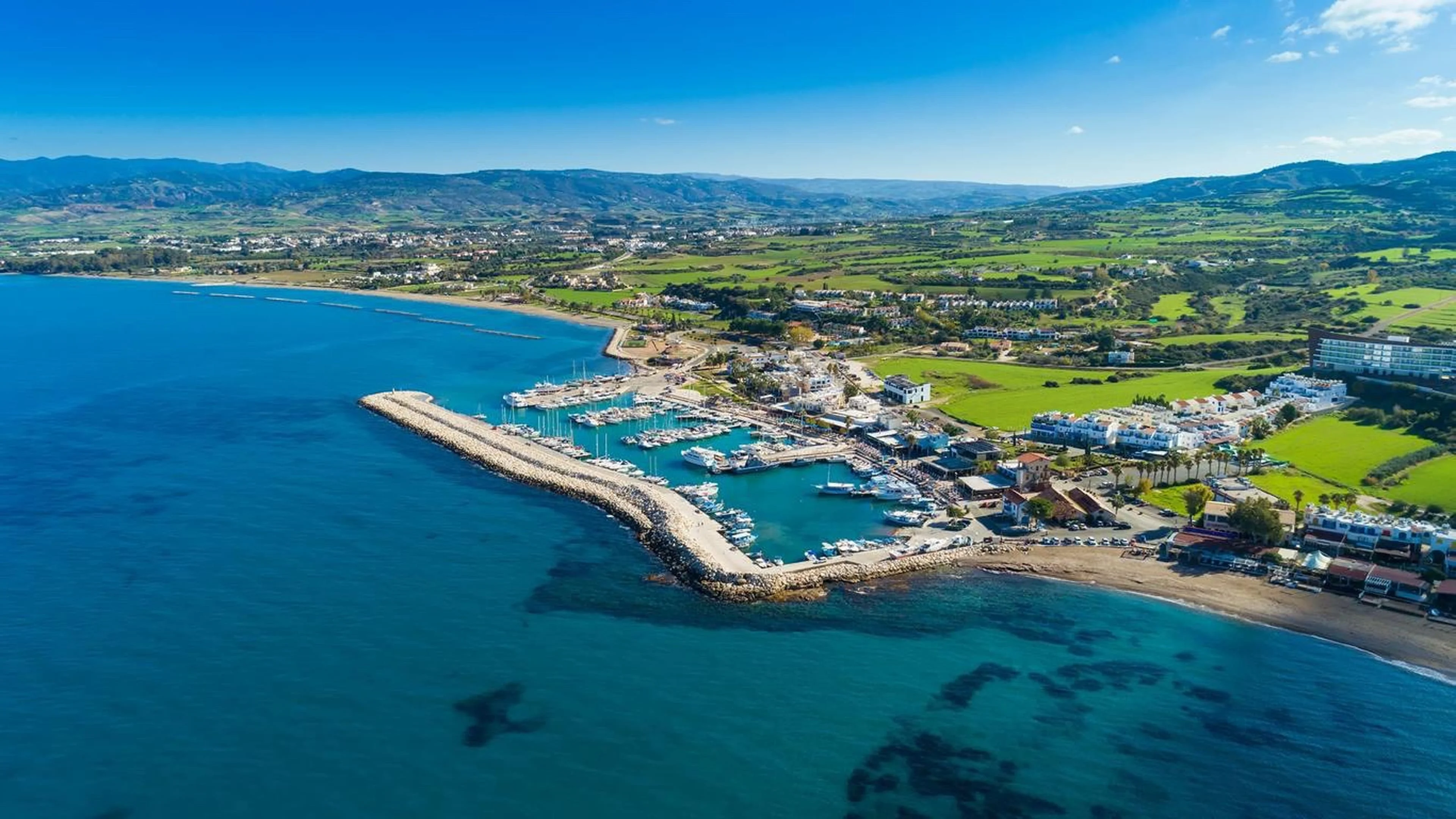
Demand in Polis Chrysochous concentrates along clear local corridors rather than in sprawling districts. Central town streets that host retail and food service form the primary demand corridor where footfall and visibility are highest. A coastal corridor and small harbour area attract seasonal hospitality demand and higher-value restaurant premises during peak months. Peripheral roads and small business clusters near main access routes host light industrial and warehouse property where accessibility and vehicle turning are practical considerations. Residential catchment areas and local commuter flows determine neighborhood retail viability, where convenience and services for residents provide steady baseline demand. Transport nodes that link Polis Chrysochous to nearby towns and tourist attractions are focal points for mixed-use and service-oriented commercial supply, while oversupply risk is typically concentrated in over-built hospitality sections where multiple small hotels or short-term lets saturate the seasonal market. Investors should apply a district selection framework that compares central visibility, coastal seasonality, access for logistics, and stability of local residential demand when weighting locations for acquisition.
Deal structure – leases, due diligence, and operating risks
Typical deal structures in Polis Chrysochous require careful review of lease documentation, operating arrangements and forward capital commitments. Buyers review lease term length, break options, rent review mechanisms and indexation clauses to understand income durability. Service charge allocation, maintenance responsibilities and fit-out obligations shape ongoing operating costs and future capex exposure. Vacancy and reletting risk are material in a market with seasonal peaks; investors should model worst-case vacancy scenarios and assess the local tenant market for replacement demand. Due diligence should include building condition surveys, compliance checks for health and safety and use class restrictions that affect alternative uses, utility capacity for hospitality or light industrial uses, and taxation and municipal charge implications. Capex planning must account for building systems, façade repair, and any licensing-related improvements for hospitality or food uses. Tenant concentration risk can be elevated in small markets where a single operator may occupy multiple key units; diversification of tenant mix and staggered lease expiries reduce this risk. Buyers also evaluate operating risks linked to local labour availability, seasonal revenue variability and supply chain access for businesses dependent on deliveries. While legal and tax advice is outside this overview, a pragmatic commercial due diligence plan that focuses on cash flow sensitivity, capex and re-letting timelines is essential.
Pricing logic and exit options in Polis Chrysochous
Pricing for commercial assets in Polis Chrysochous is driven by location, visible footfall, tenant covenant strength and remaining lease term, together with the physical condition of the building and immediate capex needs. Coastal and main-street premises with strong seasonal trading patterns can command premium pricing relative to secondary locations, but premiums come with higher revenue volatility. Buildings with short remaining lease terms or significant deferred maintenance trade at discounts reflecting near-term re-letting and capex risk. Alternative use potential such as conversion to mixed-use or small-scale hospitality can influence value where planning appears permissive, but such potential should be treated as conditional and modelled conservatively. Exit strategies include holding for income and refinancing where stable cash flow is achieved, re-leasing to improve income and then selling on stronger yield metrics, or undertaking a repositioning program to add value before disposition. Reposition then exit works where refurbishment materially alters tenant appeal or enables a higher-use intensity, while a hold and refinance route suits investors prioritizing steady income. Each exit option depends on local market liquidity, timing relative to seasonality and the investor's ability to execute operational improvements.
How VelesClub Int. helps with commercial property in Polis Chrysochous
VelesClub Int. supports clients in Polis Chrysochous through a structured, pragmatic process. The engagement begins with clarifying investor objectives and constraints – whether the priority is steady income, value creation or owner-occupation. VelesClub Int. then defines the target segment and district framework tailored to those objectives, prioritizing corridors and property types that match demand drivers such as tourism, local services and light logistics. Shortlisting assets is based on lease profile, tenant mix, capex condition and re-letting risk, using comparative local metrics rather than generic benchmarks. VelesClub Int. coordinates due diligence workflows to ensure technical surveys, tenant covenant checks and operating cost reviews are aligned with commercial underwriting. During negotiation and transaction phases the firm supports structuring offers and aligning conditionality to mitigate key operational risks, and it tailors selection to the client’s capabilities in asset management and local operations. The service is designed to be adaptive to the specific nuances of commercial real estate in Polis Chrysochous and to the client’s intended strategy.
Conclusion – choosing the right commercial strategy in Polis Chrysochous
Choosing the right commercial strategy in Polis Chrysochous requires matching asset type and location to investor objectives while accounting for seasonality, tenant stability and local supply constraints. Income-focused buyers will prioritize long leases and essential service tenants; value-add investors will seek repositioning opportunities where conversion or refurbishment can materially improve income; owner-occupiers will weigh operational control against purchase price and capex commitments. Pricing depends on lease length, tenant quality and building condition, and exit options range from hold and refinance to re-lease and sell after repositioning. For a disciplined assessment and asset screening tailored to your goals consult VelesClub Int. experts who can help define the target, shortlist suitable assets and coordinate a focused due diligence and transaction approach for commercial real estate in Polis Chrysochous. Contact VelesClub Int. to discuss strategy and next steps for buy commercial property in Polis Chrysochous.