
Commercial real estate for sale in PaphosStrategic assets for city acquisition
Best offers
in Paphos District
Benefits of investing in commercial real estate in Paphos


Seasonal and institutional demand
Paphos combines strong tourism-driven demand for hospitality and retail with institutional stability from public administration, healthcare and services, creating a tenant mix of seasonal short-term leases and year-round long-term contracts affecting lease profiles and risk
Targeted asset strategies
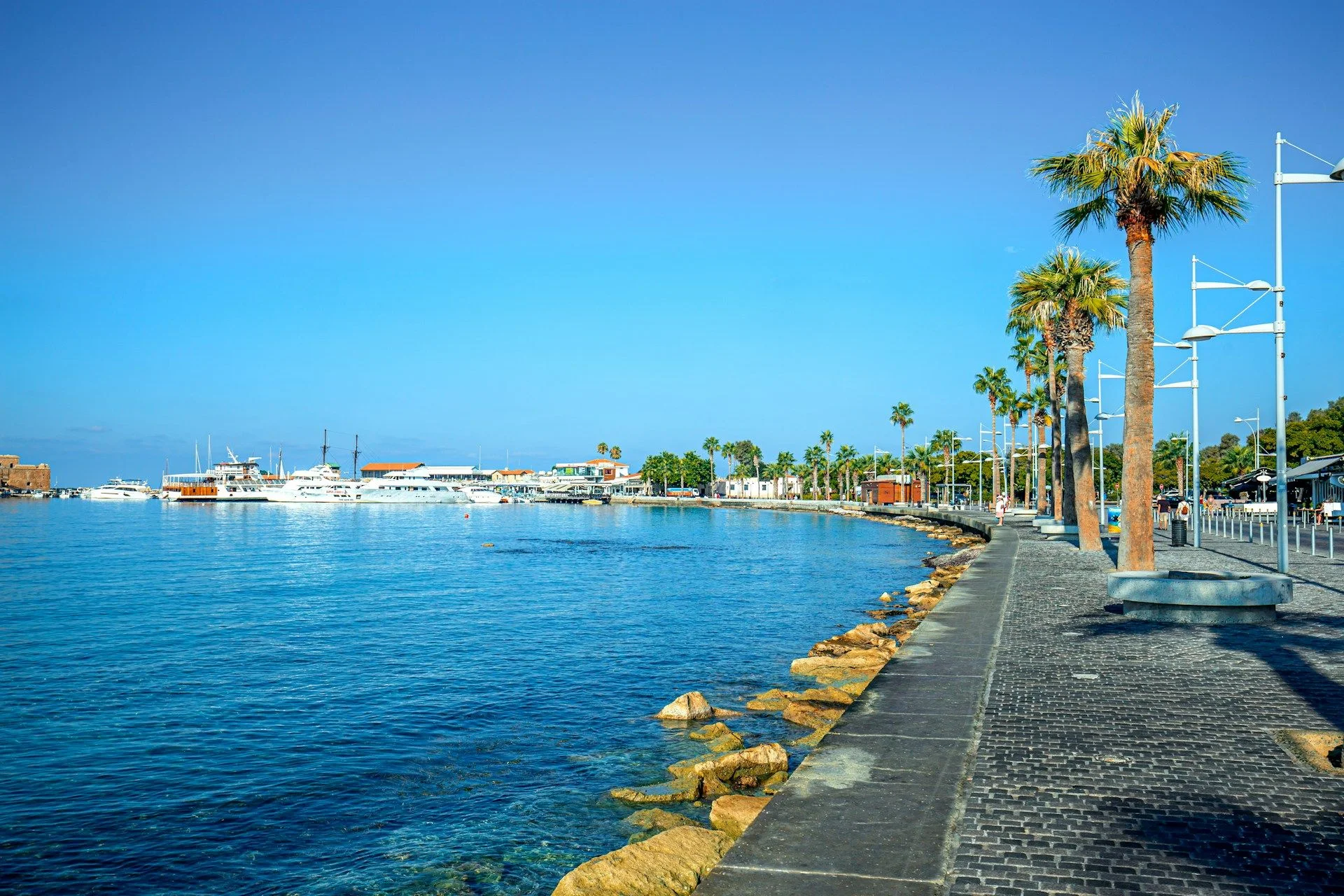
Common Paphos segments include hotels and aparthotels on the coast, high-street retail around the harbour and old town, small professional offices, and light industrial warehouses, supporting strategies from core leases to value-add repositioning and conversions
Specialist screening support
VelesClub Int. experts define strategy, shortlist Paphos assets and run screening that includes tenant quality checks, lease structure review, yield logic assessment, capex and fit-out assumptions, vacancy risk analysis and a due diligence checklist
Seasonal and institutional demand
Paphos combines strong tourism-driven demand for hospitality and retail with institutional stability from public administration, healthcare and services, creating a tenant mix of seasonal short-term leases and year-round long-term contracts affecting lease profiles and risk
Targeted asset strategies
Common Paphos segments include hotels and aparthotels on the coast, high-street retail around the harbour and old town, small professional offices, and light industrial warehouses, supporting strategies from core leases to value-add repositioning and conversions
Specialist screening support
VelesClub Int. experts define strategy, shortlist Paphos assets and run screening that includes tenant quality checks, lease structure review, yield logic assessment, capex and fit-out assumptions, vacancy risk analysis and a due diligence checklist








Useful articles
and recommendations from experts
Evaluating commercial property in Paphos markets
Why commercial property matters in Paphos
Commercial property in Paphos plays a central role in the city economy because local demand is closely linked to tourism, professional services, public administration, health services and seasonal retail. Tourist volumes drive hospitality and leisure premises, while resident and expat populations sustain healthcare, education and everyday retail. Office occupiers include local firms, small corporate back offices and professional services that require compact office space rather than large campus footprints. Investors, owner-occupiers and operators all participate in the market: investors seek income and capital growth, owner-occupiers look for cost control and long-term stability, and operators focus on asset turnover and operational efficiency in hospitality and retail. Seasonal patterns create a two-speed demand profile, with peak occupancy and higher rents in summer for tourism-linked assets and more stable, year-round demand for medical, education and public sector uses.
The commercial landscape – what is traded and leased
The traded and leased stock in Paphos is a mixture of high street retail corridors, small office blocks, hospitality units clustered around the coastline and port areas, neighborhood retail serving local catchments, and light industrial and storage units located on the periphery. Lease-driven value is common in retail and hospitality where footfall and tenant covenants determine income. Asset-driven value appears where redevelopment potential, alternative use options or structural improvements can materially change net operating income or marketability. Short-term holiday lets and seasonal leases influence comparables for hospitality and leisure, while longer institutional-style leases appear less frequently. Logistics and warehouse demand is growing but remains oriented to last-mile, small-bay units that support e-commerce and local distribution rather than large-scale regional logistics hubs.
Asset types that investors and buyers target in Paphos
Retail space in Paphos ranges from primary seafront high street units that benefit from tourist footfall to neighborhood convenience shops serving residential areas. High street premises command premium rent-per-square-meter during the season, while neighborhood retail yields more stable year-round turnover. Office space in Paphos is typically small-to-medium floor plates, with a split between prime central blocks near administrative centers and secondary stock in peripheral or converted buildings. Prime offices rely on proximity to professional services and public functions, while non-prime space competes on price and flexible lease terms. Hospitality assets are fundamental to Paphos commercial markets; hotels, small guesthouses and guest apartments respond directly to tourism cycles and require active revenue management. Restaurant, cafe and bar premises are closely tied to both tourist routes and local demand; their lease structures often reflect fit-out intensity and food service compliance costs. Warehouse property in Paphos is mostly light industrial and small storage units that support construction, trade and expanding e-commerce. Revenue houses and mixed-use assets that combine retail at ground level with residential or office uses are relevant where mixed income streams reduce vacancy risk and allow repositioning strategies. Serviced office formats and co-working can be attractive in central locations catering to freelancers, startups and remote corporate teams, but their success depends on year-round demand and retention programs.
Strategy selection – income, value-add, or owner-occupier
Choosing a strategy in Paphos depends on the investor profile and local market conditions. An income-focused approach targets stable leases with longer terms, reliable tenants and indexed rent mechanisms to protect cash flow against inflation and seasonality. This is appropriate where tenant covenants are strong and rental demand is predictable, for example in healthcare premises or long-established offices. A value-add strategy targets assets with physical or operational weaknesses that can be corrected through refurbishment, re-leasing, or repositioning into higher-demand uses. In Paphos this can include converting older retail or office layouts to mixed-use formats, improving energy performance, or enhancing hospitality operations for better seasonal yield. Mixed-use optimization blends both income and value-add by stabilizing cash flow with essential retail or residential components while improving other parts of the asset. Owner-occupier purchases focus on operational control, cost certainty and fit-out customization; local factors such as business cycle sensitivity, periodic tourist demand and planning constraints in Paphos influence whether owner-occupation is more economical than leasing. Seasonality and tenant churn norms in Paphos raise the importance of contingency planning for off-season income and short-term vacancy exposure, and regulation intensity in planning and hospitality licensing can affect the feasibility of repositioning strategies.
Areas and districts – where commercial demand concentrates in Paphos
Commercial demand in Paphos concentrates along coastal tourism corridors, the administrative and business core, transport nodes and the industrial periphery. Coastal corridors generate high retail and hospitality demand but are subject to seasonal fluctuation and higher entry pricing. The central business area supports office occupiers, professional services and small-scale retail that benefits from daily local footfall and administrative activity. Transport nodes and main arterial routes create concentration for logistics, light industrial and showroom uses where last-mile access matters. Residential catchments support neighborhood retail and services that deliver steady, year-round trading. Emerging business areas with vacant or underused stock can present repositioning opportunities but carry execution and leasing risk. Competition and oversupply risk are most visible in tourism clusters where short-term increases in accommodation stock can depress rates during downturns; industrial oversupply is less common but can occur when speculative schemes outpace local demand. Use the district framework when comparing assets: compare coastal vs inland corridors, central business vs peripheral industrial, and pedestrianized retail strips vs convenience retail in residential catchments.
Deal structure – leases, due diligence, and operating risks
Buyers in Paphos usually focus on core lease terms during due diligence: lease length, break options, rent review mechanisms, indexation clauses and responsibility for service charges and common area maintenance. Fit-out and compliance obligations often rest with tenants for hospitality and retail, but landlords should verify historic capex responsibilities and any deferred maintenance that could affect valuation. Vacancy and reletting risk must be modelled against local market liquidity and seasonality effects, with realistic assumptions for downtime during the off-season for tourism-linked assets. Capex planning should include building fabric, mechanical systems, fire safety and statutory compliance, because these items influence operating risk and future capital requirements. Tenant concentration risk is a common consideration in small markets like Paphos; a single large tenant can distort income stability. Environmental and planning due diligence should confirm permitted uses and identify constraints on alternative uses, with pragmatic assessment of conversion costs if repositioning is contemplated. Operational risks include variable tourist seasons, changes in local demand patterns, and potential regulatory changes affecting hospitality and retail licensing. Financial due diligence focuses on historic income, operating expense normalization and verification of arrears or contingent liabilities.
Pricing logic and exit options in Paphos
Pricing in Paphos is driven by the interplay of location, footfall, tenant quality and lease length. Buildings in high-footfall coastal corridors command pricing premia because of their revenue potential during peak seasons, while central administrative locations attract buyers seeking stable office income. Building quality and capex needs adjust pricing downward when significant remediation is required. Alternative use potential can support higher valuations where zoning or planning allowances enable conversion to residential, mixed-use or expanded hospitality formats. Exit options include hold-and-refinance strategies where stable income supports leverage and lower cost of capital, re-leasing then sale to specialist investors who value longer-term contracts, or repositioning followed by a sale targeted at a buyer seeking higher-yielding assets. Each exit path has different timing and market risk: hold strategies depend on income continuity and market rate movements, while repositioning requires successful leasing and potentially higher marketing time. In every scenario, flexibility in lease structure and a realistic assessment of local demand cycles improve exit planning.
How VelesClub Int. helps with commercial property in Paphos
VelesClub Int. supports clients seeking commercial real estate in Paphos through a structured process that begins with clarifying investment objectives and risk tolerance. The next step defines the target segment and district types that match the client profile, whether that is retail space in Paphos, office space in Paphos, or warehouse property in Paphos. VelesClub Int. shortlists assets based on lease profile, tenant risk, and redevelopment potential, and coordinates market and financial screening to align opportunities with the client’s operational capabilities. During due diligence VelesClub Int. helps assemble technical, commercial and occupancy information for assessment and supports the negotiation and transaction steps by coordinating with advisers and local counterparts. The selection and screening process is tailored to each client, balancing income, value-add and owner-occupier strategies and reflecting Paphos-specific seasonality and district dynamics.
Conclusion – choosing the right commercial strategy in Paphos
Selecting the right commercial property strategy in Paphos requires balancing seasonal demand, lease structure and asset quality against investor goals. Income strategies work where leases and tenant covenants provide stability, value-add requires assessment of repositioning costs and planning constraints, and owner-occupation suits occupiers seeking operational control. Accurate district analysis, thorough lease-level due diligence and realistic capex planning are the practical building blocks of any decision. For clients evaluating whether to buy commercial property in Paphos, consulting with VelesClub Int. experts will help crystallize objectives, filter opportunities and manage the transaction process. Contact VelesClub Int. for a focused review and asset screening tailored to your strategy and capacity.