
Commercial space in RovinjActive zones for commercial expansion
Best offers
in Istria
Benefits of investing in commercial real estate in Rovinj


Local demand drivers
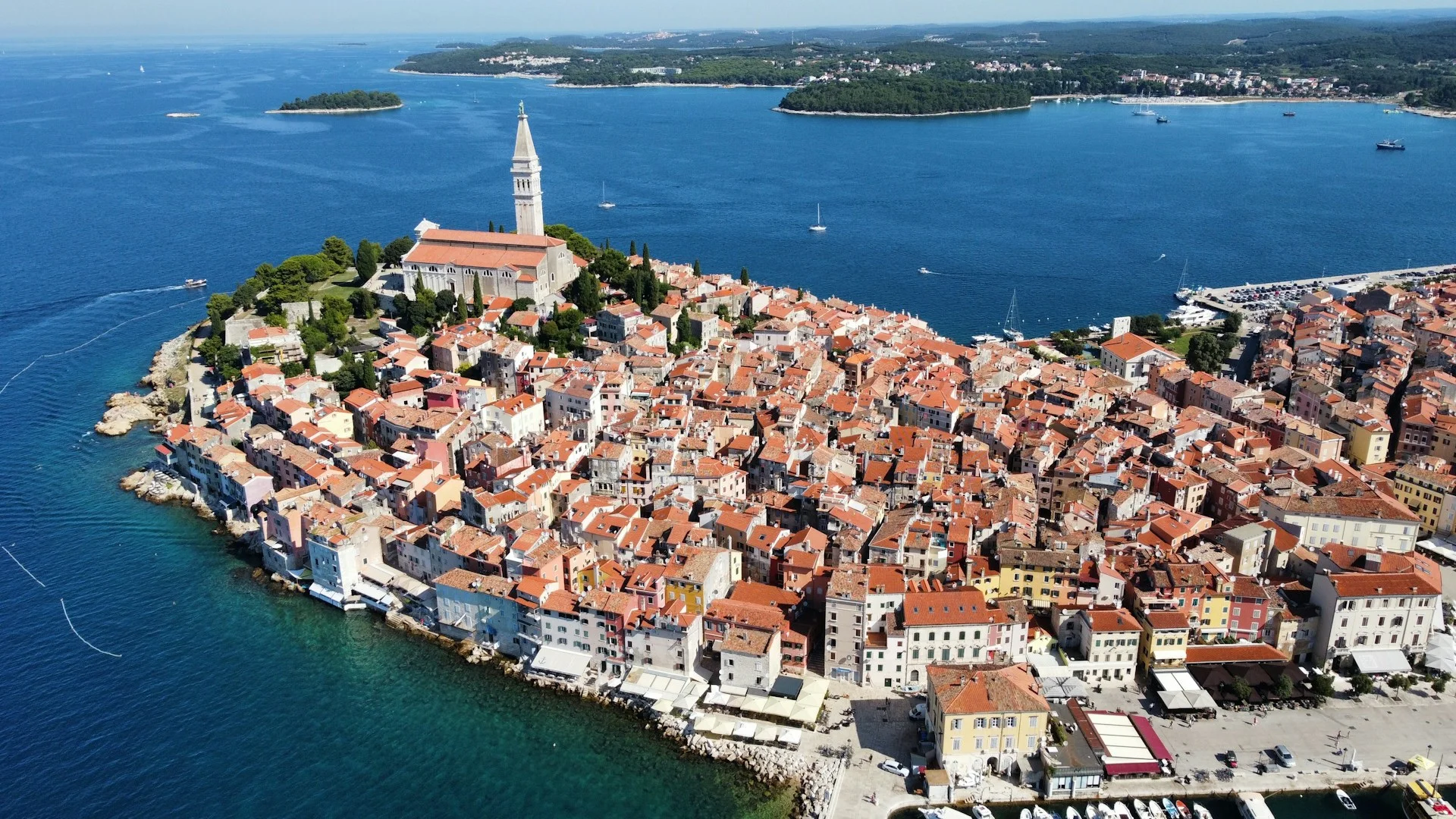
Rovinj's tourism-driven economy, historic high street and marina activity create strong demand for hospitality, retail and marine services; municipal administration and local professional services provide pockets of year-round tenant stability and shorter seasonal leases
Asset types and strategies
Hospitality and high-street retail dominate Rovinj, with marina-linked commercial and small professional offices; effective strategies include hospitality asset repositioning, mixed-use conversions, single-tenant marina leases versus multi-tenant retail, and selective value-add refurbishments
Expert selection support
VelesClub Int. experts define strategy, shortlist Rovinj assets and run screening including tenant quality checks, lease structure review, yield logic assessment, capex and fit-out assumptions, vacancy risk analysis and a tailored due diligence checklist
Local demand drivers
Rovinj's tourism-driven economy, historic high street and marina activity create strong demand for hospitality, retail and marine services; municipal administration and local professional services provide pockets of year-round tenant stability and shorter seasonal leases
Asset types and strategies
Hospitality and high-street retail dominate Rovinj, with marina-linked commercial and small professional offices; effective strategies include hospitality asset repositioning, mixed-use conversions, single-tenant marina leases versus multi-tenant retail, and selective value-add refurbishments
Expert selection support
VelesClub Int. experts define strategy, shortlist Rovinj assets and run screening including tenant quality checks, lease structure review, yield logic assessment, capex and fit-out assumptions, vacancy risk analysis and a tailored due diligence checklist








Useful articles
and recommendations from experts
Commercial property in Rovinj market and investment
Why commercial property matters in Rovinj
Commercial property in Rovinj plays a specific role for buyers and investors because the local economy is concentrated on a mix of tourism, small-scale services, professional office activity and light logistics that supports coastal commerce. Demand drivers include seasonal hospitality demand, year-round municipal and professional services, and a growing need for modern office space that can serve small companies and regional representatives. Healthcare and education occupy a smaller but stable portion of demand, while industrial and warehousing requirements tend to be limited and focused on last-mile support for coastal distribution and construction supply. Owner-occupiers buy to secure operational continuity, investors seek income or capital appreciation from repositioning, and operators acquire assets to scale hospitality or multi-tenant offerings. The combination of high seasonality and compact urban geography makes asset selection and lease structuring particularly important.
The commercial landscape – what is traded and leased
The traded and leased stock in Rovinj is heterogeneous. Typical supply includes compact business districts within the urban core, high street corridors concentrated around tourist flows, neighborhood retail serving resident populations, small business parks and logistics zones at town edges, and tourism clusters that combine hospitality, restaurants and experience-driven retail. Lease-driven value is most visible in hospitality and prime retail where short-term cash flow and seasonal peaks dominate; asset-driven value is more relevant for well-located buildings with redevelopment potential or stable long-term office tenancy. Many transactions in Rovinj are affected by tourism seasonality, so effective underwriting separates base-year occupancy from peak-season performance. Secondary markets for small warehouses and light industrial units exist but are smaller and often dependent on proximity to transport routes out of the historic core.
Asset types that investors and buyers target in Rovinj
Investors and buyers in Rovinj target a clear set of asset types. Retail space in Rovinj ranges from high street tourist-oriented units to neighborhood convenience retail; the former trades on visibility and short-term sales density, while the latter depends on resident catchment and long-term leases. Office space in Rovinj includes small to mid-size offices suitable for professional services and regional back offices, with prime space commanding a premium for location and modern services. Hospitality assets remain a leading segment given visitor numbers, but they require operator expertise and seasonality management. Restaurant, cafe and bar premises are frequently leased on operating leases with specific fit-out responsibilities. Warehouse property in Rovinj and light industrial units are used for storage, marine services and construction logistics and are evaluated on access and ceiling heights rather than retail frontage. Revenue houses and mixed-use blocks that combine residential and commercial elements are also common targets where zoning allows, offering diversification between lease types. Comparisons such as high street versus neighborhood retail, prime versus non-prime office logic, and serviced office versus traditional lease models are essential to align income expectations with asset risk.
Strategy selection – income, value-add, or owner-occupier
Choice of strategy in Rovinj depends on the investor's time horizon, risk tolerance and operational capability. An income-focused strategy favors assets with stable, longer leases and tenants that produce consistent revenue through both high and low seasons; typical candidates include established neighborhood retail and professional office leases with indexation. A value-add strategy is based on refurbishment, repositioning or re-leasing—common opportunities arise in older central buildings where modernization can attract higher-quality office tenants or convert retail units into hospitality offers during peak months. Mixed-use optimization looks to balance seasonal hospitality income with more stable residential or office rents to smooth cash flow. Owner-occupiers prioritize location that supports operations and may accept higher capital expenditure to realize operational efficiencies. Local factors that push one strategy over another include tourism seasonality, tenant churn patterns in hospitality and retail, municipal planning constraints, and the relative scarcity of modern logistics stock, which can make warehouse upgrades commercially attractive.
Areas and districts – where commercial demand concentrates in Rovinj
When comparing areas and districts in Rovinj, use a framework that separates the historic core, the immediate urban fringe, emerging business corridors and peripheral logistics areas. The historic core concentrates tourism-driven retail and hospitality and is most sensitive to seasonal variation. Urban fringe areas and small business corridors tend to host professional offices and neighborhood retail that serve residents year-round. Emerging business corridors near main roads and commuter patterns can attract service-sector offices and compact business parks. Peripheral sites with direct access to regional routes are where warehouse and light industrial demand concentrates, particularly for firms supporting construction and marine activities. Evaluate each area for pedestrian intensity versus vehicle accessibility, planning constraints, potential for conversion or densification, and the presence of competing supply that may lead to oversupply risk in certain micro-markets.
Deal structure – leases, due diligence, and operating risks
Deal review in Rovinj focuses on the lease documents and operational liabilities that directly affect cash flow and re-letting potential. Buyers typically assess lease term and remaining duration, tenant credit and concentration risk, break options and notice periods, indexation clauses and permissible rent reviews. Service charge regimes, responsibility for fit-out and deferred maintenance, and common area management are material for multi-tenant buildings. Due diligence should also cover vacancy and reletting risk given seasonality; a property that appears fully let in peak months can present materially different occupancy in the off-season. Capex planning must account for building systems, façade and roof condition, accessibility upgrades, and any compliance items identified during technical surveys. Environmental and planning due diligence is focused and practical—confirm permitted uses and conversion potential rather than legal interpretation. Operational risks include tenant turnover in tourism-exposed units, concentrated reliance on single operators, and potential changes to local zoning that affect use intensity.
Pricing logic and exit options in Rovinj
Pricing for commercial real estate in Rovinj is driven by a combination of location, tenant quality and lease length, building condition and alternative use potential. Prime locations with high visitor flows and long, indexed leases command premium pricing compared with peripheral assets where re-letting risk is higher. Quality of the asset and immediate capex needs are a direct component of price adjustments, as is the potential for conversion to alternative uses under prevailing planning rules. Exit options commonly used by owners include holding to stabilize income and refinance, re-leasing to improve reported cash flow prior to sale, or repositioning through refurbishment and then disposing at a higher valuation. Each route requires assessment of market timing and the depth of local buyer demand; hospitality-focused exits may require operator relationships to realize value, while office and retail disposals are judged on yield and lease covenant strength.
How VelesClub Int. helps with commercial property in Rovinj
VelesClub Int. supports clients across the acquisition cycle with a structured, market-aware process. The engagement begins by clarifying investment objectives and operational constraints, then defining target segments and district priorities calibrated to those objectives. VelesClub Int. shortlists assets based on lease profile, tenant risk and repositioning potential, and coordinates technical and commercial due diligence to highlight capex and compliance exposures. During transaction stages, VelesClub Int. assists with structuring negotiations and with scheduling vendor and adviser interactions, keeping focus on commercial outcomes rather than legal interpretation. The service is tailored to owner-occupiers, yield-seeking investors and operators seeking to scale, ensuring recommended assets align with the client's capacity to manage seasonality and tenant turnover.
Conclusion – choosing the right commercial strategy in Rovinj
Choosing the right approach to commercial property in Rovinj requires matching market realities to investment goals: income-focused buyers prioritize stable leases in neighborhood retail and offices, value-add investors focus on repositioning in the core or on conversion opportunities, and owner-occupiers select locations that support operational needs. Key decisions turn on lease structure, seasonality exposure, asset condition and district dynamics. For a practical assessment and tailored shortlist, consult VelesClub Int. experts who can screen assets, coordinate due diligence and outline realistic transaction pathways that fit your objectives. Contact VelesClub Int. to review strategy and begin asset screening for Rovinj opportunities.